
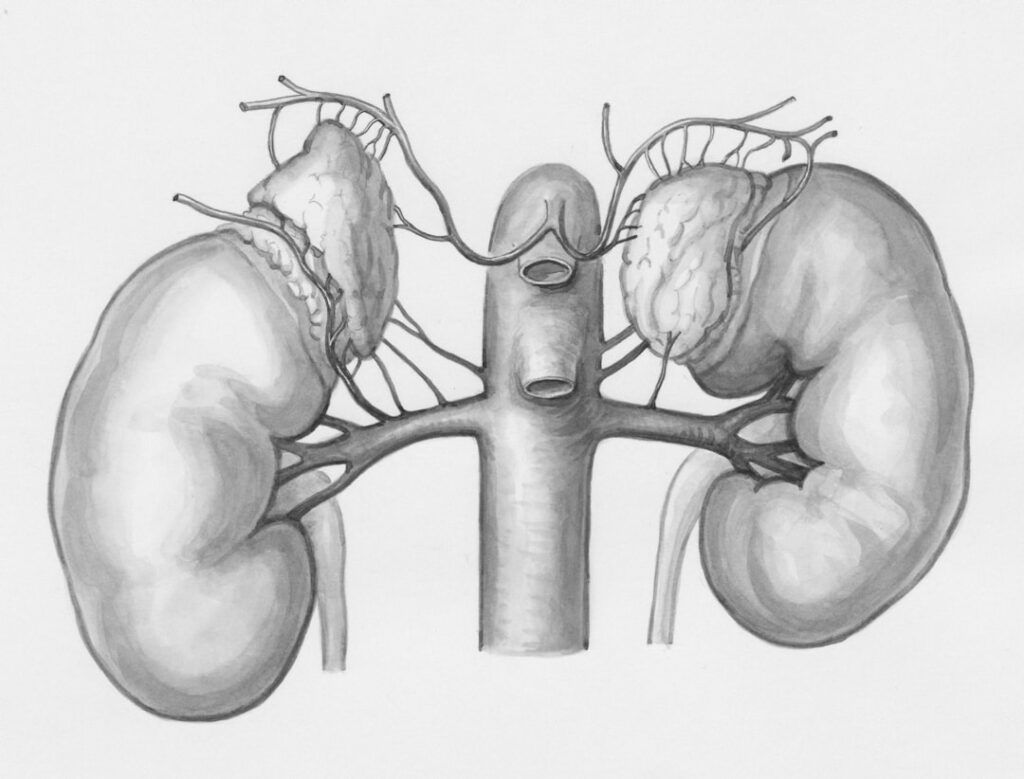
- A kidney infection (pyelonephritis) is a serious illness, not a bad bladder infection: fever, chills, flank or back pain, and nausea on top of UTI symptoms mean you need prompt medical care.
- Untreated kidney infections can lead to sepsis and permanent kidney damage, so this is not a condition to treat at home or wait out.
- Kidney infections require prescription antibiotics chosen by a clinician; there is no safe over-the-counter or home cure.
- Signs of sepsis (confusion, rapid heart rate or breathing, feeling extremely ill), inability to keep fluids down, or pregnancy with any urinary symptoms are reasons to seek emergency care now.
- Women, pregnant people, and those with kidney stones, catheters, diabetes, or a weakened immune system are at higher risk.
- This article is general education, not medical advice; if you suspect a kidney infection, contact a clinician or seek urgent care promptly.
A urinary tract infection that stays in the bladder is uncomfortable. One that travels up to the kidneys can become dangerous. The symptoms of kidney infection — medically called pyelonephritis — overlap with a standard UTI at first but escalate quickly into fever, flank pain, and systemic illness that requires prompt prescription antibiotic treatment. According to the National Institute of Diabetes and Digestive and Kidney Diseases, kidney infections account for hundreds of thousands of healthcare visits and roughly a quarter-million hospital stays in the United States each year. Knowing how to distinguish a kidney infection from a simple bladder infection can help you get the right treatment before complications develop. This article is general education, not medical advice. For more on medical conditions, visit our medical conditions guide.
A kidney infection is a serious illness that needs prompt medical care — don’t try to treat it at home. If you have UTI symptoms plus a high fever or shaking chills, pain in your flank or back, or nausea and vomiting, contact a clinician or seek urgent care right away; pyelonephritis can progress to a bloodstream infection (sepsis) or lasting kidney damage. Call 911 or go to the nearest emergency room now if you have any of the following: confusion or new disorientation, a rapid heart rate or fast breathing, or feeling extremely and suddenly ill (possible sepsis); you can’t keep fluids or medicine down because of vomiting; you’re pregnant and have any urinary symptoms or flank pain; you have severe pain that isn’t controlled; or your symptoms are getting worse instead of better. Kidney infections need prescription antibiotics chosen by a clinician — there is no safe home or over-the-counter cure.
Pyelonephritis is a UTI that has reached the kidney. The tell-tale signs are flank or back pain, a fever of about 101°F or higher with chills, and nausea or vomiting layered on top of typical bladder symptoms (burning, urgency, cloudy urine). It’s a medical emergency in the making: prompt prescription antibiotics usually clear it, but delays can lead to sepsis or permanent kidney scarring. Don’t wait for it to pass on its own, and don’t self-treat with leftover antibiotics or supplements. This article is general education, not a substitute for professional diagnosis and care.
What Is a Kidney Infection?
A kidney infection is a type of urinary tract infection that develops when bacteria — usually E. coli from the intestinal tract — travel from the bladder up through the ureters and into one or both kidneys. While lower UTIs (cystitis) affect the bladder and urethra, pyelonephritis involves the kidney tissue itself, creating a more serious and potentially dangerous infection.
Most kidney infections start as bladder infections that aren’t treated promptly or completely. Less commonly, bacteria can reach the kidneys through the bloodstream from an infection elsewhere in the body. Women are significantly more likely to develop kidney infections than men, largely due to anatomical differences that make UTIs more common in women overall. The Mayo Clinic identifies pregnancy, urinary tract abnormalities, kidney stones, catheter use, diabetes, and weakened immune systems as additional risk factors.
Common Symptoms of Kidney Infection
The symptoms of kidney infection typically build on existing lower UTI symptoms but add several distinctive features that signal the infection has moved to the kidneys. If you notice these, treat them as a reason to get medical care promptly rather than to wait and see.
Flank Pain
Pain in the side of the back, just below the rib cage — on the side of the affected kidney — is the signature symptom of pyelonephritis. The pain may be dull and constant or sharp and throbbing. It’s sometimes mistaken for a back muscle strain, but unlike muscular pain, kidney infection pain doesn’t change with movement and is often accompanied by fever. Doctors check for “costovertebral angle tenderness” by tapping on the flank area — sharp pain with this maneuver strongly suggests kidney involvement.
High Fever and Chills
A simple bladder infection rarely causes a fever above 100.4 degrees Fahrenheit. A kidney infection frequently pushes the temperature to 101 to 103 degrees or higher, often accompanied by shaking chills and rigors. Fever with urinary symptoms is one of the clearest signals that the infection has reached the kidneys and needs prompt evaluation.
Nausea and Vomiting
Unlike a bladder infection, pyelonephritis commonly causes significant nausea and sometimes vomiting. This systemic response reflects the body’s reaction to the kidney tissue infection and the inflammatory chemicals it releases into the bloodstream. Vomiting also matters practically: if you can’t keep fluids or oral antibiotics down, you may need hospital care and IV treatment.
Persistent UTI Symptoms
The lower urinary tract symptoms of a bladder infection typically persist: frequent and urgent urination, burning or pain during urination (dysuria), and cloudy or foul-smelling urine. Blood in the urine (hematuria) may also be present and can make the urine appear pink, red, or brown.
Fatigue and General Malaise
Kidney infections produce a feeling of being profoundly unwell that goes beyond the discomfort of a bladder infection. Patients often describe feeling wiped out, achy, and unable to function normally — similar to having a bad flu alongside urinary symptoms. In older adults, confusion or a sudden change in mental status can sometimes be the most prominent sign, and it warrants urgent evaluation.
How to Tell a Kidney Infection From a UTI
Bladder infections and kidney infections exist on the same spectrum, so the line between them isn’t always sharp. However, certain features suggest the infection has moved beyond the bladder — and when in doubt, it’s safer to get checked.
Location of pain matters. Bladder infections cause lower abdominal pressure and burning during urination. Kidney infections add flank pain — pain in the side or back, typically on one side, at or just below the rib cage.
Fever is the key differentiator. A temperature of 101 degrees Fahrenheit or higher with urinary symptoms strongly suggests pyelonephritis. Simple bladder infections almost never cause significant fever.
Systemic symptoms signal kidney involvement. Nausea, vomiting, chills, and profound fatigue suggest the infection has become systemic — meaning it’s affecting the body beyond the urinary tract. For more on how UTI symptoms present, see our guide on what a UTI feels like.
Who Is at Higher Risk?
Certain groups face elevated risk for developing kidney infections.
Women. The shorter female urethra makes it easier for bacteria to reach the bladder, and from there, the kidneys. Sexually active women, pregnant women, and postmenopausal women are at particular risk.
People with urinary tract obstructions. Kidney stones, an enlarged prostate, and anatomical abnormalities can prevent complete bladder emptying, allowing bacteria to multiply and ascend to the kidneys.
Catheter users. Indwelling urinary catheters provide a direct pathway for bacteria to enter the urinary tract.
Immunocompromised individuals. Diabetes, HIV, immunosuppressive medications, and other conditions that weaken immune defenses increase susceptibility to kidney infections and make them harder to clear. People with poorly controlled diabetes are also at risk for rarer, more severe forms of pyelonephritis.
People with vesicoureteral reflux. This condition causes urine to flow backward from the bladder toward the kidneys, carrying bacteria with it. It’s more common in children but can persist into adulthood.
Kidney Infection During Pregnancy
Kidney infections during pregnancy deserve special attention because they are more common and carry greater risks than in non-pregnant people. Hormonal changes during pregnancy cause the ureters to dilate and urine flow to slow, making it easier for bacteria to ascend from the bladder to the kidneys. According to the American College of Obstetricians and Gynecologists, pyelonephritis is one of the most common serious medical complications of pregnancy, and it’s associated with increased risk of preterm labor, low birth weight, and maternal sepsis.
Pregnant patients are routinely screened for asymptomatic bacteriuria (bacteria in the urine without symptoms) and treated with antibiotics, because untreated bacteriuria progresses to pyelonephritis far more often in pregnancy than in the general population. If you’re pregnant and experience any urinary symptoms or flank pain, contact your obstetrician immediately — or seek urgent care — rather than waiting to see if symptoms resolve.
Potential Complications
Untreated or inadequately treated kidney infections can lead to serious complications. The NIDDK identifies several major risks:
Kidney abscess. A pocket of pus can form within or around the kidney, requiring drainage and prolonged antibiotic treatment. Sepsis. Bacteria entering the bloodstream from an infected kidney can trigger a life-threatening, body-wide inflammatory response that is a medical emergency. Permanent kidney scarring. Repeated or severe infections can scar kidney tissue, potentially leading to chronic kidney disease, high blood pressure, and reduced kidney function over time. Complications in pregnancy. Kidney infections during pregnancy increase the risk of preterm labor and low birth weight, making prompt treatment especially critical.
When to See a Doctor
See a clinician promptly if you have UTI symptoms that aren’t improving after a day or two of treatment, or if you develop new symptoms like flank pain, fever, nausea, or chills. Don’t wait several days hoping it clears — a urine culture and, when needed, blood tests can confirm whether the infection has reached the kidneys and guide antibiotic selection.
When to seek emergency care: Call 911 or go to the nearest emergency room if you experience a high fever (around 103 degrees or above) with urinary symptoms, inability to keep fluids or oral medications down due to vomiting, severe flank pain that doesn’t respond to over-the-counter pain relievers, confusion or altered mental status, a rapid heart rate or fast breathing, or any sense that you are becoming rapidly and severely ill — these can be signs of sepsis. Pregnancy with any urinary symptoms is also a reason to be seen urgently.
How Kidney Infections Are Diagnosed
Doctors diagnose kidney infections through a combination of clinical evaluation and laboratory testing. A physical exam typically reveals tenderness when the doctor taps on the flank (costovertebral angle tenderness). A urinalysis shows white blood cells, bacteria, and often blood in the urine. A urine culture — which usually takes 24 to 48 hours — identifies the specific bacteria and which antibiotics will be effective against it.
Blood tests may show an elevated white blood cell count and markers of inflammation (such as C-reactive protein or procalcitonin). Blood cultures are drawn if the doctor suspects the infection has entered the bloodstream (bacteremia). In some cases — particularly recurrent infections, severe illness, or suspected complications — imaging studies such as a CT scan or renal ultrasound may be ordered to look for kidney stones, an abscess, obstruction, or anatomical abnormalities that predispose to infection.
Treatment Overview
Kidney infections are treated with prescription antibiotics, and the specific drug, dose, and duration are decisions for your clinician — this article does not provide dosing. Treatment is guided by local resistance patterns and, once available, your urine culture results. Historically, oral fluoroquinolones (such as ciprofloxacin or levofloxacin) have been standard for outpatient pyelonephritis, but the FDA has issued warnings about serious fluoroquinolone side effects (including tendon, nerve, and aortic risks), so clinicians increasingly weigh alternatives and reserve these drugs when appropriate. Rising resistance to trimethoprim-sulfamethoxazole in some regions also affects the choice. The bottom line: the right antibiotic is individualized, and you should never self-treat with leftover or borrowed antibiotics.
Severe kidney infections — particularly those with high fever, inability to tolerate oral medications, pregnancy, or signs of sepsis — require hospitalization for IV antibiotics and fluid support. Most patients improve within 48 to 72 hours of starting appropriate antibiotics, but completing the full course exactly as prescribed is essential to prevent recurrence and antibiotic resistance. Your clinician may recommend a follow-up if symptoms don’t improve, and if they recur shortly after treatment, repeat culture and sensitivity testing helps identify whether resistant bacteria require a different regimen.
Recurrent Kidney Infections
Some people experience repeated kidney infections, which can cause cumulative kidney scarring and long-term damage. Recurrent infections are generally defined as two or more episodes within six months or three or more within a year. Common underlying causes include incomplete treatment of previous infections, anatomical abnormalities such as vesicoureteral reflux or kidney stones, chronic catheter use, and uncontrolled diabetes.
If you’ve had more than one kidney infection, your doctor should investigate potential contributing factors. This workup may include imaging of the urinary tract (CT urogram or renal ultrasound), evaluation for reflux, and a metabolic evaluation. Preventive strategies may include treating any identified anatomical or functional abnormality, and, in selected cases, low-dose or post-coital prophylactic antibiotics for sexually active women or vaginal estrogen therapy for postmenopausal women — all decided with a clinician.
Frequently Asked Questions
Can a kidney infection go away on its own?
You should not count on it. Kidney infections require prescription antibiotic treatment. Unlike some mild bladder infections that occasionally resolve without medication, pyelonephritis carries significant risks of complications — including sepsis and permanent kidney damage — if left untreated. Always seek medical care for suspected kidney infection symptoms.
How quickly do kidney infection symptoms develop?
Symptoms can develop within hours to days after a bladder infection starts. Some people notice a rapid escalation from burning urination to fever and flank pain over the course of a single day. Others experience a more gradual progression over several days. The speed of onset depends on the bacteria involved and your immune response — but faster-moving symptoms deserve faster care.
Can men get kidney infections?
Yes, though kidney infections are less common in men than in women. Men with an enlarged prostate, kidney stones, or catheter use are at higher risk. A kidney infection in a man usually prompts further evaluation to identify any underlying anatomical or functional abnormality.
Is a kidney infection the same as a kidney stone?
No, they are different conditions, though they can coexist. Kidney stones are mineral deposits that form in the kidney. Kidney infections are bacterial infections of the kidney tissue. Kidney stones can block urine flow and increase infection risk, creating a situation where both conditions are present simultaneously — a combination that can be especially serious and may require urgent care. Learn more in our article on what a kidney stone feels like.
How can I prevent kidney infections?
Treat bladder infections promptly and completely. Stay well hydrated, urinate regularly rather than holding urine, and urinate after sexual intercourse. If you experience recurrent UTIs, talk to your doctor about preventive strategies rather than self-medicating. Preventing a lower UTI from being ignored is the single best way to keep it from becoming a kidney infection.
The Bottom Line
The symptoms of kidney infection — particularly flank pain, high fever, and nausea on top of urinary symptoms — tell you the infection has moved beyond the bladder and needs prompt, professional treatment. Don’t wait for symptoms to resolve on their own, and don’t try to treat pyelonephritis at home. Timely prescription antibiotic therapy clears most kidney infections without lasting damage, but delays can lead to hospitalization, sepsis, or permanent kidney injury. If your UTI symptoms are getting worse instead of better — or you develop fever, chills, back pain, vomiting, confusion, or you’re pregnant — that’s your signal to escalate care immediately. This article is general education, not medical advice. For related topics, explore our articles on when to go to the ER for dehydration and symptoms of liver damage.
Sources
- National Institute of Diabetes and Digestive and Kidney Diseases (NIDDK) — kidney infection (pyelonephritis)
- Mayo Clinic — kidney infection: symptoms, causes, risk factors, and complications
- American College of Obstetricians and Gynecologists (ACOG) — urinary tract infections and pyelonephritis in pregnancy
- Infectious Diseases Society of America (IDSA) — guidance on acute uncomplicated cystitis and pyelonephritis
- U.S. Food and Drug Administration (FDA) — fluoroquinolone antibiotic safety warnings