
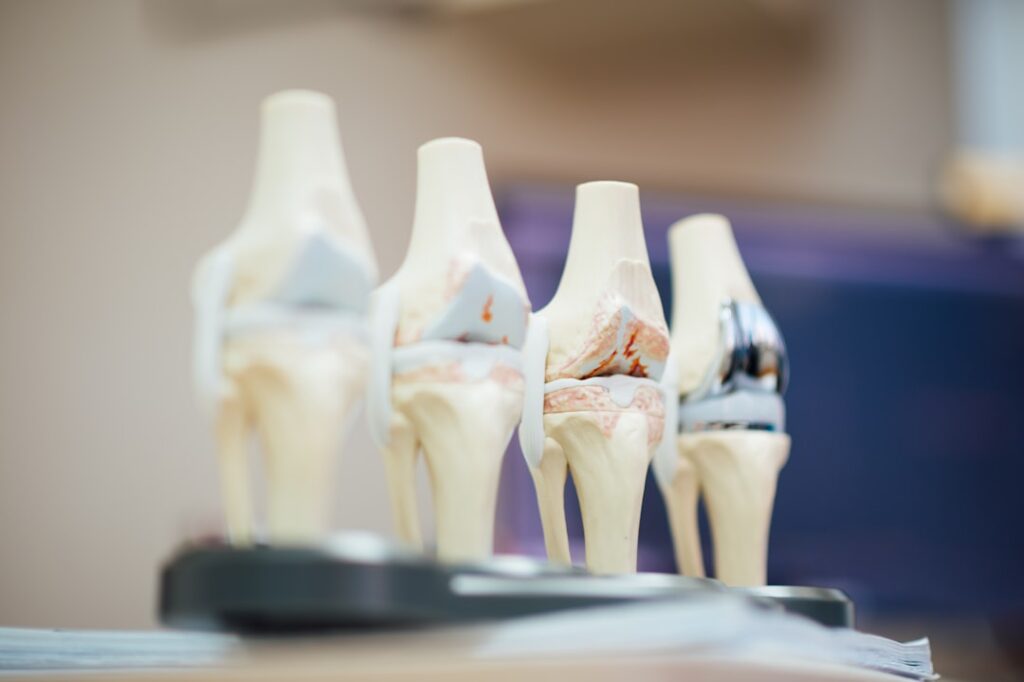
Osteoarthritis is the most common form of arthritis and one of the leading causes of disability worldwide. In the United States, tens of millions of adults live with it – the CDC has estimated more than 32 million US adults are affected – and global estimates from the Global Burden of Disease project put the worldwide figure in the hundreds of millions, a number climbing as populations age and obesity rises. Often dismissed as simple “wear and tear,” osteoarthritis is actually a complex disease involving the breakdown of cartilage, inflammation, and changes to the entire joint structure. While there is no cure, understanding the condition opens the door to treatments that can significantly reduce pain and keep you moving. For more on chronic conditions affecting Americans, visit our medical conditions guide.
The essentials: Osteoarthritis (OA) is a whole-joint disease, not just “worn-out cartilage.” There is no proven cure and no supplement reliably reverses it, so the goal is to control pain and protect function. The most effective treatments are the least glamorous: regular exercise, weight management if needed, and physical therapy come first in every major guideline. Medications – topical or oral NSAIDs, duloxetine, and joint injections – can help but should be guided by a clinician because of real side-effect risks, and opioids are discouraged. When advanced hip or knee OA no longer responds to conservative care, joint replacement is one of the most successful operations in all of medicine. This article is general education, not medical advice.
See a doctor promptly – do not assume it is “just arthritis” – if a joint becomes suddenly hot, red, and swollen with fever or feeling unwell. That can signal a septic (infected) joint, a medical emergency that needs same-day evaluation, often in an emergency room, because infection can destroy a joint within days. Also seek urgent care for a sudden inability to bear weight on a joint, a joint that gives way or locks, severe pain after a fall or injury, or new numbness, tingling, or weakness in a limb. These are not typical osteoarthritis and warrant prompt assessment.
What Is Osteoarthritis?
Osteoarthritis (OA) is a degenerative joint disease in which the cartilage that cushions the ends of your bones gradually breaks down. Cartilage is a firm, slippery tissue that allows nearly frictionless joint motion. When it deteriorates, bones begin to rub against each other, causing pain, swelling, stiffness, and reduced range of motion.
But OA is more than just cartilage loss. Research over the past two decades has revealed that the entire joint is affected – the underlying bone thickens and develops spurs (osteophytes), the synovial membrane lining the joint becomes inflamed, ligaments and tendons weaken, and the muscles supporting the joint can atrophy. The National Institute of Arthritis and Musculoskeletal and Skin Diseases (NIAMS) now describes OA as a disease of the whole joint, not just the cartilage. Low-grade inflammation is increasingly recognized as part of the process, which is one reason the older “wear and tear” label is misleading – OA is an active biological disease, not simply mechanical erosion.
OA most commonly affects the knees, hips, hands (particularly the base of the thumb and the finger joints), spine, and feet. It typically develops gradually over years and worsens with time, though the rate of progression varies enormously from person to person. Some people have minimal symptoms despite significant cartilage loss on imaging, while others experience severe pain with only mild structural changes. Because OA differs fundamentally from inflammatory types of arthritis, it is worth understanding how it compares with our rheumatoid arthritis guide.
Causes and Risk Factors
OA results from a combination of mechanical stress, biological processes, and genetic susceptibility. The most significant risk factors include age (prevalence increases sharply after 50), obesity (excess weight puts extraordinary stress on weight-bearing joints – every pound of body weight translates to roughly four pounds of force on the knee, and fat tissue also releases inflammatory signals that may harm joints), and prior joint injury (a torn meniscus, ACL rupture, or fracture involving the joint surface significantly increases future OA risk, sometimes called post-traumatic OA).
Genetics play a meaningful role, particularly in hand OA. If your parents or siblings have osteoarthritis, your risk is higher. Sex matters too – women are more likely than men to develop OA, particularly after menopause, suggesting hormonal influences. Joint malalignment (such as bowlegs or knock knees) alters weight distribution across the joint and accelerates cartilage breakdown on the overloaded side.
Occupations that involve repetitive joint loading – kneeling, squatting, heavy lifting, or prolonged standing – increase the risk of OA in the affected joints. Athletes in high-impact sports (running, soccer, football) have higher rates of knee and hip OA, though moderate, regular exercise actually protects joints and is not itself a cause of OA in healthy joints. According to the Mayo Clinic, metabolic factors – including diabetes and high cholesterol – may also contribute to OA through inflammation and altered joint metabolism.
Recognizing the Symptoms
The hallmark symptoms of osteoarthritis are pain, stiffness, and decreased function in the affected joint. Pain typically worsens with activity and improves with rest, though as the disease progresses, pain may persist even at rest or during the night. Morning stiffness is common but usually lasts less than 30 minutes (unlike rheumatoid arthritis, where morning stiffness often lasts longer and tends to affect joints symmetrically).
You may notice a grating or crunching sensation (crepitus) when you move the joint, swelling around the joint (particularly after activity), and reduced range of motion. In hand OA, bony enlargements can develop on the finger joints – Heberden’s nodes at the fingertips and Bouchard’s nodes at the middle joints. These are visible and palpable, though not always painful. Thumb-base (first carpometacarpal) OA is especially common and can make gripping, pinching, and opening jars difficult.
Knee OA may cause a sensation of the knee “giving way” or buckling, which results from weakened quadriceps muscles and joint instability. Hip OA often causes pain in the groin or front of the thigh, sometimes radiating to the buttock or knee – which can lead to misdiagnosis if the hip isn’t specifically examined. Spinal OA can cause back or neck pain and, in severe cases, nerve compression symptoms like numbness, tingling, or weakness in the arms or legs. Symptoms often flare and settle rather than progressing in a straight line, so a bad week does not necessarily mean the joint is rapidly deteriorating.
Diagnosis
Diagnosis is primarily clinical – based on your symptoms, medical history, and physical examination. Your doctor will assess the affected joints for tenderness, swelling, range of motion, and crepitus. X-rays are the standard imaging tool and can show joint space narrowing (indicating cartilage loss), osteophytes, bone cysts, and subchondral sclerosis (thickening of the bone beneath the cartilage).
MRI is generally not needed for diagnosis but may be used when the diagnosis is uncertain or to evaluate for other conditions like meniscal tears. Blood tests are typically normal in OA – they’re ordered primarily to rule out other types of arthritis, such as rheumatoid arthritis or gout. The Cleveland Clinic and other authorities note that there is often a disconnect between the severity of X-ray findings and the level of pain a patient experiences – treatment is guided by symptoms and function, not imaging alone. Ordering an MRI for typical knee OA rarely changes management and can lead to unnecessary interventions.
Joint fluid analysis (arthrocentesis) may be performed if the joint is swollen, to rule out infection or crystal-related arthritis (gout or pseudogout). In OA, the joint fluid is typically clear and only mildly inflammatory. A sudden, very hot and swollen joint – especially with fever – should prompt this test urgently to exclude infection, as described in the warning box above.
Non-Pharmacological Treatment
Exercise
Exercise is consistently rated as the single most important non-drug treatment for OA by every major guideline, including those from the American College of Rheumatology/Arthritis Foundation and OARSI. It reduces pain, improves function, strengthens the muscles that support and stabilize the joint, and helps maintain range of motion. The NIAMS recommends a combination of strengthening exercises (particularly quadriceps strengthening for knee OA), aerobic exercise (walking, swimming, cycling), and flexibility/range-of-motion exercises.
Many people with OA avoid exercise because they fear it will worsen their joints. The opposite is true for appropriate exercise – it nourishes cartilage (which gets its nutrients from joint fluid that is circulated by movement), reduces stiffness, and improves pain over time. Low-impact activities like swimming, water aerobics, cycling, and walking are generally well-tolerated. A physical therapist can help you develop a safe, individualized program; if cost is a concern, our guide on physical therapy costs can help you plan. Consistency matters more than intensity – a little movement most days beats occasional strenuous effort.
Weight Management
For people with knee or hip OA who are overweight, weight loss is one of the most effective interventions available. Research summarized by major arthritis organizations has found that losing a meaningful percentage of body weight can substantially reduce knee pain and improve function, with larger losses generally producing larger benefits. The biomechanical explanation is straightforward: reducing your weight by one pound removes roughly four pounds of pressure from your knees with every step. Weight loss also lowers the inflammatory signals produced by excess fat tissue. Even a 5-to-10 percent reduction can make a noticeable difference, and combining weight loss with exercise works better than either alone.
Other Non-Drug Approaches
Assistive devices – knee braces, shoe inserts, canes (used in the opposite hand from the affected knee or hip), and ergonomic tools – can reduce joint stress and improve function. Heat therapy eases stiffness, while cold therapy can reduce acute swelling and pain. Topical treatments like capsaicin cream and menthol-based rubs provide temporary relief for some people.
Acupuncture has shown modest and somewhat mixed benefit for OA pain in clinical trials. Tai chi and yoga have demonstrated improvements in pain, balance, and function for people with knee and hip OA, and tai chi in particular is specifically recommended in current guidelines. Cognitive behavioral therapy can help manage the psychological impact of chronic pain and improve coping strategies. Good sleep and pacing of activities also play an underrated role in how much pain interferes with daily life.
Medications for Osteoarthritis
Topical NSAIDs (such as diclofenac gel) are now recommended as a first-choice medication for knee and hand OA in many guidelines because they provide localized relief with fewer systemic side effects than pills. Oral NSAIDs (ibuprofen, naproxen) are effective for OA pain and inflammation but carry risks of gastrointestinal bleeding, kidney problems, high blood pressure, and cardiovascular events, particularly with long-term or high-dose use and in older adults – which is why the dose and duration should be guided by your clinician. Acetaminophen (Tylenol) is often tried for mild pain but has limited effectiveness for OA according to recent evidence, and daily totals matter for liver safety.
Duloxetine (Cymbalta), an antidepressant that also modifies pain processing, is FDA-approved for chronic musculoskeletal pain including OA and can be helpful when other options are insufficient. Corticosteroid injections directly into the affected joint can provide short-term pain relief (typically weeks to a few months) and are useful for flare-ups, though they should not be repeated too frequently; some studies have raised questions about whether frequent steroid injections may accelerate cartilage loss over time, so their role is individualized.
This article deliberately does not list specific milligram doses or schedules, because the safe amount depends on your age, kidney and heart health, other medicines, and the specific drug – and self-dosing NSAIDs is a common cause of avoidable harm. Hyaluronic acid injections (viscosupplementation) are available for knee OA and aim to supplement the joint’s natural lubricating fluid, but their effectiveness is debated – clinical trials show modest average effects, and some guidelines no longer routinely recommend them. The Mayo Clinic notes that opioids should be avoided for OA management whenever possible due to their risks and lack of proven long-term benefit for this condition.
What About Supplements?
Many people ask about glucosamine, chondroitin, turmeric/curcumin, collagen, and similar supplements. The honest answer is that the evidence is mixed and generally modest at best. Large trials of glucosamine and chondroitin have shown results no better than placebo for many patients, though a subset report some relief. Current guidelines from the American College of Rheumatology and OARSI do not strongly recommend these supplements, and none has been shown to regrow cartilage or halt disease progression. Because supplements are loosely regulated, product quality varies, and some can interact with medications. If you want to try one, it is reasonable to discuss it with your clinician, set a time limit to judge whether it actually helps, and be skeptical of any product marketed as a “cure” for arthritis.
Surgical Options
When conservative treatments no longer adequately control symptoms, surgical options may be considered. Total joint replacement (arthroplasty) is the most definitive surgical treatment and one of the most successful procedures in all of medicine. Hip and knee replacements have high success rates – the great majority of patients experience dramatic pain relief and improved function, and modern implants commonly last 15-25 years or more.
According to the American Academy of Orthopaedic Surgeons, more than a million hip and knee replacements are performed annually in the United States, and that number is expected to keep rising as the population ages. The decision to proceed with joint replacement is based on pain severity, functional limitation, sleep disturbance, and failure of conservative treatments – not on X-ray appearance alone. Because these are major operations with real costs and recovery time, it helps to understand the costs associated with joint surgery as part of planning.
Arthroscopy (keyhole surgery to clean out the joint) is no longer recommended for routine knee OA, as multiple high-quality studies have shown it provides no meaningful benefit over sham surgery or physical therapy – though arthroscopy may still be appropriate for specific mechanical problems like a locking meniscal tear. Osteotomy (cutting and realigning bone to shift weight away from the damaged area) may be appropriate for younger patients with OA confined to one side of the knee. Partial (unicompartmental) knee replacement replaces only the damaged compartment and may be suitable for selected patients with a faster recovery than total replacement.
Emerging Treatments
Research into new OA treatments is active. Platelet-rich plasma (PRP) injections use concentrated growth factors from your own blood to potentially reduce inflammation – some studies suggest benefit for knee OA, but results are inconsistent, insurance rarely covers it, and long-term data is still accumulating. Stem cell and other “regenerative” therapies remain investigational, and the FDA has repeatedly warned consumers about unproven stem cell clinics making misleading claims and charging thousands of dollars out of pocket.
Disease-modifying osteoarthritis drugs (DMOADs) – medications that could slow or halt cartilage destruction rather than just treating symptoms – remain the holy grail of OA research. Several candidates targeting inflammation, cartilage metabolism, and bone remodeling are in clinical trials, but as of 2026 none has been approved for this purpose in the United States. Researchers are also exploring nerve growth factor inhibitors, which block pain signals from the joint; these have shown pain benefits in trials but raised concerns about accelerating joint damage in some patients, which has slowed their path to approval. Promising as these are, they are not yet part of standard care, and patients should be wary of clinics offering them as proven cures.
Frequently Asked Questions
Does cracking your knuckles cause osteoarthritis?
No. Multiple studies, including well-known long-term research, have found no association between habitual knuckle cracking and the development of OA in the hands. The cracking sound is caused by gas bubbles collapsing in the joint fluid, not by damage to the cartilage.
Is osteoarthritis the same as rheumatoid arthritis?
No. Osteoarthritis is a degenerative condition driven by cartilage breakdown, mechanical stress, and local inflammation. Rheumatoid arthritis is an autoimmune disease in which the immune system attacks the joint lining (synovium), causing widespread inflammation. RA typically affects joints symmetrically, often starts in smaller joints, features prolonged morning stiffness, and involves systemic symptoms like fatigue and low-grade fever. The treatments differ significantly – RA often requires disease-modifying immune drugs. See our rheumatoid arthritis guide for more.
Can osteoarthritis be cured or reversed?
There is currently no cure, and no treatment or supplement has been proven to reliably regrow lost cartilage or reverse the disease. However, symptoms can often be controlled well for years with exercise, weight management, appropriate medications, and – when needed – joint replacement. Be cautious of any product or clinic claiming to “cure” or “reverse” arthritis.
Can osteoarthritis be prevented?
You can’t eliminate the risk entirely, especially since age and genetics play major roles. However, you can meaningfully reduce your risk by maintaining a healthy weight, staying physically active, avoiding joint injuries (using proper technique in sports and work), and treating joint injuries promptly and completely when they occur. Strengthening the muscles around vulnerable joints provides protective support.
Should I exercise with osteoarthritis?
Yes. Exercise is one of the most effective treatments for OA. The key is choosing appropriate activities and progressing gradually. Low-impact exercises like walking, swimming, cycling, and tai chi are generally well-tolerated. Start slowly, listen to your body, and work with a physical therapist if you’re unsure where to begin. Some mild discomfort during or after exercise is normal, but significant or lasting pain suggests you should modify your approach.
When is it time to consider joint replacement?
There’s no strict threshold, but joint replacement is generally considered when OA pain significantly limits your daily activities, disturbs your sleep, and persists despite adequate conservative treatment (exercise, weight management, medications, and injections where appropriate). Your orthopedic surgeon will discuss the benefits, risks, and expected outcomes based on your health and goals.
Staying Active With Osteoarthritis
Living well with osteoarthritis means becoming an active participant in your care. Build a daily movement routine that includes strengthening, flexibility, and aerobic exercise – even on days when your joints ache. Protect your joints with smart body mechanics: use your largest, strongest joints for heavy tasks, take breaks during repetitive activities, and don’t hesitate to use assistive devices when they help.
Work with your healthcare team to find the right combination of treatments for your situation. What works changes over time – a strategy that controlled your symptoms five years ago may need updating. Stay engaged with your doctor, physical therapist, and any specialists involved in your care. OA is a marathon, not a sprint, and pacing yourself while staying consistently active is the best approach science has to offer.
Medical disclaimer: This article is general education, not medical advice, and is not a substitute for care from a qualified clinician. Osteoarthritis treatment should be individualized. Do not start, stop, or change any medicine on your own, and do not rely on a dose you read online – NSAIDs and other drugs carry real risks. Seek prompt care for a hot, swollen joint with fever or a sudden inability to bear weight.
Sources
- Centers for Disease Control and Prevention (CDC) – Osteoarthritis and Arthritis Basics
- National Institute of Arthritis and Musculoskeletal and Skin Diseases (NIAMS) – Osteoarthritis
- Mayo Clinic – Osteoarthritis: symptoms, causes, diagnosis, and treatment
- American College of Rheumatology / Arthritis Foundation – Guideline for the Management of Osteoarthritis of the Hand, Hip, and Knee
- Osteoarthritis Research Society International (OARSI) – Guidelines for the Non-Surgical Management of Knee, Hip, and Polyarticular OA
- American Academy of Orthopaedic Surgeons (AAOS) – OrthoInfo: Osteoarthritis and Joint Replacement
- Cleveland Clinic – Osteoarthritis