
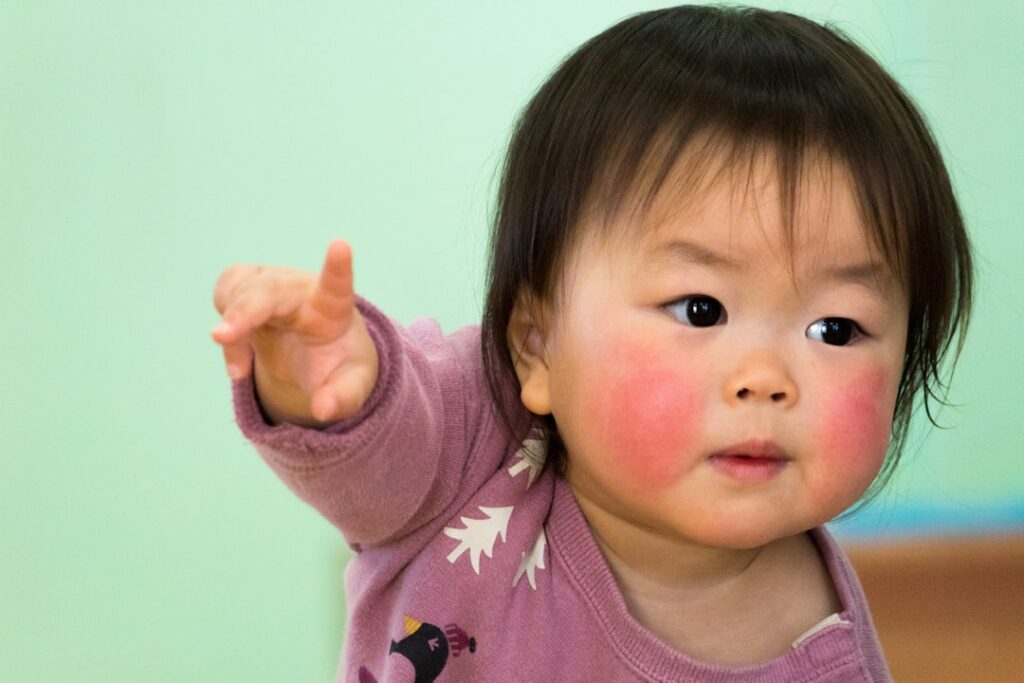
- Hand, foot, and mouth disease (HFMD) is a contagious viral infection, usually caused by coxsackievirus; adults can catch it, most often from young children.
- Adult symptoms include fever, sore throat, painful mouth sores, and a blistering rash on the hands and feet (sometimes buttocks, genitals, or elsewhere); some adults have mild or no symptoms.
- Care is supportive: fluids, rest, soft foods, and over-the-counter pain relief; do not give aspirin to children or teens, and check labels for anyone.
- See a doctor for dehydration (unable to drink because of mouth pain), a high or persistent fever, worsening symptoms, or signs of a skin infection.
- Seek urgent or emergency care for severe headache, neck stiffness, or confusion (possible meningitis) or any neurological symptoms; pregnant and immunocompromised people should contact their clinician promptly.
- This is general information, not a diagnosis; when you are unsure or symptoms are severe, contact a healthcare professional.
The symptoms of hand foot and mouth in adults are often more noticeable and longer-lasting than many people expect, since this illness is widely thought of as a childhood disease. Hand, foot, and mouth disease (HFMD) is a contagious viral infection most commonly caused by coxsackievirus (often coxsackievirus A16) and, less commonly, enterovirus 71. It predominantly affects children under five, but adults can and do contract it. In many adults the illness is mild or even without symptoms, yet in others the symptoms of hand foot and mouth in adults can be surprisingly uncomfortable and disruptive.
If you have developed a sudden onset of painful mouth sores, a blistering rash on your hands or feet, and flu-like symptoms — especially after close contact with young children who have the infection — hand, foot, and mouth disease may be the cause. This guide covers what adults need to know about recognizing, managing, and recovering from HFMD, and, importantly, when to seek medical care. It is general educational information, not a diagnosis or medical advice; if you are unsure what is causing your symptoms, contact a healthcare professional.
What Is Hand, Foot, and Mouth Disease?
Hand, foot, and mouth disease is a viral illness caused by enteroviruses, most commonly coxsackievirus A16 in the United States. According to the Centers for Disease Control and Prevention, HFMD spreads through close personal contact, respiratory droplets from coughing or sneezing, contact with fluid from blisters, contact with an infected person’s stool, and contact with contaminated surfaces or objects.
The disease is most common in summer and early fall in temperate climates and tends to circulate in daycare settings, schools, and households with young children. Adults most often catch the virus from their own children, though outbreaks can occur in any setting where people are in close contact. HFMD in children is usually mild and self-limiting; the adult experience is variable, ranging from no symptoms at all to a more intense illness with larger blisters, more pain, and a longer recovery.
It is worth understanding that while HFMD is usually not dangerous for otherwise healthy adults, it can be uncomfortable enough to interfere with eating, sleeping, and work, and it occasionally causes complications that warrant medical attention. For a broader look at infectious and other conditions, visit our medical conditions guide.
Early Symptoms Before the Rash Appears
HFMD in adults typically begins with a prodromal phase — a period of general illness before the characteristic sores and rash develop. This phase usually lasts one to two days.
Fever: A low-grade to moderate fever is often the first symptom, commonly in the range of about 100 to 102 degrees Fahrenheit. In some adults the fever runs higher. It typically lasts a couple of days and may come with chills.
Sore throat: A painful sore throat often develops early, sometimes before any visible sores appear. Swallowing may become uncomfortable, and the throat can feel raw and irritated.
Malaise and fatigue: A general feeling of being unwell — fatigue, body aches, and decreased appetite — is common during the early phase. Many adults describe feeling like they have the flu before the distinctive symptoms emerge. Headache and irritability may also be present.
The Characteristic Rash and Sores
The hallmark symptoms of hand foot and mouth in adults usually appear within one to two days after the initial illness phase and are what give the disease its name.
Mouth sores (enanthem): Painful sores develop inside the mouth, typically on the tongue, gums, inner cheeks, and the roof of the mouth. They often begin as small red spots that blister and then become painful ulcers. The mouth sores are frequently the most distressing symptom because they can make eating, drinking, and even talking painful. According to the Mayo Clinic, mouth sores commonly appear a day or two after the fever begins.
Hand and foot rash (exanthem): A rash of flat or raised red spots, often with blisters, develops on the palms of the hands and soles of the feet. In some adults the blisters are larger and more numerous than those typically seen in children. The rash may also appear on the fingers, toes, and around the fingernails and toenails.
Additional rash locations: Although the classic distribution is the hands, feet, and mouth, adults may also develop the rash on the buttocks, knees, elbows, and the genital area. Some adults experience a more widespread rash than is typical in children. The spots are usually not itchy in adults but can be tender.
Symptoms That May Be More Severe in Adults
Although the same viruses cause HFMD regardless of age, adults sometimes experience certain aspects of the illness more intensely.
More painful blisters: Some adults report that the blisters on the hands and feet are more painful than what children typically experience. The pain can make it hard to grip objects, walk comfortably, or wear shoes; blisters on the soles of the feet can be particularly debilitating.
Dehydration risk: Because mouth sores can be severe, keeping up adequate fluid intake can be challenging, and dehydration becomes a real risk when swallowing is very painful. This is one of the more common reasons an adult with HFMD needs medical attention. Cold fluids, ice chips, and clinician-recommended numbing rinses can help.
Nail changes: A notable, later effect that can occur weeks after the acute illness is onychomadesis, in which the fingernails or toenails peel or fall off. Research indexed in the National Library of Medicine has documented this post-HFMD phenomenon. While alarming, the nails typically regrow normally over the following months.
Skin peeling: After the blisters resolve, some adults experience peeling of the skin on the hands and feet. This is usually part of normal healing and resolves within a few weeks.
How Long Does HFMD Last in Adults?
The overall course of hand, foot, and mouth disease in adults tends to follow a predictable timeline, though individual experiences vary.
The incubation period (time from exposure to first symptoms) is usually about three to six days. The prodromal phase with fever and sore throat lasts one to two days. The rash and mouth sores typically appear over the next one to two days and peak around days three to five. Most adults start to feel significantly better within seven to ten days, though some symptoms can linger longer.
The mouth sores usually heal within one to two weeks. The hand and foot blisters may take slightly longer to fully resolve. Fatigue and malaise can persist for a while in some adults even after the visible symptoms clear. A person is generally most contagious during the first week of illness, but the virus can be shed in stool for weeks after recovery, which is why hand hygiene remains important even once you feel better.
When to See a Doctor
Most cases of HFMD in adults can be managed at home with supportive care. However, you should contact a doctor if any of the following apply:
- You cannot drink enough fluids because of mouth pain, or you have signs of dehydration such as very dark urine, urinating much less than usual, dizziness, or a dry mouth.
- Your fever is high, persists beyond about three days, or keeps climbing.
- Your symptoms worsen rather than improve after five to seven days.
- You develop signs of a secondary bacterial skin infection, such as spreading redness, warmth, swelling, or pus around the blisters.
- You are pregnant — contact your clinician, because HFMD during pregnancy, particularly near your due date, can pose a risk to the newborn.
- You have a weakened immune system (from illness or medication), which raises the risk of a more severe course — seek evaluation promptly.
Seek urgent or emergency care if you experience severe headache, a stiff neck, sensitivity to light, persistent vomiting, confusion, seizures, weakness, or difficulty staying awake — these can be signs of viral meningitis or encephalitis, rare but serious complications of enterovirus infection. Also seek emergency care for any difficulty breathing, chest pain, or signs of severe dehydration. When in doubt, err on the side of being evaluated. In a medical emergency, call 911.
Prevention and Home Care
Preventing the spread of HFMD centers on good hygiene. Frequent handwashing with soap and water — especially after using the bathroom, after diaper changes, and before preparing food — is the most effective preventive measure. Disinfecting frequently touched surfaces and shared objects and avoiding close contact with infected people also reduce transmission.
For symptom relief at home, over-the-counter pain relievers such as acetaminophen or ibuprofen can help with fever and pain when used as directed on the label. Do not give aspirin to children or teenagers, because aspirin use during a viral illness is associated with Reye’s syndrome, a rare but serious condition; adults should also check medication labels and talk to a pharmacist or clinician if unsure, especially with other health conditions or medications. Clinician-recommended topical oral numbing agents can ease mouth-sore discomfort. Drinking cold fluids, eating soft foods, and avoiding acidic, salty, or spicy foods can make eating and drinking more tolerable. Staying hydrated is the top priority throughout the illness.
Frequently Asked Questions
Can adults get hand, foot, and mouth disease more than once?
Yes. Adults can get HFMD more than once because several different enteroviruses can cause it, and immunity to one strain does not fully protect against others. Repeat infections are often milder because the immune system has some cross-reactive protection, but this is not guaranteed.
Is hand, foot, and mouth disease dangerous for adults?
For most healthy adults, HFMD is uncomfortable rather than dangerous, and the main concerns are pain, dehydration from mouth sores, and missed time from work. Serious complications such as viral meningitis, encephalitis, or myocarditis are rare but can occur, particularly with enterovirus 71. Pregnant people and those with weakened immune systems should take the infection more seriously and contact a clinician.
How do adults catch hand, foot, and mouth disease?
Adults most commonly catch HFMD through close contact with infected children, often their own. The virus spreads through respiratory droplets, direct contact with blister fluid, contact with stool (for example, during diaper changes), and touching contaminated surfaces. Parents of young children, daycare workers, and teachers are at higher risk.
Should I go to work with hand, foot, and mouth disease?
It is generally advisable to stay home during the acute phase, particularly while you have a fever and while blisters are present and weeping, since you are most contagious during the first week. Check with your employer about their policies; workplaces involving food handling, healthcare, or childcare may have specific rules about returning after a contagious illness.
Key Takeaways
The symptoms of hand foot and mouth in adults include fever, sore throat, painful mouth ulcers, and a blistering rash on the hands, feet, and sometimes other areas such as the buttocks or genitals — though some adults have mild or no symptoms. While typically self-limiting, the illness can be more painful and longer-lasting in adults than the childhood reputation suggests. Management focuses on symptom relief, hydration, and preventing spread. Do not give aspirin to children or teens during a viral illness. Most adults recover fully within seven to ten days, though fatigue and nail changes may persist longer. Get medical care if you cannot stay hydrated, your fever is high or persistent, or you develop warning signs such as severe headache, neck stiffness, or confusion. For more health information, visit our medical conditions guide.
This article is general educational information, not medical advice, diagnosis, or treatment. Hand, foot, and mouth disease is usually mild and self-limiting in adults, but individual cases vary. Do not give aspirin to children or teenagers during a viral illness. See a clinician if you cannot stay hydrated because of mouth pain, if your fever is high or persistent, if symptoms worsen, or if you are pregnant or immunocompromised. Seek urgent care for severe headache, neck stiffness, confusion, or other neurological symptoms.
Call 911 or go to an emergency department for severe headache with a stiff neck, confusion, seizures, trouble breathing, chest pain, or signs of severe dehydration (fainting, very little or no urine, extreme weakness). These can signal a serious complication and need immediate evaluation.
Sources
- Centers for Disease Control and Prevention (CDC) — Hand, Foot, and Mouth Disease: causes, symptoms, transmission, and prevention (cdc.gov)
- Mayo Clinic — Hand-foot-and-mouth disease: symptoms and causes
- MedlinePlus (U.S. National Library of Medicine) — hand, foot, and mouth disease and enterovirus infections
- NIH / National Library of Medicine (PMC) — onychomadesis (nail shedding) following hand, foot, and mouth disease