
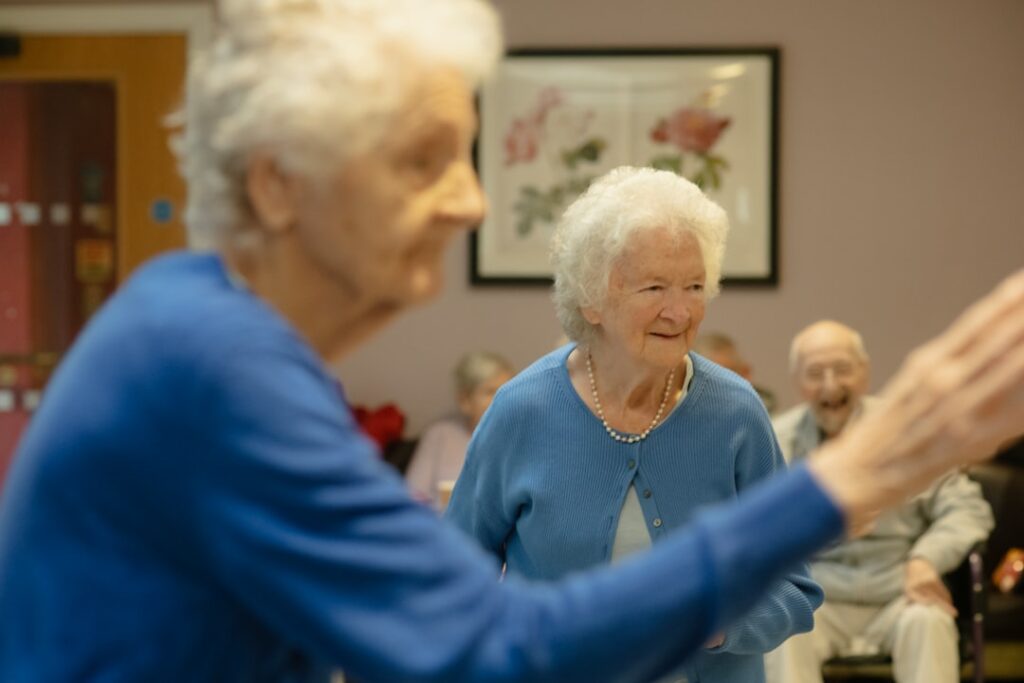
Roughly one million Americans are living with Parkinson’s disease, a number projected to climb toward an estimated 1.2 million by 2030, according to the Parkinson’s Foundation, with recent research estimating on the order of 90,000 new US diagnoses each year. While medications such as carbidopa/levodopa remain the cornerstone of treatment, what you do between doctor visits — how you move, eat, sleep, and manage daily tasks — profoundly influences your quality of life. Parkinson’s disease self-care is not a substitute for medical treatment; it is what turns a good treatment plan into daily, livable function. For a broader look at proactive health strategies, visit our preventive health and wellness guide.
The strategies below are meant to work alongside medical treatment, not instead of it. Keep seeing your neurologist and care team, and take your Parkinson’s medications exactly as prescribed. Do not skip, adjust, or suddenly stop any medicine on your own — carbidopa/levodopa timing is critical, and abruptly stopping some Parkinson’s medications can be dangerous. If there is one self-care intervention with overwhelming evidence behind it, it is regular exercise. This article is general education, not medical advice; individualize everything with your clinician.
Understanding Parkinson’s and Why Self-Care Matters
Parkinson’s disease is a progressive neurological condition caused by the loss of dopamine-producing neurons in the brain’s substantia nigra. The hallmark motor symptoms — tremor, rigidity, bradykinesia (slowness of movement), and postural instability — are what most people associate with Parkinson’s. But the disease also causes a wide range of non-motor symptoms including depression, anxiety, sleep disturbances, constipation, cognitive changes, loss of smell, and fatigue that can be equally disabling.
Medication manages many of these symptoms, but its effectiveness fluctuates throughout the day, and self-care strategies help fill the gaps. Guidance from the National Institute of Neurological Disorders and Stroke and the Parkinson’s Foundation consistently points to regular exercise, good nutrition, quality sleep, and mental-health support as ways to maintain function and independence. Clinical research, including a well-known trial published in JAMA Neurology, has found that people who exercised at higher intensity showed less short-term motor decline than those who exercised lightly — part of a growing body of evidence that exercise is one of the most powerful tools available.
Exercise: The Most Powerful Self-Care Tool
If there is one self-care intervention with overwhelming evidence behind it for Parkinson’s, it is exercise. The Parkinson’s Foundation generally recommends about 150 minutes per week of moderate-to-vigorous physical activity, consistent with the Physical Activity Guidelines for Americans. Before starting or intensifying a program, check in with your clinician or a physical therapist — especially if you have balance problems or other health conditions.
Certain types of exercise appear particularly beneficial. High-intensity cycling programs (such as the “Pedaling for Parkinson’s” model) have shown improvements in motor function for many participants. Boxing-based fitness programs (Rock Steady Boxing is the best known) focus on agility, hand-eye coordination, and footwork while providing an intense cardio workout. Tai chi improves balance and reduces fall risk — a critical concern, since falls are a leading cause of injury-related hospitalization in Parkinson’s. Dance therapy, particularly Argentine tango, has demonstrated improvements in gait, balance, and mood in multiple clinical trials.
Strength training deserves equal emphasis. Muscle weakness and reduced muscle mass accelerate mobility loss in Parkinson’s. Two to three sessions per week targeting all major muscle groups — using body weight, resistance bands, or light weights — helps preserve the strength needed for daily activities like rising from a chair, climbing stairs, and carrying groceries.
Flexibility and stretching exercises combat the rigidity that characterizes Parkinson’s. Morning stretching routines can ease the stiffness that tends to peak on waking. Focus on the hip flexors, hamstrings, chest muscles, and shoulders — areas that commonly tighten and contribute to the stooped posture many people with Parkinson’s develop. A physical therapist trained in programs like LSVT BIG can tailor movements to your specific needs and monitor safety.
Medication Management and Timing
Self-care and medication work in tandem, not in opposition. Getting the most from your Parkinson’s medications requires careful attention to timing, food interactions, and consistency — but the specific doses and schedule are set by your prescriber, never adjusted on your own.
Levodopa (as in carbidopa/levodopa, brand names include Sinemet) is often most effective when taken on an empty stomach, roughly 30 to 60 minutes before meals or one to two hours after, because dietary protein can compete with levodopa for absorption in the small intestine. Some people find that redistributing protein — eating most of it at dinner while keeping breakfast and lunch lighter in protein — improves daytime symptom control. Discuss any such change with your clinician or a dietitian first, and do not alter your medication timing to accommodate it without guidance.
Keep a medication log that records when you take each dose and how your symptoms respond. This information is invaluable to your neurologist when fine-tuning treatment. A simple notebook, spreadsheet, or reputable tracking app works well. Note your “on” periods (when medication is working and movement is easier) and “off” periods (when it has worn off and symptoms return) — these patterns help your care team adjust the plan.
Never skip doses or change your medication schedule without consulting your neurologist. Consistent, on-time dosing is especially important for carbidopa/levodopa, and abruptly stopping certain Parkinson’s medications can trigger a dangerous reaction resembling neuroleptic malignant syndrome — high fever, severe muscle rigidity, and altered consciousness. If you are ever hospitalized or unable to take your medicines by mouth, tell the medical team that on-time Parkinson’s medication matters, as delays can cause serious “off” episodes.
Call 911 or go to the nearest emergency room for a sudden, severe worsening of symptoms; a high fever with muscle rigidity, confusion, or a racing heartbeat (which can signal a serious drug reaction such as a neuroleptic malignant-like or serotonin syndrome); choking or difficulty breathing while eating (aspiration); or a fall with a head injury, loss of consciousness, or suspected fracture. Also contact your clinician promptly for repeated falls, new or worsening swallowing problems, sudden confusion or hallucinations, or thoughts of self-harm (call or text 988, the Suicide & Crisis Lifeline). When in doubt, seek help — do not adjust or stop medications on your own.
Nutrition and Hydration Strategies
Good nutrition supports energy, medication effectiveness, and digestive health — all areas challenged by Parkinson’s. A Mediterranean-style diet rich in fruits, vegetables, whole grains, fish, and olive oil has been associated with slower disease progression in observational studies, though more research is needed to establish a direct causal link.
Constipation affects a large majority of people with Parkinson’s, often years before motor symptoms appear. Fiber is a first-line defense: many guidelines suggest roughly 25 to 35 grams daily from sources like beans, lentils, whole grains, berries, and leafy greens. Pair fiber with adequate hydration — commonly cited targets are around 48 to 64 ounces of water daily unless your clinician advises otherwise. Prune juice and ground flaxseed added to meals are gentle, well-tolerated options many people find helpful. If constipation is persistent or severe, ask your clinician before starting laxatives, as some interact with Parkinson’s care.
Swallowing difficulties (dysphagia) develop in many people with Parkinson’s as the disease progresses. Warning signs include coughing during meals, food feeling “stuck,” and frequent throat clearing. If you notice these, ask your doctor for a referral to a speech-language pathologist who can assess your swallowing and recommend safe techniques or texture changes. In the meantime, eat slowly, take small bites, sit upright during and for about 30 minutes after meals, and avoid talking while chewing — and treat any choking episode as urgent.
Bone health warrants attention because people with Parkinson’s face a higher risk of falls and fractures. Adequate calcium and vitamin D — through diet and, when recommended, supplementation — support bone strength; typical adult intake targets are widely published, but confirm the right amounts for you with your clinician rather than self-prescribing. The Mayo Clinic notes that bone-density (DEXA) screening is often appropriate for people with Parkinson’s, especially those with a history of falls.
Sleep Hygiene for Parkinson’s
Sleep disturbances affect the large majority of people with Parkinson’s, according to the National Institute of Neurological Disorders and Stroke. Common problems include insomnia, REM sleep behavior disorder (physically acting out dreams), restless legs syndrome, nocturia (frequent nighttime urination), and excessive daytime sleepiness.
Good sleep hygiene forms the foundation of managing these issues. Keep a consistent sleep-wake schedule, even on weekends. Keep the bedroom cool, dark, and quiet. Avoid caffeine after midday and limit alcohol, which fragments sleep. Stop screen use at least an hour before bed, since blue light suppresses melatonin. If daytime sleepiness is severe or you fall asleep suddenly, tell your neurologist — some Parkinson’s medications can contribute, and this affects driving safety.
For REM sleep behavior disorder — where you physically act out vivid dreams and may injure yourself or a bed partner — safety modifications are essential. Remove sharp objects and hard furniture near the bed, pad the floor beside it, and consider bed rails if movements are vigorous. Treatment options exist, but any medication (including over-the-counter melatonin or prescription options) should be chosen and dosed by your clinician rather than started on your own.
Nocturia can often be eased by limiting fluids in the two to three hours before bed, elevating the legs for a while in the evening to reduce fluid retention, and emptying the bladder twice before lying down (double voiding). If nighttime urgency persists, discuss it with your doctor rather than assuming it is unavoidable.
Adapting Your Home and Daily Routine
Small environmental changes can significantly improve safety and independence. Parkinson’s disease self-care extends to how you set up your living space, and fall prevention should be the top priority.
Remove loose rugs and floor clutter. Install grab bars in the bathroom near the toilet and inside the shower, and use a shower chair and handheld showerhead. Ensure good lighting throughout the house, especially in hallways, on stairs, and along the path between the bedroom and bathroom; motion-activated night lights help. Replace round doorknobs with lever handles, which are easier to operate with stiff hands. An occupational therapist can perform a home-safety assessment and recommend specific changes for your situation.
Dressing can become time-consuming. Swap buttons for magnetic closures or Velcro, choose pull-on pants with elastic waists, and use a long-handled shoehorn and elastic shoelaces to avoid bending over. Laying out clothes the night before, in the order you will put them on, conserves energy for what matters more.
In the kitchen, use adaptive utensils with built-up handles for easier grip, and place non-slip mats under cutting boards and plates. Electric can openers, jar openers, and rocker knives reduce the dexterity demands of food preparation. If tremor makes pouring difficult, use lightweight cups filled only halfway, and consider weighted or stabilizing utensils that dampen involuntary movements.
Mental Health and Emotional Well-Being
Depression affects roughly half of people with Parkinson’s, and anxiety a large share as well, according to the Parkinson’s Foundation. These are not simply emotional reactions to a chronic illness — they are driven in part by the same neurochemical changes that produce motor symptoms. Treating depression and anxiety is therefore a medical priority, not a luxury, and it is something to raise directly with your care team.
Cognitive behavioral therapy (CBT) has shown effectiveness for depression and anxiety in Parkinson’s, and many neurologists can refer you to a therapist experienced with neurological conditions. Support groups — in person or online — provide connection with others who understand the daily realities of living with Parkinson’s; the Parkinson’s Foundation maintains a directory. If you ever have thoughts of self-harm, call or text 988 (the Suicide & Crisis Lifeline) right away.
Cognitive changes, ranging from mild difficulty with multitasking and word-finding to Parkinson’s disease dementia in later stages, are a common concern. Mental engagement helps: puzzles, reading, learning new skills, and social interaction all stimulate cognitive function. Some research suggests the same exercise that helps motor symptoms may also support cognition, though the evidence is still developing.
Frequently Asked Questions
Can exercise actually slow Parkinson’s progression?
Evidence increasingly points in that direction. The SPARX trial published in JAMA Neurology found that higher-intensity treadmill exercise was associated with no significant short-term worsening of motor symptoms, while lower-intensity exercise showed continued decline; larger follow-up studies are ongoing. Exercise is not a cure, but it is currently the closest thing to a disease-modifying self-care strategy available — and it is safe for most people when started sensibly and, ideally, guided by a physical therapist.
Should I take my Parkinson’s medication with food?
It depends on the medication, and your prescriber’s instructions come first. Levodopa is often best absorbed on an empty stomach, but some people experience nausea when taking it without food; a small carbohydrate snack (such as crackers or a piece of fruit) can reduce nausea without greatly affecting absorption, while high-protein foods within an hour of levodopa can interfere. Other Parkinson’s medicines, such as dopamine agonists and MAO-B inhibitors, are generally less affected by food. Confirm the specifics with your clinician or pharmacist.
When should I consider occupational therapy?
Consider a referral to an occupational therapist (OT) when daily tasks become noticeably harder — dressing, cooking, handwriting, using a computer, or bathing. An OT can assess your specific challenges, recommend adaptive equipment, teach energy-conservation strategies, and help redesign your home environment. Early referral is better than waiting until independence is significantly compromised.
How can caregivers take care of themselves?
Caregiver burnout is real and common. Family caregivers often spend many hours each week on caregiving tasks, and their own health can quietly deteriorate. Maintain your own medical appointments, physical activity, and social connections; use respite-care services to take regular breaks; and join a caregiver support group — the Parkinson’s Foundation offers them specifically for care partners. You cannot provide good care if your own health is failing.
Building Your Parkinson’s Self-Care Routine
Start with the highest-impact changes first. If you are not exercising regularly, that is where to begin — even 20 minutes of walking three times a week is a meaningful start, ideally cleared with your clinician. Next, review your medication timing and protein distribution with your neurologist. Then tackle sleep hygiene, home-safety modifications, and nutrition one step at a time. Keep a daily journal that tracks motor function, mood, sleep quality, and exercise; patterns will emerge that help you and your care team make smarter decisions. Parkinson’s is a progressive disease, but how you live with it day to day is not predetermined — the choices you make between appointments matter enormously, and they work best in partnership with the professionals guiding your care.
Sources
- Parkinson’s Foundation — understanding Parkinson’s, exercise recommendations, and non-motor symptoms
- National Institute of Neurological Disorders and Stroke (NINDS) — Parkinson’s Disease information
- MedlinePlus (U.S. National Library of Medicine) — Parkinson’s Disease
- Mayo Clinic — Parkinson’s Disease diagnosis and management
- SPARX (Study in Parkinson Disease of Exercise), JAMA Neurology — high-intensity exercise and motor symptom progression (via PubMed)
This article is general education, not medical advice, and is not a substitute for care from a qualified clinician. Parkinson’s disease requires individualized treatment supervised by a doctor. Do not start, stop, or change any medication on your own, and do not use any dose you read online — carbidopa/levodopa timing is critical and abruptly stopping some medicines can be dangerous. Seek emergency care for sudden severe worsening, high fever with rigidity, choking, or a fall with injury.