
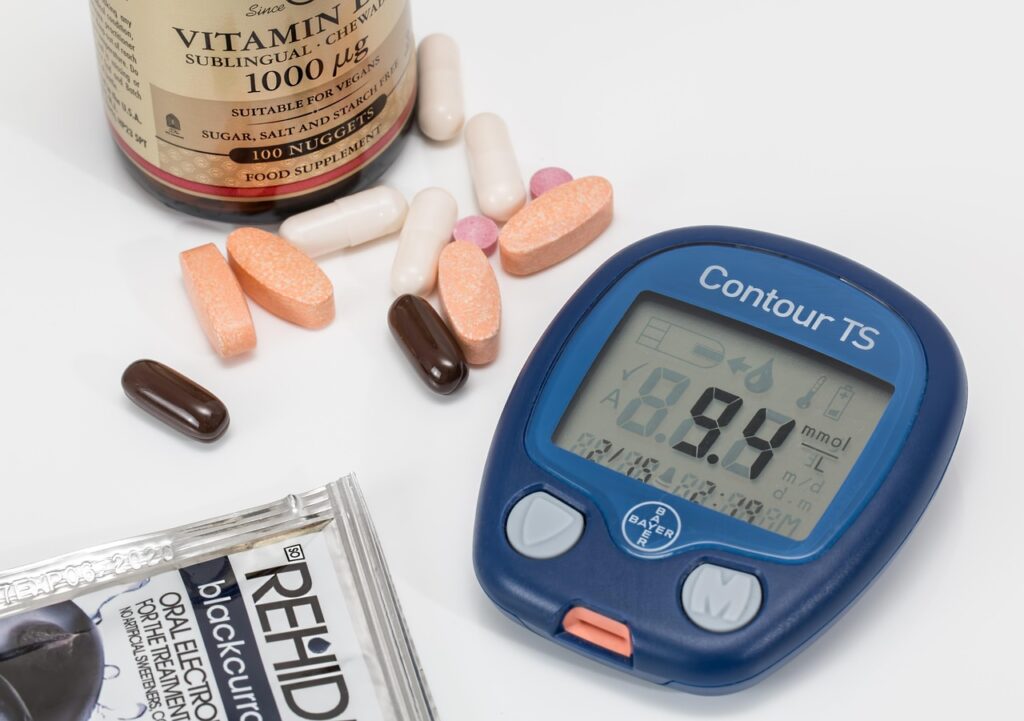
- Berberine is a dietary supplement, not an FDA-approved medicine — it is not approved to treat, cure, or prevent diabetes, high cholesterol, or any other disease.
- It is not "nature's Ozempic": berberine works very differently from prescription GLP-1 medicines like semaglutide, and the evidence for weight loss is limited and inconsistent.
- Grapefruit and Seville oranges can raise berberine levels through CYP3A4, and refined sugar and alcohol work against its blood-sugar and liver effects.
- Berberine can add to the blood-sugar-lowering effect of diabetes medicines (hypoglycemia risk), may raise levels of some drugs (including cyclosporine and statins), and may add to bleeding risk with blood thinners.
- Berberine is likely unsafe in pregnancy, while breastfeeding, and for infants — it is linked to a dangerous buildup of bilirubin (kernicterus) that can cause brain damage.
- Talk to your doctor or pharmacist before starting berberine, especially if you take prescription medicines, and verify current guidance.
Berberine has become one of the most talked-about supplements for blood sugar support, cholesterol, and gut health — and, more recently, for weight loss. Before you focus on which foods to avoid when taking berberine, it is worth being clear about one thing: berberine is a dietary supplement, not an FDA-approved medicine. It is not approved to treat, cure, or prevent diabetes, high cholesterol, or any other disease, and the quality of the research behind it is weaker than the marketing suggests. With that context, understanding the key dietary interactions can help you use berberine more sensibly, reduce gastrointestinal discomfort, and — most importantly — avoid combinations that could be genuinely risky. This wellness guide walks through the foods and drinks to be careful with, the real drug interactions, and what you can eat alongside it.
How Berberine Works in the Body
Berberine is an alkaloid found in plants like goldenseal, barberry, and Oregon grape. In laboratory and clinical studies it activates an enzyme called AMP-activated protein kinase (AMPK), which is involved in how cells use energy and regulate metabolism. Some studies have reported reductions in fasting blood glucose and LDL cholesterol in people who took berberine, and older individual trials suggested effects in the range sometimes compared to certain medications. However, the National Center for Complementary and Integrative Health (NCCIH) cautions that many of these studies were small, had a high risk of bias, and produced inconsistent results. In other words, berberine may do something, but the evidence is not strong enough to treat it like a proven therapy.
Berberine is metabolized in the liver through cytochrome P450 enzymes, particularly CYP3A4, and it can also inhibit several of these enzymes and drug transporters (like P-glycoprotein). That matters because it means berberine can change how your body handles other substances — including certain medications and compounds in food. Berberine also has relatively low oral bioavailability, meaning only a fraction of what you swallow is absorbed, so dietary choices can influence both absorption and side effects. If you take other medications affected by similar enzymes, our guide on foods to avoid when taking metformin covers related ground.
Is Berberine “Nature’s Ozempic”? Setting the Record Straight
You may have seen berberine marketed on social media as “nature’s Ozempic.” This comparison is misleading and worth debunking before anything else. Ozempic, Wegovy, and similar medicines are prescription GLP-1 receptor agonists (such as semaglutide) that mimic a specific gut hormone, are FDA-approved, and are supported by large clinical trials — including studies on weight and cardiovascular outcomes. Berberine is none of those things. It is a plant compound sold as a supplement, it works through a completely different mechanism (AMPK activation, not GLP-1 receptor stimulation), and the weight-loss evidence is limited and inconsistent. A 2022 research review cited by NCCIH did report decreases in weight and BMI among people taking more than 1 gram daily for at least eight weeks, but NCCIH stressed that the studies had a high risk of bias and inconsistent outcomes. Treating berberine as a like-for-like swap for a GLP-1 drug is not supported by the science, and it is not a cure for any condition.
High-Sugar and Refined Carbohydrate Foods
One of the main reasons people take berberine is to support healthy blood sugar. Eating a lot of high-sugar foods or refined carbohydrates while taking berberine works against that goal. White bread, pastries, sugary cereals, candy, soda, and fruit juices cause rapid blood glucose spikes, which undercuts any steadying effect you are hoping for.
There is also a safety angle. If berberine is lowering your blood sugar and you then experience a crash after a refined-carbohydrate load, some people can feel shaky, dizzy, irritable, or sweaty. The Mayo Clinic notes that reactive hypoglycemia can occur even in people without diabetes when blood sugar regulation is disrupted. This effect is far more important if you also take diabetes medication (see the interactions section below). Instead of refined carbs, pair berberine with meals built around complex carbohydrates like sweet potatoes, quinoa, or legumes, which release glucose more slowly.
Grapefruit and Grapefruit Juice
Grapefruit is one of the most important foods to avoid when taking berberine. Grapefruit contains furanocoumarins, compounds that inhibit the CYP3A4 enzyme in the gut and liver. Because berberine is metabolized by CYP3A4, eating grapefruit can increase the amount of berberine circulating in your bloodstream. That is not a “free boost” — higher berberine concentrations can mean more side effects, particularly gastrointestinal distress, and can theoretically intensify its blood-sugar- and blood-pressure-lowering effects.
According to the FDA, grapefruit interactions can persist for many hours to a day or more after consumption because furanocoumarins deactivate CYP3A4 enzymes and the body needs time to make new ones. Seville (sour) oranges, pomelos, and tangelos contain similar compounds and are best avoided too. Regular oranges, lemons, and limes are generally considered safe alternatives.
Alcohol
Alcohol interacts with berberine in more than one way. Both are processed by the liver, so combining them adds to the liver’s workload. Berberine can affect liver enzymes, and although some research has explored possible hepatoprotective properties, concurrent alcohol use may negate any such benefit and increase the risk of liver irritation.
Alcohol also disrupts blood sugar regulation. It can cause blood sugar to drop by impairing the liver’s ability to release glucose, and that effect combined with berberine’s glucose-lowering action can contribute to hypoglycemia — especially if you drink on an empty stomach or also take diabetes medicine. If you choose to drink occasionally while taking berberine, keep it modest, have it with food, and pay attention to how you feel. Avoid binge drinking entirely, and talk to your clinician if you have any liver condition.
High-Fat Meals
Very high-fat meals can delay gastric emptying and change how berberine is absorbed. A little fat in a meal is not a problem, but heavy, greasy meals — fast food, deep-fried dishes, or richly buttered plates — may slow digestion enough to alter when berberine enters the bloodstream. That can make the most common berberine complaints, such as nausea, bloating, and diarrhea, more pronounced.
NCCIH notes that gastrointestinal side effects — nausea, abdominal pain, bloating, constipation, or diarrhea — are among the most frequently reported issues with berberine. A moderate-sized meal with lean protein, vegetables, and a sensible amount of healthy fat (olive oil or avocado) tends to be better tolerated and supports steadier absorption than a very fatty meal.
Dairy and Calcium-Rich Foods Taken at the Same Time
Dairy is not strictly off-limits with berberine, but taking large amounts of calcium-rich food or a calcium supplement at the exact same time as your dose may reduce how much berberine is absorbed. Berberine can bind with divalent cations like calcium, which can lower the amount available in the gut. You do not need to eliminate dairy — simply separate your berberine dose from calcium-heavy meals or supplements by roughly one to two hours.
Yogurt, cheese, fortified plant milks, and calcium supplements are all worth spacing out from berberine. If you are curious whether certain dairy choices offer health advantages, our article on whether Greek yogurt is healthy provides helpful context.
Medication and Supplement Interactions to Take Seriously
The interactions that matter most are not with food at all — they are with medicines. This is why berberine is not a casual purchase if you take prescription drugs. Key concerns include:
- Diabetes medicines (additive blood-sugar lowering): Combining berberine with metformin, insulin, sulfonylureas, or other glucose-lowering drugs can push blood sugar too low, causing hypoglycemia. This needs medical supervision and possible dose adjustment by your prescriber — not a self-directed experiment.
- CYP enzyme and transporter interactions: Because berberine can inhibit CYP3A4 (and other enzymes) and P-glycoprotein, it may raise blood levels of some medications. NCCIH specifically notes an interaction with cyclosporine (used to prevent organ-transplant rejection). Berberine may also affect the levels of certain statins, some blood pressure medicines, and other CYP3A4 substrates — talk to a pharmacist about your specific list.
- Blood thinners and antiplatelet drugs: Berberine may add to bleeding risk when combined with anticoagulants such as warfarin or antiplatelet agents. Tell your clinician before combining them.
- Blood pressure medicines: Berberine may lower blood pressure, which can add to the effect of antihypertensive drugs and cause dizziness or lightheadedness.
- Other blood-sugar-lowering supplements: Stacking berberine with chromium, alpha-lipoic acid, or similar supplements can compound the hypoglycemia risk.
Because supplements are not regulated as strictly as prescription drugs, product quality and actual berberine content can vary between brands. Review your complete medication and supplement list with your doctor or pharmacist before starting.
Who Should Not Take Berberine
Some people should avoid berberine entirely. NCCIH warns that berberine exposure is linked to a harmful buildup of bilirubin in infants, which can cause brain damage (a condition called kernicterus). For that reason, berberine is likely unsafe for infants and is best avoided during pregnancy and while breastfeeding. If you are pregnant, trying to conceive, breastfeeding, or considering giving any supplement to a child, do not use berberine without first speaking to a qualified clinician.
What You Can Safely Eat with Berberine
Knowing what to eat is just as important as knowing what to avoid. Berberine generally pairs well with meals that include moderate protein, non-starchy vegetables, and complex carbohydrates. Chicken, fish, tofu, leafy greens, broccoli, brown rice, and legumes are all sensible choices. These foods provide steady energy without the blood sugar spikes that work against your goals.
Fiber-rich foods can complement berberine. Soluble fiber from oats, beans, and vegetables slows glucose absorption, working in the same general direction as berberine’s AMPK-related effects. Many people take berberine in divided doses with meals rather than all at once, which can improve tolerability and reduce GI side effects — but the right approach for you depends on your health and any medicines you take, so confirm it with your clinician. If you take other supplements alongside berberine, our guide on foods to avoid when taking levothyroxine covers additional spacing considerations.
Frequently Asked Questions
Can I drink coffee while taking berberine?
Moderate coffee is generally considered fine with berberine. However, caffeine can affect blood sugar and may amplify jitteriness. If you notice increased anxiety, palpitations, or GI upset when combining the two, cut back on coffee or space it at least an hour from your berberine.
Should I take berberine on an empty stomach or with food?
Most people tolerate berberine better with food. A meal with some protein and fiber can buffer the GI side effects that berberine commonly causes. Taking it on a completely empty stomach tends to increase nausea, cramping, and diarrhea for many users.
How long should I wait between eating grapefruit and taking berberine?
Because grapefruit’s enzyme-inhibiting effect can last a long time, spacing the two by just a few hours is not a reliable fix. The simplest approach is to avoid grapefruit and grapefruit juice while taking berberine.
Is berberine really the same as Ozempic?
No. Ozempic and similar medicines are prescription GLP-1 receptor agonists that are FDA-approved and backed by large clinical trials. Berberine is an unapproved dietary supplement with a different mechanism and much weaker, less consistent evidence. It is not a substitute for a prescribed medication, and you should never stop or replace a prescription with a supplement on your own.
Can berberine interact with my prescription medicines?
Yes. Berberine can add to the effect of diabetes and blood pressure medicines, may raise the levels of certain drugs (including cyclosporine and some statins), and may add to bleeding risk with blood thinners. Always review your full list with a doctor or pharmacist first.
What to Do Next
Using berberine sensibly means treating it as what it is — a supplement with modest, uncertain evidence, not a drug and not a cure. Avoid grapefruit and Seville oranges, cut back on refined sugars and processed carbohydrates, and limit or skip alcohol. Take berberine with balanced meals containing lean protein, complex carbs, and vegetables, and space calcium-rich foods an hour or two from your dose. If GI side effects persist, dividing the daily amount across meals may help. Most importantly, talk with your healthcare provider or pharmacist before starting berberine — especially if you take prescription medicines for blood sugar, blood pressure, cholesterol, or blood clotting, or if you are pregnant, breastfeeding, or considering it for a child.
Sources
- National Center for Complementary and Integrative Health (NCCIH) — Berberine and Weight Loss: What You Need To Know (evidence quality, GI side effects, cyclosporine interaction, infant/pregnancy bilirubin warning).
- MedlinePlus (U.S. National Library of Medicine) — dietary supplements and drug–supplement interaction guidance.
- U.S. Food and Drug Administration (FDA) — Grapefruit Juice and Some Drugs Don’t Mix.
- U.S. National Institutes of Health, Office of Dietary Supplements — general dietary supplement guidance.
- Mayo Clinic — reactive hypoglycemia patient information.
Medical disclaimer: This article is for general education only and is not medical advice. Berberine is a dietary supplement, not an FDA-approved medicine, and it is not approved to treat, cure, or prevent any disease — it is also not equivalent to prescription GLP-1 medicines like Ozempic. Supplements can interact with prescription drugs and are not appropriate for everyone; berberine is likely unsafe in pregnancy, while breastfeeding, and for infants. Talk with your doctor or pharmacist before starting berberine, especially if you take other medications or have a health condition, and never stop or replace a prescribed medicine with a supplement on your own.