
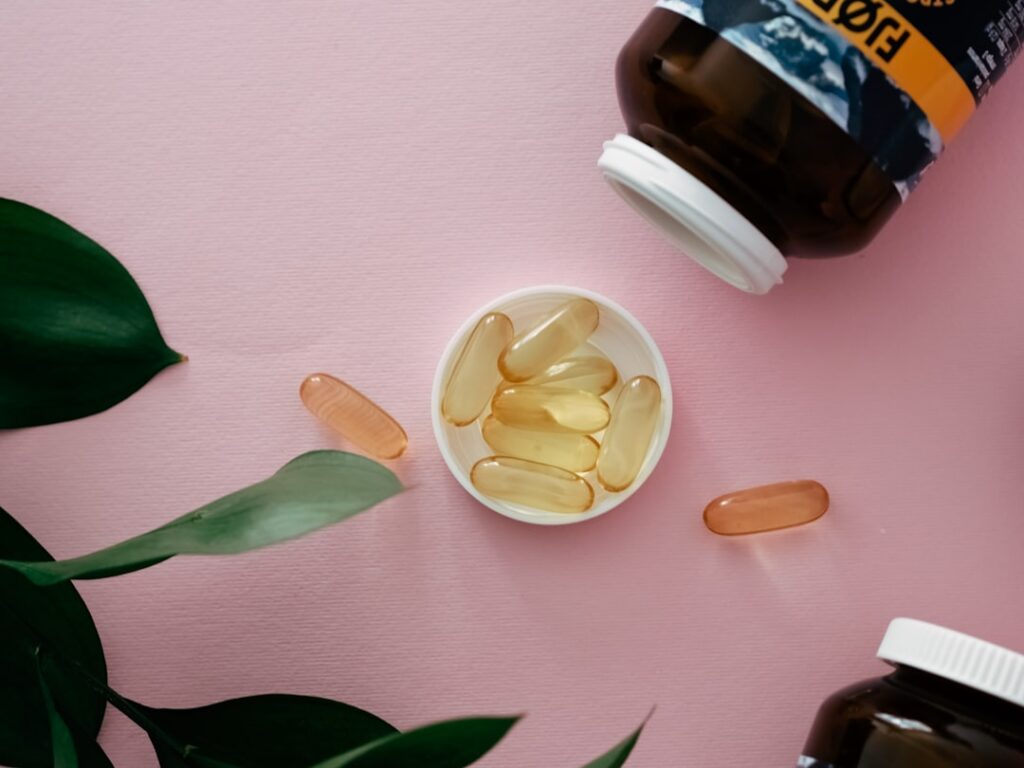
- Premenstrual syndrome (PMS) involves mood and physical symptoms in the days before a period; supplements may ease some symptoms for some people but are not a cure.
- Calcium has some of the more consistent supportive evidence; vitamin B6, magnesium, and chasteberry (Vitex) have mixed or preliminary support.
- Supplements are best seen as one part of a plan that can also include lifestyle steps and, when needed, medical treatment.
- Doses studied vary by nutrient; use them only as background and confirm what is right for you with a clinician.
- Severe symptoms (PMDD) or symptoms that disrupt life deserve a medical evaluation rather than self-treatment.
Premenstrual syndrome (PMS) is common, and for many people the monthly pattern of mood changes, bloating, breast tenderness, and irritability is more than a minor nuisance. That is why supplements marketed for PMS relief are so popular. Some have modest evidence behind them, while others are mostly hope and marketing. Here is an evidence-based look at the options most often discussed, and how to think about them sensibly.
What is PMS?
PMS refers to a cluster of physical and emotional symptoms that appear in the luteal phase, the roughly one to two weeks before menstruation, and typically ease once bleeding starts. Symptoms range widely and can include mood swings, anxiety, fatigue, food cravings, bloating, and cramps. A more severe form, premenstrual dysphoric disorder (PMDD), causes significant mood disruption and warrants medical care. Because symptoms and their causes vary so much, no single supplement works for everyone, and results in studies are often modest.
Supplements with the most support
Calcium. Of the options here, calcium has some of the more consistent evidence for easing several PMS symptoms, including mood and physical complaints, in some studies. It is also a nutrient many people do not get enough of from diet, which adds a general-health rationale.
Vitamin B6 (pyridoxine). B6 has been studied for PMS-related mood symptoms, and some reviews suggest a possible benefit, though the quality of evidence is limited. High doses of B6 taken long term can cause nerve problems, so more is not better and a clinician should guide any use.
Magnesium. Magnesium is often suggested for bloating, cramps, and mood, sometimes in combination with B6. The evidence is mixed and generally preliminary, but magnesium is reasonably well studied for menstrual-related complaints overall.
Chasteberry (Vitex agnus-castus). This herb is among the more researched botanicals for PMS, particularly for breast tenderness and irritability, with some supportive trials. Because it may act on hormonal pathways, it is not appropriate for everyone and should be discussed with a clinician, especially alongside hormonal medications.
For a broader framework on judging supplement claims like these, see our wellness and supplement guides.
Doses studied in research
These ranges describe what researchers used, not a prescription. The right choice depends on your health, diet, and medications, so talk to your doctor or pharmacist first.
| Supplement | Typical dose range in research | Notes |
|---|---|---|
| Calcium | ~1,000–1,200 mg/day | Some of the more consistent evidence |
| Vitamin B6 | Lower daily amounts studied | High long-term doses can harm nerves |
| Magnesium | Varied, often paired with B6 | Evidence is mixed |
| Chasteberry (Vitex) | Standardized extracts vary by product | Hormonal activity; discuss with a clinician |
Supplements are usually studied as part of a broader approach that also includes sleep, exercise, and stress management, which often help too.
How to approach PMS supplements sensibly
Because PMS symptoms vary so much from person to person and even cycle to cycle, a thoughtful trial-and-error approach works better than stacking many products at once. Tracking your symptoms across a couple of cycles, using a simple diary or app, helps you tell whether anything is genuinely making a difference or whether a good month was just a good month. Introduce one supplement at a time so you can judge its effect and spot any side effects. Favor food sources of these nutrients where possible, keep doses modest, and revisit the plan with a clinician or pharmacist, especially if you take other medications or your symptoms are not improving.
Safety & who should avoid it
Dietary supplements are not evaluated by the FDA and are not intended to diagnose, treat, cure, or prevent any disease. Most of the options above are generally well tolerated at modest amounts, but there are important cautions.
- Vitamin B6 at high doses over time can cause nerve damage; do not exceed sensible amounts without medical guidance.
- Chasteberry may interact with hormonal contraceptives, hormone therapy, and some psychiatric medications, and is not advised in pregnancy.
- Calcium and magnesium can interact with certain medications and are not right for everyone at high doses, especially with kidney problems.
- If you are pregnant, breastfeeding, or taking any prescription medicine, check with a clinician before starting.
If mood symptoms are severe, if you suspect PMDD, or if symptoms disrupt your work or relationships, see a clinician rather than relying on supplements. Thyroid problems can also cause fatigue and mood changes that overlap with PMS; you can read about supplements studied for thyroid support for context, though testing should guide that.
Frequently asked questions
Which supplement has the best evidence for PMS? Calcium has some of the more consistent supportive data, but no supplement works for everyone.
How long until I might notice a difference? Studies often ran across several menstrual cycles, so a fair trial usually means two to three months, not days.
Can I just take a “PMS blend”? Combination products vary widely and are not always well studied. Read labels and discuss ingredients with a pharmacist.
Is chasteberry safe with birth control? It may interfere with hormonal contraception and other medications, so ask your clinician first.
What about diet and lifestyle? Regular exercise, sleep, limiting salt, alcohol, and caffeine, and stress management are reasonable first steps and often recommended alongside any supplement.
When should I see a doctor? If symptoms are severe, worsening, or affecting daily life, or if you suspect PMDD, seek medical evaluation.
This article is for general education and is not medical advice. Supplements and therapies affect people differently and can interact with medications or conditions. Talk to your doctor, pharmacist, or a licensed clinician before making changes to your health routine.
Sources
- NIH Office of Dietary Supplements — calcium, vitamin B6, and magnesium information
- National Center for Complementary and Integrative Health (NCCIH) — chasteberry and PMS research
- MedlinePlus — premenstrual syndrome overview
- Mayo Clinic — patient guidance on PMS and PMDD
- Cochrane — systematic reviews relevant to PMS treatments