
- PCOS is a common hormonal condition; supplements are studied as possible add-ons, not cures or replacements for medical care.
- Inositol (often myo-inositol, sometimes with D-chiro-inositol) has the most supportive research for insulin and menstrual regularity, though trials vary.
- Vitamin D may help people who are deficient; testing first makes more sense than guessing.
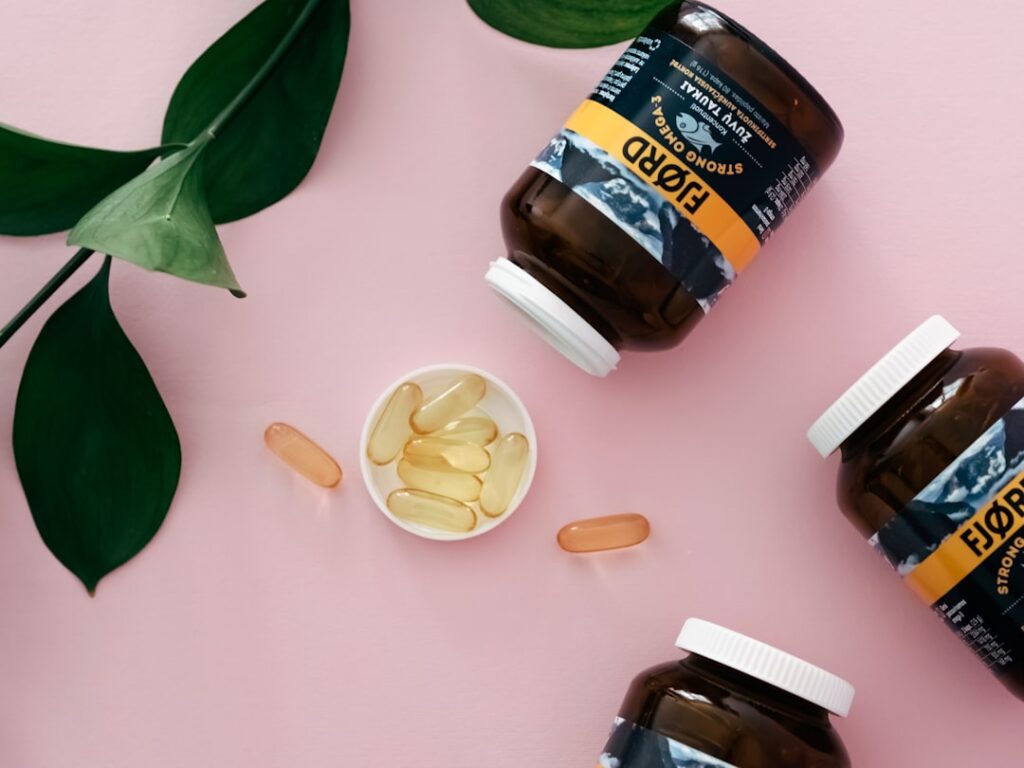
- Omega-3s and other options have preliminary evidence; results are mixed and doses studied vary.
- Supplements are not evaluated by the FDA to diagnose, treat, cure, or prevent disease; work with your doctor before starting.
Polycystic ovary syndrome (PCOS) is one of the most common hormonal conditions in people of reproductive age. It is typically defined by a combination of irregular periods, higher levels of androgens (male-type hormones), and polycystic-appearing ovaries, and it is often linked with insulin resistance. Many people ask which supplements are worth considering. Here is a careful look at the options studied most, with honest notes on where the evidence is strong and where it is thin.
Important framing: PCOS is a medical diagnosis that deserves a real evaluation. Supplements are studied as possible add-ons to lifestyle changes and any treatment your clinician recommends. They are not cures, and they are not a substitute for care.
Inositol: the most-studied option
Inositol is a sugar-like compound, and two forms — myo-inositol and D-chiro-inositol — are involved in how cells respond to insulin. Among PCOS supplements, inositol has the most supportive research. Several randomized trials and reviews suggest that myo-inositol, sometimes combined with D-chiro-inositol in a physiologic ratio (commonly cited as around 40:1), may support insulin sensitivity, more regular ovulation, and menstrual regularity in some people. Cochrane reviewers note the evidence is promising but limited by small trial sizes and variation in quality, so results are not guaranteed.
Vitamin D: test before you guess
Low vitamin D is common in people with PCOS, and some studies link deficiency with worse insulin and menstrual patterns. Correcting a genuine deficiency is reasonable and generally safe, but the smartest approach is to get a blood test first rather than taking high doses on assumption. Very high vitamin D doses can cause harm, so this is a case where more is not better.
Other options with preliminary evidence
- Omega-3 fatty acids (fish oil). Some trials suggest possible small benefits for triglycerides and inflammation markers; effects on core PCOS symptoms are less clear.
- NAC (N-acetylcysteine). Studied in PCOS research for insulin and ovulation, with mixed but sometimes encouraging results. NAC has also been studied in PCOS research more broadly.
- Magnesium and zinc. Sometimes low in PCOS; correcting a deficiency may help general wellbeing, but they are not proven treatments.
- Berberine and cinnamon. Early studies look at blood sugar effects, but evidence is limited and berberine can interact with medications.
- Anti-inflammatory compounds such as curcumin and inflammation have preliminary PCOS research, though it is early.
Doses studied in research
These ranges reflect published studies, not advice for you. The right choice depends on your labs, symptoms, and medications.
| Supplement | Range studied | Evidence signal |
|---|---|---|
| Myo-inositol | ~2–4 g/day (often 4 g) | Most supportive |
| Myo + D-chiro-inositol | ~40:1 ratio combinations | Promising, mixed |
| Vitamin D | Varies; guided by blood levels | Best if deficient |
| Omega-3 (EPA/DHA) | ~1–3 g/day in studies | Preliminary |
| NAC | ~1.2–3 g/day in trials | Mixed |
Safety & who should avoid it
Most of these supplements are well tolerated at studied doses, but there are real cautions:
- If you are trying to conceive or are pregnant, coordinate everything with your clinician; some supplements are studied in fertility contexts and others are not recommended.
- If you take diabetes or blood-pressure medication, inositol, berberine, and others may add to those effects and require monitoring.
- Berberine interacts with several medications and is not recommended in pregnancy.
- High-dose vitamin D can cause toxicity; dose to your blood level, not to a bottle.
- Supplement quality varies, so choose reputable, ideally third-party-tested products.
Because PCOS raises long-term risks such as type 2 diabetes, a supplement should never replace medical follow-up, screening, and evidence-based treatment.
How to evaluate a PCOS supplement claim
PCOS supplements are marketed heavily, so a little skepticism protects both your health and your wallet. A few questions help: Does the claim rest on human trials, or only on lab and animal studies? Is the studied form and dose actually in the product, or is it a “proprietary blend” that hides amounts? Does the marketing promise to “cure” PCOS or guarantee weight loss or pregnancy — language that should be a red flag, since no supplement can honestly promise that? And does the product carry independent third-party testing for quality? Because PCOS symptoms overlap with other conditions, such as thyroid disorders, it is also worth confirming your diagnosis with a clinician before spending months on any supplement. The most reliable gains still come from a foundation of nutrition, regular movement, adequate sleep, and stress management, with supplements playing at most a supporting role.
Putting it together
For many people, the biggest levers in PCOS are the ones that do not come in a bottle: nutrition, movement, sleep, and treatment your clinician recommends. Among supplements, inositol has the strongest supporting research, vitamin D makes sense mainly if you are deficient, and the rest are worth discussing case by case. For more context, see our wellness guide.
Frequently asked questions
What is the single best supplement for PCOS? There is no universal best. Inositol has the most research support, but the right choice depends on your labs, symptoms, and goals.
Can supplements replace metformin or birth control? No. Supplements are studied as possible add-ons, not replacements for prescribed treatment. Do not stop medication without your doctor.
Will inositol help me lose weight? It is studied mainly for insulin and cycle regularity, not primarily for weight loss. Any weight effects are typically modest.
How long before I might see a change? Trials often run three to six months. Effects vary, and some people notice little difference.
Is it safe to take several at once? Combining supplements can raise interaction and side-effect risks. Review the full list with your pharmacist.
Do I need to test my vitamin D first? That is the more sensible approach, since supplementing helps most when you are actually deficient.
This article is for general education and is not medical advice. Supplements and therapies affect people differently and can interact with medications or conditions. Talk to your doctor, pharmacist, or a licensed clinician before making changes to your health routine.
Sources
- NIH Office of Dietary Supplements (ODS)
- National Center for Complementary and Integrative Health (NCCIH)
- Cochrane — reviews of inositol and PCOS outcomes
- Mayo Clinic — PCOS overview and management
- MedlinePlus — polycystic ovary syndrome
Note: Dietary supplements are not evaluated by the U.S. Food and Drug Administration and are not intended to diagnose, treat, cure, or prevent any disease.