
- Reach for bland, low-fat, easy-to-digest foods — saltine crackers, plain rice, bananas, applesauce, dry toast, boiled potatoes, and clear broth — in small amounts.
- Sip clear fluids and oral rehydration/electrolyte drinks to stay hydrated; ginger is the most evidence-backed natural anti-nausea remedy.
- Avoid fatty, fried, spicy, very sweet, high-fiber, and strong-smelling foods, plus caffeine and alcohol, until your stomach settles.
- Eat small amounts frequently rather than large meals, eat slowly, stay upright afterward, and favor cool or room-temperature foods that give off less aroma.
- See a clinician for dehydration signs, inability to keep fluids down, blood in vomit, severe abdominal pain, chest pain or neurologic symptoms, or nausea lasting more than 48 hours.
- This is general wellness information, not medical advice — pregnancy nausea and any medications should be discussed with your clinician.
Figuring out what to eat when nauseous feels like an impossible task when even the thought of food makes your stomach churn. But eating the right things — gently and in small amounts — can help settle nausea faster than an empty stomach will. The key is choosing bland, easy-to-digest foods that provide a little energy and hydration without triggering more queasiness.
Nausea can stem from many causes, including stomach viruses (gastroenteritis), food poisoning, pregnancy, migraines, motion sickness, medication side effects, reflux, or anxiety. Regardless of the reason, knowing what to eat when nauseous gives you a practical toolkit for getting through the discomfort. The recommendations below reflect general guidance from sources such as MedlinePlus and the Mayo Clinic — but if your nausea is severe, persistent, or comes with the red-flag symptoms listed later, contact a clinician.
Why You Should Eat Something When Nauseous
It seems counterintuitive, but for many people an empty stomach can make nausea worse. When your stomach is empty, gastric acid has less to work on and can irritate the stomach lining, which may add to that queasy feeling. Small amounts of bland food can help buffer stomach acid and stabilize blood sugar, both of which may ease nausea.
The goal is not to eat a full meal. It is to introduce small quantities of gentle food at regular intervals. Even a few crackers or sips of broth can make a noticeable difference. MedlinePlus specifically suggests eating smaller meals more often and sipping small amounts of clear liquids when you are having trouble keeping things down. If you cannot keep any fluids down or you notice signs of dehydration, seek medical advice rather than pushing through.
Best Foods to Eat When Nauseous
The following foods are widely recommended for managing nausea. They share common traits: bland flavor, low fat content, minimal fiber, and easy digestibility.
Saltine crackers: Plain saltine crackers are the classic first food for nausea. They are dry, easy to tolerate when wetter foods feel repulsive, and provide a little sodium. Keeping a sleeve by your bedside to nibble before you get up is a long-standing tip for morning nausea, including in pregnancy.
Plain white rice: White rice is one of the gentlest foods on the digestive system. It is low in fiber, easy to digest, and provides glucose for energy. Cook it until very soft and eat small portions.
Bananas: Bananas are bland, starchy, and rich in potassium. They are especially useful if nausea comes with vomiting or diarrhea, since potassium is among the electrolytes lost. The USDA notes that one medium banana provides roughly 400 milligrams of potassium.
Applesauce: Smooth, mildly sweet, and easy on the stomach, applesauce provides some calories and fluid without challenging your digestive system. Choose unsweetened varieties to avoid excess sugar.
Dry toast: Plain white bread, lightly toasted, gives your stomach something mild to work on without strong flavors or fats. Hold the butter until your nausea subsides.
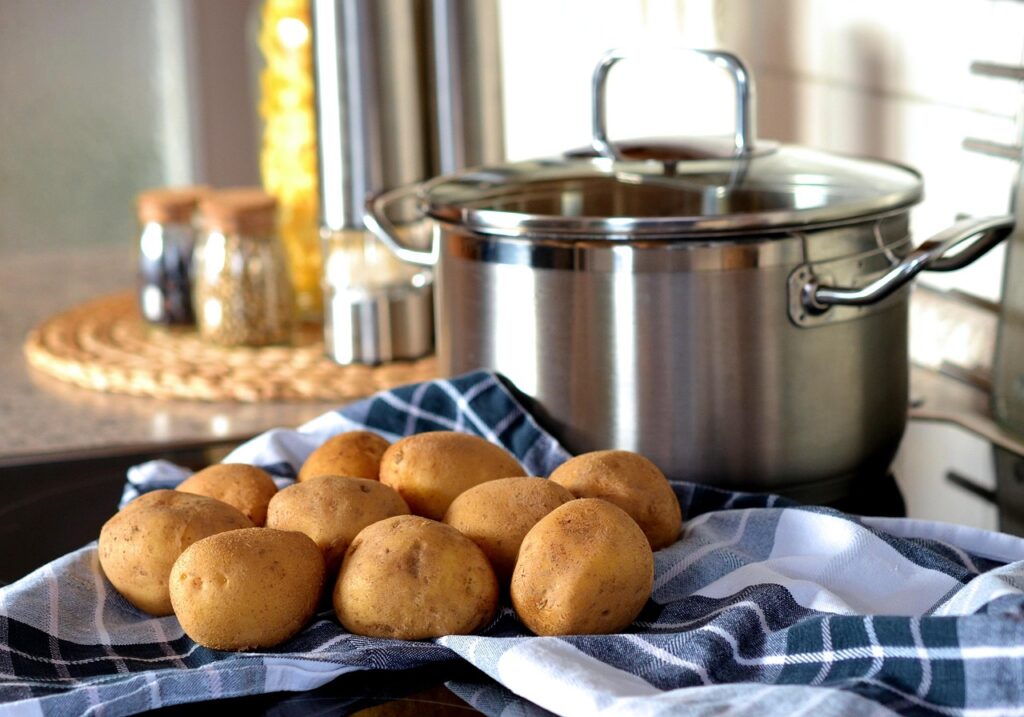
Plain boiled potatoes: Potatoes are bland, starchy, and a source of potassium. Boiled or baked with no added fat, they are gentle on the stomach and provide sustained energy.
Chicken broth: Warm, clear chicken broth provides fluids, sodium, and a small amount of protein. Sipping broth is often more tolerable than eating solid food when nausea is strong, and the warmth can be soothing.
These bland, starchy foods overlap with the traditional “BRAT” approach (bananas, rice, applesauce, toast). BRAT is fine as a short-term bridge while you feel unwell, but it is not a complete diet — return to normal, balanced eating as soon as your stomach allows.
Best Drinks for Nausea
Staying hydrated is critical when you are nauseous, especially if vomiting is involved. The right beverages can also have direct soothing effects.
Ginger tea: Ginger is the most well-studied natural anti-nausea remedy. Reviews of randomized trials have found that ginger can reduce nausea in several settings, including pregnancy, chemotherapy, and post-surgery. Steep fresh ginger slices in hot water for about 10 minutes, or use ginger tea bags.
Peppermint tea: Peppermint has antispasmodic properties that may relax stomach muscles and ease nausea for some people. Many find peppermint aroma or tea calming during mild queasiness.
Clear electrolyte drinks: Oral rehydration solutions such as Pedialyte replace sodium, potassium, and glucose lost through vomiting or diarrhea. Oral rehydration is a well-established way to prevent and treat mild dehydration.
Flat ginger ale: Commercial ginger ale often contains little real ginger, but the small amount of sugar and letting the fizz go flat can help some people. Let it go flat before drinking, since active carbonation can add to bloating.
Cold water with lemon: For some people, the scent and taste of lemon cuts through nausea. Lemon aromatherapy has been studied as a simple option for pregnancy-related nausea, with modest benefit reported.
Foods and Drinks to Avoid When Nauseous
Some foods and beverages tend to make nausea worse. Steer clear of the following until your stomach has settled:
- Fatty and fried foods: Fat slows gastric emptying, keeping food in the stomach longer and often increasing nausea.
- Spicy foods: Capsaicin and other spicy compounds can irritate the stomach lining.
- Strong-smelling foods: Nausea often heightens smell sensitivity; MedlinePlus notes that strong smells can trigger nausea and vomiting, so avoid cooking odors from fish, garlic, onions, or strong spices.
- Full-fat dairy products: Rich dairy can be harder to digest and may worsen nausea in some people.
- Caffeine: Coffee and energy drinks can increase stomach acid and may worsen queasiness.
- Alcohol: Irritates the stomach lining and worsens dehydration.
- Very sweet foods: A lot of sugar can slow digestion and trigger nausea in some people.
- High-fiber foods: Raw vegetables, whole grains, and legumes require more digestive effort and can add to bloating.
Practical Tips for Eating When Nauseous
How you eat can matter as much as what you eat. These strategies can help you get food down and keep it there:
Eat small amounts frequently: Instead of three meals, aim for a few bites every one to two hours, which keeps a little food in the stomach and steadies blood sugar.
Eat slowly: Rushing increases the air you swallow and strains digestion. Take small bites and chew thoroughly.
Stay upright after eating: Lying down right after eating can promote reflux and increase nausea. Stay upright for at least 30 minutes after a snack or meal.
Choose cool or room-temperature foods: Hot foods release more aroma, which can trigger nausea. Cooler foods tend to smell less and may be better tolerated.
Ventilate your space: Fresh air reduces exposure to food odors that intensify nausea. Open a window or eat outside if you can.
Try acupressure: Applying pressure to the P6 (Nei Guan) point on the inner wrist has reduced nausea in some studies. Sea-Bands and similar wristbands apply steady pressure to that point.
For more everyday nutrition and wellness tips, explore our wellness guide.
Nausea and Pregnancy
Nausea and vomiting of pregnancy — often called morning sickness, though it can strike any time of day — is very common in the first trimester. The same gentle-eating principles apply: keep dry crackers by the bed and nibble a few before rising, eat small frequent bland meals, stay hydrated with small sips, and avoid strong smells. Ginger and vitamin B6 (pyridoxine) are commonly discussed options, but do not start any supplement, medication, or anti-nausea drug in pregnancy without checking with your obstetric clinician first — including how much to take.
A small share of pregnant people develop hyperemesis gravidarum, a severe form with persistent vomiting, inability to keep fluids down, weight loss, and dehydration. This needs prompt medical care and sometimes IV fluids. If you are pregnant and cannot keep liquids down, are losing weight, feel faint, or notice very dark urine or reduced urination, contact your clinician or seek care right away.
When Nausea Needs a Clinician
Most short-lived nausea settles on its own with rest, fluids, and bland food. Seek medical attention promptly if you have any of the following:
- Signs of dehydration: dry mouth, dizziness, dark urine, or urinating much less than usual
- Inability to keep any fluids down, or vomiting that lasts more than about a day
- Blood in your vomit, or vomit that looks like coffee grounds
- Severe abdominal pain, a rigid or very tender belly
- High fever, or a severe headache with a stiff neck
- Nausea or vomiting lasting more than 48 hours, or persistent unexplained nausea
- Suspected poisoning, a possible medication reaction, or a recent head injury
Call 911 or go to the emergency room if nausea comes with chest pain or pressure, shortness of breath, confusion, fainting, one-sided weakness, facial droop, slurred speech, or a sudden severe (“worst-ever”) headache — these can signal a heart or neurologic emergency rather than a simple stomach upset. For a suspected poisoning in the U.S., contact Poison Control at 1-800-222-1222.
Frequently Asked Questions
What is the fastest food to settle nausea?
Dry saltine crackers plus ginger tea are common go-to options. Crackers are easy to tolerate and help absorb a little stomach acid, while ginger has reduced nausea in clinical studies. Having both on hand gives you a good chance at relief, though how quickly they help varies from person to person.
Should you force yourself to eat when nauseous?
Try to eat small amounts, but do not force large quantities. A few crackers, a little broth, or a few bites of banana are usually tolerable during moderate nausea and can help. If even small amounts come right back up, focus on sipping fluids and try solid food again in an hour or two.
Is it better to eat warm or cold food when nauseous?
Cool or room-temperature foods are often better tolerated because they give off less aroma, and strong food smells are a common nausea trigger. Warm broth and ginger tea are exceptions that many people still find soothing.
When should you see a doctor for nausea?
Seek care if nausea lasts more than 48 hours, if you cannot keep fluids down, if you notice signs of dehydration (dark urine, dizziness, dry mouth), if there is blood in your vomit, or if nausea comes with severe abdominal pain, high fever, chest pain, or neurologic symptoms. Pregnancy-related nausea that prevents keeping fluids down also warrants a call to your clinician.
When you are nauseous, reach for bland, low-fat, easy-to-digest foods — crackers, plain rice, bananas, applesauce, dry toast, boiled potatoes, and clear broth — in small, frequent amounts, and sip clear fluids or electrolyte drinks. Ginger is the most evidence-backed natural remedy. Avoid fatty, fried, spicy, very sweet, high-fiber, and strong-smelling foods, plus caffeine and alcohol. See a clinician for dehydration, inability to keep fluids down, blood in vomit, severe pain, symptoms lasting more than 48 hours, or nausea with chest pain or neurologic signs; discuss pregnancy nausea and any medication with your clinician. This article is general wellness information, not medical advice.
Sources
- MedlinePlus (U.S. National Library of Medicine) — “Nausea and Vomiting” (causes; sip small amounts of clear liquids; bland foods; avoid spicy, fatty, or salty foods and strong smells; eat smaller meals more often; crackers before rising in pregnancy; warning signs including blood in vomit, severe abdominal pain, dehydration, and vomiting lasting more than a day)
- Mayo Clinic — general self-care guidance for nausea and vomiting and signs of dehydration (verify current)
- American College of Obstetricians and Gynecologists (ACOG) — nausea and vomiting of pregnancy / morning sickness, hyperemesis gravidarum, and options such as ginger and vitamin B6 to discuss with a clinician (verify current)