
- Curcumin is the most-studied active compound in turmeric and has anti-inflammatory and antioxidant activity in lab and some human studies.
- Evidence is most promising for joint discomfort and markers of inflammation, but many trials are small or short.
- Curcumin is poorly absorbed on its own; formulas add piperine (black pepper) or use special delivery systems studied to improve uptake.
- Doses studied commonly range from about 500 to 2,000 mg of curcumin daily, but the right choice depends on your health and medications.
- Supplements are not evaluated by the FDA to diagnose, treat, cure, or prevent disease; talk to your doctor or pharmacist first.
Turmeric is the golden-yellow spice at the heart of many curries, and it has become one of the best-selling supplements in the United States. Most of the interest centers on curcumin, the main compound in the curcuminoid family that gives turmeric its color and much of its studied biological activity. Here is a careful, evidence-based look at what turmeric and curcumin may and may not do.
What turmeric and curcumin are
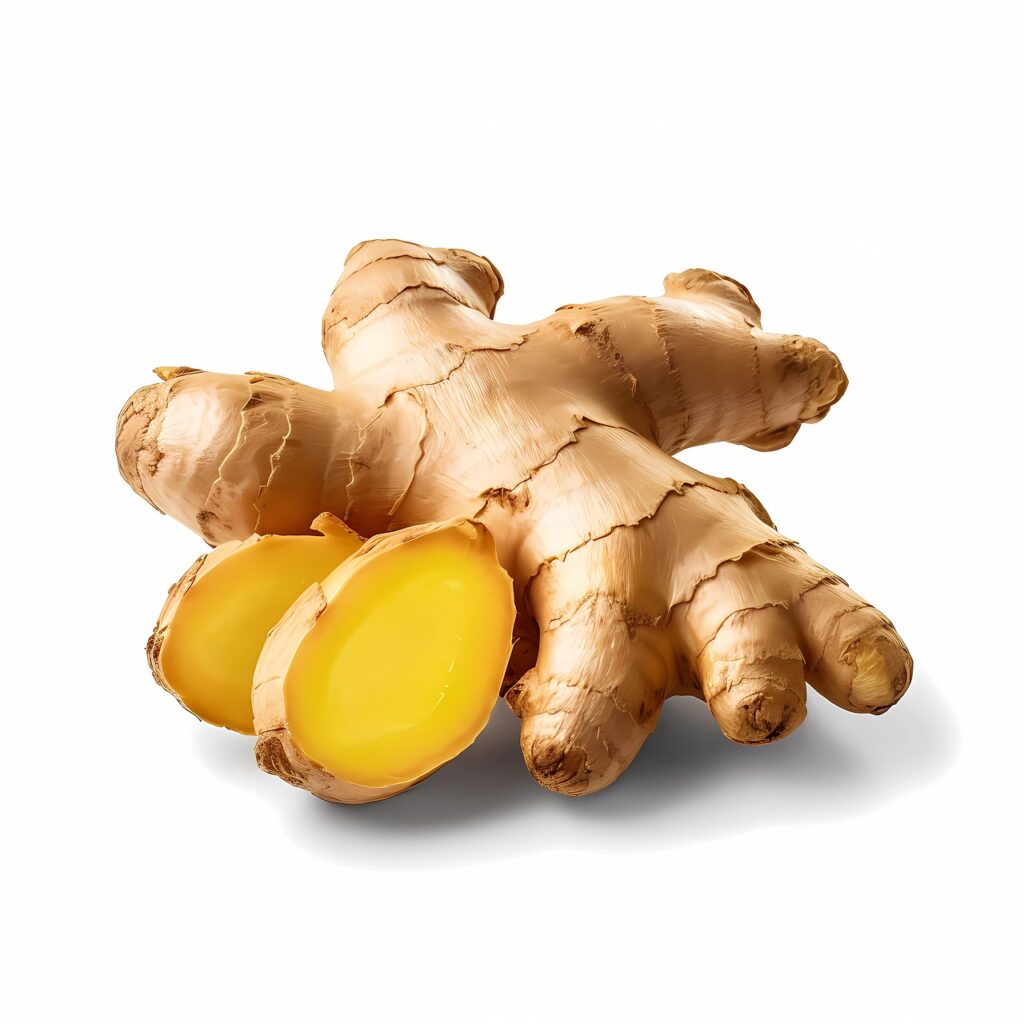
Turmeric comes from the root of Curcuma longa, a plant in the ginger family. By weight, dried turmeric contains only a few percent curcuminoids, so most research supplements use concentrated curcumin extracts rather than culinary turmeric. In laboratory and animal studies, curcumin shows antioxidant and anti-inflammatory activity, which is why researchers have tested it across a range of conditions. Lab activity does not automatically translate to benefits in people, so human trials matter most.
What the research suggests
According to the National Center for Complementary and Integrative Health (NCCIH), turmeric and curcumin have been studied for many conditions, but the human evidence is often limited, mixed, or based on small trials. A few areas stand out as more promising:
- Joint discomfort. Some randomized trials and reviews suggest curcumin may help ease symptoms of osteoarthritis, sometimes comparably to over-the-counter pain relievers in short studies. Cochrane and other reviewers caution that many trials are small and vary in quality.
- Markers of inflammation. Several studies report reductions in inflammatory markers such as C-reactive protein, though results are not consistent across all trials.
- Metabolic and digestive comfort. Early research has looked at curcumin for blood sugar markers and irritable-bowel symptoms, but the evidence is preliminary.
Across these areas, the honest summary is that curcumin may support certain symptoms for some people, but it is not a proven treatment for any disease. Larger, longer, higher-quality trials are still needed.
The absorption problem
One reason results vary is that curcumin is poorly absorbed when taken on its own. It is not very water-soluble and is rapidly processed by the body. To address this, many products add piperine (an extract of black pepper) or use special delivery formats such as phytosome, nanoparticle, or liquid-micelle formulations that have been studied to improve uptake. If you compare products, the delivery system can matter as much as the milligram count on the label.
Doses studied in research
The table below reflects ranges reported in published studies, not a recommendation for you. The right choice depends on your health, your medications, and the specific product.
| Form | Range studied | Notes |
|---|---|---|
| Standardized curcumin extract | ~500–2,000 mg/day of curcuminoids | Often split into two doses |
| Curcumin + piperine | Curcumin dose plus a few mg piperine | Piperine studied to raise absorption |
| Enhanced-delivery formulas | Lower curcumin, higher bioavailability | Label doses are not interchangeable |
| Culinary turmeric | Small curcumin amounts | Fine as food; not a study-level dose |
Because product concentrations differ so widely, never assume two labels mean the same thing. Talk to your doctor or pharmacist before starting, and follow the specific product’s guidance.
Safety & who should avoid it
Curcumin is generally well tolerated in food amounts and in most short studies, with occasional digestive upset. Still, some people should be cautious:
- People on blood thinners (such as warfarin) or antiplatelet drugs, because curcumin may affect bleeding risk.
- People with gallstones or bile-duct obstruction, since turmeric can stimulate the gallbladder.
- People with diabetes on glucose-lowering medication, because of possible additive effects on blood sugar.
- People scheduled for surgery, who are often advised to stop supplements beforehand.
- Pregnant or breastfeeding people, where supplement-level doses have not been well studied; food amounts are considered typical.
Rare cases of liver injury have been reported with some curcumin products, so stop and seek care if you notice symptoms such as unusual fatigue, dark urine, or yellowing of the skin or eyes. Choose products from reputable brands, ideally with third-party testing, since supplement quality varies.
How turmeric fits into a wellness routine
Turmeric is a flavorful, low-risk spice in cooking, and concentrated curcumin is one option some people try for joint and inflammation-related comfort. Treat it as a possible add-on, not a replacement for care your clinician recommends. For context on other options, see our wellness guide, our overview of NAC, another widely studied supplement, and the supplements studied for PCOS.
Frequently asked questions
Is turmeric the same as curcumin? No. Turmeric is the whole spice; curcumin is one of its active compounds. Most research uses concentrated curcumin, not culinary turmeric.
Do I need black pepper with it? Piperine from black pepper has been studied to improve curcumin absorption, and many supplements include it. Enhanced-delivery formulas take a different approach.
How long until I might notice anything? Studies often run several weeks to a few months. Effects, if any, are typically modest and vary between people.
Can I just cook with more turmeric? Cooking adds flavor and small curcumin amounts, but it is well below the concentrated doses used in trials.
Does curcumin interact with medications? It may interact with blood thinners, diabetes drugs, and others. Check with your pharmacist before combining.
Is more always better? No. Higher doses have not been shown to be proportionally more effective, and they may raise the chance of side effects.
This article is for general education and is not medical advice. Supplements and therapies affect people differently and can interact with medications or conditions. Talk to your doctor, pharmacist, or a licensed clinician before making changes to your health routine.
Sources
- National Center for Complementary and Integrative Health (NCCIH) — Turmeric
- NIH Office of Dietary Supplements (ODS)
- Cochrane — reviews of curcumin for osteoarthritis and related conditions
- Mayo Clinic — turmeric and drug interaction guidance
- MedlinePlus — turmeric/curcumin overview
Note: Dietary supplements are not evaluated by the U.S. Food and Drug Administration and are not intended to diagnose, treat, cure, or prevent any disease.