
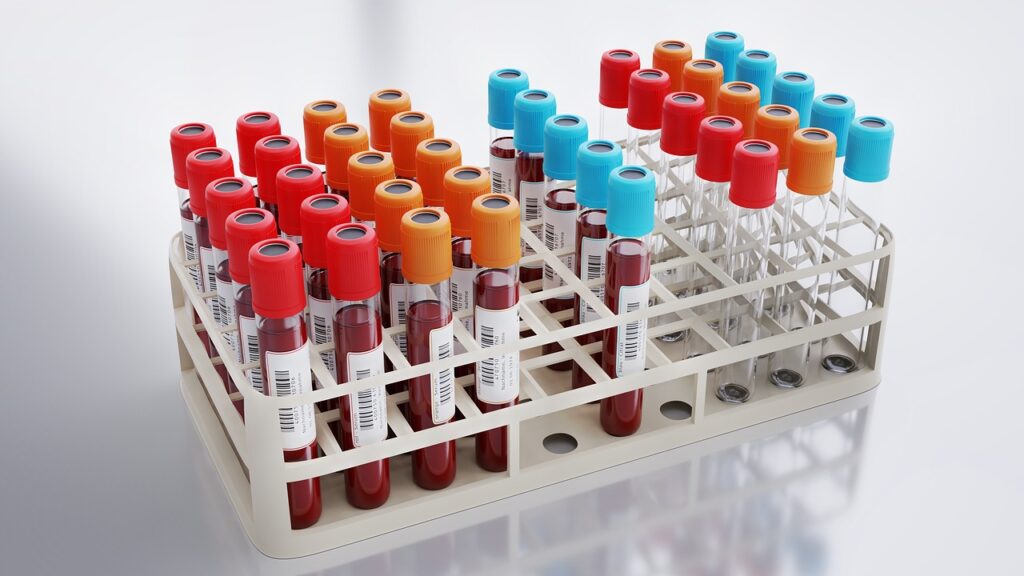
- As of early 2026, the same blood test can cost anywhere from about $10 at a cash-pay independent lab to several hundred dollars at a hospital lab; all prices here are estimates that vary by region and lab, so verify before you go.
- The single biggest lever on your bill is where the blood is processed: independent and direct-to-consumer labs are usually far cheaper than hospital outpatient labs for identical tests.
- If you are uninsured or paying cash, you are generally entitled to a Good Faith Estimate under the No Surprises Act, and hospitals must publish self-pay prices under federal price-transparency rules.
- With a high-deductible plan early in the year, the cash-pay price at Quest or Labcorp can sometimes beat your insurer's negotiated rate, so compare both.
- Blood work billed as preventive under ACA/USPSTF rules is often covered at no cost, while the same test billed as diagnostic may apply to your deductible.
- This is general cost information, not medical advice; which tests you need is a decision for you and your clinician.
Doctors order blood tests more than almost any other diagnostic procedure, yet most patients have no idea what they cost until the bill arrives. The blood test cost without insurance varies wildly — from as little as an estimated $10 to $20 for a single basic test to well over $1,000 for a comprehensive panel processed at a hospital lab. The same complete blood count that costs around $10 at a direct-to-consumer lab might be billed at $150 to $400 at a hospital outpatient lab. That pricing gap makes blood work one of the easiest places to save money in healthcare once you understand how the system works. Every figure in this guide is an estimate current as of early 2026; real prices vary by region, lab, and how the test is ordered, so treat them as ballparks and verify before you go. For more on diagnostic and procedure costs, visit our healthcare costs guide.
As of early 2026, an uninsured blood test can cost anywhere from roughly $10 at a cash-pay independent or direct-to-consumer lab to several hundred dollars or more at a hospital outpatient lab — for the exact same test. The biggest cost driver is which lab processes the sample, not the test itself. If you are uninsured or paying cash, ask for a Good Faith Estimate before the draw, compare self-pay versus insurance pricing, and steer routine work to an independent lab when you can. All prices here are estimates that vary widely; confirm current pricing directly with the lab. This article is general educational cost information, not medical advice — which tests you need is a decision for you and your clinician.
Common Blood Test Prices Without Insurance
The ranges below reflect the spread between the lowest-cost cash-pay independent labs (such as Quest Diagnostics and Labcorp self-pay pricing) and hospital-based labs, which typically charge far more for identical work. Think of the low end as what an informed self-pay shopper can find and the high end as an uninsured hospital-lab bill. As of early 2026, common estimates include:
- Complete Blood Count (CBC): about $10 to $150. The most frequently ordered blood test, it measures red blood cells, white blood cells, and platelets.
- Basic Metabolic Panel (BMP): about $20 to $200. Checks blood sugar, kidney function, and electrolytes.
- Comprehensive Metabolic Panel (CMP): about $25 to $300. Adds liver function tests to the BMP.
- Lipid Panel (cholesterol): about $15 to $200. Measures total cholesterol, HDL, LDL, and triglycerides.
- Hemoglobin A1C: about $15 to $150. Reflects average blood sugar over roughly two to three months for diabetes screening and management.
- Thyroid tests (TSH, and sometimes T3/T4): about $30 to $350. Screens for hypothyroidism and hyperthyroidism.
- Vitamin D level: about $25 to $250. One of the most commonly ordered individual tests.
- Iron studies (ferritin, TIBC, serum iron): about $30 to $300. Evaluates for iron deficiency or overload.
- PSA (prostate-specific antigen): about $20 to $150. Used in prostate cancer screening discussions for some men.
- STI panel (HIV, syphilis, hepatitis, chlamydia, gonorrhea): about $50 to $500. Pricing depends on how many infections are tested.
A typical annual wellness blood panel that bundles a CMP, CBC, lipid panel, and TSH might cost an estimated $50 to $150 at an independent or direct-to-consumer lab versus roughly $500 to $1,200 at a hospital lab. The tests are identical; only the billing entity differs. These numbers move over time and by geography, so use them for orientation, not as a quote.
Why Blood Test Prices Vary So Much
The variation in blood test pricing is extreme even by U.S. healthcare standards. Several factors explain the gap.
Hospital labs vs. independent labs: Hospital-based laboratories carry enormous overhead, including the hospital’s facility costs, administrative staff, and compliance infrastructure. They also benefit from a billing structure that can add facility fees on top of the test itself. Independent labs like Quest Diagnostics and Labcorp operate at lower overhead and price tests competitively, especially for self-pay patients.
The chargemaster problem: Hospitals set their own list prices (chargemaster rates) for every service. For blood tests, chargemaster rates can be many times what Medicare’s Clinical Laboratory Fee Schedule pays. Uninsured patients billed at chargemaster rates face inflated costs that bear little relationship to the actual cost of running the test. The federal CMS Hospital Price Transparency rule requires hospitals to publish machine-readable files of their standard charges, including cash prices, which makes comparison shopping more feasible than it used to be — though the files can still be hard to navigate.
Ordering-provider markup: When your doctor’s office draws blood and sends it to an outside lab, the office may add a specimen-collection fee (roughly $10 to $50) and sometimes marks up the lab fees. Having blood drawn at the lab itself can eliminate this middleman cost.
If you need imaging along with your blood work, our guide to MRI cost covers another area where price transparency can save you significant money.
Your Rights If You’re Uninsured or Paying Cash
Two federal protections are worth knowing before you schedule a blood draw. First, under the No Surprises Act, patients who are uninsured or who choose not to use insurance are generally entitled to a Good Faith Estimate of expected charges before scheduled, non-emergency care. If your final bill for the same service is substantially higher than the estimate, you may be able to dispute it. When you book blood work as a self-pay patient, ask the lab or clinic directly for a Good Faith Estimate in writing.
Second, the CMS price-transparency rules mean hospitals must post cash-pay and negotiated prices. If you receive a large, unexpected lab bill, request an itemized statement, ask about the prompt-pay or self-pay discount, and, if you qualify, apply for the facility’s financial-assistance (charity care) program. Nonprofit hospitals are generally required to have one. These steps can meaningfully reduce what you actually owe.
Blood Test Costs With Insurance
Insurance changes the equation significantly, but not always in the way you would expect.
Preventive blood work: Under the Affordable Care Act, most preventive screenings are covered at 100% with no cost-sharing when delivered in line with recommendations from the U.S. Preventive Services Task Force. Depending on your age and risk factors, this can include certain lipid, glucose/diabetes, and hepatitis screenings. The key word is “preventive.” If the same lipid panel is ordered because you have symptoms or an existing diagnosis, it may be billed as diagnostic and applied to your deductible.
Diagnostic blood work: When blood tests are ordered to diagnose or monitor a condition, they are processed as diagnostic claims and subject to your plan’s deductible and coinsurance. If you have not met your deductible, you will pay the insurer’s negotiated rate — lower than chargemaster, but potentially higher than the cash-pay price at an independent lab.
Medicare: Medicare Part B covers most medically necessary blood tests, and many are paid in full when ordered by a participating provider and processed at an enrolled lab. Several preventive screenings, such as certain cardiovascular and diabetes screenings, are also covered with no cost-sharing. Coverage rules can change annually, so confirm specifics with Medicare or your plan.
Here is a counterintuitive tip: if you have a high-deductible plan and have not met your deductible, it can be cheaper to pay the cash price at Quest or Labcorp than to run the tests through insurance at a hospital lab. Always compare.
Where to Get the Cheapest Blood Tests
The single biggest factor in your blood test cost is where the work is processed. Here are your options, roughly from cheapest to most expensive.
Direct-to-Consumer Lab Services
Companies and consumer arms such as Walk-In Lab, Personalabs, HealthLabs.com, Quest’s consumer service (questhealth.com), and Labcorp OnDemand let you order many blood tests online without a separate doctor’s visit (in most states) and have them drawn at a Quest or Labcorp location. Newer subscription-style services like Function Health bundle large panels for an annual fee. Prices are often well below what you would pay going through a doctor’s office; a comprehensive wellness panel might cost an estimated $50 to $150 this way, and large “everything” panels cost more. Read what is included, since bundles vary.
Independent Labs (Quest, Labcorp) Self-Pay
Both Quest Diagnostics and Labcorp publish self-pay prices on their websites. These are substantially lower than typical hospital lab pricing. A CMP might cost roughly $30 to $50 at self-pay rates versus $200 or more at a hospital — but confirm the current price, as these change.
Community Health Centers and Free Clinics
Federally Qualified Health Centers (FQHCs) offer blood work on a sliding scale based on income, and some free clinics provide basic panels at little or no cost. Find locations through HRSA’s health center finder.
Doctor’s Office In-House Lab
Some primary care offices run basic tests (such as CBC, glucose, or urinalysis) in-house with quick results. Pricing varies but is typically moderate — often an estimated $50 to $200 for common panels.
Hospital Outpatient Lab
Usually the most expensive option for self-pay patients. Unless your clinician specifically requires a hospital lab (uncommon for routine blood work), this should be your last choice when paying out of pocket.
Specialty and Advanced Blood Tests
Beyond routine panels, certain specialized blood tests carry significantly higher price tags. They are worth understanding because they are increasingly ordered and can generate surprise bills. All figures below are early-2026 estimates.
Genetic and genomic tests: Carrier screening panels can run an estimated $250 to $2,000, while whole-genome sequencing has fallen dramatically and may cost a few hundred to around $1,000. Pharmacogenomic testing to help guide medication selection often costs $200 to $500. Insurance coverage for genetic testing is inconsistent and frequently requires prior authorization.
Autoimmune panels: An ANA (antinuclear antibody) test may cost an estimated $30 to $200, but a full autoimmune workup with multiple antibody tests can reach $500 to $1,500. These are commonly ordered by rheumatologists investigating conditions like lupus, rheumatoid arthritis, and Sjogren’s syndrome.
Hormone panels: A comprehensive hormone panel (testosterone, estrogen, progesterone, DHEA, cortisol) might cost an estimated $100 to $500 at independent labs. Fertility hormone panels (FSH, LH, AMH, estradiol) can run $150 to $400. Direct-to-consumer services often bundle hormone panels at competitive prices.
Tumor markers: Individual markers like CA-125, CEA, or AFP may cost an estimated $30 to $150 each, and a broader panel can reach $300 to $800. These are typically ordered for monitoring rather than general screening, and insurance generally covers them when medically indicated.
Allergy testing: Blood-based allergy panels (specific IgE testing) can cost an estimated $200 to $1,000 depending on the number of allergens tested. Some direct-to-consumer allergy tests are sold online for $100 to $300, though their clinical usefulness compared with clinician-ordered, history-guided testing is debated — discuss results with a professional.
How to Save Money on Blood Tests
Always ask where the blood is being sent. When your clinician orders blood work, ask which lab they use. If it is a hospital lab, ask whether it can be sent to Quest or Labcorp instead. Most offices are happy to accommodate this.
Check whether the test is preventive. Preventive blood work is often covered at 100%. Confirm that the visit and tests are coded correctly as preventive rather than diagnostic when that is appropriate, to avoid unexpected charges.
Compare self-pay vs. insurance pricing. If you have a high-deductible plan, compare the cash price at an independent lab with what your insurer’s negotiated rate would be. The self-pay price is sometimes lower, especially early in the year before you have met your deductible.
Use direct-to-consumer ordering for routine panels. For standard wellness panels, ordering directly through a consumer lab service can save the office-visit fee and often offers lower pricing. Share the results with your clinician at your next appointment.
Ask about bundled panel pricing. Ordering individual tests usually costs more than ordering a panel. A CMP (which includes multiple analytes) typically costs less than ordering each component separately. Ask that the panel code be used rather than individual test codes when clinically appropriate.
Request a Good Faith Estimate. If you are uninsured or paying cash, ask for a written estimate before the draw so there are no surprises — and keep it in case you need to dispute the final bill.
Take advantage of free screening events. Many pharmacies and community organizations offer free blood-pressure, cholesterol, or glucose checks. These are not a substitute for a full panel, but they can help you monitor key metrics between visits.
Frequently Asked Questions
Can I get blood work without a doctor’s order?
In most states, yes. Direct-to-consumer lab companies let you order many blood tests online and have them drawn at a local lab. A handful of states have historically restricted direct-to-consumer lab ordering, and rules change over time, so check the current requirements in your state before ordering. When results are abnormal, review them with a clinician.
How much does a full blood panel cost without insurance?
As of early 2026, a comprehensive wellness panel (CMP, CBC, lipid panel, and TSH) commonly costs an estimated $50 to $150 at independent labs and direct-to-consumer services, versus roughly $400 to $1,200 at a hospital lab. The tests themselves are identical regardless of where they are performed; the price difference is about the billing entity, not the quality of the result.
Are blood tests covered under preventive care?
Certain blood tests are covered at no cost when ordered as preventive screenings in line with USPSTF recommendations, which can include some lipid, glucose, and hepatitis screenings depending on your age and risk. If you have symptoms or an existing diagnosis, the same test may be billed as diagnostic and applied to your deductible.
Why is my blood test bill so high from the hospital?
Hospital labs may charge facility fees and use chargemaster pricing, which can be many times what independent labs charge. If you received an unexpectedly high bill, request an itemized statement, ask about the self-pay discount, and consider applying for financial assistance. Going forward, use an independent lab for routine blood work when you can.
Does a Good Faith Estimate guarantee my final price?
Not exactly, but it gives you leverage. Under the No Surprises Act, uninsured and self-pay patients are generally entitled to a Good Faith Estimate of expected charges, and if the final bill is substantially higher you may be able to use the patient-provider dispute process. It is one of the strongest tools an uninsured patient has.
The Bottom Line
Blood test pricing is one of the most opaque corners of healthcare, but it is also one of the easiest places to save money once you understand the system. The critical move is directing routine blood work to an independent lab instead of a hospital lab whenever possible. For uninsured patients, direct-to-consumer lab services often offer the lowest prices with no separate office visit, and a Good Faith Estimate protects you from surprises. For insured patients, confirming that preventive blood work is coded correctly ensures full coverage with no cost-sharing when it applies. A few minutes of comparison shopping before your next blood draw can easily save you hundreds of dollars. Every price here is an estimate as of early 2026 — always verify current pricing directly with the lab.
Sources
- CMS / Medicare — Hospital Price Transparency rule and Clinical Laboratory Fee Schedule (cms.gov)
- CMS — No Surprises Act and Good Faith Estimate protections for uninsured and self-pay patients (cms.gov)
- U.S. Preventive Services Task Force — preventive screening recommendations (uspreventiveservicestaskforce.org)
- MedlinePlus / National Library of Medicine — descriptions of common blood tests and panels (medlineplus.gov)
- HRSA — Find a Health Center tool for FQHCs and sliding-scale clinics (findahealthcenter.hrsa.gov)
- Quest Diagnostics and Labcorp — published self-pay and consumer test pricing (questhealth.com, labcorp.com)