
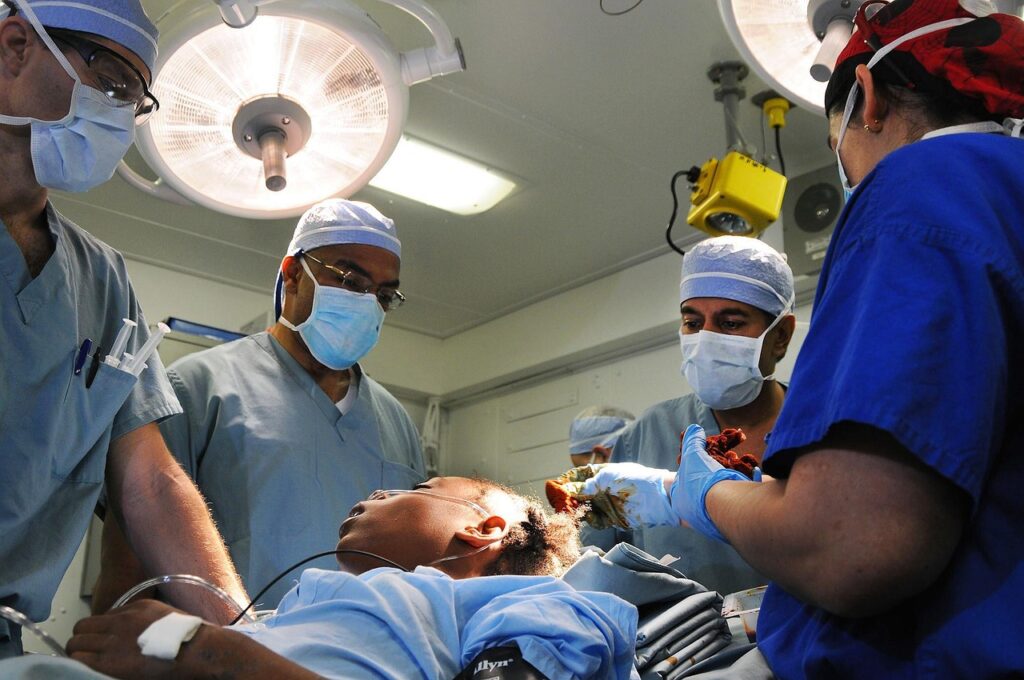
- Endometriosis surgery costs vary widely by procedure, disease severity, surgeon expertise, and geography — commonly quoted ranges run from roughly $10,000 for simpler laparoscopy to $50,000 or more for complex excision or hysterectomy, but these are estimates to verify.
- Endometriosis surgery is usually treated as medically necessary and covered by most insurance plans, typically after prior authorization; out-of-pocket cost depends on your deductible, coinsurance, and whether providers are in-network.
- Excision surgery by an experienced specialist is widely regarded as producing better long-term outcomes than ablation, though it may cost more and require an out-of-network specialist.
- Uninsured patients face the full billed charge; self-pay discounts, bundled surgical fees, and nonprofit-hospital financial assistance can substantially reduce the bill.
- Always request a written, itemized cost estimate that includes the surgeon, assistant, facility, and anesthesia before scheduling.
- Plan for hidden and ongoing costs — imaging, medications, pelvic floor therapy, follow-ups, and recovery time off work.
Endometriosis affects roughly 1 in 10 women of reproductive age, yet many people wait years for a proper diagnosis. Once diagnosed, the endometriosis surgery cost becomes the next hurdle. Commonly cited estimates range from around $10,000 to $50,000 or more depending on the type of procedure, the complexity of the disease, and your insurance situation. For many patients, surgery is the first real opportunity for lasting relief after years of treatments that did not fully work. The figures in this guide are general estimates, not guaranteed prices, so treat them as a starting point and always get a written estimate for your own case. This guide is part of our healthcare costs guide to help you navigate the financial side of care.
Average Endometriosis Surgery Cost by Procedure Type
Not all endometriosis surgeries are equal. The approach, duration, and expertise required vary enormously based on the stage and location of endometrial implants. The estimates below reflect commonly quoted 2026 ranges before insurance; actual charges differ by provider, facility, and region, so verify with your surgeon’s office.
Diagnostic laparoscopy, the simplest surgical option, is often estimated at roughly $8,000 to $20,000 and is used to confirm the diagnosis and potentially treat mild disease during the same procedure. Laparoscopic excision surgery, widely considered the gold standard for treating endometriosis, is commonly estimated at $15,000 to $40,000 depending on the surgeon and extent of disease. Ablation (burning) of endometriosis is often quoted lower, around $10,000 to $25,000, but is associated with higher recurrence rates than excision. Robotic-assisted laparoscopic surgery may add several thousand dollars due to equipment costs. Laparotomy, an open surgical approach reserved for the most severe cases, is sometimes estimated at $20,000 to $50,000 or more. Hysterectomy with excision of endometriosis is often estimated at $25,000 to $55,000 and is generally considered only after other options, and only when appropriate for the individual.
Research summarized on PubMed and guidance from major medical centers generally indicate that excision surgery by a trained specialist tends to produce better long-term outcomes than ablation, with lower recurrence rates and greater pain reduction for many patients — though outcomes vary by individual and disease severity. If you are researching the symptoms that led to your diagnosis, our article on symptoms of endometriosis covers the full range of presentations.
Endometriosis Surgery Cost With Insurance
Endometriosis surgery is generally classified as medically necessary, and most insurance plans cover it, typically after prior authorization. With a typical employer-sponsored plan, your out-of-pocket cost often falls somewhere in the range of $2,000 to $10,000 depending on your deductible, coinsurance rate, and whether your surgeon and facility are in-network — but your specific plan design drives the real number, so confirm it in writing.
The critical factor is finding an in-network endometriosis specialist. If the best surgeon for your case is out-of-network, you may face significantly higher costs unless your plan has out-of-network benefits or you successfully request a network exception. Some insurers grant exceptions when no in-network specialist has equivalent expertise; ask your plan how to request one.
Prior authorization is standard for endometriosis surgery. Your surgeon’s office will submit clinical documentation including imaging results, records of prior medical treatments, and symptoms. Denials are relatively uncommon for endometriosis surgery but do occur, particularly for robotic-assisted approaches or procedures at out-of-network facilities. Appeals are often successful with supporting documentation from your surgeon.
Endometriosis Surgery Cost Without Insurance
Uninsured patients face the full billed charge, which can be substantial for complex cases. A straightforward diagnostic laparoscopy at a community hospital might be estimated in the $12,000 to $20,000 range out of pocket, while complex excision surgery by a specialist could run $30,000 to $50,000 or more at a major medical center. Again, these are estimates that vary widely.
Self-pay discounts of roughly 20% to 50% are commonly available but usually must be negotiated before the procedure. Some endometriosis specialists offer bundled surgical fees for self-pay patients that cover the surgeon’s fee, assistant surgeon, and a specified number of follow-up visits; the facility fee and anesthesia are typically billed separately. Ask for all of this in writing.
Hospital financial assistance programs may cover a significant portion of the bill for patients who meet income requirements. Under federal law, nonprofit hospitals are required to have financial assistance policies. Apply before your procedure whenever possible, as retroactive applications can be harder to process.
Why Endometriosis Surgery Costs Vary So Widely
Disease Complexity
Stage I endometriosis with a few superficial implants on the pelvic peritoneum may require a short procedure. Stage IV disease with deep infiltrating endometriosis affecting the bowel, bladder, ureters, or diaphragm can require many hours of surgery and a multidisciplinary team including a gynecologic surgeon and, when needed, a colorectal surgeon or urologist. Longer, more complex surgeries generally cost proportionally more.
Surgeon Expertise
Endometriosis excision specialists — particularly those with advanced training in minimally invasive gynecologic surgery — often charge higher professional fees than general OB-GYNs. However, the investment can pay off through better outcomes and lower reoperation rates for many patients. The Mayo Clinic emphasizes the importance of surgeon experience in achieving good results.
Geographic Location
Surgical costs in major metropolitan areas often exceed those in smaller cities. Patients with complex endometriosis frequently travel to specialist centers because relatively few surgeons in any given region have deep expertise in excision surgery. Travel costs — flights, hotels, and meals — can add meaningfully to the total for out-of-town patients.
Facility Type and Hospital Stay
Most laparoscopic endometriosis procedures are outpatient or require one overnight stay. Complex excision involving the bowel or urinary tract may require several days in the hospital, adding substantial facility charges per day. Ambulatory surgery centers often carry lower facility fees for straightforward cases than hospitals do.
Hidden and Ongoing Costs
The surgical bill captures only part of the total endometriosis surgery cost. Pre-operative imaging such as pelvic MRI and transvaginal ultrasound is often required, along with blood work and a pre-anesthesia evaluation. Ask which pre-op tests are needed and what they cost.
Post-operative expenses can include prescription pain medications, hormonal therapy to help reduce recurrence, pelvic floor physical therapy (often a series of sessions), and follow-up visits. Many patients need roughly two to six weeks off work depending on the procedure, and lost income can add substantially to the total financial impact. Building these into your plan avoids surprises.
Recurrence is a genuine consideration. Research indicates that a meaningful share of patients experience symptom recurrence within several years after surgery, and some require additional procedures. This long-term reality should factor into your financial and treatment planning, and it is one reason surgeon expertise matters.
How to Save on Endometriosis Surgery
Choosing an in-network surgeon and facility is usually the most impactful way to reduce your out-of-pocket costs. If the best specialist for your case is out-of-network, contact your insurer to request a network exception before scheduling surgery, and document why in-network options are inadequate for your specific condition.
Time your surgery strategically within your insurance plan year when possible. If you have already accumulated significant medical expenses toward your deductible and out-of-pocket maximum, scheduling surgery in the same plan year may minimize your additional costs. Some patients consolidate planned medical care into a single year to make the most of insurance benefits.
Ask your surgeon’s office for a complete, itemized cost estimate including all anticipated fees, and request that all participating providers — including the assistant surgeon and anesthesiologist — be in-network. The No Surprises Act protects you from certain surprise balance bills by out-of-network providers at in-network facilities, but confirming coverage in advance and getting the estimate in writing prevents disputes.
Explore clinical trials for endometriosis treatment. The National Institutes of Health and ClinicalTrials.gov maintain databases of ongoing studies that may provide access to care at reduced or no cost for eligible participants. Some endometriosis advocacy organizations also maintain lists of financial assistance resources for patients.
Frequently Asked Questions
How much does laparoscopic endometriosis surgery cost?
Laparoscopic endometriosis surgery cost is commonly estimated from roughly $10,000 to $40,000 depending on complexity and whether ablation or excision is performed. With insurance, many patients pay somewhere around $2,000 to $10,000 out of pocket, though this depends on your plan. Excision by a specialist typically costs more than ablation by a general gynecologist but tends to produce better long-term outcomes. Get a written estimate for your case.
Does insurance cover endometriosis surgery?
Yes, most insurance plans cover endometriosis surgery as medically necessary. Prior authorization is typically required, and your surgeon will need to submit documentation of symptoms, imaging, and prior treatments. Coverage generally applies to in-network providers; out-of-network coverage varies by plan.
Is endometriosis surgery worth the cost?
For patients with significant symptoms who have not responded adequately to medical management, surgery can provide meaningful pain relief and improved quality of life, and expert excision reduces pain for many patients. Results vary by individual and disease severity, and this is a decision to make with a qualified surgeon. Choosing a surgeon with extensive experience in excision, rather than a less experienced provider, is often emphasized by specialists.
How long is recovery from endometriosis surgery?
Recovery from laparoscopic endometriosis surgery commonly takes about two to four weeks for a return to desk work and four to six weeks for fuller activity. Complex cases involving bowel or urinary tract surgery may require longer. According to the Cleveland Clinic, many patients notice symptom improvement in the weeks following surgery, but your surgeon’s guidance for your specific procedure should take precedence.
Should I choose excision or ablation for endometriosis?
Excision surgery removes endometrial tissue rather than only destroying the surface of implants, and it is associated with lower recurrence rates for many patients. Many endometriosis specialists favor excision for all but the most superficial disease. The trade-off can be higher cost and the need for a more experienced surgeon. Discuss which approach fits your situation with a specialist.
The Bottom Line
Endometriosis surgery is a significant investment, but for many patients with this chronic condition it offers a strong chance at lasting relief. Where possible, prioritize an experienced excision specialist even if it means higher upfront costs, because reoperation rates tend to be lower with expert surgeons. Verify insurance coverage and prior authorization early, request a written itemized estimate, negotiate self-pay rates if uninsured, and plan for the full scope of expenses including recovery time and follow-up care. Doing the homework now can prevent both financial and medical surprises later.
This article is general education about costs, not medical advice, and the prices shown are estimates that vary by patient, provider, and region. Decisions about whether and how to have surgery should be made with a qualified physician. Always request a written, itemized cost estimate and confirm coverage with your insurance plan before scheduling.
Sources
- ACOG (American College of Obstetricians and Gynecologists) — Endometriosis patient information and treatment options
- Mayo Clinic — Endometriosis diagnosis and treatment, including surgical options and surgeon experience
- Cleveland Clinic — Endometriosis surgery and recovery guidance
- NIH / NICHD and PubMed — research on excision vs. ablation outcomes and recurrence
- CMS / HealthCare.gov — the No Surprises Act and protections against surprise balance billing