
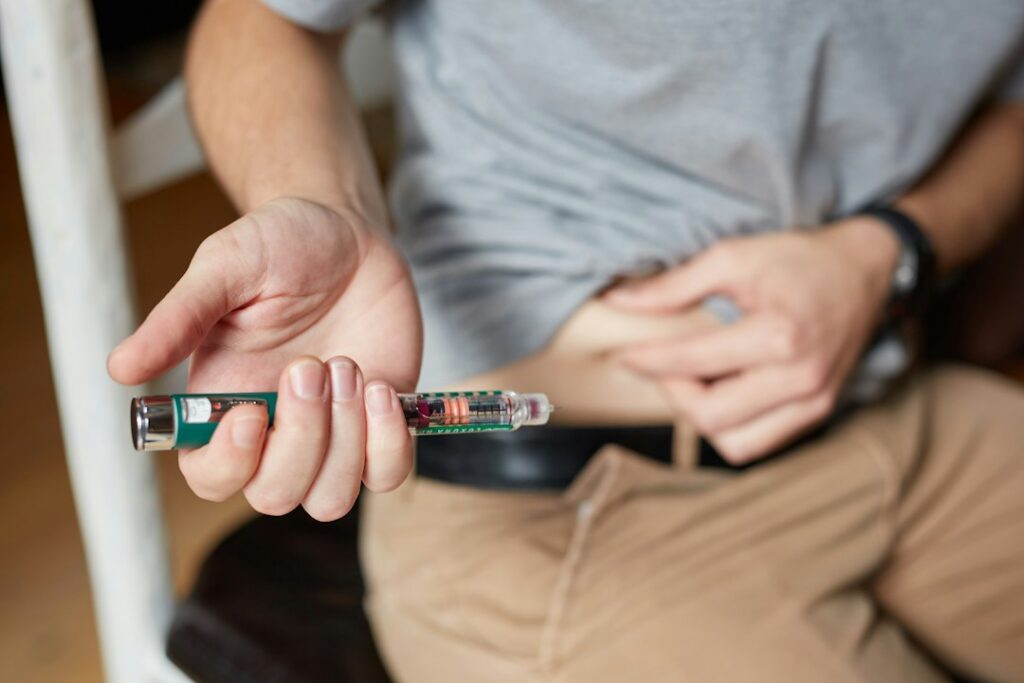
The cost of an EpiPen without insurance remains a source of frustration for millions of Americans who depend on epinephrine auto-injectors for life-threatening allergic reactions. A brand-name EpiPen 2-pack generally lists around $650 to $750 without insurance, but the cost of an EpiPen without insurance can be reduced substantially by choosing an authorized generic or other generic auto-injector, a newer option like the epinephrine nasal spray neffy, or a manufacturer discount program. Prices shift frequently and vary by pharmacy and region, so treat every figure here as an estimate and verify current pricing before you buy.
Epinephrine auto-injectors are essential emergency devices for people with severe allergies to foods, insect stings, medications, and other triggers. The American College of Allergy, Asthma and Immunology recommends that at-risk individuals carry two auto-injectors at all times. Because these devices expire after roughly 12 to 18 months, the recurring expense adds up quickly. If you have ever needed to use an EpiPen after an allergic reaction, such as from a bee sting, you know how critical affordable access is. This costs guide explains the full pricing picture and how to pay less. If you have coverage, see our companion article on how much an EpiPen costs with insurance, which focuses on copays and formulary tiers.
EpiPen Pricing Without Insurance in 2026
Here is roughly what you can expect to pay for epinephrine auto-injectors without insurance coverage. These are cash-price estimates; actual prices depend on the pharmacy, your location, and any discount card you use, so confirm before purchasing:
| Product | Package Size | Estimated Price Without Insurance |
|---|---|---|
| Brand-name EpiPen (Viatris/formerly Mylan) | 2-pack | $650 – $750 |
| Authorized generic epinephrine auto-injector (Viatris) | 2-pack | $300 – $450 |
| Generic epinephrine injection (Teva / Amneal, formerly Adrenaclick style) | 2-pack | $150 – $400 |
| Auvi-Q (kaléo) | 2-pack | $0 via direct program for eligible patients, up to $4,500+ at retail |
| Symjepi (prefilled syringe) | Single injector | $150 – $350 |
| neffy (epinephrine nasal spray) | 2-pack | Roughly $200-$700 cash; often far less with a savings card (verify current) |
The authorized generic of EpiPen, manufactured by the same company, is the most direct equivalent and typically costs a fraction of the brand-name price. Other auto-injector alternatives use slightly different injection mechanisms but deliver the same medication, epinephrine, at the same standard doses.
neffy: A Needle-Free Epinephrine Option
In August 2024, the U.S. Food and Drug Administration approved neffy, the first epinephrine nasal spray for the emergency treatment of Type I allergic reactions, including anaphylaxis. The initial approval (a 2 mg dose) was for adults and children weighing about 30 kilograms (roughly 66 pounds) or more, and a lower pediatric dose for smaller children followed in 2025. Because it is sprayed into the nose rather than injected, neffy may appeal to people who fear needles or hesitate to use an auto-injector, a hesitation that can cost precious minutes in an emergency.
neffy’s list price and out-of-pocket cost vary, and the manufacturer offers a savings program that can lower the price for eligible commercially insured patients. Coverage is still expanding, so ask your pharmacist and prescriber whether neffy is covered by your plan and whether it is an appropriate option for you. As with any epinephrine product, neffy does not replace emergency care, and you should still call 911 after using it.
Why Are EpiPens So Expensive?
The high cost of EpiPens has been a national controversy since Mylan raised the price from approximately $100 per 2-pack in 2007 to over $600 by 2016. Several factors contribute to the ongoing high prices:
- Limited competition: Despite the availability of generic alternatives, EpiPen remains the most recognized and prescribed brand, giving the manufacturer pricing power.
- Auto-injector device patents: While epinephrine itself is inexpensive (well under $1 per dose), the auto-injector delivery mechanism carries patents and manufacturing complexity that drive up costs.
- Pharmacy benefit manager (PBM) dynamics: The relationship between manufacturers, PBMs, and insurers can inflate list prices while obscuring the actual cost through rebates and discounts that do not always reach the patient. For more, see our explainer on what a PBM is.
- Expiration and replacement: EpiPens expire after roughly 12 to 18 months, creating mandatory recurring purchases that multiply the annual cost of an EpiPen without insurance.
The CDC reports that food allergies affect a significant share of the population, roughly 6 to 8 percent of children and about 6 percent of adults by its estimates, meaning millions of households face this expense annually. Prevalence estimates vary by survey and definition.
EpiPen Cost With Insurance
With insurance, the cost of an EpiPen drops considerably for most patients, though the exact amount depends on your plan’s formulary and tier placement. The figures below are typical ranges; your plan may differ:
- Commercial insurance (preferred brand): roughly $25 to $100 copay per 2-pack
- Commercial insurance (non-preferred brand): roughly $75 to $200 copay per 2-pack
- Generic with insurance: roughly $0 to $50 copay per 2-pack
- Medicare Part D: Covered under most formularies with varying copays. A $2,000 annual out-of-pocket cap on Part D drug spending (in effect for 2025 and continuing) helps limit total costs.
- Medicaid: Typically covered with $0 to a few dollars in copay
Many insurance plans place generic epinephrine auto-injectors on a lower formulary tier than brand-name EpiPen, resulting in significantly lower copays. Ask your pharmacist whether your plan prefers the generic version. Our sibling guide on EpiPen costs with insurance walks through copays, tiers, and deductibles in more detail.
How to Save Money on EpiPens
Several programs and strategies can reduce the cost of an EpiPen without insurance or with high-deductible plans:
Manufacturer Savings Card
Viatris (formerly Mylan) offers a savings card that can reduce the cost of brand-name EpiPen or its authorized generic for eligible commercially insured patients, sometimes to $0. Uninsured patients may also use the card for discounts, though savings vary. Cards are available through the manufacturer’s website; eligibility rules and amounts change, so verify current terms.
Auvi-Q Direct Program
kaléo, the manufacturer of Auvi-Q, has offered a direct-to-consumer program providing Auvi-Q at no cost to many patients with commercial insurance and at $0 out of pocket for qualifying uninsured patients below certain income thresholds. This program has made Auvi-Q one of the most affordable options for many families despite its high retail list price. Confirm current program details before relying on it.
Prescription Discount Cards
GoodRx and similar platforms frequently offer coupons for generic epinephrine auto-injectors, often bringing a 2-pack into the roughly $150 to $400 range. Prices vary by pharmacy, so checking multiple locations through the platform is recommended. Discount-card prices cannot be combined with insurance.
Patient Assistance Programs (PAPs)
Manufacturers, including Viatris, offer patient assistance programs for uninsured patients who meet income eligibility requirements, sometimes providing devices at no cost. Application forms are available through your prescriber’s office or the manufacturer’s website.
Ask About Alternatives
If cost is a barrier, talk to your doctor about alternatives to brand-name EpiPen. Generic and authorized generic auto-injectors, Auvi-Q, Symjepi, and neffy all deliver epinephrine and may cost less. Any change in device should be prescriber-directed, because the products are used differently. Some states also allow pharmacists to substitute an interchangeable product; ask your pharmacist what applies where you live.
Generic and Alternative Epinephrine Devices: A Closer Look
Understanding the differences between available epinephrine products helps you choose the most affordable and appropriate option with your prescriber:
- Authorized generic EpiPen: Essentially identical to brand-name EpiPen, including the injection mechanism, but marketed without the brand name. This is the most straightforward substitution.
- Generic epinephrine injection (Teva / Amneal): Uses a slightly different injection mechanism. Training on the specific device is important for patients switching from EpiPen. Often available at lower price points.
- Auvi-Q: Features a voice-guided audio prompt that walks users through the injection and a compact, credit-card-sized design. The direct program pricing makes it highly affordable for qualifying patients.
- Symjepi: A prefilled syringe rather than an auto-injector. It requires a manual injection, which some people find more challenging during an emergency, so review technique with your clinician. Typically priced lower than traditional auto-injectors.
- neffy (nasal spray): Needle-free epinephrine delivered into the nose, FDA-approved in 2024. Useful for those with needle anxiety, though coverage and price are still evolving.
Injectable products contain the same active ingredient, epinephrine, at the same standard doses (commonly 0.15 mg for smaller children and 0.3 mg for older children and adults). The FDA approves these devices for the emergency treatment of anaphylaxis; discuss with your prescriber which product and dose are right for each family member, since the correct dose depends on weight.
How Many EpiPens Do You Need Per Year?
The annual cost of an EpiPen without insurance depends on how many you keep on hand and how often they expire. Most allergists recommend:
- At least 2 auto-injectors carried at all times (one 2-pack)
- Additional sets stored at school, work, a partner’s or relative’s home, or in a car
- Replacement at expiration, roughly every 12 to 18 months
For a family with one allergic child, the annual cost could include two to three 2-packs, totaling roughly $600 to $2,250 without insurance for brand-name EpiPen, or a few hundred dollars for generics. Families with multiple allergic members face even higher expenses. Check the expiration date on every device you own and set a reminder to replace them on time.
Frequently Asked Questions
Can I use an expired EpiPen in an emergency?
Always use a non-expired device when one is available. Research, including work published in the Annals of Allergy, Asthma and Immunology, has found that auto-injectors may retain much of their potency for some months past the printed expiration date. In a life-threatening emergency where no unexpired auto-injector is available, using an expired one is better than using nothing, and you should still call 911. Replace expired devices as soon as possible and always carry a current one.
Can I buy an EpiPen without a prescription?
No. Epinephrine auto-injectors require a prescription in the United States. However, many states allow pharmacists to dispense epinephrine auto-injectors under standing orders or collaborative practice agreements, which can make it easier to obtain one quickly. Some telehealth services can also issue prescriptions.
Is there an over-the-counter epinephrine option?
As of 2026, there is no FDA-approved over-the-counter epinephrine auto-injector for general purchase. The nasal spray neffy still requires a prescription. Some states allow certain epinephrine products to be stocked and used without an individual prescription in specific settings such as schools and public venues. Verify current rules where you live.
Why do I need two EpiPens?
A meaningful share of anaphylactic reactions, commonly cited as around 10 to 20 percent, require a second dose of epinephrine if symptoms do not improve or return after the first injection. Carrying two devices ensures a backup dose while waiting for emergency medical services. The Mayo Clinic and major allergy organizations recommend carrying at least two.
Does neffy work as well as an auto-injector?
The FDA approved neffy based on studies showing it produces epinephrine blood levels comparable to injection. It is an approved option, not a proven superior one, and the right choice depends on the individual. Discuss it with your allergist or prescriber rather than switching on your own.
Final Takeaway
The cost of an EpiPen without insurance ranges from a few hundred dollars for generic alternatives to around $650 to $750 for brand-name devices, with annual expenses reaching well over $1,000 for some families. To save money, ask your prescriber about generic or authorized generic versions, Auvi-Q’s direct program, Symjepi, or the nasal spray neffy; use manufacturer savings cards and patient assistance programs; and compare discount-card pricing at multiple pharmacies. For anyone managing severe allergies, affordable and reliable access to epinephrine is not optional, it is essential. Learn more about emergency allergy treatment, including how to treat a bee sting, and explore our broader costs guide for additional savings strategies.
Emergency safety note (read this): If you or someone else may be having a severe allergic reaction (anaphylaxis), use epinephrine immediately and call 911. Do not wait to see whether antihistamines like diphenhydramine work, and do not delay the injection. After giving epinephrine, get emergency medical care right away, even if symptoms improve, because reactions can return. Carry two auto-injectors, check expiration dates, and use the exact device and dose your prescriber recommends. This article is general information about costs, not medical advice, and it is not a substitute for care from a qualified clinician or the emergency department. Prices and coverage change frequently, so verify current pricing with your pharmacy, insurer, or the manufacturer.
Sources
- U.S. Food and Drug Administration (FDA) – approval of epinephrine nasal spray (neffy), 2024
- MedlinePlus (U.S. National Library of Medicine) – Epinephrine Injection: when to use, calling for emergency help, carrying two devices, expiration
- GoodRx – epinephrine auto-injector and neffy pricing (verify current)
- Centers for Disease Control and Prevention (CDC) – food allergy prevalence
- American College of Allergy, Asthma and Immunology (ACAAI) and Mayo Clinic – carrying two auto-injectors and anaphylaxis guidance