
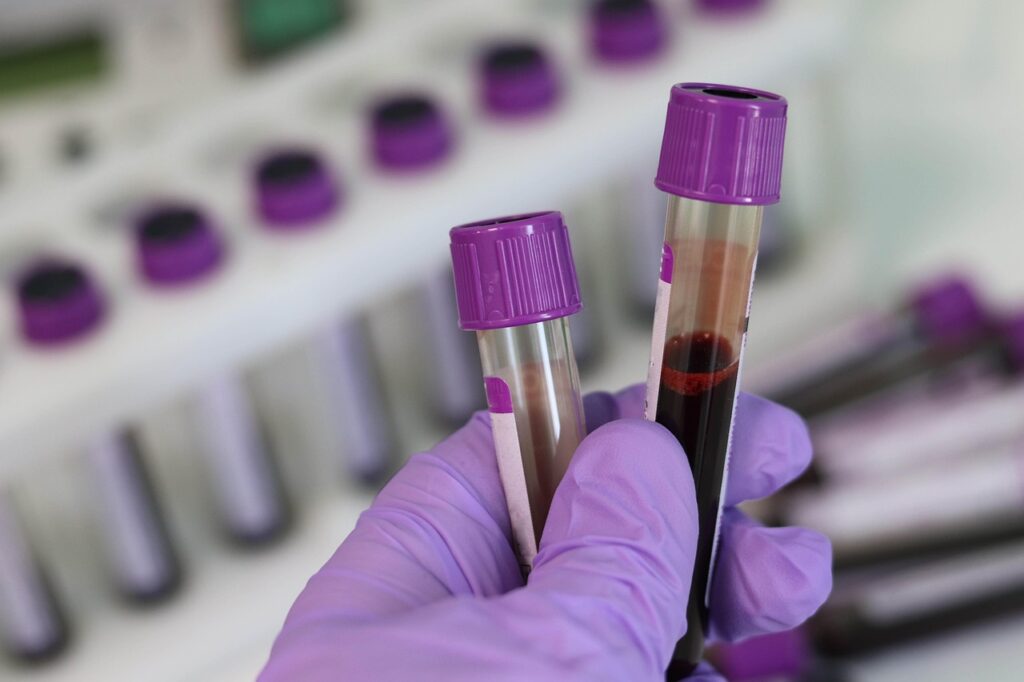
- Sodium and potassium are electrolytes that help control fluid balance, nerve signals, and muscle function, including the heartbeat.
- They are usually measured as part of a basic metabolic panel, often with other electrolytes and kidney markers.
- Reference ranges and units vary by lab, so your own report's range and your clinician's interpretation are what count.
- Abnormal potassium in particular can affect the heart, so significant changes are treated as important by clinicians.
- Hydration, medications (like diuretics), kidney function, and hormones can all shift these levels.
- Do not take potassium or salt supplements or change medications based on one result; discuss next steps with your clinician.
Sodium and potassium are two of the body’s key electrolytes, minerals that carry an electrical charge and help run essential processes. They are usually measured together as part of a routine blood panel, and they help clinicians understand your fluid balance, kidney function, and how well nerves and muscles, including the heart, are working. This guide explains what these tests measure, how results are generally read, and why interpretation belongs with a clinician rather than a lab printout alone.
What sodium and potassium do
Sodium is the main electrolyte in the fluid outside your cells and plays a central role in balancing water in the body and supporting nerve and muscle function. Potassium is concentrated mostly inside cells and is especially important for steady muscle contractions, including the regular rhythm of the heart. The body works hard to keep both within narrow ranges, using the kidneys, hormones, and thirst to fine-tune them from moment to moment. Because they are tied to hydration, kidney function, and several hormones, even small persistent changes can be meaningful and are worth interpreting carefully rather than reacting to a single number.
Why a doctor might order these tests
- As part of a routine panel, such as a basic or comprehensive metabolic panel during a checkup or hospital visit.
- To monitor medications that affect electrolytes, such as diuretics (“water pills”), some blood pressure drugs, and others.
- To evaluate symptoms like weakness, confusion, irregular heartbeat, swelling, or excessive thirst.
- To check kidney, heart, or hormone-related conditions, since these systems influence electrolyte balance.
Sodium and potassium are usually read together with other results, such as chloride, bicarbonate, and kidney markers like creatinine.
Typical ranges and units (they vary)
Sodium and potassium are usually reported in milliequivalents per liter (mEq/L) or millimoles per liter (mmol/L), which are numerically equivalent for these electrolytes. Laboratories set their own reference ranges, and what counts as “normal,” “high,” or “low” can differ slightly from one lab to another. Handling of the sample can matter too: for example, if a blood sample is difficult to draw or partially breaks down, potassium can read falsely high, sometimes prompting a repeat test. Because of this variation, you should not compare your result to a range you found online or to a friend’s result from a different lab. The result that matters is the one your clinician interprets against your history and other tests.
| Finding | Medical term | Examples of what it may relate to |
|---|---|---|
| Low sodium | Hyponatremia | Excess fluid, certain medications, hormone or kidney issues |
| High sodium | Hypernatremia | Dehydration or reduced water intake, among other causes |
| Low potassium | Hypokalemia | Some diuretics, vomiting or diarrhea, other losses |
| High potassium | Hyperkalemia | Reduced kidney function, some medications, or sample handling |
These are general associations only, not a diagnosis. The cause is worked out in context.
What high or low results may suggest
Abnormal sodium often reflects the balance between water and salt in the body more than salt intake alone; both low and high sodium have many possible causes and can occasionally cause symptoms such as confusion or weakness when severe. Abnormal potassium is taken seriously because it can affect the heart’s rhythm; markedly high or low potassium may need prompt attention. Many everyday factors influence these numbers, including hydration, medications, hormones, and kidney function. Some hormonal conditions that affect electrolytes overlap with other lab work, which is one reason clinicians look at the whole picture, sometimes alongside tests like how thyroid tests are read or what an insulin test measures.
What to do with your result
The safest approach is to bring your result to the clinician who ordered it. Do not start potassium supplements, salt tablets, or salt substitutes (many of which are high in potassium), or change any medication such as a diuretic, based on one number, because this can be dangerous, especially for the heart or in kidney disease. If a result is abnormal, your clinician may repeat the test, review your medications and hydration, or order follow-up tests to find the cause. For more careful, evidence-based context on lab testing, visit our evidence-first wellness guides.
Frequently asked questions
What do sodium and potassium tests check? They help assess fluid balance, kidney and heart function, and the effects of certain medications, usually as part of a broader panel.
What are normal sodium and potassium levels? Ranges and units vary by laboratory. Your own lab’s range and your clinician’s interpretation are what count.
Why is high potassium a concern? Potassium strongly affects the heartbeat, so significant elevations are treated as important and may need prompt evaluation.
Can a result be falsely high? Yes. Sample handling can make potassium read falsely high, which is one reason a clinician may repeat the test.
Should I take a supplement if potassium is low? Only under guidance. Self-treating with potassium or salt substitutes can be risky; your clinician will advise on the cause and any treatment.
Do these tests need fasting? Sometimes, depending on what else is on the panel. Follow the specific instructions from the lab or clinician.
This article is for general education and is not medical advice. Supplements and therapies affect people differently and can interact with medications or conditions. Talk to your doctor, pharmacist, or a licensed clinician before making changes to your health routine.
Sources
- MedlinePlus — Sodium Blood Test, Potassium Blood Test, and Electrolytes
- Mayo Clinic — Electrolytes and metabolic panels
- National Institute of Diabetes and Digestive and Kidney Diseases (NIDDK) — Kidney function and electrolytes
- National Kidney Foundation — Potassium and your health