
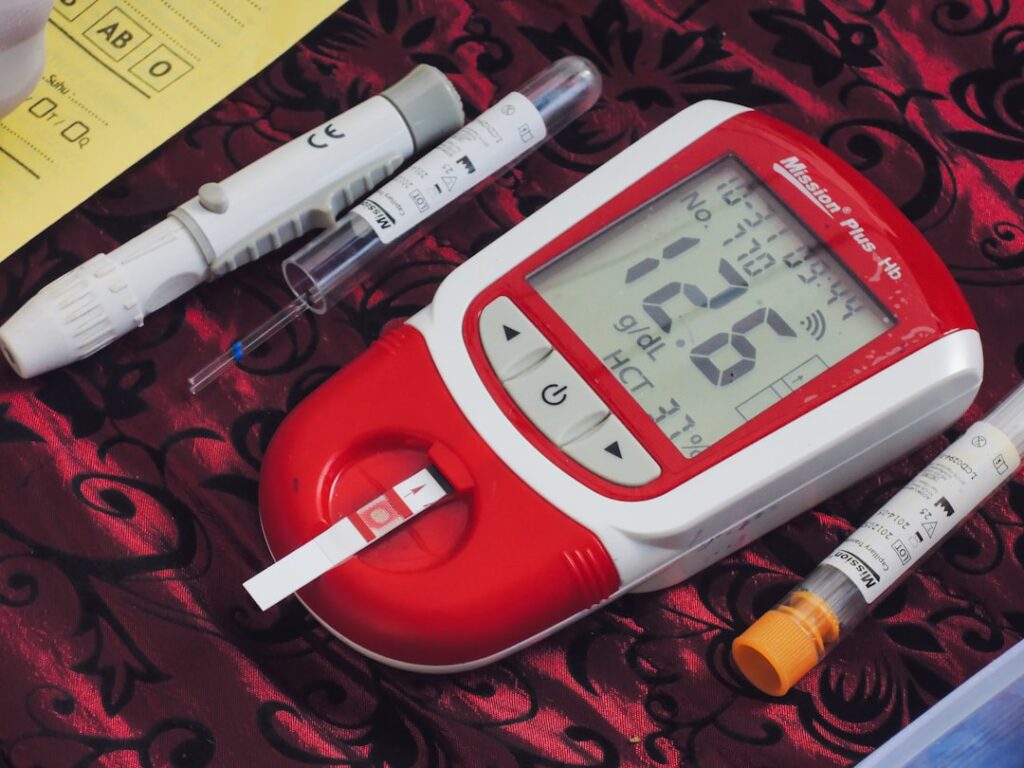
- Free T4 measures the unbound, active form of thyroxine, a key thyroid hormone, in your blood.
- It is often ordered alongside TSH to help evaluate how the thyroid is working.
- Reference ranges and units vary by lab, so your own report's range and your clinician's interpretation are what count.
- High or low free T4 can point toward an overactive or underactive thyroid, but results must be read in context.
- Pregnancy, illness, and some medications can affect thyroid results, so tell your clinician about your situation.
- Do not start, stop, or change thyroid medication or supplements based on one result; discuss next steps with your clinician.
A free T4 test is a blood test that measures the level of free thyroxine, one of the main hormones made by your thyroid gland. “Free” means the portion that is unbound and available for your body to use, rather than the part attached to proteins in the blood. Doctors often order it, usually alongside a TSH test, to help evaluate how the thyroid is working. This guide explains what the test measures, how results are generally read, and why interpretation belongs with a clinician rather than a lab printout alone.
What the test measures
Your thyroid produces two key hormones: thyroxine (T4) and triiodothyronine (T3). Most T4 in the blood is bound to proteins, and only a small fraction circulates “free.” Because the free portion is the biologically active part, measuring free T4 can give a clearer picture of thyroid activity than total T4 in some situations. Free T4 works together with TSH (thyroid-stimulating hormone), a pituitary signal that rises or falls in response to thyroid hormone levels, which is why the two are frequently tested together.
Why a doctor might order it
- To evaluate an abnormal TSH result and clarify whether the thyroid is underactive or overactive.
- To investigate symptoms such as fatigue, weight change, temperature sensitivity, or heart-rate changes that could relate to thyroid function.
- To monitor known thyroid conditions or the effects of thyroid medication over time.
- To assess the pituitary and thyroid together in certain complex cases.
Free T4 is one piece of a bigger picture. Your clinician may also consider TSH, T3, thyroid antibodies, your symptoms, and your history.
Typical ranges and units (they vary)
Free T4 is commonly reported in nanograms per deciliter (ng/dL) or picomoles per liter (pmol/L). Laboratories set their own reference ranges, and what counts as “normal,” “high,” or “low” can differ from one lab to another depending on the equipment and methods used. Age, pregnancy, acute illness, and certain medications can also influence the number. Because of this variation, you should not compare your result to a range you found online or to a friend’s result from a different lab. The result that matters is the one your clinician interprets against your own history, symptoms, and other tests, especially TSH.
| Pattern (interpreted with TSH) | What it may suggest |
|---|---|
| Low free T4 with high TSH | May point toward an underactive thyroid (hypothyroidism) |
| High free T4 with low TSH | May point toward an overactive thyroid (hyperthyroidism) |
| Normal free T4 with abnormal TSH | May reflect early or subclinical changes; often needs follow-up |
| Results affected by illness or drugs | Some medications and severe illness can alter thyroid numbers |
These are general patterns only, not a diagnosis. Thyroid results are interpreted as a set, and a single value out of range does not by itself confirm a condition.
What high or low results may suggest
A high free T4, especially with a low TSH, may suggest an overactive thyroid, which can be associated with symptoms such as a racing heart, weight loss, or anxiety. A low free T4, especially with a high TSH, may suggest an underactive thyroid, which can be associated with fatigue, weight gain, or feeling cold. But many things can shift these numbers, including pregnancy, recent illness, and medications such as certain steroids, amiodarone, or biotin supplements (which can interfere with some lab assays). This is exactly why a clinician interprets the full pattern rather than reacting to one figure.
What to do with your result
The safest approach is to bring your result to the clinician who ordered it. Do not start, stop, or change thyroid medication, iodine, or over-the-counter products based on one number. If you take biotin, mention it, since high doses can affect some thyroid test results. People sometimes ask about supplements marketed for thyroid support; our overview explains why the evidence is often mixed or limited and why self-treating a thyroid problem is not advisable. Because low B vitamins and thyroid symptoms can overlap in vague ways, you might also read about what a folate test measures. For more careful, evidence-based context on lab testing, visit our evidence-first wellness guides.
Frequently asked questions
What is a free T4 test used for? It helps evaluate thyroid function, often alongside TSH, and helps clarify whether the thyroid may be underactive or overactive.
What is a normal free T4 level? Ranges and units vary by laboratory. Your own lab’s reference range and your clinician’s interpretation are what count.
Do I need to fast before the test? Usually no special fasting is required, but follow the specific instructions from the lab or clinician who ordered it.
Can supplements affect my result? Yes. Biotin in particular can interfere with some thyroid assays, so tell your clinician about any supplements you take.
Does a high or low result mean I have thyroid disease? Not on its own. Thyroid results are interpreted together and in context; one value does not diagnose a condition.
Should I change my thyroid medication based on this test? Never adjust thyroid medication yourself. Any change should be guided by the clinician managing your care.
This article is for general education and is not medical advice. Supplements and therapies affect people differently and can interact with medications or conditions. Talk to your doctor, pharmacist, or a licensed clinician before making changes to your health routine.
Sources
- MedlinePlus — Free T4 Test and Thyroid Tests
- Mayo Clinic — Thyroid function testing
- National Institute of Diabetes and Digestive and Kidney Diseases (NIDDK) — Thyroid tests and conditions
- American Thyroid Association — Thyroid function tests