
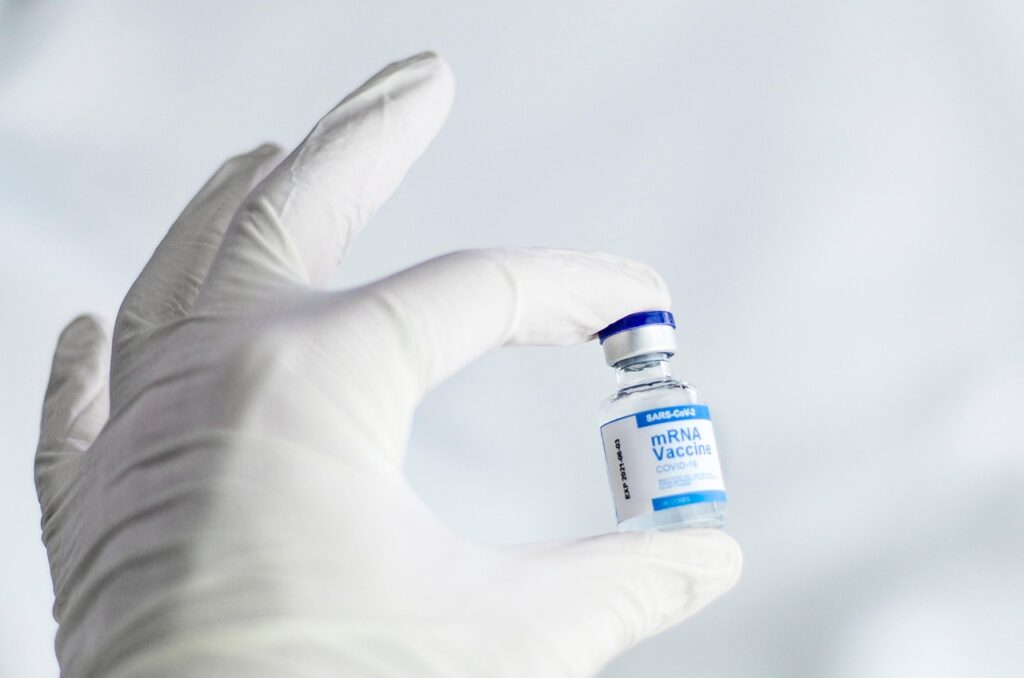
- CDC now recommends routine pneumococcal vaccination for all adults 50 and older, and for adults 19-49 with certain risk conditions (ACIP lowered the age from 65 to 50).
- Three conjugate vaccines are in use — PCV15, PCV20, and PCV21 (Capvaxive) — plus the older PPSV23 polysaccharide vaccine.
- For an adult with no prior pneumococcal conjugate vaccine, a single dose of PCV15, PCV20, or PCV21 is recommended; if PCV15 is chosen, a dose of PPSV23 follows at least a year later.
- Recommendations are set by CDC/ACIP and updated periodically — confirm the current schedule and the right product and timing with your clinician or pharmacist, who personalizes it to your age, prior vaccines, and health.
- Pneumococcal disease is a leading cause of pneumonia, bloodstream infection, and meningitis in older adults; the vaccines are safe, well tolerated, and evidence-based.
- Medicare Part B covers pneumococcal vaccination in full when given by an enrolled provider. This is general education, not medical advice.
——————————————————————————–
Pneumococcal disease kills more older Americans than most other vaccine-preventable bacterial infections, and the bacterial pneumonias that don’t kill often hospitalize. Across all ages, pneumococcal disease causes thousands of deaths and hundreds of thousands of hospitalizations annually in the US. The good news is that the pneumonia vaccine landscape for older adults has been simplified considerably in recent years — but the details still confuse patients and clinicians, partly because several vaccines remain in circulation and partly because the rules for younger adults with risk conditions differ from those for older adults.
This guide explains what each vaccine covers, the current CDC/ACIP-recommended approach, side effects, costs under Medicare, and the special situations that change the rules. One thing to hold onto throughout: pneumococcal recommendations are set by the CDC’s Advisory Committee on Immunization Practices (ACIP) and are updated periodically, so treat this as background and confirm the current schedule — and the right product and timing for you — with your own clinician or pharmacist. For related vaccines, see our shingles vaccine guide and healthy aging guide. Broader senior topics live in our medical conditions library.
Why Pneumococcal Vaccination Matters in Older Adults
Streptococcus pneumoniae is a leading bacterial cause of community-acquired pneumonia, bacteremia (bloodstream infection), and meningitis in older adults. Adults 65 and older have among the highest rates of invasive pneumococcal disease, and the case fatality rate is meaningful — a substantial share of older adults hospitalized with invasive pneumococcal disease do not survive that admission, according to CDC surveillance. Chronic conditions common in later life, such as diabetes, heart disease, and lung disease, raise the risk further.
Pneumococcal vaccines meaningfully reduce the risk of invasive pneumococcal disease in older adults when current schedules are followed. They do not prevent all pneumonia — viral pneumonias, other bacterial causes, and aspiration are unaffected — but they substantially cut disease from a leading bacterial pathogen. Decades of use and safety monitoring support that these vaccines are safe and effective; they are among the better-studied vaccines given to adults.
The Vaccines in Use Today
Several pneumococcal vaccines are currently in use in the US, each covering a different range of bacterial serotypes. Three are conjugate vaccines (PCVs), and one is an older polysaccharide vaccine.
PCV21 (Capvaxive) is a 21-valent pneumococcal conjugate vaccine designed specifically for adults, FDA-approved in 2024. It targets the serotypes responsible for the majority of remaining invasive pneumococcal disease in adults, and ACIP includes it as a single-dose option for adults who are due for a PCV.
PCV20 (Prevnar 20) is a 20-valent pneumococcal conjugate vaccine. It covers 20 serotypes and is recommended as a single-dose option for adults with no prior pneumococcal conjugate vaccination.
PCV15 (Vaxneuvance) is a 15-valent pneumococcal conjugate vaccine. When PCV15 is used in adults, it is followed by a dose of PPSV23 at least one year later (a shorter interval is sometimes used for certain immunocompromised patients — a decision for the clinician).
PPSV23 (Pneumovax 23) is a 23-valent polysaccharide vaccine — older technology that produces less robust and shorter-lasting immunity than conjugate vaccines but still adds coverage for additional serotypes. In current adult schedules it is used as a follow-up to PCV15, not as a stand-alone vaccine for most adults.
PCV13 (Prevnar 13) was the prior-generation conjugate vaccine. It has been largely supplanted by PCV15, PCV20, and PCV21. Adults who previously received PCV13 still benefit from completing their schedule; what they need next depends on their history, which is exactly the kind of question a clinician or pharmacist can resolve quickly.
Current ACIP Recommendations: Adults 50 and Up
In a significant update, ACIP lowered the recommended age for routine pneumococcal vaccination from 65 to 50 years old (a change adopted after the October 2024 ACIP vote), and CDC now recommends pneumococcal vaccination for all adults 50 and older. The change captures protection during the period when invasive-disease risk begins to climb, and it also simplifies the picture for many people.
For an adult who has never received a pneumococcal conjugate vaccine, the recommended approach is a single dose of PCV15, PCV20, or PCV21. If PCV15 is the vaccine given, a dose of PPSV23 follows at least one year later. If PCV20 or PCV21 is given, a dose of PPSV23 is generally not indicated — the single conjugate dose completes the series for most adults. Which specific product a person receives often comes down to what the clinic or pharmacy stocks and the clinician’s judgment; all are acceptable options.
For adults 65+ who previously received both PCV13 and PPSV23, CDC describes shared clinical decision-making about whether to receive an additional dose of PCV20 or PCV21. Because prior-history scenarios can get complicated, clinicians use the CDC’s PneumoRecs tool to determine what, if anything, a given patient needs next. Bringing a vaccination record to the visit makes that conversation fast and accurate.
Adults Under 50 With Risk Conditions
Adults 19 to 49 with certain conditions — diabetes; chronic heart, lung, liver, or kidney disease; immunocompromising conditions (HIV, cancer, transplant, on immunosuppressants); cochlear implants; CSF leaks; sickle cell disease or asplenia; smoking; and alcohol use disorder — are recommended for pneumococcal vaccination earlier than age 50. As with older adults, the core option is a single dose of PCV15, PCV20, or PCV21, with PPSV23 following PCV15; some immunocompromised adults have additional or differently timed doses. The exact schedule depends on the specific condition, so this is squarely a decision to personalize with a clinician rather than to self-direct.
Side Effects
Pneumococcal vaccines are generally well tolerated. The most common side effects are injection-site reactions (pain, redness, swelling) lasting 1 to 3 days. Systemic symptoms — mild fever, fatigue, muscle aches — occur in a smaller subset and typically resolve within 1 to 2 days. Serious adverse events are rare, and the vaccines have a long track record of safety monitoring.
Conjugate vaccines (PCV15, PCV20, PCV21) tend to cause more local reactions than the older PPSV23 polysaccharide vaccine but produce stronger and more durable immunity. If you have had a severe allergic reaction to a pneumococcal vaccine or one of its components in the past, tell your clinician before vaccination.
Cost and Insurance
Medicare Part B covers pneumococcal vaccines at 100% with no copay or deductible. This is unusual — most adult vaccines are covered under Part D — and reflects the long-standing classification of pneumococcal vaccination as a preventive Part B benefit. The Medicare pneumococcal coverage page confirms full coverage when the vaccine is administered by a Medicare-enrolled provider.
Most private insurance plans cover pneumococcal vaccines as preventive care under the ACA with no cost-sharing when you use an in-network provider. Without insurance, list prices generally run from roughly $130 for PPSV23 to a few hundred dollars for a conjugate dose; these are estimates that vary by pharmacy and product, so verify current pricing. Manufacturer assistance and pharmacy programs may reduce out-of-pocket costs.
Co-administration With Other Vaccines
Pneumococcal vaccines can generally be given at the same visit as influenza, COVID-19, RSV, shingles (Shingrix), and Tdap vaccines, at separate injection sites. Combining vaccines into a single visit improves uptake and is supported by ACIP. Some patients prefer to space shots out by a few days to manage potential additive side effects; there is no immunologic requirement to do so, and your clinician or pharmacist can advise on the best plan for you.
Special Populations
Adults receiving immunosuppressive therapy benefit from pneumococcal vaccination but may have a reduced immune response. ACIP has specific schedules for transplant recipients, patients with hematologic malignancies, and those on biologic immunosuppressants — another reason these individuals should have their schedule set by their specialist.
Adults living in long-term care facilities have higher pneumococcal disease risk and benefit from up-to-date vaccination. Facility admission is a reasonable trigger to verify pneumococcal vaccination status. Our long-term care options guide covers the broader healthcare context.
Smokers and people with alcohol use disorder are at higher risk for pneumococcal disease and benefit from earlier vaccination. Smoking cessation also independently reduces pneumonia risk.
When to seek emergency care: Call 911 or go to the emergency room for signs of a severe allergic reaction after vaccination — difficulty breathing, throat or face swelling, hives, dizziness, or fainting. For pneumonia symptoms even after vaccination — fever, productive cough, shortness of breath, chest pain, or new confusion in an older adult — seek same-day medical evaluation. Vaccination reduces but does not eliminate pneumonia risk.
Frequently Asked Questions
Is one dose of a conjugate vaccine really all I need?
For most adults with no prior pneumococcal conjugate vaccine, a single dose of PCV20 or PCV21 completes the series; a single dose of PCV15 is followed by PPSV23 at least a year later. Some people with immunocompromising conditions need additional doses. Your clinician or pharmacist confirms what applies to you.
What if I had pneumococcal vaccines years ago?
What you need next depends on which prior vaccines you received. The CDC’s PneumoRecs tool is the standard reference clinicians use, and bringing a vaccination record to your physician or pharmacist makes the conversation efficient.
Does the pneumonia vaccine prevent COVID-19 pneumonia?
No. Pneumococcal vaccines prevent disease caused by Streptococcus pneumoniae, not viral pneumonias including COVID-19. Both pneumococcal and COVID-19 vaccines are recommended for older adults, and they can typically be given at the same visit.
Do I need to repeat pneumococcal vaccination later?
For most adults who complete the current recommended series (a single PCV20 or PCV21, or PCV15 followed by PPSV23), no routine repeat is currently needed. Recommendations can change as long-term protection data accumulate, so check with your clinician if you are unsure whether your series is complete.
Why did the recommended age drop to 50?
ACIP lowered the routine age from 65 to 50 to extend protection into the years when pneumococcal disease risk starts to rise, and because a single conjugate dose given at 50 covers most people’s needs going forward. As with all ACIP guidance, it can be revisited over time.
The Bottom Line
Pneumococcal vaccination is one of the highest-yield preventive measures available to older adults. Current CDC/ACIP guidance simplifies what was once a confusing landscape: routine vaccination now starts at age 50, and for most adults a single dose of PCV20 or PCV21 — or PCV15 followed by PPSV23 a year later — completes the series. Medicare Part B pays in full, and side effects are mild and transient. Because these recommendations are updated periodically, confirm the current schedule and the right product for your situation with your clinician or pharmacist, who will personalize it to your age, prior vaccines, and health conditions. Coordinating the pneumonia vaccine with the flu shot, COVID vaccine, RSV vaccine, and shingles vaccine in a small number of visits gets older adults to a strong baseline of protection efficiently.
CDC now recommends routine pneumococcal vaccination for all adults 50 and older (and for adults 19-49 with risk conditions). Three conjugate vaccines are in use — PCV15, PCV20, and PCV21 (Capvaxive) — plus the older PPSV23. For an adult with no prior conjugate vaccine, one dose of PCV15, PCV20, or PCV21 is recommended; PPSV23 is added at least a year later only when PCV15 is used. These recommendations are set by CDC/ACIP and updated periodically, so confirm the current schedule and the right product and timing with your clinician or pharmacist — who personalizes it to your age, prior vaccines, and health. The vaccines are safe and effective. This is general education, not medical advice.
Sources
- CDC — Pneumococcal Vaccination: adult recommendations (routine for all adults 50+ and for adults 19-49 with risk conditions; PCV15, PCV20, PCV21, and PPSV23; a single dose of PCV15, PCV20, or PCV21, with PPSV23 following only after PCV15)
- CDC — PneumoRecs tool for clinicians navigating prior pneumococcal vaccination histories
- Advisory Committee on Immunization Practices (ACIP) — pneumococcal recommendation updates, including lowering the routine age from 65 to 50 and the addition of PCV21
- Medicare.gov — pneumococcal shot coverage under Part B at no cost when given by an enrolled provider