
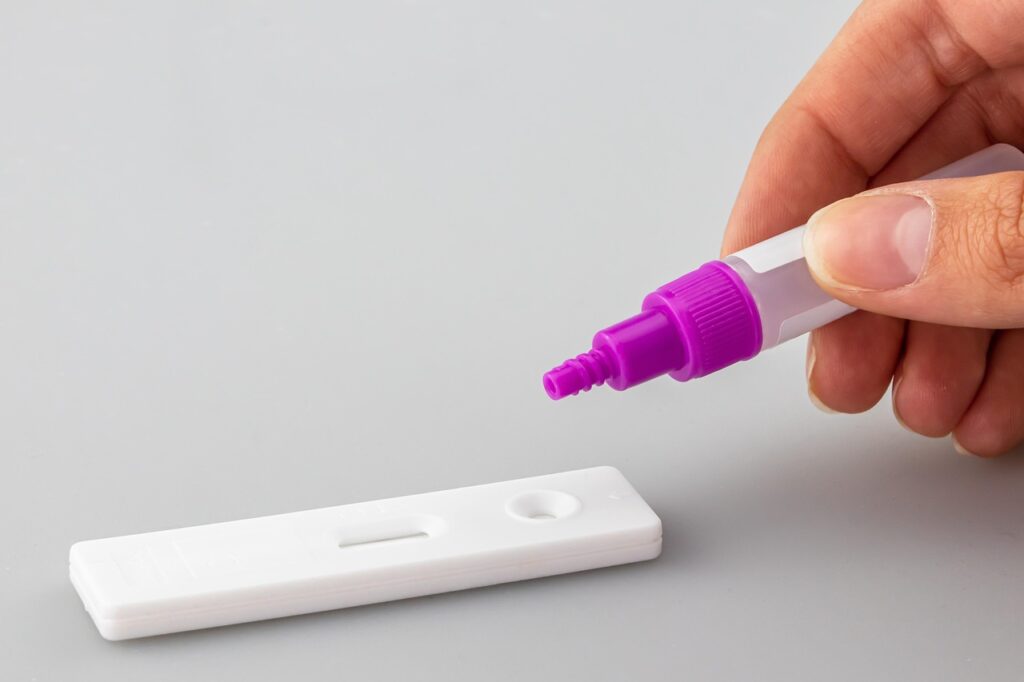
- A uric acid test usually measures uric acid in the blood to help assess conditions like gout or kidney stones.
- Reference ranges and units vary by lab; your report lists the range used for your result.
- High uric acid (hyperuricemia) can be linked to gout, but many people with high levels never develop symptoms.
- Low uric acid is less common and may relate to certain medications or conditions.
- Diet, alcohol, medications, kidney function, and genetics can all influence uric acid levels.
- Only a clinician can interpret your result alongside symptoms, history, and other tests.
Uric acid is a waste product formed when the body breaks down purines, substances found in your cells and in many foods. Normally, uric acid dissolves in the blood, passes through the kidneys, and leaves in urine. When levels build up, uric acid can form crystals that lead to conditions such as gout or certain kidney stones. A uric acid test measures the amount of uric acid in your blood (or sometimes urine) and helps a clinician assess these concerns. This guide explains what the test measures, how to read typical reference ranges, and what results may suggest, as educational information, not a way to self-diagnose or change treatment.
What a uric acid test measures
The most common version is a serum uric acid blood test, a simple blood draw that measures uric acid in your blood. A doctor may order it if you have symptoms of gout (such as sudden, severe joint pain, often in the big toe, with redness and swelling), a history of kidney stones, or to monitor treatment. A 24-hour urine uric acid test is sometimes used to see how much uric acid your kidneys are removing, which can help clarify the cause of high levels. Uric acid may also be checked during certain cancer treatments, when rapid cell breakdown can raise levels. In people already diagnosed with gout, repeat testing is sometimes used to track whether a treatment is bringing levels toward a target set by the clinician, rather than to make a diagnosis from scratch.
Typical reference ranges (labs and units vary)
Reference ranges differ between laboratories and depend on the units and, sometimes, on sex. Always read your result against the range on your own lab report. As a general illustration only, serum uric acid is often reported in a range such as the following:
| Group | Common units | Illustrative typical range* |
|---|---|---|
| Adults (men) | mg/dL | about 3.4–7.0 mg/dL |
| Adults (women) | mg/dL | about 2.4–6.0 mg/dL |
| Serum uric acid | mmol/L | varies; see your lab report |
*Illustrative only. Your laboratory’s reference range is the one that applies to your result, and ranges can differ by lab, method, sex, and population. A result slightly outside a range is not automatically a diagnosis.
What high uric acid may suggest
A high level (hyperuricemia) means there is more uric acid in the blood than the reference range. It is associated with gout, a form of inflammatory arthritis caused by uric acid crystals in joints, and with some kidney stones. Importantly, many people with high uric acid never develop gout or symptoms, and gout can sometimes occur even when a blood level looks normal, especially during a flare. Factors often discussed with high levels include diet (foods high in purines, sugary drinks), alcohol, obesity, certain medications such as some diuretics, reduced kidney function, and genetics. If you are dealing with joint discomfort, our overview of supplements studied for joint pain explains what the evidence does and does not show. Do not start or stop any treatment based on a number alone.
What low uric acid may suggest
A low level is less common and usually of less concern. It can be linked to certain medications, some inherited conditions, or other health issues. As with high results, a low value is interpreted in context by your clinician rather than treated as a diagnosis on its own. In many cases, a mildly low reading in someone without symptoms needs no specific action, though your doctor may repeat the test or review your medications if the result seems unexpected.
Why context matters
A uric acid level is one piece of information. Your clinician interprets it alongside your symptoms, joint exam, medical history, medications, kidney function, and sometimes joint fluid analysis, which is the most definitive way to confirm gout. Lifestyle factors like diet and alcohol can shift levels, and results can vary during an acute flare. If you are reviewing other routine blood tests, you may find our explainer on what a magnesium test measures helpful, and our wellness guides take an evidence-first approach throughout. Any supplements you consider are not evaluated by the FDA and are not intended to diagnose, treat, cure, or prevent any disease.
Frequently asked questions
Do I need to fast before a uric acid test? Sometimes fasting is requested; follow the specific instructions from your clinician or lab.
What counts as high uric acid? It depends on your lab and units, but levels above roughly 6.0–7.0 mg/dL are often described as elevated. Your report’s reference range is what applies.
Does high uric acid always mean gout? No. Many people with high levels never develop gout, and diagnosis relies on symptoms and, ideally, joint fluid analysis, not the blood number alone.
Can diet change my level? Diet, sugary drinks, and alcohol can influence uric acid, though individual responses vary and genetics play a large role.
Can medications raise uric acid? Yes. Some medications, including certain diuretics, can increase levels, which your clinician will consider.
Should I treat a high number without symptoms? That is a decision for your clinician. Asymptomatic high uric acid is not always treated; the approach depends on your overall picture.
This article is for general education and is not medical advice. Supplements and therapies affect people differently and can interact with medications or conditions. Talk to your doctor, pharmacist, or a licensed clinician before making changes to your health routine.
Sources
- MedlinePlus — uric acid blood test overview and reference ranges
- Mayo Clinic — gout and hyperuricemia information
- National Institute of Arthritis and Musculoskeletal and Skin Diseases (NIAMS) — gout overview
- National Institutes of Health (NIH) — uric acid and metabolic information