
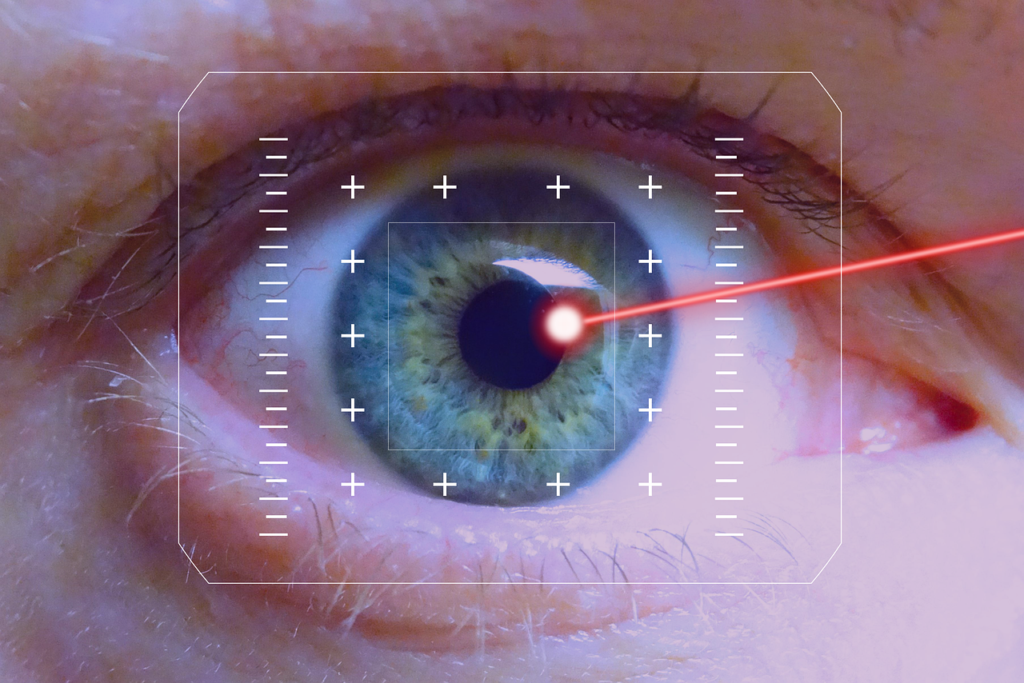
- LASIK typically costs $2,000–$3,500 per eye in 2026, or roughly $4,000–$7,000 for both eyes.
- "Both eyes" is the real-world price for most people, so compare all-in per-procedure quotes, not just per-eye teaser rates.
- LASIK, PRK, and SMILE differ in price, recovery, and candidacy — the right one depends on your eyes, not just cost.
- LASIK is elective, so it is rarely covered by insurance; but you can pay with HSA/FSA pre-tax dollars and most clinics offer financing.
- Be wary of "too-cheap" LASIK ads — the headline per-eye price often excludes the technology, surgeon, and follow-up you actually want.
LASIK typically costs between $2,000 and $3,500 per eye in the United States, or roughly $4,000 to $7,000 for both eyes, with most people paying around $4,500 to $5,500 for the complete procedure in 2026. Because LASIK is an elective procedure, it is almost never covered by insurance — so the price you see is the price you pay, which makes comparing all-in quotes essential.
This guide breaks down real 2026 self-pay prices per eye and for both eyes, compares LASIK against PRK and SMILE, and walks through concrete ways to lower the cost — plus a candid section on why the cheapest LASIK ad is rarely the deal it looks like.
How much does LASIK cost?
For laser vision correction, expect a self-pay price in the ranges below. These reflect typical 2026 U.S. prices; your quote will vary by technology, your prescription, and the surgeon’s experience. Watch how quotes are stated — some advertise a low per-eye figure while most people ultimately pay the both-eyes total.
| Scenario | Typical self-pay price (2026) |
|---|---|
| Low end (basic laser, per eye) | $1,500 – $2,000 per eye |
| National ballpark (all-in, both eyes) | $4,000 – $6,000 |
| High end (bladeless/custom wavefront, premium surgeon, both eyes) | $6,000 – $7,000+ |
Most reputable clinics quote an all-inclusive, both-eyes price that bundles the pre-op evaluation, the procedure, and follow-up visits. To sanity-check a quote against a fair market price, use the free FAIR Health Consumer tool or Healthcare Bluebook. For unbiased background on the procedure and its risks, the FDA’s LASIK resource is the authoritative starting point.
LASIK cost per eye vs. both eyes
Nearly everyone who has LASIK treats both eyes, so the both-eyes total is the number that matters. Beware ads that headline a per-eye price to look cheaper. These are typical self-pay ranges without insurance in 2026:
| How it is priced | Typical self-pay range |
|---|---|
| Per eye (standard LASIK) | $2,000 – $3,500 |
| Both eyes (standard LASIK, all-in) | $4,000 – $7,000 |
| Teaser “from $1,000/eye” ads | Often excludes technology, mild prescriptions only |
| Enhancement / touch-up (if needed later) | $0 – $1,500 (often included for a period) |
Ask two questions of any quote: “Is this per eye or for both?” and “What exactly is included?” A clear both-eyes price that includes pre-op testing, the procedure, and one year of follow-up is far easier to compare than a stripped-down per-eye teaser.
What determines the price of LASIK
Five factors explain almost all of the variation you will see between quotes:
1. The technology used — a major lever
Older “conventional” laser treatment is cheapest. Bladeless (all-laser) flaps and custom wavefront-guided or topography-guided treatments cost more because they use additional equipment and mapping. These add precision for many patients but also add several hundred to a couple thousand dollars to the total.
2. Your prescription and eye anatomy
Higher prescriptions, thin corneas, or astigmatism can require more advanced treatment (or a different procedure like PRK), which affects both candidacy and price. A comprehensive evaluation determines what you actually need.
3. Surgeon experience and clinic
An experienced, high-volume refractive surgeon at an established practice typically charges more than a discount chain. Given that this is elective surgery on your eyes, surgeon skill is not the place to hunt for the rock-bottom price.
4. What the price includes
All-in quotes bundle the pre-op exam, the procedure, medications, and follow-up visits (and sometimes a free enhancement for a period). A cheaper headline price that excludes these can end up costing more once the extras are added.
5. Location
Prices run higher in major metro areas and lower in smaller markets, though for elective surgery most people prioritize surgeon and technology over saving on geography.
LASIK vs. PRK vs. SMILE: cost and comparison
LASIK is the best-known laser vision correction, but it is not the only option. PRK and SMILE suit different eyes and budgets. Here is how they compare in 2026:
| LASIK | PRK | SMILE | |
|---|---|---|---|
| Typical cost (both eyes) | $4,000 – $7,000 | $3,500 – $6,000 | $4,000 – $6,500 |
| How it works | Corneal flap + laser reshaping | No flap; surface layer removed and regrows | Small incision, laser removes a lenticule |
| Recovery | Fast — days | Slower — 1–2 weeks of blurry vision | Fast — days |
| Best for | Most typical prescriptions | Thin corneas, active/contact-sport lifestyles | Nearsightedness & astigmatism; smaller incision |
| Notable trade-off | Flap-related considerations | Longer, more uncomfortable recovery | Not for all prescriptions (e.g. farsightedness) |
PRK is often slightly cheaper and is preferred for thin corneas or people in contact sports and certain professions; SMILE is a newer flapless option well suited to nearsightedness with astigmatism. The right choice depends on your eyes, not price alone — your surgeon’s evaluation should drive the decision. Per the American Academy of Ophthalmology, all three are well-established, effective procedures for suitable candidates.
6 ways to pay less for LASIK
- Get all-in, both-eyes quotes from at least three clinics. Ask each to state exactly what is included — pre-op exam, the procedure, medications, follow-up, and any enhancement policy — so you are comparing like for like rather than teaser per-eye rates.
- Pay with HSA or FSA pre-tax dollars. LASIK is an eligible expense for both, effectively cutting the cost by your tax rate. Some people time the procedure to a new FSA plan year to maximize the pre-tax amount available.
- Use clinic financing carefully. Many practices offer interest-free short-term plans or medical credit lines (such as CareCredit). Interest-free is genuinely useful; watch for deferred-interest terms that charge back-dated interest if you miss the payoff date.
- Ask about seasonal and bundled discounts. Clinics run promotions and sometimes discount treating both eyes together or offer a lower rate for milder prescriptions. Ask directly.
- Check employer or association perks. Some employers, vision plans, and membership organizations negotiate LASIK discounts with specific provider networks — worth a quick check before you book.
- Do not chase the absolute cheapest ad. The savings from a rock-bottom per-eye deal are small compared with the cost of a poor outcome. Choose value — an experienced surgeon and appropriate technology at a fair price — over the lowest headline number.
Beware “too-cheap” LASIK: how to judge quality
A $1,000-per-eye ad is not automatically a bargain. That figure often applies only to mild prescriptions, uses older technology, and excludes the testing, follow-up, and enhancement coverage you would want — extras that push the real total back toward the market rate. Because this is elective surgery on healthy eyes, quality matters more than saving a few hundred dollars. To choose well, confirm four things:
- The surgeon is a board-certified ophthalmologist with substantial refractive-surgery experience, not just a clinic brand name.
- You get a thorough pre-op evaluation that confirms you are a good candidate — reputable surgeons turn away people whose corneas or prescriptions are not suitable.
- The quote is all-inclusive and states the technology used and the enhancement/touch-up policy in writing.
- You understand the risks and realistic outcomes — dry eye, glare/halos, and the possibility of still needing glasses for some tasks — as described in the FDA’s LASIK guidance.
If a clinic pressures you to decide on the spot, will not put the all-in price in writing, or seems eager to operate without a careful evaluation, walk away. Good refractive surgeons are candid about who is not a good candidate.
A quick word on whether LASIK is right for you
LASIK is a one-time cost that can eliminate years of spending on glasses and contact lenses, but it is not for everyone. Candidacy depends on a stable prescription, adequate corneal thickness, and overall eye health — which is why the pre-op exam matters as much as the price. If you are considering it, start with an eye exam and a dedicated LASIK evaluation. This guide covers cost; the medical decision belongs with a qualified ophthalmologist who has examined your eyes.
Frequently asked questions
How much does LASIK cost for both eyes in 2026?
Most people pay roughly $4,000–$7,000 all-in for both eyes, with a common range of $4,500–$5,500. Advanced technology, a strong prescription, or a highly experienced surgeon push toward the top of that range.
Does insurance cover LASIK?
Rarely. LASIK is considered elective, so most health and vision plans do not cover it. Some plans offer a discount through a partner network, and you can pay with pre-tax HSA or FSA dollars, but the base cost is almost always out of pocket.
Can I use an HSA or FSA to pay for LASIK?
Yes. LASIK is an eligible expense for both HSAs and FSAs, so you can pay with pre-tax dollars and effectively reduce the cost by your tax rate. Keep the itemized receipt for your records.
Is PRK or SMILE cheaper than LASIK?
PRK is often slightly cheaper than LASIK and is preferred for thin corneas or contact-sport lifestyles, though recovery is longer. SMILE costs about the same as LASIK. The best choice depends on your eyes, not just price.
Why is some LASIK advertised so cheaply?
Very low per-eye ads usually apply only to mild prescriptions, use older technology, and exclude testing, follow-up, and enhancements. Once those are added, the real total typically rises toward the standard market range, so compare all-in quotes.
Is cheaper LASIK less safe?
Not necessarily, but price should not be your main filter for elective eye surgery. Prioritize a board-certified, experienced surgeon, a thorough pre-op evaluation, and a clear all-in quote. A poor outcome costs far more than the few hundred dollars saved on a discount deal.
Related reading: compare the ongoing cost of glasses and contact lenses, start with an eye exam, see how LASIK differs from cataract surgery, and browse the full Healthcare Costs guide for more ways to lower what you pay.
Prices in this article are typical 2026 self-pay ranges and vary by surgeon, technology, and prescription. Always request a written all-in quote before scheduling. This article is general information, not medical or financial advice.