
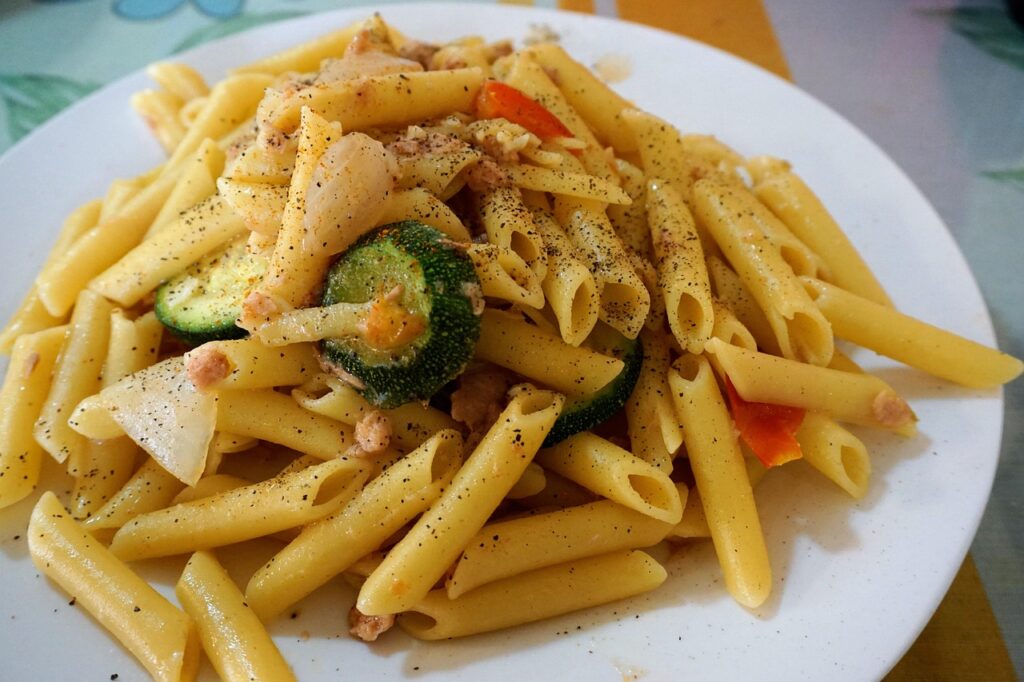
- Canned tuna is an inexpensive, nutrient-dense protein — roughly 20–22 g protein per 3 oz — plus selenium, vitamin D, B vitamins, and some omega-3s.
- The main caution is mercury: tuna is a large predatory fish, so it accumulates more methylmercury than many smaller species.
- Per FDA/EPA advice, canned light tuna (usually skipjack) is a lower-mercury "Best Choice," while albacore/"white" tuna is a "Good Choice" to eat less often.
- People who are pregnant or breastfeeding, and young children, should follow FDA/EPA serving guidance — favor "Best Choices," limit albacore, and use age-based portions for kids.
- Choose water-packed and lower-sodium options when you can, vary your fish choices, and be aware some cans use BPA-lined interiors (pouches and BPA-free cans are alternatives).
- This is general information, not personalized dietary or medical advice — check the current FDA/EPA fish chart and talk to your clinician about your own situation.
Canned tuna is one of the most affordable protein sources in the grocery store — a single can often costs just a few dollars and delivers a full meal’s worth of protein. But mercury concerns make many people nervous about eating it regularly. Is canned tuna healthy, and how often can you safely eat it? A 3-ounce serving of canned light tuna provides roughly 100 calories, about 22 grams of protein, and less than a gram of fat, along with meaningful selenium, vitamin D, B vitamins, and some omega-3 fatty acids. The mercury question has a fairly straightforward answer that depends on the type of tuna you choose and how much you eat per week. Here is what the evidence says about balancing tuna’s real benefits against its real risks. This is general information, not personalized dietary or medical advice; for more evidence-based nutrition information, see our wellness guide.
Canned Tuna Nutrition Breakdown
According to the USDA FoodData Central database, a 3-ounce (about 85-gram) serving of canned light tuna packed in water (drained) provides approximately 100 calories, 22 grams of protein, under a gram of fat, and essentially no carbohydrates, plus a large amount of selenium (well over 100% of the Daily Value), some vitamin D, a good dose of niacin and vitamin B12, and roughly 200 milligrams of omega-3 fatty acids (EPA and DHA combined). Exact values vary by brand and by whether the tuna is packed in water or oil.
Canned albacore (white) tuna has a somewhat different profile: about 109 calories, roughly 20 grams of protein, around 2.5 grams of fat, and on the order of 500 milligrams of omega-3s per 3-ounce serving. The higher fat content in albacore translates to more omega-3s — an advantage for heart health — but also more mercury, which is the primary trade-off between the two types.
The protein-to-calorie ratio in canned tuna is excellent. At roughly 22 grams of protein per 100 calories, it matches or exceeds many other lean protein sources. For people focused on higher-protein diets, building or maintaining muscle, or managing weight, canned tuna is remarkably efficient. One standard can (about 5 ounces drained) delivers roughly 37 grams of protein — a substantial share of a typical adult’s daily needs.
Mercury in Canned Tuna: The Real Risk
Mercury is the primary safety concern with tuna. Nearly all fish contain some methylmercury — a neurotoxin that concentrates in larger, longer-lived predatory fish through a process called bioaccumulation. Tuna, as a large predatory species, tends to contain more mercury than smaller fish like sardines, anchovies, or salmon. The main worry with methylmercury is its effect on the developing nervous system, which is why the strictest advice focuses on pregnancy and early childhood.
The FDA and EPA “Advice About Eating Fish” sorts fish into “Best Choices,” “Good Choices,” and “Choices to Avoid” based on average mercury content. Canned light tuna (typically skipjack) is a “Best Choice,” with an average mercury concentration on the order of about 0.12 parts per million (ppm). Canned albacore (white) tuna is a “Good Choice,” with an average roughly two to three times higher (about 0.3 ppm) — so it should be eaten less often. Bigeye tuna, more common in some sushi than in cans, is a “Choice to Avoid” for higher-risk groups.
For general context, the EPA uses a methylmercury reference dose of 0.1 microgram per kilogram of body weight per day. That is a conservative benchmark rather than a bright line for harm, but it helps explain why lower-mercury light tuna can be eaten more often than albacore. Rather than counting micrograms yourself, most people are better served by following the FDA/EPA serving guidance below and varying their fish choices.
Light Tuna vs Albacore: Which Is Better?
The choice between light and albacore tuna involves a clear trade-off: albacore delivers more omega-3 fatty acids but also more mercury. Per 3-ounce serving, canned light tuna (skipjack) offers about 100 calories, 22 g protein, roughly 200 mg omega-3s, and about 0.12 ppm mercury on average; canned albacore (white) offers about 109 calories, 20 g protein, roughly 500 mg omega-3s, and about 0.3 ppm mercury on average.
Light tuna has a milder, softer texture and works well in casseroles, pasta, and mixed dishes. Albacore has a firmer texture and more pronounced flavor, making it a favorite for tuna salads and sandwiches. For many adults, alternating between the two is reasonable — but if you eat tuna frequently, lean on light tuna to keep mercury exposure lower, and treat albacore as the occasional option. People who are pregnant or breastfeeding should default to lower-mercury “Best Choices” like light tuna and limit albacore, following the FDA/EPA advice described in the sections below.
Omega-3 Benefits of Canned Tuna
Omega-3 fatty acids — specifically EPA and DHA — are among the most studied nutrients in nutrition science. The American Heart Association recommends eating fish (particularly oily fish) at least twice a week, largely for the cardiovascular benefits associated with omega-3s. In studies, these fatty acids are linked to lower triglycerides, modestly lower blood pressure, and other heart-health markers, though tuna alone is not a treatment for heart disease.
Canned albacore tuna provides roughly 500 mg of combined EPA and DHA per serving, while light tuna provides less (around 200 mg) but still contributes when eaten regularly. For comparison, a 3-ounce serving of salmon provides far more omega-3s, but salmon typically costs more per serving than canned tuna. Beyond heart health, omega-3s play roles in brain function and fetal brain development during pregnancy — one reason pregnancy guidance encourages lower-mercury fish rather than avoiding fish altogether. For people who do not eat fish often, canned tuna is one of the most accessible and affordable ways to add some omega-3s without supplements.
Practical Tips for Eating Canned Tuna
Choosing between water-packed and oil-packed tuna affects the nutrition profile. Water-packed tuna is lower in calories and fat. With oil-packed tuna, draining removes some of the omega-3s that dissolve into the oil, whereas water-packed tuna retains its omega-3s when drained. For most everyday health goals, water-packed is a good default.
Sodium content varies widely by brand — a single can may contain a few hundred milligrams of sodium, while low-sodium varieties contain much less. If sodium is a concern, choose low-sodium options or rinse the tuna briefly under water before eating, which can cut sodium noticeably without greatly affecting taste.
Canned tuna pairs well with high-fiber, nutrient-rich foods. Mix it with mashed avocado instead of mayo for a heart-friendly tuna salad, add it to rice bowls with vegetables, or layer it on whole-grain bread with greens. Combine it with cooked pasta, olive oil, capers, and cherry tomatoes for a quick Mediterranean-style dish. If you enjoy hummus, tuna and hummus on whole-grain crackers makes a high-protein snack with minimal prep.
Who Should Limit Canned Tuna
Canned tuna is safe for most people in reasonable amounts, but certain groups should be more careful and should follow the FDA/EPA advice directly. People who are pregnant or breastfeeding are advised to eat 2 to 3 servings a week from the “Best Choices” list (a serving is 4 ounces for adults) or 1 serving a week from the “Good Choices” list — which means favoring lower-mercury light tuna and limiting albacore. Because guidance is periodically updated, check the current FDA/EPA chart rather than relying on older rules of thumb.
For young children, the FDA/EPA advise about 2 servings a week from the “Best Choices” list, with age-based serving sizes that are much smaller than an adult’s (as little as about 1 ounce for toddlers, increasing with age). People who eat fish very frequently should vary their choices rather than relying heavily on tuna — rotating among tuna, salmon, sardines, shrimp, and other lower-mercury fish spreads out mercury exposure and broadens nutrient intake. Anyone with kidney disease, or who is managing protein or sodium intake for another medical reason, should discuss fish consumption with their healthcare provider.
Frequently Asked Questions
How many cans of tuna can you eat per week?
For most adults, the FDA/EPA framework supports eating lower-mercury canned light tuna a few times a week (2 to 3 servings, where a serving is 4 ounces) and eating higher-mercury albacore less often (about 1 serving a week). People who are pregnant or breastfeeding, and young children, should follow the more specific, lower serving guidance and check the current FDA/EPA chart. These recommendations are designed to keep methylmercury exposure below levels of concern while still getting fish’s benefits.
Is canned tuna as nutritious as fresh tuna?
Canned tuna retains most of the protein, selenium, and B vitamins found in fresh tuna. Omega-3 content may be somewhat lower in canned tuna, and sodium is often higher. Fresh tuna steaks (especially ahi/yellowfin) tend to have higher mercury than canned light tuna. For everyday meals, canned tuna is a nutritionally sound and far more affordable option.
Is tuna good for building muscle?
It can be a useful protein source. At roughly 37 grams of protein per can with very little fat (in water-packed varieties), canned tuna is one of the more protein-dense convenience foods available, and athletes have relied on it for years. Pair it with rice or whole grains for a meal that provides both protein and carbohydrates. As with any single food, keep mercury in mind and vary your fish choices.
Does canned tuna have BPA?
Some canned tuna is packaged in cans lined with BPA-containing epoxy, though many brands have moved to BPA-free or “BPA non-intent” linings. If BPA is a concern, look for brands that state “BPA-free lining” on the label, or choose tuna sold in pouches rather than cans, which typically do not use BPA linings.
The Bottom Line
Canned tuna is one of the most affordable and convenient protein sources available. It delivers excellent protein per calorie, some omega-3 fatty acids, and important micronutrients like selenium, niacin, and vitamin B12. The mercury concern is real but manageable for most people: favor lower-mercury canned light tuna, keep albacore occasional, and vary your fish choices across the week. People who are pregnant or breastfeeding and young children should follow the more specific FDA/EPA serving guidance rather than general rules of thumb. For a few dollars a week, canned tuna can provide nutritional value that rivals far more expensive protein sources — buy water-packed and lower-sodium when you can, and check the current FDA/EPA “Advice About Eating Fish” if you are in a higher-risk group.
Canned tuna is a cheap, high-protein food with selenium, B vitamins, and some omega-3s. The main caution is mercury: favor lower-mercury canned light tuna (a “Best Choice”) and eat albacore/”white” tuna less often (a “Good Choice”). People who are pregnant or breastfeeding, and young children, should follow the FDA/EPA “Advice About Eating Fish” — favoring “Best Choices,” limiting albacore, and using age-based portions for kids. Choose water-packed and lower-sodium options, and vary your fish. This is general information, not personalized advice; check the current FDA/EPA chart and talk to your clinician about your own situation.
Sources
- U.S. FDA and EPA — “Advice About Eating Fish” (Best Choices / Good Choices / Choices to Avoid chart; guidance for those who are pregnant or breastfeeding and children ages 1–11; adult serving = 4 oz)
- USDA FoodData Central — canned light and albacore tuna nutrition
- American Heart Association — fish and omega-3 fatty acids recommendation
- U.S. EPA — methylmercury reference dose (0.1 mcg per kg body weight per day)