
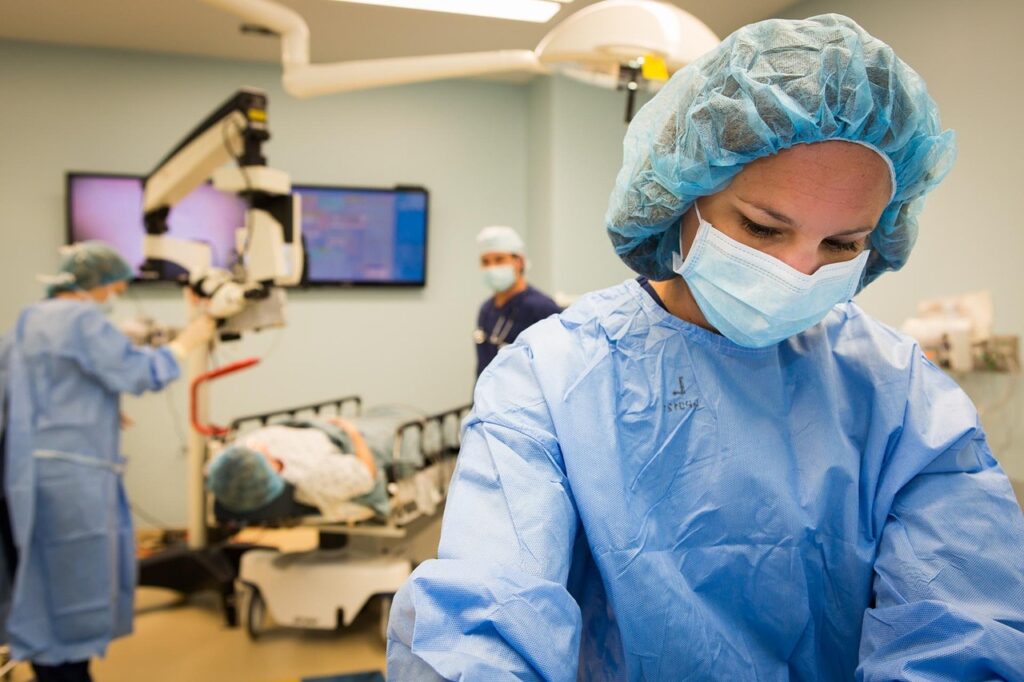
Understanding when to stop vaping before surgery is important because nicotine and the chemicals in vape liquids can raise the risk of complications during and after your procedure. Many patients assume that vaping is safer than smoking before surgery, but the surgical concern is nicotine itself, and nicotine from any source carries real risks. Here is what surgeons and anesthesiologists generally recommend about when to stop vaping before surgery, why timing matters for your safety, and why the most reliable answer always comes from your own surgical team.
The Surgeon’s Recommendation: Stop as Early as You Can
There is no single, universally agreed-upon number of days or weeks that applies to every patient and every operation. What surgical and anesthesia organizations consistently emphasize is this: stop using nicotine and vaping as far in advance as possible, and stay off it through your recovery. The longer your body has been nicotine-free before surgery, the more your circulation, immune function, and tissue healing can recover.
In practice, many surgeons ask patients to stop several weeks before an elective procedure, and a window of around four weeks is commonly quoted in surgical guidance. Some surgeons advise even longer for high-risk operations, while others focus on getting you nicotine-free for whatever time remains before your date. General principles that come up repeatedly include:
- Earlier is better: Stopping several weeks ahead gives blood flow, immune cells, and wound-healing tissue the most time to recover before the incision is made.
- A few weeks is a common target: Many surgical teams cite roughly four weeks of nicotine abstinence as a practical goal, but this is guidance, not a guarantee, and your surgeon may recommend more or less.
- Even short-term abstinence helps: Stopping in the days before surgery still reduces some of nicotine’s acute effects on blood vessels and improves the oxygen-carrying capacity of your blood.
- Last-minute counts too: Even 24 to 48 hours off nicotine can improve blood oxygenation, though it is far from ideal and should not replace quitting earlier.
The American College of Surgeons and the American Society of Anesthesiologists both encourage nicotine and tobacco cessation before elective surgery as part of preoperative optimization. The single most important step you can take is to ask your surgeon and anesthesiologist directly what they recommend for your specific operation, and then follow their instructions. If you also drink alcohol, see our companion guide on when to stop drinking alcohol before surgery.
How Vaping Affects Surgery
Vaping introduces nicotine and other chemicals into your body that can interfere with surgical safety and recovery in several important ways.
Nicotine and Blood Flow
Nicotine is a potent vasoconstrictor, meaning it narrows blood vessels and reduces blood flow to tissues. Research on nicotine has long shown that it can meaningfully cut blood flow and oxygen delivery to the skin and the tissue just beneath it. This reduction has direct consequences for surgery:
- Reduced oxygen delivery to surgical sites can impair wound healing
- Tissue flaps and grafts are at higher risk of failure when blood supply is inadequate
- Bone healing may be slowed, which is critical for orthopedic and spinal procedures
- The risk of tissue necrosis (tissue death) can increase, particularly in cosmetic and reconstructive surgery
Respiratory Effects
Vaping irritates and inflames the airways. While the long-term lung effects of vaping are still being studied and may differ from those of combustible cigarettes, the acute effects on airway reactivity are relevant for anesthesia. Health authorities including the American Lung Association have raised concerns that vaping:
- Increases airway inflammation and mucus production
- Can make the airways more reactive to intubation (placement of a breathing tube), raising the risk of bronchospasm during anesthesia
- Contributes to post-operative coughing that can stress surgical incisions and increase pain
- May be associated with a higher risk of post-operative pneumonia and other respiratory complications
Anesthesia Complications
Nicotine affects how your body responds to anesthetic drugs. Its cardiovascular effects, including increased heart rate and blood pressure variability, can make anesthetic management more challenging. Reported concerns include:
- A potentially increased need for pain medication during and after surgery
- Greater difficulty maintaining stable blood pressure and heart rate under anesthesia
- A higher risk of laryngospasm (involuntary closure of the vocal cords) during intubation and extubation
- More post-operative nausea and vomiting in some patients
Because these effects can change how anesthesia is planned and managed, it is essential that your anesthesiologist knows you vape. This is a safety issue, not a judgment.
Impaired Wound Healing
Nicotine is one of the most significant modifiable risk factors for poor wound healing, meaning it is something you can actually change before surgery. Research on nicotine and tissue repair indicates that it:
- Reduces collagen synthesis, the protein essential for wound strength
- Impairs the function of fibroblasts, the cells responsible for wound repair
- Decreases oxygen tension in the tissue surrounding the wound
- Is associated with a higher risk of wound dehiscence (the wound opening) and surgical site infections
Studies of surgical patients have generally found that people who currently smoke or use nicotine have higher rates of wound complications than non-users, which is why so many surgeons treat nicotine cessation as a priority.
Immune Suppression
Both nicotine and the chemical additives in vape liquids may suppress immune function. Propylene glycol, vegetable glycerin, flavoring chemicals, and metals that can be found in vape aerosol may impair the function of macrophages and neutrophils, white blood cells that are important for preventing surgical site infections. The CDC has documented that vaping aerosol exposes the lungs to a range of potentially harmful substances, and reducing that exposure before surgery is sensible.
Vaping vs. Smoking Before Surgery: Is One Safer?
Many patients believe that vaping is a safe alternative to smoking before surgery. While vaping eliminates some harmful byproducts of tobacco combustion, such as tar, carbon monoxide, and many carcinogens, the surgical risks tied to nicotine itself remain regardless of the delivery method.
Key points of comparison:
- Nicotine effects are similar across sources: Whether nicotine comes from a cigarette, a vape, a patch, or gum, its vasoconstrictive, wound-healing, and immune effects come from the nicotine.
- Carbon monoxide is reduced with vaping: Vaping does not produce carbon monoxide, which is one genuine advantage, because carbon monoxide from cigarettes reduces the oxygen-carrying capacity of blood and compounds nicotine’s effects.
- Vaping adds its own chemicals: Vape aerosol can contain compounds such as acrolein, diacetyl, and formaldehyde, along with flavoring chemicals and metals, that can irritate the airways in ways nicotine patches or gum do not.
- Nicotine delivery can be high: Some modern devices, especially those using nicotine salts, can deliver nicotine efficiently, so vapers are not necessarily getting less nicotine than smokers.
The bottom line: vaping before surgery is not “safe,” even if it may avoid some of the specific harms of combustible cigarettes.
Surgeries Most Affected by Vaping
While nicotine cessation is encouraged before any operation, certain procedures carry particularly high risk for people who vape:
- Plastic and cosmetic surgery: Facelifts, breast surgery, tummy tucks, and rhinoplasty rely on delicate tissue flaps that need excellent blood flow. Many plastic surgeons decline to operate on active nicotine users for elective cases.
- Spinal fusion: Nicotine is associated with higher rates of pseudarthrosis (failure of the bones to fuse). Some spine surgeons ask for nicotine testing before proceeding.
- Orthopedic fracture repair: Bone healing depends on adequate blood flow and can be impaired by nicotine.
- Skin grafts and flap surgery: These procedures need robust blood flow for tissue survival, and nicotine-induced vasoconstriction can jeopardize a graft or flap.
- Lung and other thoracic surgery: Airway inflammation from vaping can add to respiratory complications during chest procedures.
How to Quit Vaping Before Surgery
Quitting vaping before surgery is one of the most impactful things you can do to improve your surgical outcome. Here are practical strategies to discuss with your care team:
- Set a quit date early: Ideally several weeks before surgery. Mark it on your calendar and commit to it.
- Ask your doctor about nicotine replacement: Patches, gum, or lozenges can help manage cravings during the transition. Because nicotine itself is the surgical risk factor, ask your surgeon how far in advance they want you off nicotine replacement as well.
- Consider prescription cessation aids: Medications such as varenicline or bupropion can reduce cravings and withdrawal symptoms for some people. Your prescriber can advise whether these are appropriate for you.
- Use free behavioral support: The national quitline, 1-800-QUIT-NOW, offers free coaching, and the online resources at SmokeFree.gov provide quit plans and text-message support. SAMHSA’s national helpline (1-800-662-4357) can help if substance use is also a concern.
- Remove your triggers: Get rid of devices, pods, and e-liquids, and avoid the situations where you usually vape.
- Plan for stress: Pre-surgery anxiety can intensify cravings, so build in walking, deep breathing, or other stress-reduction habits.
What to Tell Your Surgeon and Anesthesiologist
Always be honest with your surgeon and anesthesiologist about your vaping. They need to know:
- Whether you currently vape or recently stopped
- How much and how often you vape
- The nicotine concentration of your vape liquid
- Whether you also smoke cigarettes or use other nicotine or tobacco products
- When you last vaped
This information is used solely to optimize your safety plan for anesthesia and healing. Your surgical team will not withhold care in an emergency, but for elective procedures they may ask you to quit and return once you have been nicotine-free for the period they recommend.
Frequently Asked Questions
Can I vape right up until surgery day?
This is strongly discouraged. Even stopping in the day or two before surgery offers some benefit, because nicotine’s acute effects on blood vessels begin to wear off within hours and blood oxygenation improves. However, the longer you abstain, the better. Most surgeons want you nicotine-free for as long as possible before your procedure, so ask your team what they advise. For more pre-surgery guidance, visit our wellness guide.
Will my surgeon test me for nicotine before surgery?
Some surgeons, particularly plastic surgeons and spine surgeons, do perform nicotine or cotinine testing before elective procedures. Cotinine, a nicotine metabolite, can be detectable for a week or more after the last exposure depending on use. If you test positive, your surgeon may postpone the procedure. Ask your team whether testing applies to your case.
Can I use a nicotine patch instead of vaping before surgery?
Nicotine patches can help manage withdrawal during quitting, but because nicotine is the primary surgical risk factor, your surgeon may want you off nicotine replacement before the operation as well. Ask your doctor to help you build a tapering plan that fits your surgery date.
Is vaping nicotine-free e-liquid safe before surgery?
Nicotine-free vape liquids still contain propylene glycol, vegetable glycerin, flavoring chemicals, and potentially metals that can irritate the airways. While removing nicotine eliminates the single biggest surgical risk factor, the airway irritation from the remaining chemicals can still add to respiratory complications during anesthesia. It is best to pause all vaping before surgery.
The Bottom Line: Stop vaping as early as you can before surgery, ideally several weeks ahead, because nicotine narrows blood vessels, impairs wound healing, weakens immune defenses, and complicates anesthesia. There is no single magic number that fits everyone, so follow your own surgical team’s instructions. Even stopping 24 to 48 hours before surgery helps, but longer is better. Tell your surgeon and anesthesiologist honestly about your vaping, and use free help such as 1-800-QUIT-NOW to quit. This article is for general education and is not a substitute for personalized medical advice from your surgeon or anesthesiologist.
Sources
- American College of Surgeons – Preoperative smoking and nicotine cessation guidance (facs.org)
- American Society of Anesthesiologists – Stop smoking before surgery patient education (asahq.org)
- U.S. Centers for Disease Control and Prevention – E-cigarettes and vaping health effects (cdc.gov)
- Mayo Clinic – Quitting nicotine and preparing for surgery (mayoclinic.org)
- Cleveland Clinic – Smoking, nicotine, and surgical healing (clevelandclinic.org)
- American Lung Association – The impact of e-cigarettes on the lungs (lung.org)
- SmokeFree.gov and the national quitline 1-800-QUIT-NOW – Free quit resources