
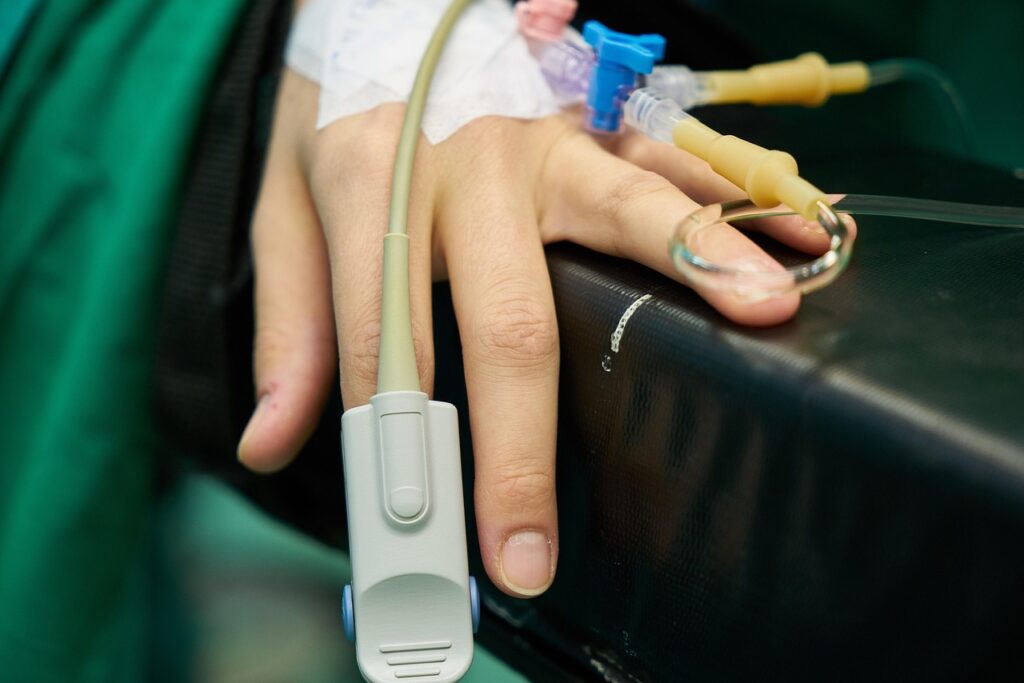
- Alcohol raises surgical risk by interacting with anesthesia, impairing blood clotting, weakening the immune system, and slowing wound healing — which is why surgical teams ask about it.
- General guidance is to stop days to weeks before surgery depending on how much you drink, but the timing that matters is the one your own surgeon and anesthesiologist give you.
- CRITICAL SAFETY: if you drink heavily or daily, do NOT stop abruptly on your own — unsupervised alcohol withdrawal can cause seizures and delirium tremens (DTs) and can be life-threatening; ask your doctor for a medically supervised plan.
- Be completely honest with your anesthesiologist and surgeon about how much you drink; they are planning your safety, not judging you, and accurate information changes your anesthesia plan.
- Alcohol matters after surgery too, especially combined with prescription pain medication — follow your care team's instructions on when it is safe to drink again.
- This article is general education, not medical advice; always follow the specific instructions from your own surgical and anesthesia team.
Knowing when to stop drinking before surgery can directly affect your safety on the operating table and how well you recover afterward. Alcohol interacts with anesthesia, impairs blood clotting, weakens the immune system, and slows wound healing, which makes it one of the most important substances to address in the weeks leading up to a procedure. This guide explains the general timing most surgical teams use, why they take the question so seriously, and one safety point that matters more than any calendar date: if you drink heavily or daily, do not stop suddenly on your own — abrupt alcohol withdrawal can be dangerous and needs to be managed by a clinician. Whatever you read here, the instructions that count are the ones your own surgeon and anesthesiologist give you.
The General Recommendation
Most surgeons and anesthesiologists suggest cutting out alcohol somewhere between a couple of days and several weeks before surgery, depending on how much and how often you drink. The ranges below are a general guide, not a prescription — your surgical team may ask for something different based on your health, your medications, and the procedure itself.
- Occasional or light drinkers (a drink or two a week): Many teams advise stopping at least 48 hours before surgery, and some prefer a full week for added margin.
- Moderate drinkers (up to about 7 drinks a week for women, 14 for men): Stopping roughly one to two weeks before surgery is commonly recommended.
- Heavy or daily drinkers: A longer alcohol-free window before surgery is generally preferred, but the key point is that this should happen with medical guidance. Abruptly quitting when your body is physically dependent on alcohol can trigger dangerous withdrawal — do not attempt it alone (see the critical safety section below).
The American Society of Anesthesiologists emphasizes that patients should disclose their alcohol use honestly during the pre-operative assessment so the anesthesia and surgical teams can plan safely. There is no single universal cutoff that fits every patient and every operation, so treat any timeline you find online — including this one — as a starting point for the conversation with your own clinicians. Your team will also tell you when to stop all food and drink (the “NPO” window) in the hours right before surgery; follow those fasting instructions exactly.
If you are also a vaper or smoker, see our companion guide on when to stop vaping before surgery.
Critical Safety: Heavy or Daily Drinkers Should Not Quit Abruptly Alone
This is the most important part of the article. If you drink heavily, drink every day, or have felt shaky, sweaty, anxious, or nauseated when you have gone without alcohol, your body may be physically dependent on it. Stopping suddenly in that situation can cause alcohol withdrawal, which ranges from tremors, insomnia, and anxiety to far more serious problems: seizures and delirium tremens (DTs). Severe withdrawal is a medical emergency and can be life-threatening.
Because of this, heavy or dependent drinkers should never white-knuckle their way to sobriety in the days before surgery without help. Instead, tell your doctor as early as possible. A clinician can assess your risk and, when appropriate, arrange a medically supervised approach — which may include monitoring and medication — so that reducing or stopping alcohol is done safely. This article intentionally does not provide a do-it-yourself tapering schedule, because the right plan depends entirely on your individual risk and must be set by a professional. If you or someone else shows signs of serious withdrawal (confusion, hallucinations, high fever, or a seizure), seek emergency care immediately.
How Alcohol Affects Surgery and Anesthesia
Alcohol influences virtually every part of the surgical process. Understanding these effects makes it clearer why stopping in advance matters so much.
Interactions With Anesthesia
Alcohol and anesthetic drugs are both processed by the liver and both act on the central nervous system. In regular drinkers, the liver ramps up enzyme activity to break down alcohol, which can also speed the breakdown of some anesthetic agents. This can mean:
- You may need higher doses of anesthesia to reach adequate sedation
- Anesthesia may wear off more quickly or less predictably
- The risk of harmful drug interactions can increase
- Post-operative pain can be harder to control
On the other hand, if you drink heavily close to surgery, alcohol still in your system can add to the sedative effects of anesthesia, which may contribute to dangerously deep sedation, slowed breathing, or cardiovascular instability. Alcohol use is a recognized factor in anesthetic risk, which is exactly why anesthesiologists ask about it — and why an honest answer helps them keep you safe.
Increased Bleeding Risk
Alcohol interferes with platelet function and blood clotting. Even moderate drinking can reduce platelet aggregation for a day or two. For surgery, impaired clotting can mean:
- More blood loss during the procedure
- Higher risk of post-operative bleeding and hematoma (a collection of blood under the skin)
- A greater chance of needing a transfusion in some cases
- More difficulty for the surgeon in keeping a clear operative field
Guidance from the National Institute on Alcohol Abuse and Alcoholism (NIAAA) describes alcohol’s broad effects on the body, including on blood and clotting, and these effects can linger for a period after your last drink.
Impaired Immune Function
Alcohol suppresses the immune system, reducing the body’s ability to fight infection. Chronic alcohol use lowers the production and function of white blood cells, the body’s main defense against surgical-site infections. Even heavier drinking in the days before surgery can temporarily blunt immune responses and raise the risk of a post-operative infection.
Delayed Wound Healing
Alcohol slows wound healing through several mechanisms: it can reduce collagen production, decrease blood flow to healing tissue, increase inflammation, and deplete nutrients that tissue repair depends on (such as certain vitamins and zinc). The practical result is that incisions may close more slowly and be more prone to complications.
Cardiac Complications
Heavier alcohol use is associated with a higher risk of cardiac arrhythmias around the time of surgery. Alcohol-related heart-muscle changes, atrial fibrillation, and blood-pressure swings can complicate both anesthesia and recovery. Even a single heavy drinking episode can, in some people, trigger an irregular heart rhythm.
Alcohol and Specific Types of Surgery
The risks of pre-operative alcohol use vary somewhat by procedure:
- Cardiac surgery: Alcohol cessation is especially important; post-operative atrial fibrillation is more common in heavy drinkers, and wound-healing complications can follow chest surgery.
- Orthopedic surgery: Bone healing can be impaired by alcohol, and heavy drinkers can have higher rates of poor fracture healing.
- Abdominal surgery: Alcohol-related liver dysfunction can affect clotting, drug metabolism, and fluid balance during and after abdominal procedures.
- Cosmetic surgery: The extra bleeding risk from alcohol can affect results, particularly in procedures such as facelifts, tummy tucks, and liposuction where bleeding control is critical.
- Dental and oral surgery: Alcohol’s effect on clotting can increase bleeding after extractions and implant placement.
What Happens If You Drink Before Surgery
If your surgical team learns that you have been drinking close to your procedure date, they may:
- Postpone the surgery: If alcohol is detected or recent heavy drinking is disclosed, an elective procedure may be rescheduled for safety.
- Adjust the anesthesia plan: The anesthesiologist may modify drug choices and doses to account for alcohol’s effects.
- Order additional tests: Blood tests to check liver function, clotting, and blood counts may be added.
- Increase monitoring: You may be watched more closely for bleeding, infection, and — importantly for heavy drinkers — signs of withdrawal.
Honesty with your surgical team is essential. They need accurate information to keep you safe, and their job is to plan your care, not to judge you. Underreporting how much you drink can lead to an anesthesia plan that is wrong for your body.
Tips for Reducing Alcohol Before Surgery
If you drink regularly and your team has cleared you to cut back or stop before surgery, a little planning helps. (If you are a heavy or dependent drinker, do this with your clinician rather than on your own — see the critical safety section above.)
- Talk to your doctor first: Ask what timing and approach are right for you before you change anything.
- Replace the ritual, not just the drink: Sparkling water, non-alcoholic options, or herbal tea can fill the same social role.
- Focus on nutrition: Use the pre-surgery window to support healing with a balanced diet and adequate protein.
- Manage stress and cravings: Gentle activity, sleep, and support from people around you can make the change easier.
- Seek support if it is hard to stop: If cutting back is difficult, that is worth telling your doctor. SAMHSA’s free, confidential National Helpline (1-800-662-4357) offers 24/7 treatment referral and information.
Alcohol After Surgery
The recovery period also calls for care with alcohol. Many surgeons recommend avoiding alcohol for at least the first week or two after surgery, and longer if you are taking prescription pain medicine. Combining alcohol with opioids or other sedating pain medications can cause dangerous slowed breathing, excessive drowsiness, and added strain on the liver. Ask your care team specifically when it is safe for you to drink again — the answer depends on your procedure, your medications, and your health.
Frequently Asked Questions
Can I have one glass of wine the night before surgery?
Generally, no. Even a single drink the night before can affect anesthesia, clotting, and your body’s stress response, and your team will usually ask you to avoid all alcohol for the period they specify. Follow your surgeon’s instructions rather than a general rule. For more surgical-preparation guidance, visit our wellness guide.
Will my surgeon know if I drank before surgery?
Possibly. Pre-operative blood tests can show markers of recent or heavy alcohol use, such as changes in liver enzymes and clotting parameters, and the anesthesiologist may notice physical signs. More important than whether they can tell is that hiding alcohol use puts your own safety at risk, because it leads to a care plan built on incomplete information.
Can alcohol cause surgery to be cancelled?
Yes. If you arrive intoxicated, or if recent heavy drinking is discovered, your surgeon will likely postpone the procedure. That decision is made for your safety — operating on someone with alcohol in their system, or with alcohol-impaired clotting and organ function, adds avoidable risk.
How long before surgery should a heavy drinker stop?
There is no safe do-it-yourself answer to this, and that is the point. Heavy or dependent drinkers should not stop abruptly on their own, because withdrawal can include seizures and delirium tremens (DTs), which are dangerous — especially around surgery. Talk to your doctor well ahead of time so they can decide on the safest approach for you, which may involve monitoring and medication under supervision.
What if I can’t stop drinking before my surgery?
Tell your surgical team honestly. Difficulty stopping is medical information they can work with, not a reason for judgment. They can adjust your plan, arrange support, and — for dependent drinkers — manage withdrawal risk safely. SAMHSA’s National Helpline (1-800-662-4357) is another free, confidential resource for treatment referrals.
Alcohol raises surgical risk by interacting with anesthesia and by impairing clotting, immunity, and wound healing, so surgical teams ask everyone to stop drinking for a period before a procedure — often days to weeks depending on how much you drink. But the timing that matters is the one your surgeon and anesthesiologist give you, and honesty about your intake is what keeps your anesthesia plan safe. Most important: if you drink heavily or daily, do not quit abruptly on your own — unsupervised withdrawal can cause seizures and delirium tremens and can be life-threatening. Ask your doctor for a medically supervised plan. This article is general education, not medical advice.
Sources
- American Society of Anesthesiologists (ASA) — patient guidance on preparing for anesthesia and disclosing alcohol and substance use before surgery
- MedlinePlus (U.S. National Library of Medicine) — alcohol use, surgery preparation, and alcohol withdrawal (including seizures and delirium tremens)
- National Institute on Alcohol Abuse and Alcoholism (NIAAA) — alcohol’s effects on the body, including bleeding, immune function, and withdrawal risk
- Substance Abuse and Mental Health Services Administration (SAMHSA) — National Helpline, 1-800-662-4357, free and confidential, 24/7