
Millions of Americans live with chronic bronchitis, according to the CDC — yet many dismiss their persistent cough as just “smoker’s cough” or seasonal allergies. Chronic bronchitis is defined as a productive cough lasting at least three months in two consecutive years, and it is one of the two main forms of chronic obstructive pulmonary disease (COPD). Left unmanaged, it progressively damages the airways and leads to declining lung function, frequent infections, and disability. Early recognition and consistent, clinician-directed treatment can slow that decline significantly. This guide is part of our comprehensive medical conditions guide.
TL;DR: Chronic bronchitis is a long-term inflammation of the airways marked by a persistent, mucus-producing cough. It usually stems from smoking or long-term exposure to lung irritants and is a core part of COPD. There is no cure, but quitting smoking, using prescribed inhalers correctly, staying current on vaccines (flu, COVID-19, pneumococcal, and RSV), and completing pulmonary rehabilitation can dramatically slow the disease and reduce flare-ups. Treatment decisions, including any medication and dosing, should be made with your clinician. This article is educational and is not a substitute for professional medical advice.
What Is Chronic Bronchitis?
Chronic bronchitis is a long-standing inflammatory condition of the bronchial tubes — the airways that carry air to and from the lungs. In chronic bronchitis, the lining of the bronchial tubes becomes chronically inflamed and swollen, and the mucus-producing glands enlarge, producing excessive thick mucus. This combination narrows the airways, obstructs airflow, and triggers the hallmark persistent, productive cough.
Unlike acute bronchitis, which is usually caused by a viral infection and resolves within a few weeks, chronic bronchitis is a long-term disease. Medical guidelines classify it alongside emphysema under the umbrella of COPD. Many patients have elements of both conditions — airway inflammation and mucus overproduction (chronic bronchitis) plus destruction of the alveolar walls (emphysema). The relative contribution of each component varies from patient to patient, which is one reason management is individualized rather than one-size-fits-all.
Over time, the chronic inflammation leads to structural changes in the airways, including smooth muscle hypertrophy, fibrosis, and permanent narrowing. These changes are largely irreversible, which is why prevention and early intervention are so important. COPD remains one of the leading causes of death in the United States — recent CDC mortality data place chronic lower respiratory diseases among the top several causes, around the sixth leading cause in the early 2020s, after COVID-19 temporarily reshuffled the rankings. The National Heart, Lung, and Blood Institute continues to treat COPD as a major public-health priority.
Causes and Risk Factors
Cigarette smoking is overwhelmingly the leading cause of chronic bronchitis, responsible for the large majority of cases. The irritants in tobacco smoke directly damage the cilia — tiny hair-like structures that sweep mucus and debris out of the airways — and stimulate the mucus glands to overproduce. Even secondhand smoke exposure over many years increases risk, particularly in children who grow up in smoking households. Vaping is newer and its long-term lung effects are still being studied, but inhaled aerosols are not risk-free, and clinicians increasingly ask about e-cigarette use as well.
Occupational exposures are the second most common cause. Workers in mining, construction, textile manufacturing, grain handling, and chemical processing may inhale dust, fumes, and chemicals that cause chronic airway inflammation. The Occupational Safety and Health Administration has identified numerous workplace substances linked to chronic bronchitis, and proper respiratory protection is essential in these industries.
Air pollution — both outdoor and indoor — contributes to chronic bronchitis worldwide. In many parts of the world, indoor cooking with biomass fuels (wood, dung, crop residues) in poorly ventilated spaces is a major cause, particularly among women. Wildfire smoke has also become a growing seasonal exposure across North America, and people with chronic lung disease are especially vulnerable on smoky days. Genetic factors also play a role: alpha-1 antitrypsin deficiency, an inherited condition affecting roughly 1 in 2,500 people of European descent, predisposes to early-onset COPD. Recurrent childhood respiratory infections and a history of asthma also increase the risk of developing chronic bronchitis later in life.
Symptoms and How They Progress
The defining symptom of chronic bronchitis is a persistent cough that produces mucus (sputum). The sputum may be clear, white, yellowish-gray, or green. Many patients notice that the cough and sputum production are worst in the morning and improve somewhat as the day goes on. In early stages, patients often attribute the cough to smoking or “just getting older” and do not seek medical attention, which delays diagnosis and treatment.
As the disease progresses, shortness of breath develops — first with exertion and eventually at rest. Wheezing and chest tightness are common. Patients may notice that they tire more easily during physical activities they once performed without difficulty. Frequent respiratory infections are a hallmark of chronic bronchitis; bacteria thrive in the excess mucus, and the damaged cilia cannot clear them effectively.
Acute exacerbations — sudden worsening episodes often triggered by infections or air pollution — punctuate the chronic course. During an exacerbation, cough intensifies, sputum volume and purulence increase, and breathlessness worsens. Exacerbations accelerate lung-function decline and are a leading cause of hospitalization and death in people with COPD. Patients with frequent exacerbations (two or more per year) tend to have faster disease progression, which is why preventing flare-ups is a central goal of treatment.
In advanced chronic bronchitis, patients may develop cyanosis (a bluish tint to the lips and fingernails due to low oxygen), cor pulmonale (right-sided heart failure from elevated pulmonary pressures), and significant weight loss. These late-stage complications carry a poorer prognosis, but modern therapy has improved outcomes even for advanced disease.
Red flag — when a flare-up is an emergency: A COPD or chronic bronchitis exacerbation can become life-threatening quickly. Call 911 or go to the nearest emergency room if you experience any of the following:
- Severe or rapidly worsening breathlessness, or breathlessness at rest
- Being unable to speak in full sentences because you are too short of breath
- Bluish or gray lips, face, or fingernails
- Confusion, extreme drowsiness, or difficulty staying awake
- High fever, chest pain, or coughing up blood
- A rescue inhaler that is not helping
These can signal severe airway obstruction, respiratory failure, pneumonia, or a heart problem, and they need urgent evaluation. When in doubt, seek emergency care.
Diagnosis
Diagnosing chronic bronchitis begins with a thorough history. The clinical criteria — productive cough for at least three months in two consecutive years with no other explanation — are straightforward, but many patients underreport their symptoms. Clinicians should specifically ask about cough, sputum production, breathlessness, smoking and vaping history, occupational exposures, and family history of lung disease.
Spirometry is the essential objective test for confirming airflow obstruction. Patients blow forcefully into a device that measures the volume of air exhaled in one second (FEV1) and the total volume exhaled (FVC). A ratio of FEV1/FVC below 0.70 after bronchodilator administration confirms the diagnosis of COPD. The Global Initiative for Chronic Obstructive Lung Disease (GOLD) grades airflow limitation by FEV1 (mild, moderate, severe, and very severe) and, in its current reports, separately groups patients (groups A, B, and E) based on symptom burden and exacerbation history to guide treatment. This shift toward assessing symptoms and flare-up risk — not just lung-function numbers — reflects how modern COPD care is personalized.
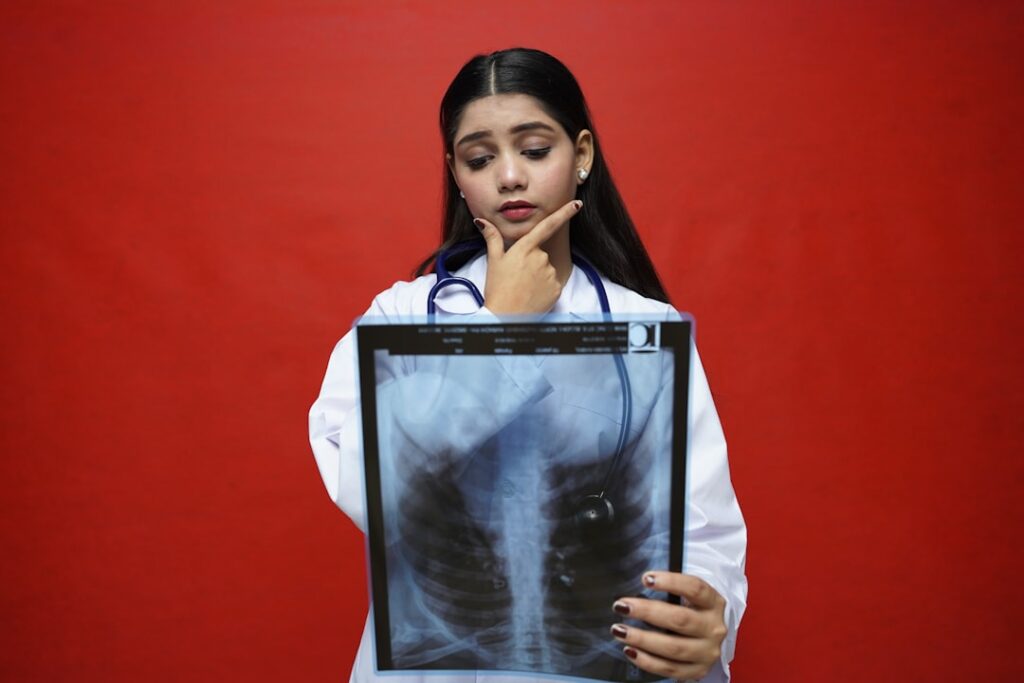
Additional tests may include chest X-ray or CT scan to evaluate for emphysema, bronchiectasis, or lung cancer; arterial blood gas analysis to assess oxygen and carbon dioxide levels; a blood eosinophil count (which helps predict whether inhaled steroids or newer biologic therapies will help); and alpha-1 antitrypsin level testing, especially in younger patients or those without a significant smoking history. Sputum cultures may be obtained during exacerbations to help guide antibiotic selection.
Treatment: Medications
Pharmacologic treatment of chronic bronchitis focuses on relieving symptoms, reducing exacerbation frequency, and slowing disease progression. All of these medications are prescription therapies that should be selected and dosed by your clinician — do not start, stop, or change doses on your own. Bronchodilators are the cornerstone of therapy. Short-acting bronchodilators like albuterol (a beta-2 agonist) and ipratropium (an anticholinergic) provide rapid relief and are used as rescue medications. Long-acting bronchodilators — including long-acting beta-agonists (LABAs) such as salmeterol and formoterol, and long-acting muscarinic antagonists (LAMAs) such as tiotropium — are used as maintenance therapy for patients with persistent symptoms.
Combination inhalers that pair a LABA with a LAMA generally provide superior bronchodilation compared with either component alone. For patients with frequent exacerbations despite dual bronchodilator therapy, adding an inhaled corticosteroid (ICS) may be recommended, particularly in those with higher blood eosinophil counts. Triple therapy — LABA + LAMA + ICS — in a single inhaler is widely used and has been shown in clinical trials to reduce exacerbations and, in some studies, improve survival. Because ICS use carries a modest increase in pneumonia risk for some patients, the decision is individualized.
Newer options have expanded the toolkit in recent years. Ensifentrine (Ohtuvayre), a first-in-class inhaled therapy approved by the U.S. Food and Drug Administration in 2024, combines bronchodilator and anti-inflammatory activity and is used as maintenance treatment for COPD. For patients with COPD driven by type 2 (eosinophilic) inflammation who still flare despite inhaler therapy, dupilumab (Dupixent) — the first biologic approved for COPD, cleared by the FDA in 2024 — can reduce exacerbations. Older add-on options remain relevant too: the phosphodiesterase-4 inhibitor roflumilast may help selected patients with severe chronic bronchitis and frequent exacerbations, mucolytic agents such as N-acetylcysteine and carbocisteine may thin mucus, and long-term prophylactic azithromycin can reduce flare-ups in carefully selected patients (weighed against risks such as antibiotic resistance and hearing changes). Your clinician will decide which, if any, of these fit your situation.
Non-Pharmacologic Management
Smoking cessation is the single most important intervention for any patient with chronic bronchitis who still smokes. It is the only measure proven to slow the accelerated decline in lung function. Nicotine replacement therapy, bupropion, and varenicline all increase quit rates, and combining medication with behavioral counseling is most effective. Even patients with advanced disease benefit from quitting, and it is never too late to start. The free national quitline, 1-800-QUIT-NOW (1-800-784-8669), connects callers with trained coaches.
Pulmonary rehabilitation is a structured, multidisciplinary program combining exercise training, education, and behavioral modification. Research consistently shows that pulmonary rehab improves exercise capacity, reduces breathlessness, decreases exacerbation risk, and improves quality of life. Despite strong evidence, the American Thoracic Society notes that pulmonary rehabilitation remains substantially underutilized. If it is offered to you, it is one of the highest-value steps you can take.
Supplemental oxygen therapy is indicated for patients with resting hypoxemia (for example, oxygen saturation at or below 88%, or a low measured arterial oxygen level). Long-term oxygen therapy used for many hours a day has been shown to improve survival in these patients. Vaccinations are a cornerstone of prevention: annual influenza vaccination, staying up to date on COVID-19 vaccination, pneumococcal vaccination (newer options include PCV20 and PCV21), and — importantly — RSV vaccination, which the CDC now recommends for older adults and others at higher risk, including many people with chronic lung disease. Each of these reduces the risk of infections that commonly trigger exacerbations.
Airway clearance techniques — including controlled coughing, postural drainage, and oscillating positive expiratory pressure devices — help patients mobilize and expel excess mucus. These techniques are especially useful during exacerbations and for patients with particularly copious sputum production. Staying well hydrated, avoiding lung irritants, and using an air-quality app to plan outdoor activity round out day-to-day self-care.
Managing Exacerbations
Acute exacerbations of chronic bronchitis require prompt treatment to minimize lung-function loss and prevent hospitalization. Mild exacerbations can often be managed at home with increased use of short-acting bronchodilators and, if a bacterial infection is suspected (increased sputum purulence, volume, or breathlessness), a course of antibiotics prescribed by your clinician. Commonly used options include amoxicillin-clavulanate, doxycycline, and azithromycin, but the specific drug, dose, and duration are decisions for your prescriber based on local resistance patterns and your history.
Moderate to severe exacerbations may require a short course of systemic corticosteroids to reduce airway inflammation; current guidance favors the shortest effective course to limit side effects. Patients with severe exacerbations, particularly those with respiratory failure, may need hospitalization for nebulized bronchodilators, intravenous corticosteroids, supplemental oxygen, and potentially noninvasive ventilation (BiPAP). Never adjust steroid or antibiotic doses yourself — follow the plan your clinician provides.
Developing a written action plan with your healthcare provider — one that outlines when to increase medications, when to start any prescribed “rescue pack” of antibiotics or steroids, and when to seek emergency care — can reduce the severity and duration of exacerbations. Understanding the financial aspects of managing these episodes through our healthcare costs guide can help you prepare for potential expenses, including hospital stays and long-term inhaler costs.
Complications and Prognosis
Chronic bronchitis is a progressive disease, but the rate of progression varies widely. Patients who quit smoking, adhere to their medication regimen, participate in pulmonary rehabilitation, stay current on vaccines, and avoid exacerbation triggers generally experience a slower decline. Common complications include recurrent pneumonia, respiratory failure, pulmonary hypertension, and right-sided heart failure (cor pulmonale).
The BODE index — which considers Body mass index, airflow Obstruction, Dyspnea, and Exercise capacity — is one of the most useful tools for predicting prognosis in COPD. A higher BODE score correlates with higher mortality risk. Other prognostic factors include exacerbation frequency, the presence of comorbidities (cardiovascular disease, lung cancer, depression), and nutritional status. Because so many of these factors are modifiable, an engaged patient and care team can meaningfully change the trajectory.
Depression and anxiety are common comorbidities that significantly affect quality of life and adherence to treatment. Screening for and treating mental-health conditions should be an integral part of chronic bronchitis management. Social isolation — driven by activity limitation and breathlessness — can worsen psychological symptoms, making support groups and structured rehabilitation programs especially valuable.
Frequently Asked Questions
Is chronic bronchitis the same as COPD?
Chronic bronchitis is one of the two main conditions under the COPD umbrella, the other being emphysema. Not everyone with chronic bronchitis has COPD — the COPD diagnosis requires airflow obstruction on spirometry. However, many people with chronic bronchitis do have some degree of airflow limitation, placing them in the COPD category.
Can chronic bronchitis be cured?
There is no cure for chronic bronchitis. The structural changes in the airways — mucus gland enlargement, cilia damage, fibrosis — are largely irreversible. However, appropriate, clinician-directed treatment can significantly slow disease progression, relieve symptoms, reduce exacerbations, and improve quality of life. Quitting smoking is the single most effective way to change the disease course.
How is chronic bronchitis different from acute bronchitis?
Acute bronchitis is usually caused by a viral infection and resolves within one to three weeks. Chronic bronchitis is a long-term condition defined by a productive cough lasting at least three months in two consecutive years. Acute bronchitis does not typically cause permanent airway damage, while chronic bronchitis involves progressive, largely irreversible changes in the bronchial tubes.
Does air quality affect chronic bronchitis?
Absolutely. Exposure to air pollution — including particulate matter, ozone, nitrogen dioxide, sulfur dioxide, and wildfire smoke — can trigger exacerbations and accelerate lung-function decline in people with chronic bronchitis. The EPA and its AirNow service recommend that people with chronic lung disease monitor the Air Quality Index and limit outdoor activity on high-pollution or smoky days.
Which vaccines should someone with chronic bronchitis get?
People with chronic bronchitis benefit from staying current on several vaccines: annual influenza (flu), up-to-date COVID-19 vaccination, pneumococcal vaccination, and RSV vaccination, which the CDC now recommends for older adults and many people with chronic lung disease. These reduce the risk of respiratory infections that commonly trigger dangerous exacerbations. Ask your clinician which are right for your age and health profile.
When should I see a pulmonologist instead of a primary care doctor?
Consider seeing a pulmonologist if your symptoms are poorly controlled despite treatment, you are experiencing frequent exacerbations, your spirometry shows moderate to severe obstruction, you may be a candidate for a newer therapy such as a biologic, or you need evaluation for supplemental oxygen or pulmonary rehabilitation. Pulmonologists have specialized expertise in managing complex COPD and can offer advanced treatment options.
Making the Most of Every Breath
Living well with chronic bronchitis requires commitment to a comprehensive management plan. Quit smoking if you have not already — it is never too late to benefit. Use your inhalers as prescribed, not just when you feel short of breath, and never stop maintenance inhalers without talking to your clinician. Attend pulmonary rehabilitation if it is offered. Stay up to date on vaccinations. Learn to recognize the early signs of an exacerbation and act on your action plan promptly.
Stay physically active within your limits. Even gentle walking can improve cardiovascular fitness, strengthen respiratory muscles, and boost mood. Work with your care team to set realistic exercise goals and gradually increase your activity level. Chronic bronchitis is a marathon, not a sprint — consistent, daily effort pays dividends over time in slower decline, fewer hospitalizations, and better day-to-day quality of life.
This article is for general education and is not medical advice. Talk with a qualified clinician about diagnosis, medications, dosing, and any changes to your treatment.
Sources
- Centers for Disease Control and Prevention (CDC) — COPD data and statistics
- National Heart, Lung, and Blood Institute (NHLBI) — COPD
- Global Initiative for Chronic Obstructive Lung Disease (GOLD) — 2025 Report
- American Thoracic Society — pulmonary rehabilitation
- U.S. Food and Drug Administration / DailyMed — ensifentrine (Ohtuvayre) and dupilumab (Dupixent) labeling
- U.S. Environmental Protection Agency (EPA) — AirNow / Air Quality Index
- Occupational Safety and Health Administration (OSHA) — occupational respiratory hazards