
Psoriasis is a chronic immune-mediated disease that affects an estimated 7.5 million or more American adults – roughly 3 percent of the population – according to the National Psoriasis Foundation. While most people picture the silvery-scaled plaques on elbows and knees, psoriasis is a systemic disease driven by overactive immune signaling that affects the skin, joints, cardiovascular health, and mental health. The treatment landscape has been transformed over the past two decades by biologic and newer oral therapies that achieve clear or near-clear skin in a large share of patients. This article is general education, not medical advice – psoriasis care is individualized, so diagnosis and treatment decisions belong with a dermatologist or other clinician who knows your history.
What Causes Psoriasis
Psoriasis results from an interplay of genetic susceptibility and environmental triggers. The disease involves T helper 17 (Th17) cells and related immune pathways producing pro-inflammatory cytokines – notably IL-17, IL-23, and TNF-alpha – that drive rapid keratinocyte turnover. Skin cells normally take about 28 to 30 days to mature and shed; in psoriatic skin, the process can take only 3 to 5 days, producing the characteristic thick, scaly plaques.
Roughly 40 percent of patients have a family history, and strong genetic associations exist with HLA-Cw6 and other immune-related genes. Common triggers include streptococcal infection (especially in guttate psoriasis), skin trauma (the Koebner phenomenon, where lesions form at sites of injury), psychological stress, alcohol, smoking, certain medications (lithium, beta-blockers, antimalarials, and abrupt withdrawal of systemic corticosteroids), infections, cold or dry weather, and obesity. Because stopping an oral steroid suddenly can trigger a severe flare – and can be dangerous for other reasons – any change to steroids should be directed by your prescriber, never done on your own.
The Major Types
Plaque psoriasis (psoriasis vulgaris) accounts for about 80 to 90 percent of cases, a figure confirmed by the American Academy of Dermatology. It produces well-demarcated, raised red or discolored plaques with silvery scale, usually on the elbows, knees, scalp, and lower back, often symmetrically. On darker skin tones, plaques may appear violet, gray, or dark brown rather than bright red, which can make psoriasis harder to recognize.
Guttate psoriasis appears as small, drop-shaped lesions, often after a streptococcal infection, especially in children and young adults; it is the one type that sometimes clears and does not return. Inverse (flexural) psoriasis affects skin folds – armpits, groin, and under the breasts – and is smooth and shiny rather than scaly. Pustular psoriasis features sterile pustules and can be localized (palms and soles) or generalized. Erythrodermic psoriasis, the rarest type, produces widespread redness and scaling covering more than roughly 75 percent of the body surface. Both generalized pustular psoriasis and erythrodermic psoriasis can be medical emergencies (see below).
About half of patients also have nail involvement – pitting, “oil drop” discoloration, onycholysis (nail separation), or thickening. Per the Mayo Clinic, scalp involvement is extremely common and can be the only site of disease in some patients.
How Psoriasis Is Diagnosed
Psoriasis is usually diagnosed clinically – a dermatologist recognizes the pattern, distribution, and appearance of the lesions, and asks about triggers, family history, and joint symptoms. When the diagnosis is uncertain or the presentation is atypical, a skin biopsy can distinguish psoriasis from eczema, fungal infection, cutaneous lymphoma, and other conditions. There is no single blood test that diagnoses psoriasis, though your clinician may order labs before starting certain systemic treatments. Because early, accurate diagnosis and treatment can reduce long-term burden, a persistent or spreading rash that does not respond to over-the-counter care is worth having evaluated rather than self-treating indefinitely.
Beyond the Skin: Comorbidities Matter
Psoriasis is associated with a significantly elevated risk of multiple comorbidities. About 30 percent of patients develop psoriatic arthritis – often 7 to 10 years after skin disease begins, though sometimes earlier or even before skin symptoms. Our psoriatic arthritis guide covers that condition in detail. Other linked conditions include cardiovascular disease, metabolic syndrome, type 2 diabetes, non-alcoholic fatty liver disease, inflammatory bowel disease, depression and anxiety, and uveitis.
People with severe psoriasis appear to carry a meaningfully higher risk of major cardiovascular events than the general population, according to epidemiological studies summarized in the medical literature; the exact magnitude varies by study and by disease severity. This is part of why psoriasis is now considered a systemic inflammatory disease rather than just a skin condition, and why guidelines increasingly emphasize screening for cardiovascular risk factors and depression.
Topical Treatments
Mild to moderate disease is often controlled with topical therapy. Topical corticosteroids of varying potency remain the most-prescribed option and are used under a clinician’s guidance to balance benefit against skin thinning and other effects. Calcipotriene (a vitamin D analog), tazarotene (a retinoid), calcineurin inhibitors (tacrolimus, pimecrolimus, often used off-label for the face and folds), and the newer non-steroidal options roflumilast cream and tapinarof cream all play a role.
Salicylic acid keratolytics help remove scale. Coal tar preparations, while less popular than they once were, remain effective and inexpensive. Fixed-dose combination products – such as calcipotriene plus betamethasone – can improve adherence for scalp and body psoriasis. Which topical to use, how much, and for how long is a decision to make with your clinician.
Phototherapy and Systemic Therapy
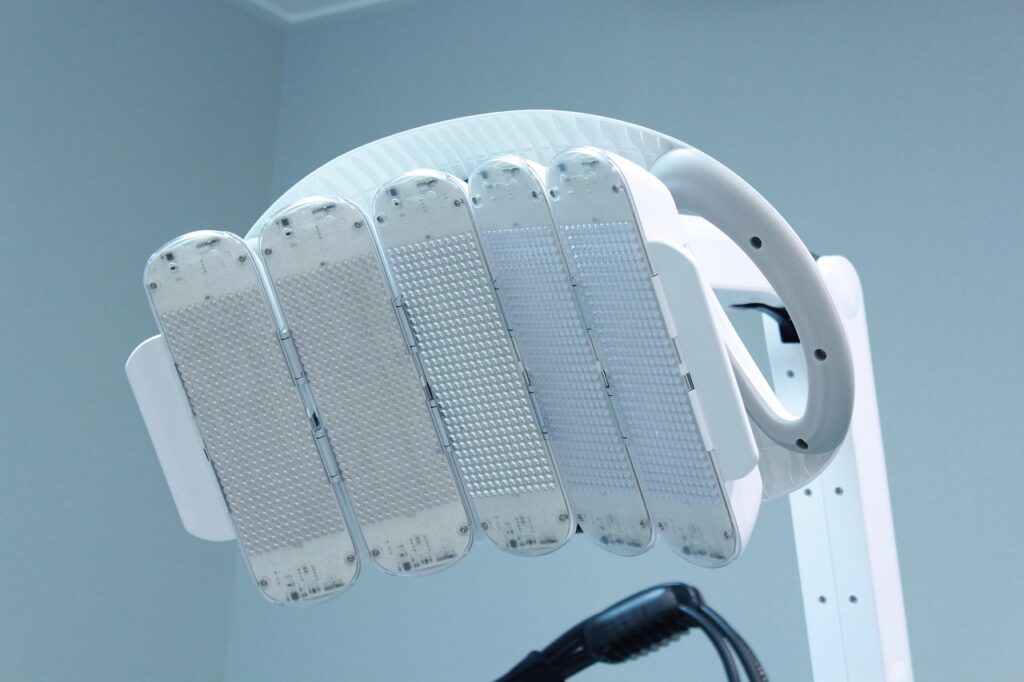
Narrowband UVB phototherapy, typically delivered 2 to 3 times weekly at a clinic or with a prescribed home unit, is highly effective for moderate psoriasis. Excimer laser can target individual stubborn plaques. PUVA therapy (psoralen plus UVA) is used less often now because of long-term skin cancer risk.
Traditional systemic agents – methotrexate, cyclosporine, and acitretin – remain options for moderate-to-severe disease. Methotrexate is taken weekly (not daily) with folate supplementation and requires lab monitoring; the specific dose is individualized and prescriber-directed, and it is not something to self-adjust. As a rough, widely cited estimate, methotrexate can cost on the order of tens of dollars per month, but prices vary by pharmacy, dose, and insurance.
Oral Small-Molecule Options
Beyond the older systemics, two oral targeted drugs are commonly discussed. Apremilast (Otezla) is an oral PDE4 inhibitor. Deucravacitinib (Sotyktu) is an oral TYK2 inhibitor approved for moderate-to-severe plaque psoriasis; it works differently from the injected biologics and offers a pill-based option for some patients. Both require a prescriber’s assessment of benefits, risks, and monitoring, and their list prices are high – often thousands of dollars per month before insurance and manufacturer assistance – so verify current pricing and coverage rather than relying on any single figure. These are prescriber-directed treatments; this article does not provide dosing.
Biologics Have Transformed Outcomes
Biologic therapies target specific cytokines and have produced unprecedented response rates. TNF inhibitors (etanercept, adalimumab, infliximab, certolizumab) were the first wave. The IL-12/23 inhibitor ustekinumab followed. The current generation – IL-17 inhibitors (secukinumab, ixekizumab, brodalumab, and bimekizumab) and IL-23 inhibitors (guselkumab, risankizumab, tildrakizumab) – achieve PASI 90 (90 percent clearance) in a majority of patients in clinical trials, with some newer agents reaching even higher clearance rates. The exact drug is chosen based on disease severity, psoriatic arthritis, other health conditions, and insurance coverage; approvals and labels evolve, so verify current options with your dermatologist.
Annual list prices for biologics commonly run into the tens of thousands of dollars, though manufacturer copay assistance can bring out-of-pocket costs to a small monthly amount for many commercially insured patients. Medicare and Medicaid patients face different (and sometimes higher) out-of-pocket structures, and copay-assistance programs generally cannot be used with government insurance. Biosimilars for several older biologics are increasingly available and may lower costs over time. Our healthcare costs overview covers strategies for managing high-cost specialty medications; treat all price figures here as estimates that vary.
Screening before starting a biologic typically includes testing for latent tuberculosis (an interferon-gamma release assay), hepatitis B and C, and an assessment of infection risk and certain comorbidities. Live vaccines are generally avoided during biologic therapy. Your prescriber will tailor screening and monitoring to the specific drug.
Emergencies: When Psoriasis Becomes Urgent
Most psoriasis is not a medical emergency, but two forms can become one. Erythrodermic psoriasis – widespread, intense redness and shedding over most of the body – can disrupt temperature regulation, fluid balance, and the skin’s barrier, and may require hospitalization. Generalized pustular psoriasis (GPP) – a sudden, widespread eruption of sterile pustules, often with fever and feeling very unwell – can also be life-threatening and needs urgent evaluation. For GPP flares, a targeted biologic (the IL-36 receptor inhibitor spesolimab, marketed as Spevigo) is one prescriber-directed option that has changed management, but this is strictly a clinician’s decision. Seek immediate care for sudden generalized redness, a new widespread pustular eruption with fever, severe chest pain or stroke-like symptoms (psoriasis raises cardiovascular risk), or signs of a serious skin infection – increasing redness, warmth, pus, and fever – especially while taking immunosuppressive medication.
Lifestyle Factors That Help
Weight loss meaningfully reduces psoriasis severity in patients who are overweight – even a modest 5 to 10 percent loss has improved severity scores in randomized trials. Smoking cessation reduces severity and can improve response to treatment. Limiting alcohol, managing stress, and treating depression all support better outcomes.
Diet patterns matter modestly. The Mediterranean diet has the most consistent evidence for inflammatory benefit; ketogenic, gluten-free, and other restrictive diets have weaker support outside specific subgroups (for example, gluten-free eating mainly helps those who also have celiac disease). Vitamin D supplementation may help patients who are deficient. These measures complement, but do not replace, medical treatment.
Consistent skin care reduces flares. Daily moisturizing, avoiding harsh soaps, using lukewarm rather than hot water, and promptly treating minor cuts help prevent the Koebner phenomenon, in which new lesions appear at sites of skin trauma.
When to See a Doctor
New, persistent rashes, scalp scaling that does not resolve with anti-dandruff or antifungal shampoo, or thick plaques that do not respond to over-the-counter creams should be evaluated. Patients with established psoriasis should see a dermatologist when current therapy is no longer controlling disease, when joint pain, stiffness, or swelling develops (possible psoriatic arthritis), or when comorbidities such as depression or cardiovascular symptoms emerge.
Many clinicians recommend periodic cardiovascular risk assessment for patients with moderate-to-severe psoriasis, given the elevated risk, and mental-health screening at dermatology visits is increasingly standard. Our medical conditions overview covers the value of integrated chronic-disease management.
Frequently Asked Questions
Is psoriasis contagious?
No. Psoriasis is an immune-mediated disease, not an infection. It cannot be spread by touch, sharing towels, swimming pools, or any other means. This common misconception causes considerable social stigma that is not supported by science.
Can psoriasis be cured?
There is no cure, and the AAD notes that most people who develop psoriasis have it for life (with the occasional exception of some children with guttate psoriasis). But treatment has advanced dramatically. Modern biologics and oral agents achieve clear or nearly clear skin in a large share of patients, and many people experience long periods of remission. Psoriasis can return, particularly after triggers, but most people can reach good long-term control with the right regimen.
Does diet affect psoriasis?
Diet has a modest but real impact for some patients. Mediterranean-style eating has the best evidence, and weight loss in overweight patients consistently reduces severity. Specific trigger foods vary by individual. Gluten-free diets mainly help patients who also have celiac disease, which occurs more often in people with psoriasis than by chance.
Will my children get psoriasis?
Risk is elevated but far from certain. If one parent has psoriasis, a child’s lifetime risk is often cited as roughly 10 to 15 percent; if both parents have it, the risk rises substantially. Most children of people with psoriasis do not develop the disease.
What is the difference between psoriasis and eczema?
Both cause red or discolored, itchy, scaly skin, but they are different diseases. Psoriasis tends to produce thicker, well-defined plaques with silvery scale on extensor surfaces (elbows, knees) and the scalp, while eczema (atopic dermatitis) is typically more intensely itchy and favors the flexor creases. A dermatologist can distinguish them, sometimes with a biopsy, and treatment differs, so an accurate diagnosis matters.
TL;DR: Psoriasis is a chronic, immune-mediated disease – not just a rash – with several types (plaque is most common) and a wide treatment ladder from topicals and phototherapy to systemics, biologics (TNF, IL-17, IL-23 inhibitors), and oral agents such as apremilast and deucravacitinib. It has no cure but is highly treatable, and it carries real risks of psoriatic arthritis, cardiovascular and metabolic disease, and depression. Erythrodermic and generalized pustular psoriasis can be emergencies – seek urgent care.
This article is general educational information, not medical advice, and does not provide dosing. Psoriasis diagnosis and treatment are individualized and prescriber-directed. Drug approvals, labels, and prices change – verify current details. Talk with a dermatologist or other qualified clinician about your own care, and seek emergency care for the warning signs described above.
The Bottom Line
Psoriasis is a systemic immune disease, not just a skin problem, and treating it well means managing both the visible plaques and the invisible cardiovascular, metabolic, and psychiatric risks that come with it. For mild disease, topicals and lifestyle measures often suffice. For moderate-to-severe disease, modern biologics and oral targeted drugs have produced response rates that would have seemed impossible 20 years ago. Connecting with a dermatologist comfortable with the full toolkit – including biologics and newer orals – is the single most important step for anyone whose disease has not responded to over-the-counter approaches. Watching for joint symptoms and cardiovascular risk factors helps prevent the comorbidities that drive much of psoriasis’s long-term burden.
Sources
- American Academy of Dermatology (aad.org) – plaque psoriasis is 80-90 percent of cases; psoriasis is generally lifelong (with a guttate-in-children exception); types, triggers, and management guidance
- National Psoriasis Foundation (psoriasis.org/psoriasis-statistics) – US prevalence (an estimated 7.5 million-plus adults, ~3 percent), comorbidities, and treatment overview
- MedlinePlus, U.S. National Library of Medicine (medlineplus.gov) – patient-level overview of psoriasis and treatment categories
- Mayo Clinic (mayoclinic.org) – symptoms, types, scalp and nail involvement, and when to seek care
- Peer-reviewed literature via PubMed Central (pmc.ncbi.nlm.nih.gov) – cardiovascular risk in severe psoriasis; magnitude varies by study; verify current