
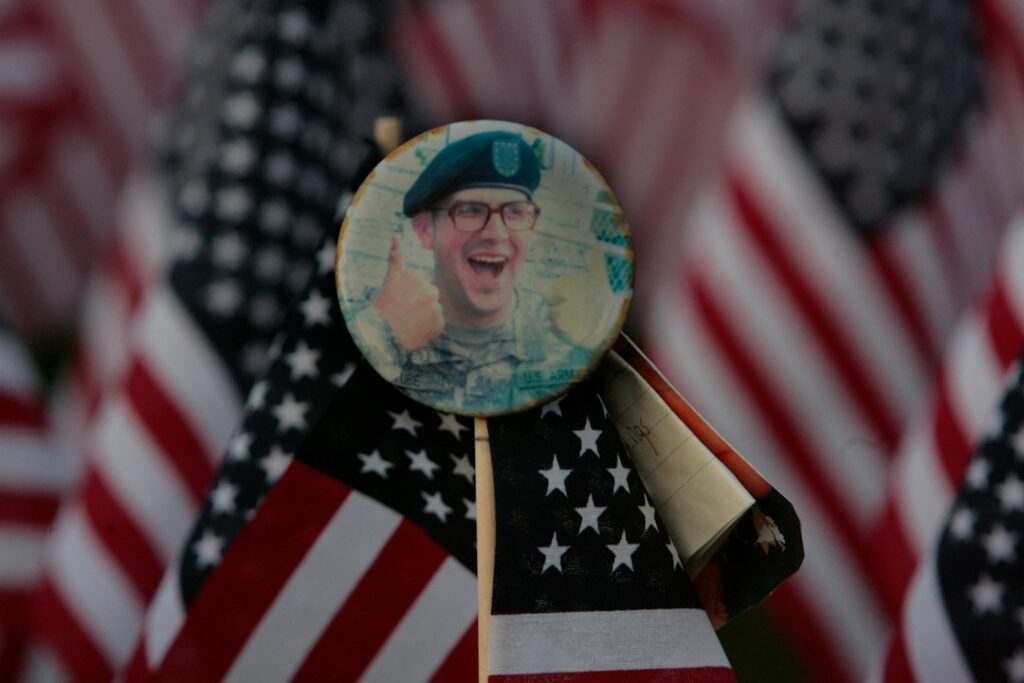
- Veterans have access to VA mental health services plus many community and nonprofit options.
- If you or someone you know is in crisis, the Veterans Crisis Line is available: dial 988 then press 1, or text 838255.
- VA care can cover conditions like PTSD, depression, anxiety, and substance use, often at Vet Centers and VA medical centers.
- Enrollment status and eligibility affect VA services, so it is worth checking directly with the VA.
- Community providers, telehealth, and nonprofits can supplement or provide alternatives to VA care.
- This is general information; a licensed clinician or VA staff can guide you to the right care.
Veterans face unique experiences that can affect mental health, from combat exposure and deployment stress to the challenges of transitioning to civilian life. The good news is that a range of resources exists, including services through the U.S. Department of Veterans Affairs (VA) as well as community and nonprofit options. This guide offers a general overview of where veterans and their families can look for mental health support, how to get started, and where to turn in a crisis. It is educational and not a substitute for professional care.
If you or a veteran you know is in emotional distress or thinking about suicide, help is available right now. Call the Veterans Crisis Line by dialing 988 and then pressing 1, text 838255, or use the online chat. You do not need to be enrolled in VA care to use it. If there is immediate danger, call 911.
What VA mental health services can include
The VA offers mental health care for a wide range of concerns, which may include post-traumatic stress disorder (PTSD), depression, anxiety, grief, military sexual trauma, and substance use. Services can involve assessment, individual and group therapy, medication management by a prescriber, and specialized programs. Care is delivered through VA medical centers, community-based outpatient clinics, and telehealth, so location does not have to be a barrier for everyone.
Vet Centers are another part of the system. They provide readjustment counseling and related services, often in a more informal setting, and can be a comfortable entry point for some veterans and their families. Eligibility for specific services depends on factors such as service history and enrollment, so it is worth confirming details directly with the VA.
How to get started with the VA
Getting connected usually begins with one of these steps:
- Contact your local VA medical center or clinic and ask about mental health intake.
- Visit a Vet Center for readjustment counseling.
- Check your eligibility and enrollment status with the VA, since these can affect available services.
- Ask about telehealth if travel or scheduling is a barrier.
If you are not sure where to begin, VA staff can help direct you, and the Veterans Crisis Line can connect callers to local resources even outside of a crisis.
Community and nonprofit options
VA care is not the only path. Many veterans use community providers, employer or insurance-based benefits, or nonprofit programs, either instead of or alongside VA services. Options to explore include:
| Resource type | What it may offer |
|---|---|
| Community mental health centers | Lower-cost or sliding-scale therapy and psychiatry in local communities |
| Nonprofits serving veterans | Peer support, counseling referrals, and specialized programs |
| Telehealth platforms | Remote therapy and psychiatry, sometimes with veteran-focused providers |
| Private clinicians | Care through insurance or self-pay, including those experienced with military populations |
For local, lower-cost options, our overview of community mental health centers explains how they work, and if you are looking for a prescriber, our guide to finding a psychiatrist walks through the process.
Support for families and caregivers
Mental health challenges affect families too. Some VA and community programs offer support, education, and counseling for spouses, partners, and caregivers, and family members can also use the Veterans Crisis Line for guidance if they are worried about a veteran. Involving trusted people can make it easier to follow through on care.
A note on medication and treatment
Some veterans benefit from talk therapy, some from medication, and many from a combination; the right approach is individual and best decided with a licensed clinician. Psychiatric medications are managed by a prescriber, so never start, stop, or change a medication on your own. If something is not working, that is important information to bring to your care team rather than a reason to make changes alone. For more evidence-based background on mental health and everyday well-being, see our evidence-based wellness guides.
Frequently asked questions
How do I reach the Veterans Crisis Line? Dial 988 and then press 1, text 838255, or use the confidential online chat. It is available 24/7, and you do not need to be enrolled in VA care.
Do I have to be enrolled in the VA to get help? Enrollment affects some VA services, but resources like the Veterans Crisis Line and many community and nonprofit programs are available regardless. Check eligibility directly with the VA.
What conditions does VA mental health care address? Services can cover PTSD, depression, anxiety, grief, military sexual trauma, substance use, and more, through therapy, medication management, and specialized programs.
Can I get care without traveling to a VA facility? Often yes. VA telehealth and community or online providers can deliver care remotely; ask about options during intake.
Where can families get support? Some VA and community programs support spouses, partners, and caregivers, and family members can contact the Veterans Crisis Line for guidance about a veteran they are worried about.
Is this article a substitute for professional advice? No. It is general education. A licensed clinician or VA staff can assess your situation and recommend appropriate care.
This article is for general education and is not medical advice. Supplements and therapies affect people differently and can interact with medications or conditions. Talk to your doctor, pharmacist, or a licensed clinician before making changes to your health routine.
Sources
- U.S. Department of Veterans Affairs (VA) — mental health services and Vet Center information
- Veterans Crisis Line — 988 then press 1, text 838255, and online chat
- National Institute of Mental Health (NIMH) — conditions and treatment overviews
- MedlinePlus — veterans and mental health topics
- SAMHSA — behavioral health resources and referrals