
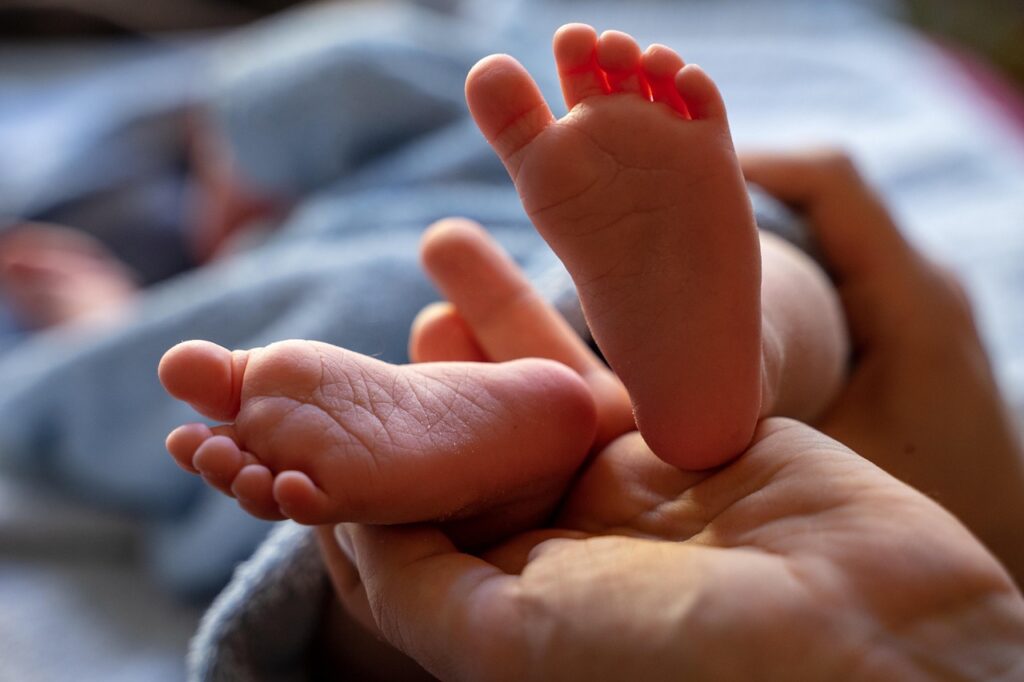
- Baby acne is common and harmless, affecting up to about 20 percent of newborns, and usually clears on its own within weeks to a few months.
- The best treatment is gentle care: wash with lukewarm water and a mild baby cleanser, pat dry, and be patient — no treatment is usually needed.
- Never use adult acne products (benzoyl peroxide, salicylic acid, retinoids) or essential oils on a baby's skin.
- Do not pick, squeeze, or scrub the bumps, which can cause irritation or scarring.
- See a pediatrician if the rash is severe, persists beyond a few months, shows signs of infection, or comes with fever or other symptoms.
- This is general education, not medical advice — check with your pediatrician about your baby's skin.
Knowing how to treat baby acne can ease the worry many new parents feel when little red bumps appear on their newborn’s face. Baby acne is one of the most common skin conditions in infants, affecting up to about 20 percent of newborns according to the American Academy of Dermatology (AAD). Here is the reassuring part: understanding how to treat baby acne is refreshingly simple, because most cases clear on their own with gentle care and a little patience — often with no treatment at all. This article is general education and is not a substitute for your pediatrician’s advice.
What Is Baby Acne?
Baby acne, medically known as neonatal acne (and sometimes described as neonatal cephalic pustulosis), appears as small red or white bumps on a baby’s skin, most commonly on the face. It typically shows up within the first two to four weeks of life, though it can be present at birth or develop up to about six weeks of age.
The condition usually appears as:
- Small red or pink bumps (papules) on the cheeks, nose, forehead, and chin
- Tiny white bumps or pustules (whiteheads)
- Mild redness surrounding the bumps
- Occasional spread to the scalp, neck, chest, or back
Baby acne can look a bit like teenage acne, but it is different in cause and treatment. Unlike adolescent acne, neonatal acne is not driven by clogged pores from heavy oil production, and it does not call for aggressive treatment. In most babies it is simply a passing phase.
What Causes Baby Acne?
The exact cause is not fully understood, but a few factors are thought to contribute.
Maternal Hormones
The most widely cited explanation involves maternal hormones that cross the placenta during pregnancy. These hormones can stimulate a baby’s immature oil (sebaceous) glands, leading to the bumps and redness. According to the Mayo Clinic, this hormonal effect fades as the hormones clear from the baby’s system, which is why the acne tends to resolve on its own.
Yeast on the Skin
Research in the field of pediatric dermatology suggests that Malassezia, a yeast that naturally lives on skin, may play a role in some cases. This is one reason some clinicians use the term neonatal cephalic pustulosis, framing the condition as related to yeast rather than to true acne.
Sensitive Newborn Skin
A newborn’s skin is thin and easily irritated. Contact with saliva, milk or spit-up residue, rough fabrics, or harsh detergents can irritate the skin and make baby acne look worse, or cause similar-looking rashes.
How to Treat Baby Acne at Home
Most baby acne resolves without any treatment within a few weeks to a few months. Gentle, minimal care is all that is usually needed to keep your baby comfortable while it clears.
Gentle Cleansing
Wash your baby’s face once a day with lukewarm water and a mild, fragrance-free baby cleanser. Avoid regular soap, adult facial cleansers, and any acne product made for older children or adults. Pat the skin dry with a soft towel rather than rubbing. The AAD recommends using cleansers formulated specifically for infant skin.
Keep the Skin Clean and Dry
Gently wipe away drool, spit-up, and milk residue from your baby’s face throughout the day, since these fluids can irritate sensitive skin and make the acne look worse. Use a soft, damp cloth and always pat, rather than scrub, dry.
Skip Lotions and Oils on the Bumps
Do not apply lotions, oils, or heavy moisturizers to acne-affected areas unless your pediatrician tells you to. These can clog developing pores and worsen the appearance. If nearby skin is dry, a small amount of fragrance-free, hypoallergenic baby moisturizer on non-acne areas is generally fine.
Do Not Pick or Squeeze
Never pick at, squeeze, or scrub the bumps. A baby’s skin is delicate, and handling the bumps can cause irritation, scarring, or infection. The bumps will fade on their own as the underlying hormonal stimulation settles.
Use Gentle Laundry Products
Wash items that touch your baby’s face — bibs, burp cloths, sheets, and clothing — with a fragrance-free, dye-free detergent. Fabric softeners and dryer sheets can leave residues that irritate sensitive skin.
A Note on the “Breast Milk” Remedy
Some parents apply a small amount of breast milk to baby acne. Evidence that this actually clears the acne is limited and largely anecdotal, though a thin layer is unlikely to cause harm. If you try it, apply a small amount, let it air dry, and rinse gently at the next bath. It is not a substitute for simple gentle care, and it is not needed for the acne to resolve.
Manage the Environment
Heat and humidity can make baby acne look worse. Keep your baby’s room at a comfortable temperature, dress them in breathable cotton, and avoid overdressing, which can cause sweating and irritation.
What NOT to Do
Well-meaning advice sometimes points parents toward products that can actually harm delicate infant skin. Avoid these common mistakes:
- Never use adult acne products: Benzoyl peroxide, salicylic acid, retinoids, and similar acne treatments are far too harsh for infant skin and can cause burning, irritation, and reactions. They are not appropriate for babies.
- Do not use hydrocortisone or other steroid creams on a baby’s face unless specifically prescribed by your pediatrician. Prolonged use can thin the skin and cause other effects.
- Do not scrub the skin: Abrasive washcloths, sponges, and exfoliating products can damage a baby’s delicate skin barrier.
- Do not apply essential oils: Tea tree, lavender, and other essential oils are too potent for infant skin and can cause reactions.
- Be cautious with oils like coconut oil on the bumps: Popular in some natural-parenting circles, these can be pore-clogging and may make acne look worse in some babies.
When Does Baby Acne Go Away?
Most cases of neonatal acne clear completely within a few weeks to about three months, without treatment and without scarring. The timeline varies from baby to baby:
- Mild cases: may clear within one to two weeks
- Moderate cases: often resolve within four to six weeks
- Persistent cases: may last up to three to four months but usually resolve by around six months
If acne persists well beyond the first few months of life, it may be classified as infantile acne, a different and sometimes more stubborn condition that typically appears between about three and six months of age. Infantile acne can be more severe and sometimes needs evaluation and treatment by a pediatrician or pediatric dermatologist, so it is worth having a clinician take a look rather than treating it at home.
When to See a Doctor
While most baby acne is harmless and self-limiting, certain situations do warrant a call or visit to your pediatrician or a pediatric dermatologist:
- Acne that worsens despite gentle care: bumps that become larger, more numerous, or increasingly red despite simple cleansing
- Signs of infection: pus-filled or rapidly spreading bumps, yellow crusting, increased redness, warmth, or swelling — and especially any fever
- Acne that persists beyond about four to six months: which may point to infantile acne or, rarely, an underlying hormonal condition
- Severe acne with deep cysts or nodules: uncommon in newborns and worth evaluating
- Other symptoms alongside the rash: such as fever, unusual fussiness, poor feeding, excessive hair growth, or early signs of puberty
- Any uncertainty about the diagnosis: several other conditions can look like baby acne, and a pediatrician can tell them apart
A fever in a young infant is always a reason to contact your pediatrician promptly, regardless of the rash. For broader reading on infant and family health, see our medical conditions guide and our wellness guide.
Baby Acne vs. Other Newborn Skin Conditions
Several common newborn skin conditions can be mistaken for baby acne. Knowing the differences helps you respond appropriately — though when in doubt, your pediatrician can confirm.
- Milia: tiny white bumps (not red or inflamed) caused by trapped skin cells, usually on the nose, cheeks, and chin. They need no treatment and clear on their own.
- Erythema toxicum: a benign, blotchy rash with red patches and small yellow or white bumps that can appear anywhere on the body, usually within the first few days of life, resolving within one to two weeks.
- Eczema (atopic dermatitis): dry, rough, itchy patches. Unlike baby acne, eczema usually benefits from gentle moisturizing and may need specific care from your pediatrician.
- Heat rash (miliaria): small clear or red bumps from blocked sweat glands, often where clothing traps heat. Cooling the baby and removing excess clothing usually helps.
- Cradle cap (seborrheic dermatitis): greasy, yellowish, scaly patches mainly on the scalp and eyebrows.
Frequently Asked Questions
Does breastfeeding cause baby acne?
No. The maternal hormones associated with baby acne are transferred during pregnancy through the placenta, not through breast milk. Breastfeeding is safe and beneficial whether or not your baby has acne, and you do not need to stop or change how you feed.
Can I put anything on baby acne?
The best approach is minimal intervention: clean the face gently with water and a mild baby cleanser, and be patient. Avoid lotions, oils, and acne products. Do not apply any medication without checking with your pediatrician first.
Will baby acne leave scars?
Neonatal acne almost never scars when it is left alone to resolve naturally. Scarring is far more likely if the bumps are picked, squeezed, or scrubbed. Hands-off, gentle care is the best way to ensure smooth skin afterward.
Is baby acne a sign of allergies?
Baby acne is not caused by food allergies. It is related to maternal hormones from pregnancy. If you notice other symptoms, such as eczema, digestive trouble, or persistent fussiness, discuss possible allergies or sensitivities with your pediatrician.
Should I change my diet if I am breastfeeding a baby with acne?
No. Because baby acne relates to prenatal hormone exposure rather than breast milk composition, changing your diet will not affect it. Continue eating a balanced diet and feeding your baby as usual.
Key Takeaway
Baby acne is a common, harmless condition that affects up to about 20 percent of newborns and typically clears on its own within a few weeks to three months. The best treatment is gentle care: wash the face daily with lukewarm water and a mild baby cleanser, keep the skin clean and dry, and avoid lotions, oils, and acne products. Never use adult acne medications on a baby, and never pick or squeeze the bumps. See your pediatrician if the acne is severe, worsens despite gentle care, shows signs of infection, persists beyond a few months, or comes with fever or other concerning symptoms. With patience and simple care, your baby’s skin will almost always clear on its own.
This article is general education and is not medical advice. Baby acne is common and usually harmless, but it can resemble other conditions. Never use adult acne products on an infant, and contact your pediatrician if the rash is severe, persistent, shows signs of infection, or is accompanied by fever or other symptoms.
Sources
- American Academy of Dermatology (AAD) — Baby acne: how to tell if your baby has it and how to treat it
- American Academy of Pediatrics / HealthyChildren.org — Newborn and infant skin care
- Mayo Clinic — Baby acne: symptoms and causes
- Cleveland Clinic — Baby acne (neonatal acne) overview