
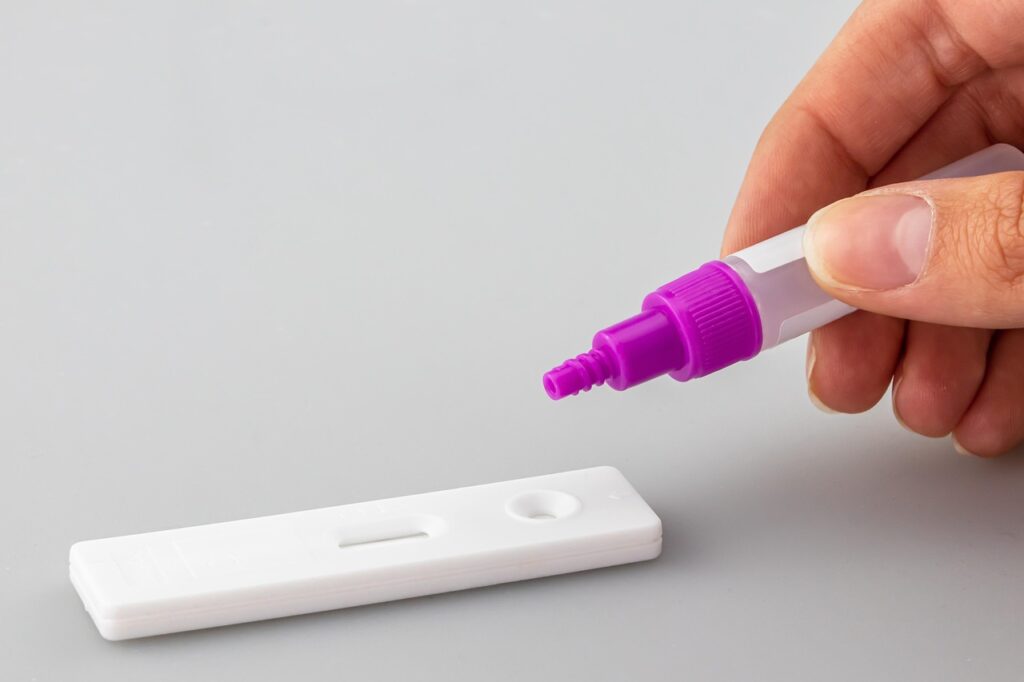
- Without insurance, allergy testing usually costs $200–$1,000+, depending on the method and how many allergens are tested.
- Skin-prick testing is billed per allergen, so a large panel costs more than a small, targeted one.
- Blood (specific IgE) testing is a good option when skin testing is not possible, but a broad panel can cost as much or more.
- The allergist's office-visit fee is usually a separate charge on top of the test itself.
- Prices are negotiable: ask for the self-pay rate, test only the allergens you actually need, and compare at least three clinics.
Without health insurance, allergy testing in the United States typically costs between $200 and $1,000 or more, with most people paying somewhere around $300 to $700 for a targeted panel. The exact price depends on two things: which method is used — a skin-prick test or a blood test — and how many allergens you are checked for. Because skin testing is billed per allergen, a broad “test me for everything” panel can cost several times more than a focused one aimed at your actual symptoms.
This guide breaks down real 2026 self-pay prices by test type, compares skin testing against blood testing head to head, and walks through seven concrete ways to pay far less — because the sticker price is rarely the price you have to pay.
How much does allergy testing cost without insurance?
For allergy testing without insurance, expect a self-pay price in the ranges below. These reflect typical 2026 cash prices in the U.S. and generally cover the test itself; the office visit is often separate. Your quote will vary by clinic, method, and the number of allergens tested. Always ask for the self-pay rate and whether the office visit is included.
| Scenario | Typical self-pay price (2026) |
|---|---|
| Low end (small skin-prick panel, a handful of allergens) | $150 – $300 |
| National ballpark (targeted skin or blood panel) | $300 – $700 |
| High end (large panel, skin + blood, or patch testing) | $800 – $1,000+ |
For reference, Medicare — which sets some of the lowest negotiated rates in the country — pays only a few dollars per skin-prick test (CPT 95004) and roughly $5 to $20 per allergen for a specific-IgE blood test (CPT 86003). Because tests are billed per allergen, the total scales with how many are checked. You can look up rates for specific codes on the government’s free Medicare Procedure Price Lookup tool. Treat those figures as a floor: if a clinic quotes you many times the Medicare rate per allergen, there is room to negotiate or a cheaper option nearby.
Allergy testing cost by type
Different methods test for different things and carry different prices. These are typical self-pay ranges without insurance in 2026, for the test itself:
| Type of allergy test | What it checks | Typical self-pay range |
|---|---|---|
| Skin-prick test (panel) | Environmental and food allergens | $200 – $700 |
| Intradermal skin test | Follow-up when prick test is unclear (often venom, drugs) | $200 – $600 |
| Specific-IgE blood test (panel) | Environmental and food allergens via blood draw | $200 – $1,000 |
| Patch test (contact dermatitis) | Skin reactions to chemicals and metals | $300 – $1,200 |
| Oral food challenge | Confirm or rule out a food allergy under supervision | $500 – $2,500+ |
To sanity-check any quote against a fair market price in your ZIP code, use FAIR Health Consumer or Healthcare Bluebook, both free.
Allergy testing cost by component
The advertised test price is often not the whole bill. It helps to see the pieces that can appear on a self-pay allergy-testing invoice in 2026:
| Component | What it covers | Typical self-pay range |
|---|---|---|
| Office / consultation visit | The allergist’s evaluation and history | $150 – $400 |
| Skin-prick testing | Billed per allergen tested | $5 – $20 per allergen |
| Blood (specific-IgE) testing | Billed per allergen, plus lab draw fee | $10 – $40 per allergen |
| Interpretation and results review | Reading results and a follow-up plan | Often bundled or $75 – $200 |
The per-allergen billing is the key to controlling cost: a panel of 40 allergens costs roughly ten times a panel of four. This is why testing only for what your symptoms suggest — rather than a blanket screen — is the single most effective way to keep the bill down.
What determines the price of allergy testing
Five factors explain almost all of the variation you will see between quotes:
1. Number of allergens tested — the biggest lever
This is the single largest driver of price. Because both skin and blood tests are billed per allergen, a focused panel of the specific things you suspect costs far less than a broad screen of dozens. A good allergist tests based on your history, not a catch-all list.
2. Test method
Skin-prick testing is generally the lowest-cost first-line method for common environmental and food allergies. Blood testing, patch testing, and supervised oral food challenges cost more and are used for specific situations.
3. Where you are tested
An allergist’s office is usually cheaper than a hospital outpatient clinic for the same test, which can add facility fees. Direct-to-consumer lab tests you order online are cheaper still, though they come without a specialist’s interpretation.
4. The office visit
The consultation with the allergist is frequently a separate charge from the test. When you compare quotes, confirm whether the visit is included so you are comparing like for like — much as you would when checking what a dermatologist costs for a visit plus a procedure.
5. Whether you pay cash and ask upfront
Counterintuitively, a self-pay cash price is often lower than the billed “list” price, because clinics would rather collect a predictable payment at the time of service. This is why the steps below matter so much.
Allergy testing: skin test vs. blood test
The two main methods are the skin-prick test and the specific-IgE blood test. They test the same underlying question — what your immune system reacts to — but differ in cost, speed, and when each is appropriate:
| Skin-prick test | Blood (specific-IgE) test | |
|---|---|---|
| Typical self-pay price | $200 – $700 for a panel | $200 – $1,000 for a panel |
| How it works | Tiny amounts of allergen pricked into the skin | A single blood draw analyzed by a lab |
| Results | In the office within about 15–20 minutes | Days later, from the lab |
| Best for | Most common environmental and food allergies | Those on antihistamines, with severe eczema, or a history of anaphylaxis |
| Limitations | Requires stopping antihistamines first; needs clear skin | Can be pricier per allergen; slightly less sensitive for some allergens |
For most people, skin-prick testing is the lower-cost, faster first choice, and the American Academy of Allergy, Asthma & Immunology (AAAAI) considers it a reliable front-line method. Blood testing is reserved for situations where skin testing is not possible — for example, if you cannot stop antihistamines, have a skin condition that interferes, or have a history of severe reactions. Your allergist will recommend the right one for your case; you do not usually need both.
7 ways to pay less for allergy testing without insurance
- Ask for the self-pay or “cash price” directly. Call and ask: “What is your self-pay price for allergy testing, including the office visit, paid upfront?” This alone can cut the bill significantly.
- Test only the allergens your symptoms point to. Because testing is billed per allergen, a focused panel based on your history is far cheaper than a blanket screen — and usually more useful.
- Choose an allergist’s office over a hospital clinic. An independent office avoids hospital facility fees for the same test.
- Compare against a fair price first. Check FAIR Health Consumer and the hospital’s public price file (required under CMS hospital price transparency rules) so you know when a quote is inflated.
- Consider a direct-to-consumer specific-IgE lab test for screening. Some labs and online services sell self-pay IgE panels for $100–$300 without a referral, similar to the way you can order a blood test or an STD test directly. These are a lower-cost screen, but the results still need a clinician’s interpretation — a positive test is not the same as a clinical allergy.
- Negotiate and ask for a prompt-pay discount. Request an itemized quote and ask directly for a discount for paying in full at the time of service. Providers routinely grant 10–30% off.
- Check community health centers and allergy clinics. Federally Qualified Health Centers (FQHCs) and some allergy practices offer sliding-scale pricing for uninsured, income-eligible patients. If you have an HSA or FSA, allergy testing is an eligible expense you can pay with pre-tax dollars.
Is cheaper allergy testing lower quality?
Not necessarily — but allergy testing is one area where how the test is chosen and interpreted matters as much as the price. A cheap, well-targeted skin-prick panel read by an allergist can be far more useful than an expensive broad screen with no context. To make sure you are getting sound testing wherever you go, confirm three things:
- A board-certified allergist/immunologist selects the allergens based on your history and interprets the results, rather than running a blanket panel.
- Any blood testing goes to a CLIA-certified lab, and the specific-IgE method is a validated one.
- You get a clear explanation of what a positive result means — because a positive test only indicates sensitization, and a true allergy is a clinical diagnosis, per AAAAI guidance.
If those are true, a $400 targeted panel can be more valuable than a $1,000 blanket one. The most expensive mistake in allergy testing is paying for dozens of allergens you never needed.
A quick word on severe reactions
Shopping around makes sense for routine, planned allergy testing of everyday symptoms like sneezing, itching, or mild food reactions. It does not apply to a medical emergency: if you or someone else has trouble breathing, throat swelling, or another sign of anaphylaxis, that is an emergency — use epinephrine if prescribed and call 911. This guide is about non-urgent, scheduled testing, the situation where most people overpay simply because they did not know they could ask.
Frequently asked questions
How much is allergy testing without insurance on average?
Most self-pay allergy testing costs $300–$700 for a targeted panel, though the full range runs from about $150 for a small skin-prick panel to $1,000+ for a large panel or patch testing. The number of allergens tested and the method are the biggest factors.
Is a skin test or a blood test cheaper?
Skin-prick testing is usually the lower-cost, faster first choice and gives results in the office within about 20 minutes. A blood (specific-IgE) test can cost as much or more for a broad panel and is reserved for cases where skin testing is not possible. You rarely need both.
Does the price include the allergist’s office visit?
Often not. The consultation is frequently a separate charge from the test itself, typically $150–$400. Always ask whether the office visit is included when you compare self-pay quotes.
Can I get allergy testing without a referral?
You can often book directly with an allergist, and some labs sell direct-to-consumer specific-IgE panels without a referral. However, results still need a clinician’s interpretation, because a positive test indicates sensitization, not necessarily a clinical allergy.
Is it cheaper to pay cash for allergy testing than to use insurance?
Sometimes. If you are uninsured, a self-pay cash price at an allergist’s office is often below the billed list price. Even with insurance, if you have a high deductible you have not met, it can be worth comparing the self-pay quote against your expected share.
How can I find the cheapest allergy testing near me?
Call at least three allergist offices and ask for the self-pay price including the office visit, confirm they will test only the allergens your symptoms suggest, and compare the quotes against FAIR Health Consumer’s fair-price estimate for your ZIP code. Ask each about prompt-pay discounts and sliding-scale programs.
Related reading: see how much a blood test costs without insurance, how much an STD test costs, and how much a dermatologist costs, then browse the full Healthcare Costs guide for more ways to lower what you pay.
Prices in this article are typical 2026 self-pay ranges and vary by location, method, and the number of allergens tested. Always request a written quote that states whether the office visit is included before your appointment. This article is general information, not medical or financial advice.