
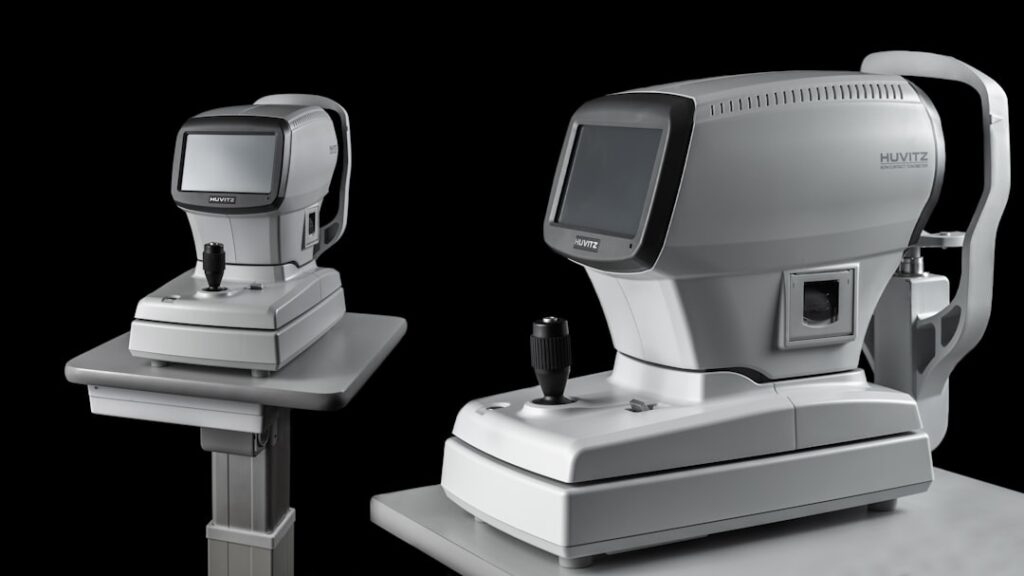
LASIK remains one of the most popular elective procedures in the United States, with hundreds of thousands of procedures performed each year according to the American Refractive Surgery Council. The average cost of LASIK eye surgery in 2026 is roughly $2,200 to $3,500 per eye for the modern bladeless all-laser technique, meaning most patients pay about $4,400 to $7,000 for both eyes. Prices vary by laser platform, surgeon experience, and geography, and a handful of “discount LASIK” centers advertise prices that do not include the technology fees most patients end up paying. These figures are estimates that vary, so treat them as a starting point and verify current pricing directly. Our healthcare costs guide sets the stage for elective vision procedures, and this article dissects the real LASIK price tag.
This is a cost article, not medical advice. It focuses on price and payment, not on whether LASIK is right for you. For how the procedure works, who is a candidate, and the risks (such as dry eye, glare, and halos), see our LASIK eye surgery guide and consult a qualified eye surgeon.
Average Cost of LASIK Eye Surgery in 2026
National estimates from refractive surgery industry data place modern all-laser LASIK at roughly $2,500 to $3,200 per eye when add-ons and follow-up care are included. Traditional bladed microkeratome LASIK still exists at some practices and tends to run slightly lower, while SMILE (small incision lenticule extraction), an FDA-approved alternative, commonly runs a few hundred dollars more per eye. Because pricing is not standardized, the same prescription can be quoted very differently across practices.
The wide spread reflects genuine differences in technology, surgeon experience, and postoperative care. A top-tier surgeon using the latest wavefront-optimized or topography-guided platforms may charge toward the high end (often $3,200 to $4,200 per eye), while busy high-volume centers in lower-cost markets may charge less for comparable modern technology. Price alone is a weak signal of quality, so weigh it against outcomes and experience.
How This Differs From Our Other LASIK Cost Guides
We publish several closely related LASIK pricing pages, and it helps to know which one answers your question:
- This page focuses on the average cost of LASIK eye surgery — the typical per-eye and both-eyes ranges in 2026 and what drives them.
- Our average cost of LASIK and average cost of LASIK surgery pages cover the same core question with additional context and examples.
- What is the cost of LASIK surgery and cost of LASIK eye surgery dig into line-item pricing and financing.
- For anything clinical — candidacy, procedure steps, and recovery — go to our LASIK eye surgery guide.
All of these track the same market, so the ranges overlap; use whichever framing matches how you are searching, and cross-check a written quote against the figures here.
LASIK Cost Without Insurance
Because LASIK is elective, essentially every patient pays without traditional insurance coverage. Most practices quote an all-inclusive price that covers the preoperative evaluation, the laser procedure on both eyes, enhancement procedures within a stated window, and follow-up visits through the first year. Confirm that the quoted price is truly all-inclusive before committing — some practices separate enhancement coverage, monovision correction, or advanced diagnostics.
Be skeptical of advertised prices like “$499” or “$999” per eye. Those headlines almost always apply only to the simplest prescriptions and low-end laser platforms, and exclude technology fees that can substantially raise the final bill. Bait-and-switch pricing is common enough that the American Academy of Ophthalmology and the FDA both warn consumers to verify exactly what is included before scheduling. The single best protection is to get a written, itemized quote you can compare across practices.
LASIK Cost With Insurance and Vision Plans
Commercial medical insurance almost never covers LASIK because the procedure is elective. A handful of plans contribute a fixed amount — typically a few hundred dollars — toward refractive surgery, but the patient still pays the rest. Vision insurance plans such as VSP and EyeMed offer discounted LASIK rates through partner networks like QualSight and LasikPlus, often reducing the per-eye price by roughly 15% to 25%. Discounts and partner networks change, so confirm the current offer with your plan.
Flexible spending accounts (FSAs) and health savings accounts (HSAs) allow LASIK to be paid with pre-tax dollars, which is the most valuable “insurance” most patients will access. Using pre-tax money at a marginal tax rate of roughly 25% to 32% effectively reduces the LASIK price by about that same percentage. FSA contributions are capped annually (the limit is set by the IRS and is in the mid-$3,000s for 2026 — verify the current figure), so some patients split payment across two plan years, scheduling surgery near year-end with the evaluation fee covered by the current year’s FSA balance. Confirm eligibility and timing rules with your plan administrator, since FSA “use-it-or-lose-it” and grace-period rules vary.
What’s Included in the Cost
A fully loaded LASIK quote should include the preoperative consultation with topography and aberrometry, the laser procedure on both eyes, all postoperative medications, follow-up visits through the first year, and enhancement procedures if needed within a specified window (commonly 12 months to 2 years). Some higher-quality practices also include a lifetime enhancement plan for a modest additional fee.
Items often excluded from advertised prices include the preoperative exam if it ends in a recommendation against surgery (often a few hundred dollars), premium technology fees for topography-guided treatment (sometimes several hundred dollars per eye), and monovision correction planning. Ask whether the quote covers both eyes together or is per eye, and whether enhancements are guaranteed or subject to separate evaluation. A written quote makes these differences visible.
Does Medicare or Medicaid Cover LASIK?
Neither Medicare nor Medicaid covers LASIK, because the procedure is considered elective. Medicare Part B excludes refractive surgery unless it is needed to correct refractive errors resulting from a covered medical condition, which is rare. Some Medicare Advantage plans include a small refractive surgery discount through partner networks, but the beneficiary still pays the vast majority of the cost.
Active-duty military members may qualify for free LASIK or PRK through military refractive surgery programs, and veterans sometimes receive care through VA facilities when service-connected refractive issues are documented. For civilian patients, LASIK generally remains entirely out of pocket unless an employer offers a specific refractive surgery benefit.
How to Save Money on LASIK
The smartest savings move is using FSA or HSA dollars to pay for the procedure, which effectively reduces the cost by your marginal tax rate. Combining that with a network discount through a vision plan (VSP, EyeMed, Davis Vision) can cut the effective cost further. Ask your employer’s benefits administrator whether any partner discount applies.
Financing through CareCredit, Alphaeon Credit, or similar patient-lending programs often offers interest-free terms of roughly 12 to 24 months at reputable LASIK centers. Longer terms carry interest, which you should compare with a personal loan rate before signing. Avoid financing LASIK on high-interest credit cards unless you can pay the balance within any promotional period.
Shop between two or three surgeons who use current-generation equipment. Published research has documented meaningful price variation within most metro areas, often 20% to 30% across comparable practices. Ask each practice for a written all-inclusive quote, and verify the surgeon’s case volume (higher volumes tend to correlate with better outcomes) along with the laser platform, enhancement policy, and any lifetime assurance plan. Price alone is a weak decision criterion for elective eye surgery — outcomes matter far more.
Frequently Asked Questions
Why is LASIK so expensive?
The cost reflects the femtosecond and excimer laser technology (the machines are very expensive), per-procedure licensing fees paid to manufacturers, the surgeon’s expertise, preoperative diagnostics, medications, and postoperative care extending over a year. Most of the per-eye cost is technology and fees rather than surgeon time.
Can I negotiate the price of LASIK?
Sometimes. Practices rarely advertise discounts but may offer them at the point of sale, especially for patients scheduling both eyes together, paying cash, or combining with a spouse’s procedure. Asking whether any discount is available is reasonable and sometimes successful.
Does the FSA or HSA cover LASIK?
Yes. LASIK is a qualified medical expense for both FSA and HSA spending under IRS rules. Paying with pre-tax dollars effectively reduces the cost by your marginal tax rate, often saving a meaningful amount on a bilateral procedure. Confirm current rules with your plan administrator.
How long does LASIK last?
The corneal reshaping from LASIK is permanent, but aging changes in the lens can still cause presbyopia or cataracts later in life, so most people eventually need reading glasses regardless. Long-term studies show most LASIK patients retain good uncorrected vision years after surgery. Discuss your specific expected outcome with your surgeon.
Is the price per eye or for both eyes?
It varies by practice, which is exactly why a written quote matters. Some advertise per-eye pricing while others quote a both-eyes package. Always confirm which one a number refers to, and what diagnostics, follow-up, and enhancements are included.
The Bottom Line
Budget roughly $4,400 to $7,000 for the average cost of LASIK eye surgery when both eyes are done with modern all-laser technology, while recognizing that individual quotes vary. Insurance typically does not cover it, but FSA, HSA, and network discounts can meaningfully reduce the effective price. Choose surgeon experience and modern equipment over the cheapest advertised price, get a written all-inclusive quote, and confirm that enhancements, diagnostics, and follow-up are truly included. For further reading, see our guides on the cost of LASIK eye surgery, the average cost of LASIK, and what the cost of LASIK surgery covers, and the clinical LASIK eye surgery guide.
Sources
- American Academy of Ophthalmology (AAO) — LASIK overview and consumer cost guidance
- U.S. Food and Drug Administration (FDA) — LASIK and refractive surgery information
- MedlinePlus (U.S. National Library of Medicine) — LASIK eye surgery
- American Refractive Surgery Council — U.S. procedure volume
- IRS — Publication 502 (medical and dental expenses) and annual FSA/HSA contribution limits (verify the current year’s figures)
LASIK is elective and prices are not standardized; all figures are estimates that vary by practice and change over time. Get a written, all-inclusive quote and consult a qualified eye surgeon before deciding.