
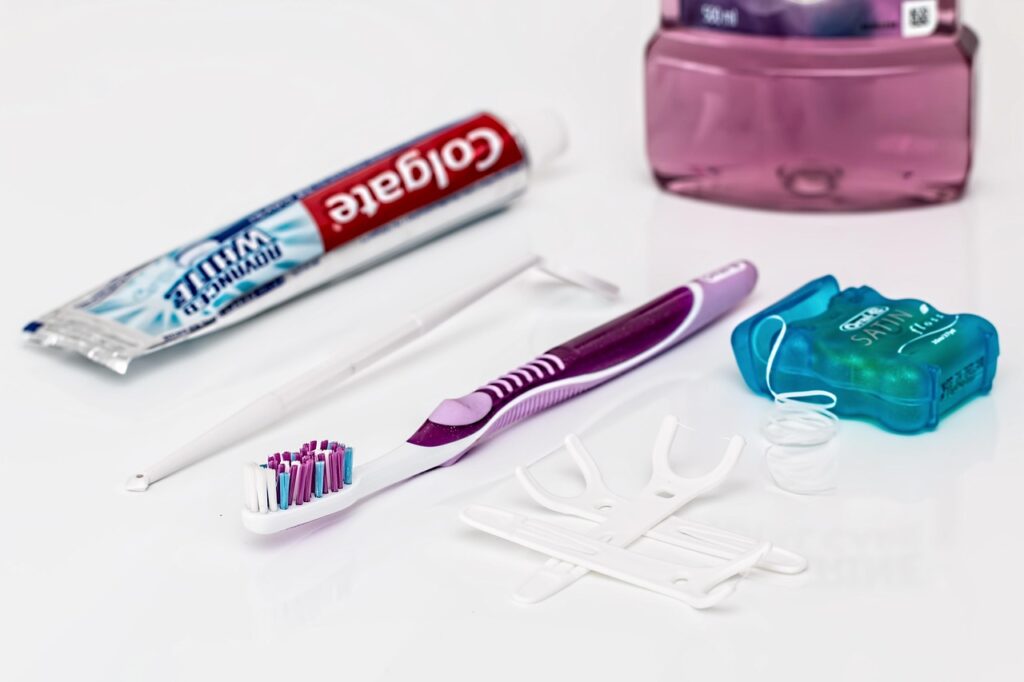
- Ordinary mouthwash — including therapeutic and antiseptic rinses like Listerine — is generally NOT FSA or HSA eligible, because it's treated as general oral hygiene rather than treatment of a specific condition.
- The IRS test is purpose: an expense must diagnose, treat, cure, mitigate, or prevent a specific disease to be a qualified medical expense under Section 213(d).
- Prescription mouthwash (such as chlorhexidine / Peridex) is eligible, and an over-the-counter rinse can sometimes qualify with a letter of medical necessity for a diagnosed condition.
- The CARES Act made many OTC drugs eligible without a prescription, but everyday oral-care products like mouthwash and toothpaste are still treated as general health and excluded.
- A "Drug Facts" panel alone does not make a mouthwash eligible — many administrators still deny it as oral hygiene.
- Rules and plan designs vary, so confirm eligibility with your FSA or HSA administrator before you buy, and keep documentation.
Mouthwash sits right on the line between personal care and medical treatment, which is why is mouthwash FSA eligible generates so much confusion. The short answer surprises many people: everyday mouthwash is generally not FSA or HSA eligible — even therapeutic, antiseptic, or fluoride rinses that carry a Drug Facts panel. Benefits administrators applying IRS rules typically treat mouthwash as general oral hygiene rather than the treatment of a specific medical condition. The main exception is a prescription rinse, or an over-the-counter one backed by a letter of medical necessity for a diagnosed condition. This article is general education, not tax advice, and plan rules vary.
The short answer
Ordinary mouthwash — the kind you use daily to freshen breath, fight plaque, or strengthen enamel — is generally not reimbursable from a health FSA, HSA, HRA, or limited-purpose FSA. That includes popular antiseptic and anti-gingivitis rinses. Even though these products contain active ingredients and carry a Drug Facts label, administrators classify them as items for general good health, similar to toothpaste. Pre-tax health accounts are for qualified medical expenses, and rinsing to maintain healthy teeth and gums is not, by itself, the treatment of a diagnosed disease. So while it is a reasonable thing to hope for, a standard bottle of mouthwash usually will not qualify.
What the IRS standard is
Eligibility turns on the definition of “medical care” in Section 213(d) of the tax code, which IRS Publication 502 explains: medical care is amounts paid “for the diagnosis, cure, mitigation, treatment, or prevention of disease, or for the purpose of affecting any structure or function of the body.” Publication 502 also draws a clear line around items that are merely beneficial to general health — those are not qualified medical expenses. Everyday oral-care products fall on that side of the line: they support general health rather than treat a specific diagnosed condition, so administrators applying the IRS standard generally deny them. The presence of a Drug Facts panel does not override that classification for a routine hygiene product.
Therapeutic vs. cosmetic — a distinction that matters less than you’d think
People often assume the split between “therapeutic” and “cosmetic” mouthwash decides eligibility. In practice, both are usually treated the same way for FSA/HSA purposes — as general oral hygiene. A cosmetic rinse (breath freshening only, no Drug Facts panel) is clearly ineligible. A therapeutic rinse — an antiseptic containing cetylpyridinium chloride (CPC) or essential oils (like Listerine Antiseptic), or a fluoride rinse (like ACT) that helps prevent decay — is still generally denied, because preventing cavities or gingivitis in an otherwise healthy mouth reads as general health, not treatment of a diagnosed condition. What changes the answer is a prescription or documented medical necessity, not the label alone.
| Type of mouthwash | Generally FSA/HSA eligible? |
|---|---|
| Cosmetic (breath freshener, no Drug Facts panel) | No — personal care |
| OTC therapeutic / antiseptic (Listerine, CPC rinses) | Generally no — treated as general oral hygiene |
| OTC fluoride rinse (e.g., ACT) | Generally no, unless prescribed or with an LMN |
| OTC rinse recommended for a diagnosed condition | Possibly, with a letter of medical necessity |
| Prescription rinse (e.g., chlorhexidine / Peridex) | Yes — prescribed medical treatment |
Prescription mouthwash is the clear exception
Prescription mouthwashes are unambiguously FSA and HSA eligible. The most common is chlorhexidine gluconate (brand names Peridex or PerioGard), prescribed by dentists for treating gingivitis, periodontitis, or post-surgical oral care. Because it is a prescription medication, it processes through your FSA card at the pharmacy counter just like any other prescription, and no extra documentation is needed beyond the prescription itself.
Other prescription oral rinses — such as those prescribed for oral mucositis during cancer treatment, or specialized high-strength fluoride rinses for patients at high risk of decay — are also eligible. These are clear-cut medical treatments prescribed for diagnosed conditions. For more on dental FSA spending, see our article on HSA dental coverage.
What about the CARES Act?
The CARES Act of 2020 made many over-the-counter drugs and medicines eligible for FSA and HSA reimbursement without a prescription — things like pain relievers, allergy medicine, and heartburn tablets. It is easy to assume that swept in any product with active ingredients, but everyday oral-care items were not reclassified. Mouthwash and toothpaste are still treated as general-health personal care, so the CARES Act change does not make a routine antiseptic or fluoride rinse eligible. The prescription and letter-of-medical-necessity paths remain the way an oral rinse qualifies.
When an OTC rinse can qualify: the letter of medical necessity
If a dentist or physician recommends a specific over-the-counter rinse as part of treatment for a diagnosed condition, a letter of medical necessity (LMN) can make it eligible. The LMN should name the condition, the recommended product, and why it is being used to treat rather than merely maintain oral health. Conditions where clinicians commonly recommend a specific rinse include active periodontal disease, post-surgical aftercare, and dry mouth (xerostomia) — especially when xerostomia is a side effect of medication or of radiation therapy. Specialized dry-mouth rinses such as Biotene may qualify with an LMN when used to manage diagnosed xerostomia. Ask your administrator how their LMN process works before you buy.
How to purchase and document it
For a prescription rinse, simply run your FSA or HSA card at the pharmacy counter as you would any prescription. For an OTC rinse you believe qualifies with an LMN, expect the card to be declined at checkout — most retail systems flag mouthwash as ineligible — and plan to pay out of pocket, then submit a manual reimbursement claim with the receipt and your letter of medical necessity. Keep the receipt showing the product name and price, and hold on to the LMN in case your plan asks you to substantiate the expense. Do not rely on a store’s “FSA eligible” shelf tag; your plan administrator makes the final call under IRS rules.
Frequently asked questions
Is Listerine FSA eligible?
Generally no. Even Listerine Antiseptic formulations with a Drug Facts panel are usually treated as general oral hygiene and denied, unless the specific product is prescribed or you have a letter of medical necessity for a diagnosed condition. Check with your administrator rather than assuming.
Are fluoride rinses like ACT FSA eligible?
Usually not on their own. An OTC fluoride rinse is treated as general oral care. It can become eligible when prescribed or supported by a letter of medical necessity — for example, for a patient at high risk of decay.
Are whitening mouthwashes FSA eligible?
No. Mouthwashes marketed for whitening are cosmetic products and are not FSA or HSA eligible under any of the usual paths.
Does a Drug Facts label make mouthwash eligible?
No. A Drug Facts panel indicates the FDA regulates the active ingredient, but it does not, by itself, make a routine oral-hygiene rinse a qualified medical expense. Prescription status or a letter of medical necessity is what changes the answer.
Is prescription mouthwash always eligible?
Yes. A rinse prescribed to treat a diagnosed condition — such as chlorhexidine for gum disease — is a qualified medical expense and processes like any other prescription.
The bottom line
Whether mouthwash is FSA eligible comes down to whether it is treating a diagnosed condition or just supporting general oral health. Everyday rinses — cosmetic and therapeutic alike — are generally not eligible, even with a Drug Facts label, because administrators treat them as general hygiene. Prescription rinses are always eligible, and an OTC rinse can sometimes qualify with a letter of medical necessity for a diagnosed condition. Because plan designs and substantiation rules vary, confirm with your FSA or HSA administrator before you count on reimbursement.
This article is general education, not tax, financial, or medical advice. Tax rules and plan terms change and vary. Verify eligibility with your plan administrator and IRS Publication 502, or consult a tax professional about your situation.
For more on managing what you pay for care, see our healthcare costs guide.
Sources
- IRS Publication 502 (Medical and Dental Expenses) — Section 213(d) definition of medical care and the exclusion of items beneficial to general health
- FSA Store / HSA Store (benefits-administrator eligibility guidance) — mouthwash treated as general oral hygiene and generally ineligible, with prescription and letter-of-medical-necessity exceptions
- IRS guidance on the CARES Act (2020) — over-the-counter drugs and medicines made eligible without a prescription, and the continued treatment of oral-care products as general health