
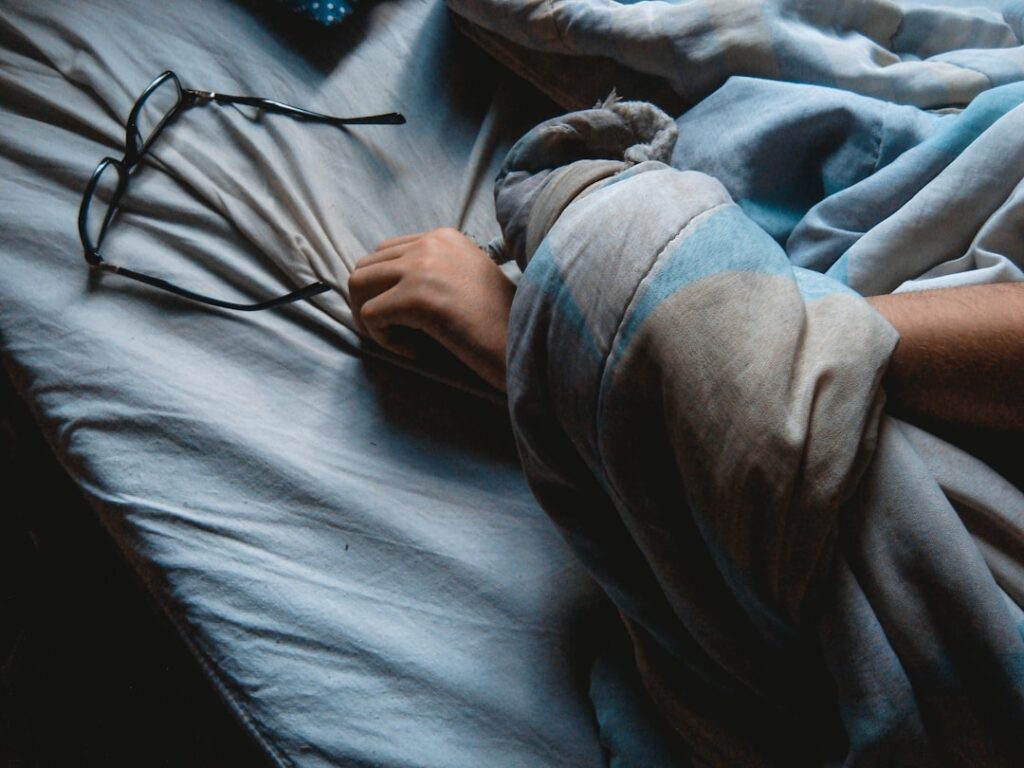
Waking up drenched in sweat is unpleasant, but it is also surprisingly common. Depending on how the question is asked, a sizable share of primary care patients — by some estimates roughly a third — report night sweats at some point. The reassuring news is that most cases have a benign explanation: a warm bedroom, heavy blankets, or hormonal fluctuations. But knowing when to worry about night sweats matters, because in a minority of cases soaking night sweats serve as an early warning sign for infections, cancers, and other conditions that benefit from prompt diagnosis. This article is part of our medical conditions guide. It is general information, not medical advice — if your sweats fit the red-flag pattern below, see a clinician.
What Counts as True Night Sweats
Before assessing whether your night sweats are concerning, it helps to define what clinicians actually mean by the term. True night sweats, sometimes called sleep hyperhidrosis, involve drenching sweats that soak through your clothing and bedding regardless of the room temperature. They are different from simply feeling warm because you piled on too many blankets or set the thermostat too high.
The practical threshold is sweating severe enough to require changing sleepwear or sheets. If your bedroom is cool, your bedding is appropriate, and you still wake up soaked, that qualifies as true night sweats. According to the Mayo Clinic, distinguishing ordinary overheating from true night sweats is the first step in deciding whether evaluation is needed.
Occasional night sweats from an overly warm room, a spicy meal, or alcohol the previous evening are common and generally do not require a medical workup. Persistent, recurrent, drenching night sweats that occur over multiple weeks are a different matter and deserve attention.
Common Harmless Causes
Many cases of night sweats have straightforward, non-threatening explanations that can be addressed with simple changes. In primary care, benign causes far outnumber serious ones.
Hormonal Changes
Menopause and perimenopause are among the most common causes of night sweats in women in their 40s and 50s. Hot flashes and night sweats affect a large majority of women going through the menopausal transition. The sweats stem from hormonal fluctuations that disrupt the body’s thermoregulatory center in the hypothalamus. They can begin years before periods actually stop and may continue for years afterward. Menstrual cycle-related night sweats can also occur in younger women, typically in the days before a period.
Medications
Numerous medications list night sweats as a side effect. Antidepressants, particularly SSRIs and SNRIs, are frequent culprits. Hormone-modifying therapies used in breast cancer care, such as tamoxifen and aromatase inhibitors, commonly produce them. Other possibilities include some diabetes medicines (through low blood sugar), fever-reducing drugs taken at bedtime, and certain blood pressure medications. If your night sweats began or worsened after starting a new drug, review the timing with your prescriber before assuming anything more serious — but do not stop a prescribed medication on your own.
Stress, Anxiety, and Sleep Disorders
Stress and anxiety activate the sympathetic nervous system, which can trigger sweating during sleep. Nightmares and sleep terrors produce intense sympathetic activation that causes sweating. Obstructive sleep apnea is also associated with night sweats in a meaningful share of patients, and treating the apnea often resolves the sweating. Our anxiety disorders guide covers when persistent anxiety itself warrants evaluation.
Infections
Common viral illnesses like influenza can cause temporary night sweats that resolve as the infection clears. These are usually accompanied by fever, body aches, and other obvious signs of illness, which makes the connection clear. The night sweats that raise more concern are the ones that persist for weeks without an obvious cold or flu to explain them.
When Night Sweats Are a Red Flag
Certain patterns and associated symptoms transform night sweats from a nuisance into a potential warning sign that deserves medical evaluation. Understanding when to worry about night sweats depends largely on what accompanies them. Clinicians pay particular attention to the classic “B symptoms” — drenching night sweats, unexplained weight loss, and persistent fever — because together they can point to lymphoma and other serious conditions.
Night Sweats With Unexplained Weight Loss
Losing weight without trying — particularly more than about 5% of body weight over six months — combined with night sweats is a significant red flag. This pairing is one of the B symptoms associated with lymphoma and other blood cancers. It also occurs with chronic infections such as tuberculosis and with some advanced solid tumors. Any unexplained weight loss paired with night sweats warrants a thorough evaluation, which may include blood work and, depending on findings, imaging.
Night Sweats With Persistent or Recurring Fever
A low-grade fever that returns regularly, particularly in the evening, alongside night sweats suggests an underlying infectious or inflammatory process. Tuberculosis, endocarditis (a heart-valve infection), HIV, and deep abscesses are among the infections that classically produce night sweats with recurring fevers. According to the Centers for Disease Control and Prevention, tuberculosis and HIV can smolder for weeks or months before other symptoms become obvious, which is why this combination should not be brushed off.
Night Sweats With Lumps or Swollen Lymph Nodes
Painless swelling of lymph nodes in the neck, armpits, or groin combined with night sweats is one of the most important warning signs for lymphoma. Hodgkin lymphoma in particular is known for producing drenching night sweats as an early symptom. The National Cancer Institute lists drenching night sweats among the recognized B symptoms used in staging Hodgkin lymphoma. A firm, painless, growing node that persists for more than a couple of weeks should be examined by a clinician.
Night Sweats With a New Cough or a Cancer History
Night sweats accompanied by a persistent new cough — especially with fever or weight loss — can point to a chest infection such as tuberculosis, or less commonly a cancer in the chest, and should be evaluated. And if you have a personal history of cancer, do not assume new night sweats are nothing; tell your oncology or primary care team, since sweats can occasionally signal recurrence.
Night Sweats With Persistent Fatigue
Fatigue alone is nonspecific, but fatigue combined with night sweats and any of the other red flags above raises clinical concern. Fatigue that does not improve with adequate rest and lasts for weeks deserves evaluation, especially when night sweats are part of the picture.
Seek urgent or emergency care if night sweats come with chest pain, a racing or pounding heartbeat (palpitations), fainting, severe shortness of breath, a high fever with a stiff neck or confusion, or shaking chills with a fever — these can signal a heart problem or a serious, fast-moving infection such as sepsis. Call 911 or go to the nearest emergency department for chest pain, trouble breathing, or a fever with a stiff neck or altered awareness. When symptoms are severe or worsening quickly, do not wait for a routine appointment.
Medical Conditions Associated With Night Sweats
A wide range of conditions beyond cancer and infection can produce night sweats.
Hyperthyroidism (an overactive thyroid) increases metabolic rate and heat production, leading to daytime and nighttime sweating. Other clues include unintentional weight loss, a rapid heartbeat, tremor, and anxiety. A simple blood test measuring TSH and free T4 usually confirms it.
Diabetes-related low blood sugar can cause night sweats, particularly in people taking insulin or sulfonylurea medications who drop low overnight. The sweating is part of the body’s counter-regulatory response to hypoglycemia and may come with a morning headache, confusion on waking, and restless sleep.
Autoimmune and inflammatory conditions, including rheumatoid arthritis and giant cell arteritis, can produce night sweats as part of systemic inflammation. Pheochromocytoma, a rare adrenal tumor, causes episodes of sweating, headache, and rapid heartbeat; it is uncommon but is one of the treatable causes clinicians try not to miss. If you are exploring related hormonal concerns, our article on when to worry about breast pain addresses another symptom patients often connect to hormonal changes.
When to See a Doctor
Schedule an appointment with your primary care provider if night sweats are persistent (occurring several times a week for more than two to three weeks), severe enough to soak sleepwear and sheets, accompanied by fever, weight loss, lumps, or lasting fatigue, began after starting a new medication, or are significantly disrupting your sleep.
Your doctor will usually start with a detailed history — the timing, frequency, and severity of the sweats, associated symptoms, a medication review, and relevant family history. Blood tests often include a complete blood count, a metabolic panel, thyroid function, inflammatory markers (ESR and CRP), and sometimes HIV or tuberculosis testing. Depending on findings, imaging such as a chest X-ray or CT may follow. According to the Cleveland Clinic, a careful clinical evaluation identifies the cause in most cases, and many turn out to be benign and manageable.
Practical Steps to Reduce Night Sweats
While you and your doctor investigate the underlying cause, these measures can help manage the symptom itself. Keep your bedroom on the cooler side — many sleep experts suggest somewhere in the low-to-mid 60s Fahrenheit. Choose moisture-wicking sleepwear and breathable bedding made from natural fibers like cotton or bamboo. Limit alcohol, caffeine, and spicy foods in the evening, since all three can trigger or worsen sweating.
A cooling mattress pad or pillow can help. For menopausal night sweats specifically, hormone therapy is among the most effective options for appropriate candidates, and non-hormonal approaches — including certain antidepressants, gabapentin, newer non-hormonal medications, and cognitive behavioral therapy — have shown benefit in clinical trials. Discuss the trade-offs with your clinician rather than self-treating.
Frequently Asked Questions
Are night sweats a sign of cancer?
Night sweats can be a symptom of certain cancers, particularly lymphoma and leukemia, and occasionally some solid tumors. However, cancer accounts for only a small minority of all night-sweat cases. Cancer-related night sweats are usually drenching, persistent, and accompanied by other symptoms such as unexplained weight loss, fever, or swollen lymph nodes.
When should night sweats concern me enough to see a doctor?
See a doctor if night sweats are drenching, occur multiple times per week, persist for more than two to three weeks, or come with weight loss, fever, lumps, fatigue, a new cough, or other unexplained symptoms. Also seek evaluation if the sweats began after starting a new medication or if you have a history of cancer.
Can anxiety cause night sweats?
Yes. Anxiety and stress are common causes. The sympathetic nervous system activation associated with anxiety increases sweating, including during sleep, and nightmares or sleep terrors can trigger sweating episodes. Managing the underlying anxiety often reduces the sweating, but persistent drenching sweats still deserve a medical check to rule out other causes.
What cancers cause night sweats?
Lymphoma (both Hodgkin and non-Hodgkin) is the cancer most classically associated with night sweats. Leukemia and, less commonly, certain other tumors can also cause them. In these cases, night sweats are typically accompanied by other symptoms rather than being the only complaint.
Do night sweats always mean something is wrong?
No. Many people have occasional night sweats from benign causes — a warm sleeping environment, hormonal changes, spicy food, alcohol, or a medication side effect. The key distinction is between occasional, explainable episodes and persistent, unexplained, drenching sweats accompanied by other concerning symptoms.
The Bottom Line
Night sweats are common and usually harmless. The ones that deserve medical attention are drenching, persistent, and accompanied by other symptoms — particularly unexplained weight loss, a persistent or recurring fever, or swollen lymph nodes. If your night sweats fit that pattern, a straightforward workup with your primary care doctor can usually identify or rule out serious causes. In the meantime, practical steps like a cooler bedroom, breathable sleepwear, and avoiding evening triggers can help you sleep better while you work toward answers.
The short version: Most night sweats are benign — a warm room, menopause or perimenopause, anxiety, a passing infection, or a medication side effect. Worry, and see a doctor, when drenching night sweats come with unexplained weight loss, a persistent or recurring fever, or swollen lymph nodes (the “B symptoms” that can point to lymphoma, leukemia, TB, HIV, or an endocrine problem), or when they accompany a new cough or occur in someone with a cancer history. Get urgent care for night sweats plus chest pain, palpitations, or signs of a serious infection.
This article is general information, not medical advice. Talk with a qualified clinician about your specific situation, and do not stop or change a prescribed medication on your own. For a medical emergency, call 911.
Sources
- Mayo Clinic — Night sweats: definition and causes (mayoclinic.org)
- Cleveland Clinic — Night sweats overview (my.clevelandclinic.org)
- MedlinePlus / U.S. National Library of Medicine — Sweating and night sweats (medlineplus.gov)
- National Cancer Institute — Hodgkin lymphoma and B symptoms (cancer.gov)
- Centers for Disease Control and Prevention — Tuberculosis and HIV basics (cdc.gov)