
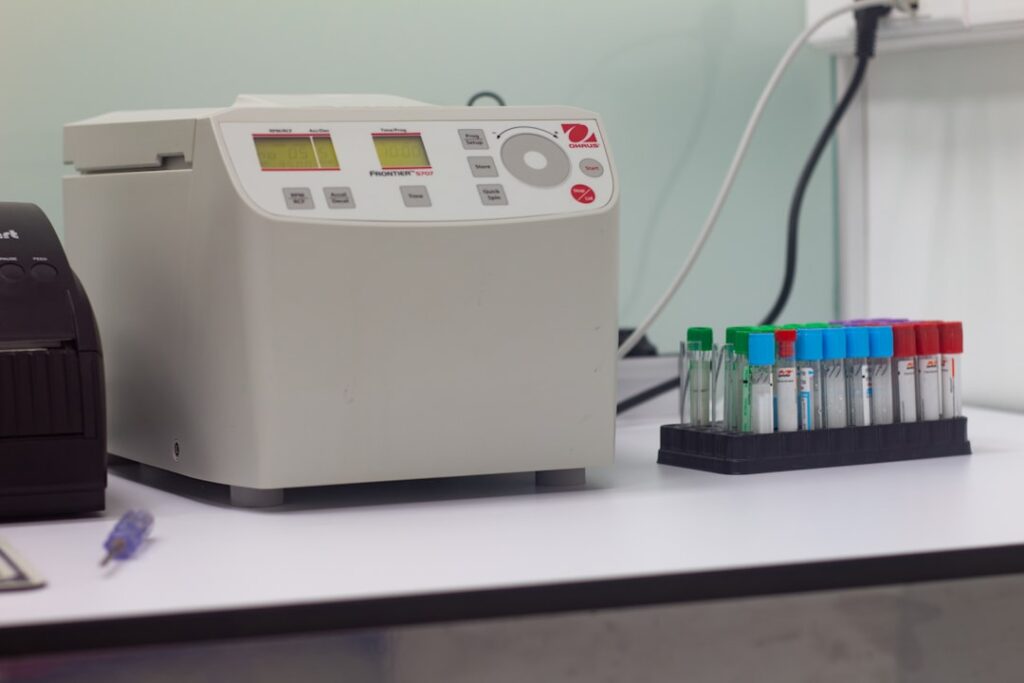
- Creatinine is a waste product from muscle metabolism that the kidneys filter out, so a rising blood creatinine can be a sign the kidneys are not filtering as well.
- "Normal" ranges vary by lab, sex, age, and muscle mass, so always compare your result to your own lab's reference range rather than a number from the internet.
- Do not self-diagnose from a single creatinine value — the trend over time, your eGFR, and a clinician's interpretation matter far more than one reading.
- Many non-kidney factors can raise creatinine, including dehydration, a high-protein diet or creatine supplements, intense exercise, and certain medications.
- See a clinician for a new or persistently elevated result, and seek urgent care for red flags like a sharp drop in urine output, severe swelling, confusion, or trouble breathing.
- This is general information, not a diagnosis; only your healthcare provider can interpret your kidney labs in the context of your health.
Getting blood work back that shows elevated creatinine can be unsettling, and understanding when to worry about creatinine levels requires context about what this lab value actually tells you. Creatinine is a waste product generated by normal muscle metabolism, and your kidneys filter it out of your blood. When the blood level rises, it can signal that your kidneys are not filtering as efficiently as they should. But here is the single most important thing to take away up front: you should not diagnose yourself from one number. A creatinine result only makes sense alongside your trend over time, your estimated kidney filtration rate (eGFR), your personal baseline, and a clinician’s interpretation. This article is general education, not medical advice.
Not every elevated creatinine result means kidney disease. Knowing when to worry about creatinine levels depends on how high the number is, how quickly it has changed, your individual baseline, your muscle mass, and whether other indicators of kidney function are abnormal.
What Is Creatinine and What Are Normal Levels?
Creatinine is produced at a relatively constant rate by your muscles as they break down creatine, a compound involved in energy production. The kidneys filter creatinine from the blood and excrete it in urine, so when kidney function declines, creatinine tends to build up in the blood.
Normal serum creatinine levels vary by age, sex, and muscle mass. According to MedlinePlus, common reference ranges for adults are roughly:
Adult males: about 0.7 to 1.3 mg/dL. Adult females: about 0.5 to 1.1 mg/dL (women often run lower, largely because they tend to have less muscle mass). Children: generally lower, varying with age and body size. Older adults: muscle mass declines with age, so a “normal-looking” creatinine in an older adult can still mask reduced kidney function — which is exactly why eGFR matters.
These ranges vary slightly between laboratories because labs use different instruments and calibration standards. Always compare your result to the specific reference range printed by the lab that processed your sample, not to a figure from a website — including this one.
Why One Creatinine Number Should Not Be Read in Isolation
It is tempting to look at a single value, compare it to a range, and draw a conclusion. Resist that. Clinicians almost never act on one isolated creatinine reading, and neither should you, for several reasons:
- Muscle mass skews it. A muscular person or a bodybuilder can run a creatinine above the standard range with completely healthy kidneys, while a frail older adult with low muscle can have “normal” creatinine and meaningfully reduced kidney function.
- The trend matters more than the snapshot. A value that is stable over years is very different from one that is climbing steadily, even within the “normal” band.
- eGFR translates the number into function. Your provider uses your creatinine, plus age and sex, in the modern race-free CKD-EPI equation to estimate your glomerular filtration rate (eGFR) — a far more useful picture of kidney function than creatinine alone.
- Timing and prep affect it. Dehydration, a big steak dinner, a hard workout, or a creatine supplement the day before can nudge the number.
Bottom line: use a creatinine result as a prompt to talk with your clinician, not as a self-diagnosis.
What Causes Elevated Creatinine?
Elevated creatinine does not automatically mean kidney disease. Several factors can raise it temporarily or artificially:
Dehydration: When you are dehydrated, blood becomes more concentrated and creatinine can rise. Rehydrating often brings it back down. High-protein diet or creatine supplements: Eating large amounts of meat or taking creatine (a popular gym supplement) can raise creatinine production and readings without any change in kidney health. Intense exercise: Vigorous activity breaks down muscle tissue and releases creatinine; levels usually normalize within 24-48 hours of rest.
Medications: Certain drugs — including NSAIDs, ACE inhibitors and ARBs, some antibiotics (such as trimethoprim), and cimetidine — can raise creatinine. Some do so by genuinely affecting kidney function; others simply interfere with how creatinine is secreted, without truly impairing filtration. High muscle mass: More muscle means more creatinine, so a very muscular person’s “normal” may sit above standard reference ranges. Lab interference: Timing relative to supplements and, in some assays, substances like high-dose biotin can affect certain lab measurements, which is another reason to interpret a single value cautiously and repeat testing when in doubt.
Kidney disease: Chronic kidney disease (CKD), acute kidney injury (AKI), kidney infections, and other renal conditions directly reduce the kidneys’ ability to filter creatinine, causing levels to rise. This is the most important cause to identify or rule out — and the reason not to shrug off a persistent elevation.
Creatinine Levels That Should Prompt a Closer Look
Mildly elevated creatinine (just above the reference range) may not indicate a serious problem, especially with an obvious explanation like dehydration or a recent hard workout. But certain patterns deserve attention and a conversation with your clinician:
A creatinine meaningfully above your lab’s reference range — for example, above roughly 1.1 mg/dL in many women or 1.3 mg/dL in many men — warrants follow-up, because kidney function may be reduced. A rapid rise (for instance, doubling within days to weeks) can suggest acute kidney injury, which is a medical emergency. A steadily increasing trend over months or years, even within the “normal” range, may indicate slowly progressive decline. These thresholds are illustrative, not diagnostic — your provider interprets them for you.
Your clinician will calculate your eGFR, which gives a clearer picture than creatinine alone. According to the NIDDK, an eGFR below 60 mL/min sustained for three months or more indicates chronic kidney disease. The National Kidney Foundation describes the general eGFR bands as: 90 or higher is in the normal range; 60-89 may reflect early kidney disease (especially with other signs); 15-59 indicates CKD; and below 15 may mean kidney failure. For more on related health conditions, see our medical conditions guide.
Symptoms of Kidney Problems to Watch For
Elevated creatinine alone often causes no symptoms. Kidney disease is frequently called “silent” because significant damage can occur before you feel anything. As function declines further, you may notice:
Changes in urination: more or less urine than usual, foamy or bubbly urine (which can indicate protein), or blood in the urine. Swelling (edema): puffy eyes in the morning, swollen ankles and feet, or generalized fluid retention. Fatigue and weakness: healthy kidneys make erythropoietin, which stimulates red blood cell production, so declining function can cause anemia and persistent tiredness.
Nausea, loss of appetite, and a metallic taste: a buildup of waste products (uremia) can cause GI symptoms. Itchy skin: waste buildup and mineral imbalances can cause persistent itching. Muscle cramps: electrolyte imbalances, especially calcium and phosphorus, can cause cramping. Shortness of breath: fluid buildup in the lungs or anemia can make breathing difficult.
When to See a Doctor
Schedule an appointment if routine blood work reveals elevated creatinine, especially if it is a new finding or has been trending upward over multiple tests. You should also seek evaluation if you have risk factors for kidney disease, including diabetes, high blood pressure, a family history of kidney disease, age over 60, or a history of kidney stones or urinary tract infections. Do not try to interpret or manage the result on your own.
Your clinician may order additional tests — a urinalysis to check for protein or blood, a comprehensive metabolic panel, cystatin C (an alternative kidney marker that is less affected by muscle mass), and possibly a kidney ultrasound to look for structural problems.
Seek immediate medical attention (urgent care or emergency services) if you experience:
A sudden, significant drop in urine output; severe swelling in the legs, ankles, or face; confusion or difficulty thinking clearly; chest pain or difficulty breathing; unexplained nausea and vomiting; or seizures. These can indicate acute kidney injury or severe kidney failure, which need emergency treatment to prevent permanent damage. If someone is unresponsive or having trouble breathing, call 911.
How to Protect Your Kidney Health
If your creatinine is elevated, lifestyle steps and medical management — guided by your clinician — can help slow or prevent further decline. Staying adequately hydrated supports kidney function, but do not force excessive water, which can also be harmful; follow your provider’s advice on fluids. Managing blood pressure is critical, since hypertension is both a cause and a consequence of kidney disease. The CDC notes that controlling blood pressure is one of the most effective ways to slow CKD progression.
Controlling blood sugar is essential for people with diabetes, the leading cause of kidney disease; work with your doctor to keep your A1C and glucose in target ranges. Limiting NSAID use (ibuprofen, naproxen) protects the kidneys, since these drugs can reduce blood flow to them. Eat a balanced diet, and discuss any specific changes — such as limiting sodium, potassium, or protein — with your healthcare provider or a renal dietitian rather than restricting on your own, which can backfire.
Frequently Asked Questions
Can creatinine levels go back to normal?
It depends on the cause. If the elevation is from dehydration, a medication effect, or temporary factors, levels often return to normal once the cause is addressed. If it is due to chronic kidney disease, damage is usually permanent, but treatment can stabilize or slow further decline. Acute kidney injury can sometimes resolve fully with prompt treatment.
Does drinking more water lower creatinine?
If dehydration is contributing, adequate hydration can help. But drinking extra water will not lower creatinine caused by kidney disease, and overhydration can be dangerous for people with impaired kidney function. Follow your doctor’s guidance on fluid intake rather than self-treating.
Is a creatinine level of 1.5 dangerous?
A creatinine of 1.5 mg/dL may be mildly elevated depending on your sex, age, and muscle mass. It is not necessarily an emergency, but it warrants an eGFR calculation and follow-up testing so your clinician can decide whether it reflects a meaningful decline. Do not interpret it in isolation.
How often should creatinine be checked?
For healthy adults, it is typically part of routine annual blood work. If you have risk factors (diabetes, hypertension, family history) or known CKD, your doctor may check it every three to six months. People on medications that affect the kidneys may need more frequent monitoring.
Can exercise or creatine supplements raise creatinine levels?
Yes. Intense exercise, especially resistance training, can temporarily raise creatinine through muscle breakdown, and creatine supplements can raise readings too. If you exercised hard or take creatine before a blood draw, mention it to your doctor; retesting after rest can clarify whether that explained a mild elevation.
Stay Proactive About Your Kidney Health
When to worry about creatinine levels always depends on context. A single mildly elevated result in a well-hydrated, muscular person who just finished a hard workout is very different from a progressively rising creatinine in someone with diabetes and high blood pressure. The safest approach is never to self-interpret one number: watch the trend over time, look at eGFR, and let your clinician put it together with the rest of your health. Early detection and management of kidney disease can significantly delay or prevent the need for dialysis or transplantation.
This article is general education and is not medical advice. A single creatinine number cannot diagnose kidney disease on its own — reference ranges vary by lab, sex, age, and muscle mass, and results must be interpreted by your clinician alongside your eGFR and trend over time. Do not self-diagnose or change medications based on a lab value; talk with a qualified healthcare provider, and call 911 for a medical emergency.
Sources
- National Kidney Foundation (NKF) — eGFR stages (90+ normal; 60-89 possible early CKD; 15-59 CKD; under 15 kidney failure) and factors affecting creatinine and eGFR (diet, muscle mass, age, pregnancy, cirrhosis)
- National Institute of Diabetes and Digestive and Kidney Diseases (NIDDK) — eGFR under 60 for three or more months indicates chronic kidney disease; kidney disease is often “silent”
- MedlinePlus (U.S. National Library of Medicine) — creatinine blood test normal ranges (men ~0.7-1.3 mg/dL; women ~0.5-0.95 mg/dL), variation by muscle mass and by laboratory, and the need for provider interpretation
- CDC — controlling blood pressure and blood sugar are among the most effective ways to slow CKD progression