
- Most pituitary tumors are benign adenomas, but because of their location they can press on nearby structures and disrupt hormone balance.
- Two big symptom categories: mass effect (headaches and vision changes, classically loss of side/peripheral vision) and hormone effects (too much or too little of a pituitary hormone).
- Vision changes — especially loss of peripheral vision (bitemporal hemianopia) — and new, persistent headaches warrant prompt medical evaluation.
- Pituitary apoplexy is an emergency: a sudden, severe "worst" headache with sudden vision loss or double vision, nausea/vomiting, or collapse — call 911.
- Diagnosis usually involves hormone blood tests, MRI, and visual field testing, typically coordinated by an endocrinologist and, when needed, a neurosurgeon.
- This is general educational information, not medical advice — see a clinician for evaluation of any concerning or persistent symptoms.
Recognizing the symptoms of pituitary tumor early can make a meaningful difference in outcomes and quality of life. The symptoms of a pituitary tumor vary widely depending on the tumor’s size and type and on whether it produces excess hormones, which is why some cases go undiagnosed for years. This guide covers the warning signs, the different tumor types and their symptom patterns, the emergency to know about, and when to seek care. It is general educational information, not medical advice.
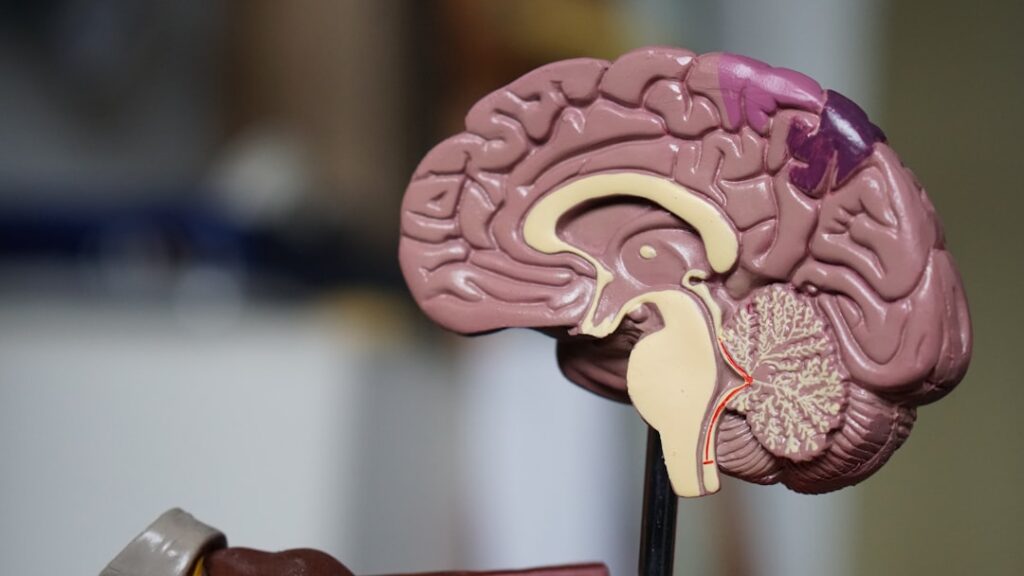
The pituitary gland, often called the “master gland,” sits at the base of the brain and helps control hormonal functions throughout the body. When a tumor develops in this pea-sized gland, it can disrupt hormone production, press on nearby structures, and cause a range of seemingly unrelated health problems. Pituitary tumors make up a meaningful share of tumors that form inside the skull — more common than many people realize — though the great majority are benign. For a broader look at conditions that affect your health, visit our medical conditions guide.
Pituitary apoplexy — a medical emergency (call 911)
Call 911 or go to the nearest emergency department if you have a sudden, severe headache — often described as the “worst headache of my life” — especially with sudden vision loss or double vision, nausea and vomiting, confusion, a stiff neck, or feeling faint. This can signal pituitary apoplexy, sudden bleeding into or loss of blood supply to a pituitary tumor. It is a surgical and hormonal emergency that can also trigger a dangerous drop in blood pressure (adrenal crisis). Do not wait to see if it passes.
What Is a Pituitary Tumor?
A pituitary tumor, also called a pituitary adenoma, is an abnormal growth in the pituitary gland. The large majority of pituitary tumors are benign, meaning they are not cancerous. Even so, benign tumors can cause serious problems because of their location near the brain and optic nerves and their ability to disrupt hormone balance.
Pituitary tumors are described in two main ways. By size, they are either microadenomas (smaller than 10 millimeters) or macroadenomas (10 millimeters or larger). By function, they are either functioning tumors, which secrete excess hormones, or nonfunctioning tumors, which do not secrete active hormones but can still cause problems by pressing on nearby structures or by crowding out normal pituitary tissue.
Small pituitary tumors are common and often silent: many are discovered incidentally on imaging done for another reason, and studies of autopsy and imaging series suggest a sizable fraction of people harbor small, symptom-free tumors without ever knowing. Noticeable symptoms tend to appear when a tumor grows large enough to press on surrounding structures or when it produces enough hormone to alter the body’s balance.
Vision Changes and Headaches
One of the most important symptoms of a pituitary tumor involves changes in vision. Because the pituitary gland sits just below the optic chiasm — the point where the optic nerves cross — a growing tumor can press on these nerves and cause visual disturbances.
Common vision-related symptoms include loss of peripheral (side) vision, sometimes described as tunnel vision, along with blurred or double vision and, in some cases, a drooping eyelid. According to the Mayo Clinic, loss of the outer half of each eye’s visual field (bitemporal hemianopia) is a classic sign of a pituitary macroadenoma pressing on the optic chiasm. Because peripheral vision can fade gradually, some people do not notice it until it is advanced — which is why any unexplained vision change deserves prompt evaluation.
Headaches are another frequent complaint. Pituitary tumor headaches may be persistent and can worsen over time, and are often felt behind the eyes or across the forehead. Unlike typical tension headaches or migraines, they may not respond well to over-the-counter pain relievers and may occur alongside other neurological symptoms. A new, persistent headache pattern — particularly with any vision change — is worth discussing with a clinician.
Hormonal Symptoms of Functioning Tumors
Functioning pituitary tumors produce excess amounts of a specific hormone, and the symptoms depend on which hormone is overproduced. These are the most common types and their associated symptoms.
Prolactinomas
Prolactinomas are the most common type of functioning pituitary tumor. They produce excess prolactin. In women, this can cause irregular or absent menstrual periods, unexpected breast-milk production (galactorrhea), infertility, and decreased sex drive. In men, prolactinomas may cause erectile dysfunction, decreased facial and body hair, breast enlargement (gynecomastia), low libido, and infertility. Prolactinomas often respond well to medication, which can lower prolactin and shrink the tumor.
Growth Hormone-Producing Tumors
Tumors that produce excess growth hormone cause acromegaly in adults and gigantism in children. Symptoms of acromegaly develop gradually and include enlargement of the hands, feet, and facial features, joint pain and stiffness, thickened skin, excessive sweating, a deepening voice, and sleep apnea. Because these changes occur slowly, they can go unrecognized for years — comparing older photos or noticing rings or shoes no longer fitting can be a clue.
ACTH-Producing Tumors
Tumors that produce adrenocorticotropic hormone (ACTH) lead to Cushing’s disease. Symptoms include weight gain, particularly in the face (“moon face”), upper back, and abdomen; purple or reddish stretch marks; easy bruising; muscle weakness; high blood pressure; elevated blood sugar; and mood changes such as anxiety and depression.
TSH-Producing Tumors
Rarely, pituitary tumors produce thyroid-stimulating hormone (TSH), leading to an overactive thyroid (hyperthyroidism). Symptoms include a rapid heartbeat, unintended weight loss, nervousness or irritability, tremors, increased sweating, and heat intolerance.
Symptoms of Nonfunctioning Pituitary Tumors
Nonfunctioning pituitary tumors do not secrete active hormones, so they are often found only when they grow large enough to press on surrounding structures. The symptoms they cause are mainly related to compression and to hormone deficiency rather than hormone excess.
As a nonfunctioning tumor grows, it can compress normal pituitary tissue, leading to hypopituitarism — a condition in which the gland cannot make enough of one or more hormones. Depending on which hormones are affected, this can cause fatigue, weakness, sensitivity to cold, constipation, low blood pressure, loss of appetite, nausea, sexual dysfunction, and, in children, slowed growth. Large nonfunctioning tumors may also cause the headaches and vision changes described above; less commonly, a tumor extends sideways toward the cavernous sinus and causes facial numbness, pain, or eye-movement problems.
A particularly important form of hormone deficiency is adrenal insufficiency, which happens when the pituitary cannot signal the adrenal glands to make cortisol. Symptoms can include profound fatigue, dizziness, low blood pressure, nausea, and weight loss — and during illness, injury, or surgery this can progress to an adrenal crisis (severe weakness, vomiting, confusion, and dangerously low blood pressure), which is a medical emergency requiring immediate care.
Pituitary Apoplexy: A Medical Emergency
Pituitary apoplexy is an uncommon but serious event that occurs when a pituitary tumor suddenly bleeds or loses its blood supply. It causes the rapid onset of severe symptoms and needs emergency attention (see the alert above).
Symptoms of pituitary apoplexy include a sudden, severe headache — often the “worst headache of one’s life” — sudden vision loss or double vision, nausea and vomiting, confusion or altered consciousness, stiff neck, and, in some cases, a sudden hormonal collapse that can cause dangerously low blood pressure. According to the Cleveland Clinic, apoplexy is relatively rare among pituitary adenomas but is potentially life-threatening. If you or someone near you develops a sudden severe headache with vision changes and neurological symptoms, call emergency services immediately.
Risk Factors and Who Is Most Affected
Pituitary tumors can occur at any age but are diagnosed most often in adults. In some cases, family history plays a role: genetic conditions such as Multiple Endocrine Neoplasia type 1 (MEN1), Carney complex, and familial isolated pituitary adenoma (FIPA) increase the likelihood of developing a pituitary tumor. Only a minority of pituitary tumors are linked to an inherited syndrome.
There are no well-established lifestyle risk factors for pituitary tumors, which means there are no proven prevention strategies. What you can do is stay alert to the symptoms and seek evaluation when they appear, since earlier diagnosis generally allows for more treatment options and better preservation of vision and pituitary function.
Diagnosis and When to See a Doctor
Schedule an appointment with a clinician if you experience any combination of the symptoms described above — particularly unexplained vision changes (especially loss of side vision), persistent headaches that do not respond to usual treatment, hormonal irregularities such as menstrual changes or sexual dysfunction, unexplained changes in your appearance such as enlarging hands or feet, or features suggesting Cushing’s disease such as rapid central weight gain and purple stretch marks. And remember: the sudden, severe headache with vision loss described in the emergency alert is a reason to call 911, not to wait for an appointment.
Diagnosis typically involves blood (and sometimes urine) tests to measure hormone levels, magnetic resonance imaging (MRI) of the brain to visualize the pituitary gland, and visual field testing to assess any effect on vision. Care is usually coordinated by an endocrinologist, with a neurosurgeon and, at times, an ophthalmologist or radiation specialist involved when treatment is needed. The Mayo Clinic advises that anyone with progressive visual field loss or unexplained endocrine dysfunction be evaluated for a possible pituitary tumor.
Frequently Asked Questions
Can a pituitary tumor go away on its own?
Some very small tumors remain stable, and certain types — prolactinomas in particular — often shrink with medication. However, most tumors that cause symptoms need some form of treatment, whether medication, surgery, or radiation. Even asymptomatic tumors are usually monitored over time with MRI and hormone testing, so this is a decision to make with your care team rather than assuming a tumor will resolve on its own.
Are pituitary tumors cancerous?
The great majority of pituitary tumors are benign adenomas. Cancerous pituitary tumors (pituitary carcinomas) are very rare. Even so, benign tumors can cause significant problems because of their location and hormonal effects, so treatment is often necessary regardless of whether a tumor is cancerous.
What does a pituitary tumor headache feel like?
These headaches are often described as a persistent, dull ache behind the eyes or across the forehead. They may be constant or come and go and can vary in intensity. Headache alone is common and usually not a tumor — but a new, persistent headache pattern, especially with vision changes, should be evaluated. A sudden, severe “thunderclap” headache is different and needs emergency care.
Can stress cause a pituitary tumor?
There is no good evidence that stress causes pituitary tumors. Chronic stress can affect hormone balance and may worsen how someone feels, but it is not a known cause. The precise reasons most pituitary tumors form are not fully understood, though genetic factors contribute in a minority of cases.
How quickly do pituitary tumors grow?
Most pituitary tumors grow slowly, over months to years, and growth rates vary by tumor type. Some remain stable for years while others enlarge more quickly. Regular MRI monitoring helps track any change and guide treatment decisions, which is why follow-up imaging is a standard part of care even for tumors that are being watched rather than treated.
Taking Action for Your Health
If you recognize any of the symptoms of a pituitary tumor described here, do not dismiss them as minor or unrelated. The wide range of possible symptoms — from vision changes and headaches to hormonal shifts and gradual physical changes — can make these tumors hard to identify without professional evaluation. Keep a record of your symptoms, including when they started and how they have changed, and share it with your clinician. Early diagnosis and treatment can protect your vision, preserve pituitary function, and improve quality of life. And if a sudden, severe headache strikes with vision loss or collapse, treat it as an emergency and call 911. This article is general educational information, not medical advice.
Most pituitary tumors are benign adenomas, but they can press on nearby structures or disrupt hormones. Watch for mass-effect symptoms — new persistent headaches and vision changes, classically loss of peripheral (side) vision — and hormone effects, either excess (prolactinoma, acromegaly, Cushing’s, hyperthyroidism) or deficiency (fatigue, low blood pressure, adrenal insufficiency). Diagnosis usually involves hormone labs, MRI, and visual field testing, coordinated by an endocrinologist and, when needed, a neurosurgeon. Pituitary apoplexy — a sudden “worst” headache with vision loss or collapse — is an emergency: call 911. This is general information, not medical advice.
Sources
- Mayo Clinic — pituitary tumors: symptoms, causes, diagnosis, and treatment
- Cleveland Clinic — pituitary adenoma and pituitary apoplexy
- Endocrine Society (hormone.org) — pituitary disorders including acromegaly, Cushing’s disease, prolactinoma, and hypopituitarism
- MedlinePlus / National Institutes of Health (National Cancer Institute) — pituitary tumors overview; adrenal insufficiency and adrenal crisis