
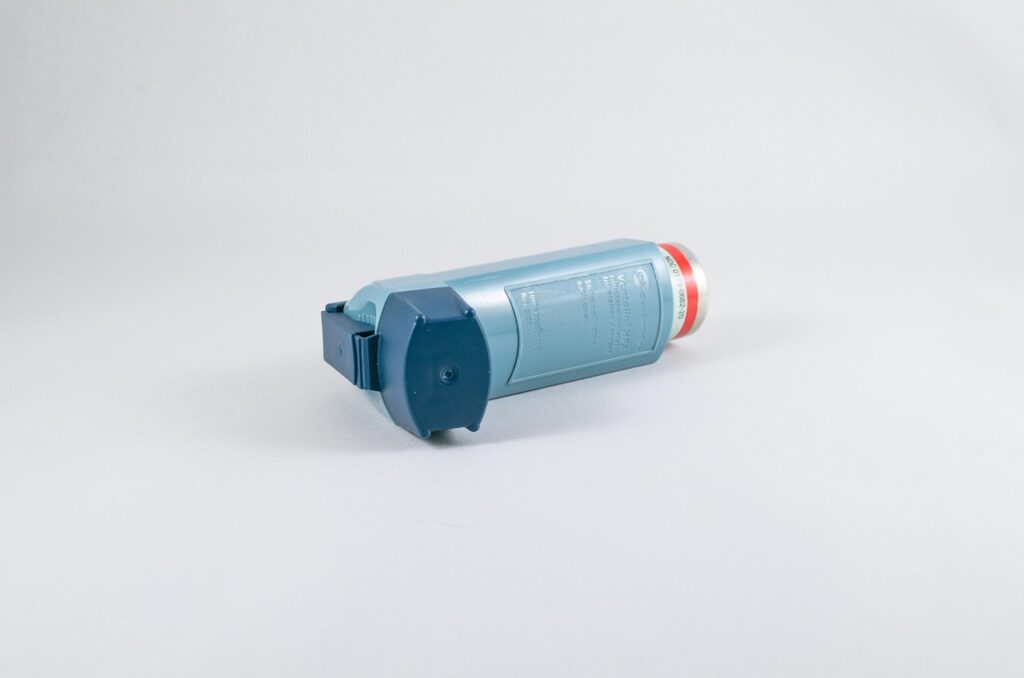
- Asthma is the most common chronic disease of childhood; well-managed, the large majority of children stay active, sleep well, and stay out of the hospital.
- Treatment pairs daily controllers (usually inhaled corticosteroids) with a quick-relief rescue inhaler (albuterol); all asthma medicines are prescriber-directed and this guide gives no copy-able dosing.
- For appropriate ages, current GINA guidance favors anti-inflammatory reliever/SMART approaches (as-needed ICS-formoterol) over albuterol-only rescue — decisions your child's clinician makes.
- Montelukast carries an FDA boxed warning for serious neuropsychiatric effects (mood and behavior changes, including suicidal thoughts); discuss risks and benefits with your pediatrician.
- A severe asthma attack is a medical emergency — blue or gray lips, inability to speak in full sentences, severe retractions, or no response to the rescue inhaler means call 911.
Asthma is the most common chronic disease of childhood in the United States, affecting an estimated 6 percent or so of children — several million kids nationwide (prevalence estimates vary between surveys and are periodically revised, so verify current CDC data). It is also a leading cause of school absence due to chronic illness and one of the top reasons for pediatric emergency visits. Severity, control, and long-term outlook vary widely: some children have mild, intermittent symptoms with viral colds and improve markedly by adolescence, while others have moderate or severe persistent asthma that needs daily controller medicine and specialist care. Modern management — when followed — keeps the vast majority of children active, sleeping well, and out of the hospital. This article is general education for parents, not medical advice; your child’s diagnosis and treatment belong to their pediatrician.
What Asthma Is
Asthma is a chronic inflammatory disease of the airways marked by airway hyperresponsiveness, bronchoconstriction (tightening of the muscles around the airways), and excess mucus. The result is intermittent wheezing, cough, chest tightness, and shortness of breath. Childhood asthma is often allergic in nature, especially when it begins early and travels with eczema and allergic rhinitis — the “atopic march” pattern that connects several allergic conditions.
Over the past several years, national and international guidance — including the 2020 NAEPP focused updates and the ongoing GINA strategy — has shifted modern asthma care toward combined maintenance-and-reliever approaches and away from rescue-only models for appropriate ages and severities. These are frameworks clinicians apply to each child; they are not do-it-yourself protocols.
Symptoms
Classic asthma symptoms include wheezing (a whistling sound, usually on exhaling), cough that worsens at night or with exercise, shortness of breath with activity, chest tightness, and a sense of not being able to breathe deeply. In young children, cough may be the main or only symptom, and asthma is sometimes missed when a chronic cough is blamed on repeated “bronchitis.” Symptoms often flare with viral colds, exercise, allergen exposure, cold air, or strong odors.
Clinicians grade severity by how often symptoms occur — from intermittent (symptoms on a couple of days a week or fewer, with rare nighttime awakenings) through mild, moderate, and severe persistent (daily or near-continuous daytime symptoms with frequent nighttime awakenings). This grading, along with how well symptoms are controlled over time, guides treatment decisions.
Triggers
Common asthma triggers include viral respiratory infections (the leading trigger of acute flare-ups in children — especially RSV, rhinovirus, and influenza), allergens (dust mites, cockroach, mouse, pet dander, pollen, mold), exercise, cold or dry air, tobacco smoke and other irritants, air pollution, strong emotions or hard laughing, and, in sensitized children, certain foods or additives. Some children’s asthma is driven mainly by viruses and is quiet between colds; others have year-round symptoms from allergens or exercise.
Identifying personal triggers is part of management. Allergy testing is often recommended for moderate-to-severe persistent asthma, particularly when symptoms are not well controlled. Reducing exposure to identified triggers — above all, eliminating secondhand smoke — is one of the highest-value steps a family can take.
Diagnosis
Asthma is diagnosed by combining history, physical exam, and objective testing. Spirometry — a breathing test measuring how much and how fast air moves — is the standard for children able to perform it (usually around age 5 and up), and showing reversible airflow obstruction (improvement after a bronchodilator) supports the diagnosis. In younger children, diagnosis is often presumptive, based on recurrent wheezing patterns and the response to a controller trial.
The Asthma Predictive Index helps estimate which preschoolers with recurrent wheezing are most likely to develop persistent asthma. Additional tests such as fractional exhaled nitric oxide (FeNO) or a methacholine challenge are used in selected cases. As the NHLBI asthma guidelines note, asthma diagnosis in young children is sometimes a clinical judgment that becomes clearer over time.
Treatment: Controllers, Relievers, and Action Plans
Asthma medications fall into two broad groups, and all of them are prescriber-directed — this guide describes categories, not doses. Controllers are taken daily to reduce airway inflammation and prevent symptoms. Inhaled corticosteroids (ICS) — such as fluticasone, budesonide, mometasone, or beclomethasone — are first-line for persistent asthma. Combination ICS/long-acting beta-agonist (ICS/LABA) inhalers are used for moderate-to-severe persistent disease. Leukotriene receptor antagonists (montelukast) are used in selected cases, and montelukast now carries an FDA boxed warning about neuropsychiatric effects (see below). Biologics — such as omalizumab, mepolizumab, dupilumab, benralizumab, and tezepelumab — are options for severe asthma that is not controlled with conventional therapy.
Relievers (rescue inhalers) treat acute symptoms. Short-acting beta-agonists such as albuterol or levalbuterol, given by metered-dose inhaler with a spacer, are the traditional quick-relief medicine. Since 2020, GINA has increasingly favored anti-inflammatory reliever therapy for eligible older children and adolescents — using an as-needed ICS-formoterol inhaler (the “SMART,” or single maintenance and reliever therapy, approach) rather than albuterol-only rescue — because it can lower both day-to-day symptoms and the risk of serious flare-ups. Whether this approach fits a given child, and at what age, is a decision for the clinician, since eligibility and inhaler choices vary.
Every child with persistent asthma should have a written Asthma Action Plan from their clinician: color-coded green, yellow, and red zones based on symptoms and, where used, peak-flow readings, with specific instructions for each zone that the clinician fills in for that child. Action plans are shown to reduce ER visits and hospitalizations, and it helps to share a copy with the child’s school or daycare.
Montelukast and the FDA Boxed Warning
Montelukast (Singulair) can help some children with asthma or allergic rhinitis, but in 2020 the FDA added a boxed warning — its most serious type — because the drug can cause serious mental-health changes. According to MedlinePlus, these can include agitation, aggression, anxiety, irritability, trouble concentrating, unusual dreams, hallucinations, depression, sleep problems, and suicidal thoughts or actions — and they can occur even in people with no prior mental-health history, and sometimes after the medication is stopped. If your child shows new or worsening mood or behavior changes while taking montelukast, contact their doctor right away; the FDA advises weighing the benefits against these risks, particularly for milder allergy symptoms that have other treatment options. In an emergency involving thoughts of self-harm, call 911, or call or text 988 for the Suicide and Crisis Lifeline.
Inhaler Technique and Spacers
Improper inhaler use is one of the most common reasons “asthma medicine doesn’t work.” Children under about 5 should use a metered-dose inhaler with a valved holding chamber (spacer) and a well-fitting mask; slightly older children typically use a spacer with a mouthpiece. Dry-powder inhalers need a forceful, fast breath in that many young children cannot generate, so they are usually reserved for older kids. A good technique means a slow, steady breath, a seal on the mouthpiece or mask, and — for steroid inhalers — rinsing and spitting afterward to prevent oral thrush. Have your child’s inhaler and spacer technique checked at every visit; even teens and parents commonly make mistakes.
Asthma Attacks: Recognition and Response
An asthma attack (exacerbation) is an acute worsening that needs more medicine than usual. Early signs include increased cough and wheeze, a drop in peak flow (in children who monitor it), waking at night, and needing the rescue inhaler more often than usual. The child’s written Asthma Action Plan tells you what to do at the first signs — generally moving into the “yellow zone” steps the clinician has specified. Do not improvise doses; follow the plan your clinician wrote, and call the office if you are unsure.
When to seek emergency care: Call 911 or go to the nearest emergency room immediately if your child shows signs of a severe attack: sitting hunched forward with hands on knees (tripod position), being unable to speak in full sentences, severe pulling-in of the skin between or below the ribs or at the neck, fast breathing with grunting or nostril flaring, blue or gray lips or face, drowsiness or confusion, or no improvement after the first round of rescue medicine. A severe, prolonged attack that does not respond to treatment (status asthmaticus) is a life-threatening emergency. When in doubt, treat it as an emergency.
Prevention and Long-Term Management
Long-term control depends on consistent controller use, trigger reduction, infection prevention, and regular follow-up. Annual influenza vaccination, COVID-19 vaccination per the current CDC schedule, and the routine childhood vaccine schedule help reduce flare-ups. RSV prevention in infancy (for example, nirsevimab where recommended) may reduce later recurrent wheezing. Eliminating tobacco-smoke exposure is essential. Allergen-reduction steps — dust-mite covers, pest control, and pet-dander mitigation — have modest but real value for selected sensitized children.
Most children with well-controlled asthma can take full part in sports and physical activity, sometimes with pre-exercise use of a prescriber-directed inhaler or optimized controller therapy. Asthma is rarely a reason to limit activity, and physical fitness is generally protective — being active is part of good asthma care, not a risk to avoid.
Frequently Asked Questions
Will my child outgrow asthma?
Many children improve substantially in adolescence, especially those with mild, intermittent asthma triggered mainly by viral colds. Children with moderate-to-severe persistent asthma, an atopic background (eczema, food allergies, allergic rhinitis), and ongoing allergen exposure are more likely to carry the condition into adulthood. Even when symptoms fade, the tendency can persist, so keep follow-up visits.
Are inhaled steroids safe for kids?
Inhaled corticosteroids at recommended doses are well tolerated and much safer than repeated courses of oral steroids. High-dose ICS can cause a small, usually temporary slowing of growth velocity, but final adult height is typically affected minimally. Untreated persistent asthma carries worse long-term risks than appropriate ICS use. Your pediatrician balances the lowest effective dose against good control.
What’s the difference between a controller and a rescue inhaler?
Controllers are taken daily (usually inhaled corticosteroids) to reduce inflammation and prevent symptoms; rescue inhalers (such as albuterol) give quick relief during acute symptoms. Note that for eligible older children, current guidance may combine these roles using an as-needed ICS-formoterol inhaler. Needing the rescue inhaler more than a couple of days a week, or refilling it more than about twice a year, suggests asthma that is undertreated and needs review.
When should my child see a pulmonologist or allergist?
Consider referral for asthma that stays difficult to control despite controller therapy, frequent flare-ups or hospitalizations, suspected aggravating allergies, complex medical conditions, possible biologic therapy, or diagnostic uncertainty. Many pediatricians manage mild asthma well without a specialist, but moderate-to-severe disease usually benefits from specialist input.
The Bottom Line on Childhood Asthma
Childhood asthma is common, treatable, and compatible with a full, active life for most children. The core of management is consistent controller use, a written Asthma Action Plan, good inhaler-and-spacer technique, trigger reduction, and up-to-date vaccinations. Watch for overuse of the rescue inhaler — that signal almost always means controller therapy needs adjusting. Take severe attacks seriously and act on the emergency signs above. Regular well-child visits include an asthma check-in, and asthma sits within the broader cluster of atopic and respiratory pediatric conditions that includes eczema and allergies.
This article is general education for parents and is not medical advice, and it intentionally does not provide medication doses. All asthma medicines are prescription and must be selected, dosed, and monitored by your child’s clinician; follow the written Asthma Action Plan your clinician provides rather than improvising. Montelukast carries an FDA boxed warning for serious neuropsychiatric effects, including suicidal thoughts — discuss risks and benefits with your pediatrician. A severe asthma attack is a medical emergency: if your child has blue or gray lips, cannot speak in full sentences, has severe trouble breathing, or does not improve after the first round of rescue medicine, call 911. For thoughts of self-harm, call or text 988. Prevalence figures and guidelines change — verify current information with your clinician and the CDC.
Sources
- American Academy of Pediatrics (AAP) — HealthyChildren.org asthma guidance
- GINA (Global Initiative for Asthma) — 2020 and later strategy reports (anti-inflammatory reliever / SMART and pediatric tracks)
- MedlinePlus (U.S. National Library of Medicine) — Asthma in children; Montelukast drug information (FDA boxed warning)
- Centers for Disease Control and Prevention (CDC) — childhood asthma prevalence and data (figures are estimates; verify current)
- NHLBI / NAEPP — 2020 focused updates to the asthma management guidelines