
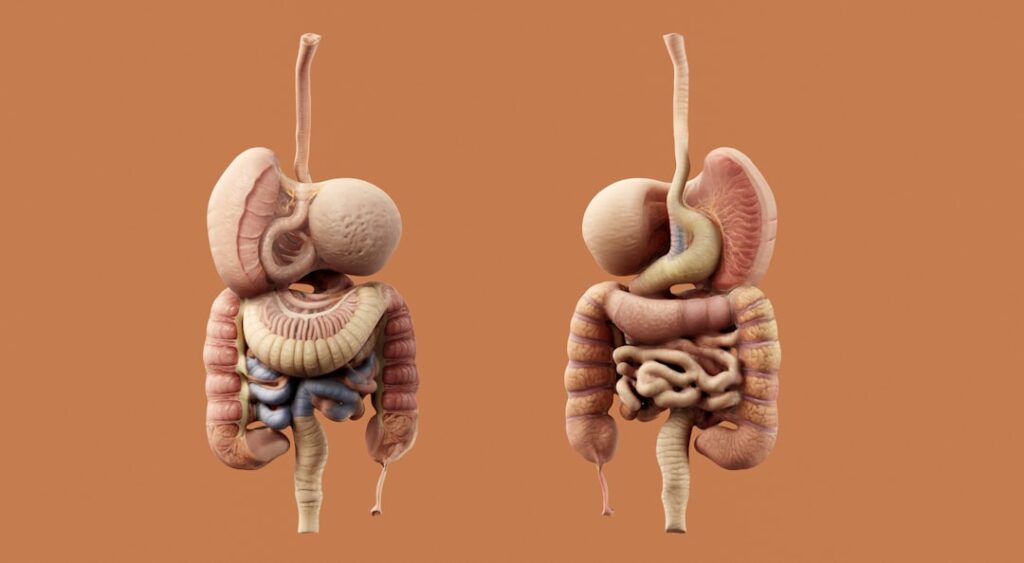
Hemorrhoids are one of the most common yet least discussed health conditions, affecting roughly half of adults over age 50 at some point, according to the National Institute of Diabetes and Digestive and Kidney Diseases (NIDDK). While many cases can be managed at home, knowing when to see a doctor for hemorrhoids is important because some situations require professional evaluation and treatment — and because the symptoms of hemorrhoids overlap with those of more serious conditions.
Understanding when to see a doctor for hemorrhoids helps you avoid both unnecessary worry about a minor condition and dangerous neglect of a symptom that could indicate something more serious. The single most important principle in this whole topic is this: rectal bleeding should never be automatically attributed to hemorrhoids without proper evaluation. Bleeding can also be a sign of colorectal cancer, colon polyps, inflammatory bowel disease, anal fissures, diverticular disease, or other conditions. Hemorrhoids being common does not make them the automatic explanation for your symptoms.
The short version: Many hemorrhoids can be soothed at home, but see a doctor for first-time rectal bleeding, bleeding that is heavy or persistent, dark or tarry stools, severe or worsening pain, a prolapse that will not go back in, or any change in bowel habits, weight loss, or fatigue. Do not assume bleeding is “just hemorrhoids” — that reassurance only applies after a clinician has ruled out other causes, especially if you are 45 or older or have a family history of colorectal cancer. This article is general information, not a diagnosis; when in doubt, get evaluated.
Go to the emergency room or call emergency services if you have:
- Heavy or uncontrollable rectal bleeding, or bleeding that soaks through pads or drips continuously into the toilet.
- Rectal bleeding with dizziness, lightheadedness, a racing heartbeat, or fainting — signs of significant blood loss.
- Black, tarry, or sticky stools (melena), or maroon-colored stool, which can indicate bleeding higher in the digestive tract.
- Severe anal or rectal pain, especially with fever, which may indicate an abscess or serious infection.
- A prolapsed hemorrhoid that has turned purple or black, with intense pain and swelling — a possible strangulated (and potentially dying) hemorrhoid.
- Inability to pass stool combined with severe pain and swelling.
These presentations are uncommon, but delayed treatment could lead to serious complications including severe anemia, sepsis, or tissue death. When in doubt, seek care.
Understanding Hemorrhoids
Hemorrhoids are swollen veins in the lower rectum and anus, similar to varicose veins in the legs. They develop when increased pressure in the area causes the veins to stretch and bulge. The Cleveland Clinic describes two main types:
Internal hemorrhoids develop inside the rectum, above the dentate line, where there are relatively few pain-sensing nerves. They are typically painless but can cause bleeding during bowel movements. Internal hemorrhoids are graded by severity:
- Grade I: Bleed but do not prolapse (protrude outside the anus)
- Grade II: Prolapse during bowel movements but retract on their own
- Grade III: Prolapse and require manual pushing back into position
- Grade IV: Prolapsed permanently and cannot be pushed back in
External hemorrhoids develop under the skin around the outside of the anus, in an area rich with pain-sensing nerves. They can be itchy, painful, and may bleed. When a blood clot forms inside an external hemorrhoid — called a thrombosed hemorrhoid — it causes sudden, severe pain and a hard, tender lump near the anus.
Common causes and risk factors include straining during bowel movements, chronic constipation or diarrhea, sitting on the toilet for prolonged periods, pregnancy, obesity, a low-fiber diet, aging, and heavy lifting. Understanding these factors matters for both treatment and prevention — but recognizing risk factors for hemorrhoids does not replace evaluating symptoms that could have another cause.
Why Rectal Bleeding Always Deserves Evaluation
It is worth repeating clearly: while hemorrhoids are the most common cause of visible rectal bleeding, they are not the only cause, and there is no reliable way to tell the difference by look or feel alone. Colorectal cancer, polyps that can become cancer, inflammatory bowel disease, anal fissures, and diverticular disease can all produce bleeding that looks similar. The American Cancer Society stresses that rectal bleeding should not be dismissed as “just hemorrhoids” without a proper medical evaluation.
This is especially important because of screening guidance. The U.S. Preventive Services Task Force recommends that average-risk adults begin colorectal cancer screening at age 45 and continue through age 75, with decisions after that made individually. Rectal bleeding is a symptom, not a routine screening trigger — it warrants a diagnostic evaluation (often including colonoscopy) regardless of when you last screened. If you are 45 or older, have a family history of colorectal cancer or polyps, or have other concerning symptoms, the case for prompt evaluation is even stronger. Bleeding in younger adults still deserves attention and should be discussed with a clinician rather than ignored.
Signs You Should See a Doctor
Schedule an appointment with your doctor if you experience any of the following:
Rectal bleeding for the first time. If you have never been diagnosed with hemorrhoids and notice blood in the toilet, on toilet paper, or in your stool, see a doctor for evaluation rather than self-diagnosing. This is the single most important reason on this list.
Bleeding that is heavy or does not stop. Hemorrhoid bleeding is typically small in amount, bright red, and occurs during or immediately after bowel movements. If bleeding is heavy enough to drip continuously, soaks through underwear, or does not stop, seek evaluation. Chronic blood loss can lead to iron-deficiency anemia, which causes fatigue, weakness, and shortness of breath.
Dark, tarry, or maroon stools. Black, sticky (tarry) stools or maroon-colored stool suggest bleeding from higher in the digestive tract and should be evaluated promptly — this is not a typical hemorrhoid pattern.
Pain that is severe or worsening. Mild discomfort is common with hemorrhoids, but severe pain may indicate a thrombosed hemorrhoid, an anal fissure, or an abscess. Thrombosed hemorrhoids are often most painful in the first 48 to 72 hours and may benefit from a minor procedure if evaluated early; after that window, pain often begins to ease on its own. Severe pain with fever needs urgent care.
A prolapsed hemorrhoid that will not retract. Grade III and IV internal hemorrhoids that remain outside the anus can become strangulated, meaning the blood supply is cut off. A strangulated hemorrhoid causes intense pain and swelling and requires urgent medical treatment.
Symptoms that persist despite home treatment. If over-the-counter treatments, dietary changes, and sitz baths have not improved your symptoms within one to two weeks, seek professional evaluation. Persistent symptoms may indicate a more advanced hemorrhoid — or a different condition entirely.
Changes in bowel habits or other warning signs. If symptoms are accompanied by narrower (pencil-thin) stools, persistent changes in bowel frequency, unexplained weight loss, ongoing abdominal pain, or a feeling of incomplete evacuation, get evaluated to rule out more serious conditions. These “alarm” symptoms should never be attributed to hemorrhoids without a workup.
If you need professional care, our guide to finding a hemorrhoid doctor can help you locate a specialist in your area.
What to Expect at the Doctor’s Visit
Many people delay seeing a doctor for hemorrhoids due to embarrassment. Understanding what the visit involves may reduce that anxiety:
Your doctor will begin by asking about your symptoms, bowel habits, diet, medications, and medical and family history. The physical examination typically includes a visual inspection of the external anal area and a digital rectal examination, in which the doctor inserts a gloved, lubricated finger to feel for internal hemorrhoids and other abnormalities.
If the doctor suspects internal hemorrhoids or wants to rule out other causes of bleeding, they may perform an anoscopy, a brief procedure using a short, lighted tube to examine the anal canal. For patients age 45 or older, those with concerning symptoms, or anyone with unexplained bleeding, a colonoscopy may be recommended to evaluate the entire colon. According to the American Society of Colon and Rectal Surgeons, these examinations are usually quick, cause minimal discomfort, and provide the information needed to guide treatment — and to confirm that hemorrhoids, and not something else, are the cause.
Medical Treatment Options
Once other causes have been ruled out and a diagnosis is confirmed, your doctor may recommend one of several treatments depending on the type and severity of your hemorrhoids:
Office-based procedures. These minimally invasive treatments are performed without general anesthesia and typically require little to no recovery time:
- Rubber band ligation: The most common treatment for grade I through III internal hemorrhoids. A small rubber band is placed around the base of the hemorrhoid, cutting off its blood supply so it shrinks and falls off within about a week. Success rates are high according to research indexed in PubMed.
- Sclerotherapy: A solution is injected into the hemorrhoid to shrink it, most effective for smaller internal hemorrhoids.
- Infrared coagulation: Heat from an infrared light scars the tissue at the base of the hemorrhoid, reducing blood flow; useful for grade I and II hemorrhoids.
Surgical options. For severe hemorrhoids that do not respond to office-based procedures:
- Hemorrhoidectomy: Surgical removal of the hemorrhoid tissue. This is the most effective treatment for large or severe hemorrhoids but involves more recovery time (about two to four weeks) and more post-operative pain.
- Stapled hemorrhoidopexy: A stapling device repositions prolapsed tissue and reduces blood flow. Recovery is generally faster than traditional hemorrhoidectomy, though recurrence rates may be slightly higher.
The choice of procedure depends on the type, grade, and number of hemorrhoids, your overall health, and your preferences. The Mayo Clinic notes that most hemorrhoid treatments have high success rates when appropriate candidates are selected.
Home Management Before Seeing a Doctor
While awaiting your appointment, or if your symptoms are mild and you have no red-flag warning signs, several evidence-based home measures can provide relief. Note the important caveat: home care is appropriate for mild, already-evaluated or clearly low-risk symptoms — it is not a reason to delay evaluating new or worrisome bleeding.
- Increase dietary fiber toward about 25 to 30 grams daily through fruits, vegetables, whole grains, and legumes, or use a fiber supplement such as psyllium. The NIDDK identifies a high-fiber diet as a key long-term strategy for preventing hemorrhoid symptoms.
- Stay well hydrated to help keep stools soft.
- Take sitz baths by sitting in warm water for 10 to 15 minutes, a few times daily, to reduce swelling and relieve discomfort.
- Consider over-the-counter treatments such as witch hazel pads or short-term hemorrhoid creams and ointments for temporary relief; follow the package directions and your pharmacist’s or doctor’s guidance, and do not use products like topical steroids for prolonged periods without medical advice.
- Avoid straining during bowel movements, and do not sit on the toilet longer than necessary.
- Stay active, as regular movement supports healthy bowel function and reduces pressure on rectal veins.
For more information on related conditions, visit our medical conditions guide, or consider a telehealth visit for an initial, non-emergency conversation about your symptoms.
Frequently Asked Questions
Can hemorrhoids turn into cancer?
No. Hemorrhoids are swollen veins, not abnormal cell growths, and having them does not turn into or cause colorectal cancer. The concern is different: hemorrhoids and colorectal cancer can produce similar symptoms, especially rectal bleeding. That overlap is exactly why bleeding should be evaluated by a doctor rather than assumed to be hemorrhoids — particularly if you are 45 or older, have a family history of colorectal cancer, or have other symptoms such as changes in bowel habits or unexplained weight loss.
How long should I wait before seeing a doctor for hemorrhoids?
If you have mild symptoms and no red-flag warning signs, it is reasonable to try home treatment for one to two weeks. However, see a doctor promptly — not after a waiting period — if you have rectal bleeding for the first time, heavy bleeding, dark or tarry stools, severe pain, a prolapse that will not retract, signs of anemia such as fatigue and weakness, or a change in bowel habits. The waiting-and-watching approach applies only to mild, low-risk symptoms.
Is it normal for hemorrhoids to bleed every day?
Daily rectal bleeding is not something to accept as normal without medical evaluation. Persistent daily bleeding can cause iron-deficiency anemia over time and needs a doctor’s assessment both to treat the bleeding and to confirm that hemorrhoids — and not another condition — are actually the cause. Your doctor may recommend a procedure to stop the bleeding and can check your blood count for anemia.
Do hemorrhoids require surgery?
The vast majority do not. According to the American Society of Colon and Rectal Surgeons, most hemorrhoids can be managed with dietary changes, topical treatments, and office-based procedures. Surgery is typically reserved for large external hemorrhoids, grade III and IV internal hemorrhoids that have not responded to less invasive treatment, strangulated hemorrhoids, and certain thrombosed hemorrhoids. Modern techniques have reduced post-operative pain and recovery time compared with older approaches.
I was told years ago I have hemorrhoids. Do I still need to worry about new bleeding?
Yes — a past diagnosis of hemorrhoids does not protect you from developing other conditions, and it does not mean today’s bleeding is coming from the same source. New, changed, or persistent bleeding warrants a fresh evaluation, especially as you get older or if you have new symptoms. Do not let a prior diagnosis talk you out of getting checked.
The Bottom Line
Knowing when to see a doctor for hemorrhoids empowers you to manage this common condition effectively. Most cases respond well to home treatment, but the single most important message is that rectal bleeding and other alarm symptoms should be evaluated rather than assumed to be hemorrhoids — because that reassurance is only safe once a clinician has ruled out colorectal cancer and other causes. Recognizing the signs that warrant professional evaluation ensures that serious conditions are not overlooked and that effective treatments are available when needed. Do not let embarrassment delay necessary care; hemorrhoid evaluation and treatment are routine, and getting checked can protect far more than your comfort.
Sources
- NIDDK / National Institutes of Health — hemorrhoids
- Cleveland Clinic — hemorrhoid types and grading
- American Cancer Society — colorectal cancer symptoms and screening
- U.S. Preventive Services Task Force — colorectal cancer screening beginning at age 45
- American Society of Colon and Rectal Surgeons (ASCRS) — hemorrhoid evaluation and treatment
- Mayo Clinic — hemorrhoid treatment
- MedlinePlus — hemorrhoids overview