
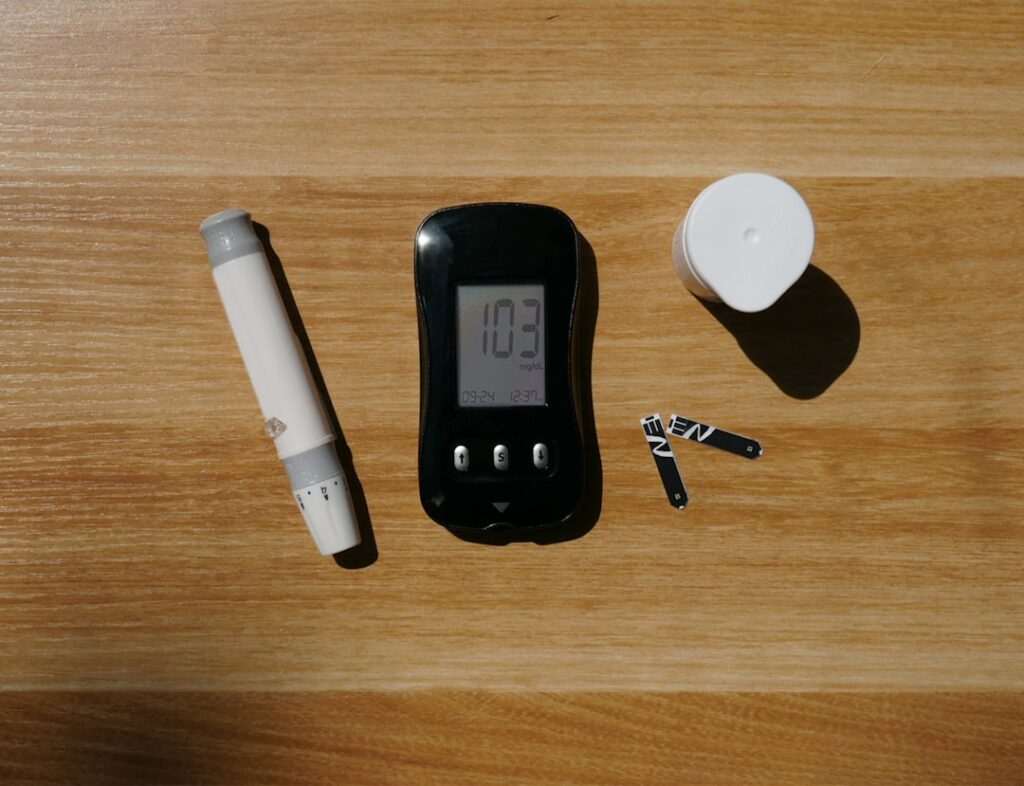
Roughly 2 million Americans are living with type 1 diabetes, including hundreds of thousands of children and adolescents. According to the CDC, type 1 diabetes accounts for about 5–10% of all diabetes cases, but its daily management demands are among the most intense of any chronic condition. Unlike type 2 diabetes, type 1 is an autoimmune disease that cannot be prevented through lifestyle changes and requires lifelong insulin therapy from the moment of diagnosis. Insulin is life-sustaining — it must never be stopped or skipped. For more on chronic conditions, explore our medical conditions guide.
TL;DR: Type 1 diabetes is an autoimmune condition in which the immune system destroys the insulin-producing cells of the pancreas. People with type 1 need insulin for life and cannot survive without it. Modern tools — continuous glucose monitors (CGMs) and automated insulin delivery (hybrid closed-loop) systems — have made day-to-day management safer and easier, and newer therapies like teplizumab can delay onset in some at-risk people. The two most urgent dangers are diabetic ketoacidosis (very high blood sugar) and severe hypoglycemia (very low blood sugar); both are emergencies. Insulin dosing is individualized and belongs with your endocrinology team. This article is educational and is not a substitute for professional medical advice.
Red flag — two emergencies everyone with type 1 diabetes must recognize:
1. Diabetic ketoacidosis (DKA) — dangerously high blood sugar. Call 911 or go to the nearest emergency room for: excessive thirst and urination, nausea or vomiting, abdominal pain, fruity-smelling breath, rapid and deep breathing, drowsiness or confusion. DKA is life-threatening and requires immediate IV insulin and fluids. Never stop taking insulin, even when you are sick or not eating — illness often raises insulin needs, and skipping insulin is a common trigger of DKA.
2. Severe hypoglycemia — dangerously low blood sugar. Call 911 if a person with diabetes has a seizure, becomes unconscious, or is too confused or unable to swallow to take sugar by mouth. Give emergency glucagon (injection or nasal spray) if available and you are trained, then call for help. Do not put food or drink into the mouth of someone who is unconscious.
What Is Type 1 Diabetes?
Type 1 diabetes is an autoimmune condition in which the body’s immune system mistakenly attacks and destroys the insulin-producing beta cells in the pancreas. Insulin is essential — without it, glucose cannot enter cells for energy and accumulates in the bloodstream to dangerous levels. People with type 1 diabetes produce little to no insulin and must replace it through injections or an insulin pump for the rest of their lives.
The destruction of beta cells is typically mediated by T cells of the immune system and is associated with specific autoantibodies that can be detected in the blood — including GAD65, IA-2, insulin autoantibodies, and ZnT8 antibodies. The process often begins months or years before symptoms appear, as the immune system gradually destroys more and more beta cells. Symptoms generally emerge once a large majority of beta cells have been lost.
The NIDDK notes that while type 1 diabetes was historically called “juvenile diabetes,” it can develop at any age. A large share of new diagnoses now occur in adults, a fact that often leads to initial misdiagnosis as type 2 diabetes. A subtype called LADA (latent autoimmune diabetes in adults) develops more slowly in adults and may initially respond to oral medications before insulin becomes necessary.
Causes and Risk Factors
The exact cause of the autoimmune attack that triggers type 1 diabetes remains incompletely understood, but it involves a combination of genetic susceptibility and environmental triggers. The strongest genetic risk factor is in the HLA (human leukocyte antigen) region, which governs immune function. Specific HLA variants — particularly HLA-DR3 and HLA-DR4 — are found in a high proportion of people with type 1 diabetes.
However, genetics alone do not explain the disease. The concordance rate in identical twins is only about 50%, meaning that even with identical DNA, environmental factors must play a role. Potential environmental triggers under investigation include viral infections (enteroviruses, particularly Coxsackie B virus), early dietary exposures, vitamin D status, and changes in the gut microbiome. None of these has been proven to cause type 1 diabetes on its own.
According to research summarized by the NIH, the incidence of type 1 diabetes has been rising in many countries over recent decades — a trend too fast to be explained by genetics alone, pointing to changing environmental factors. Having a first-degree relative with type 1 diabetes increases risk substantially, though the majority of new diagnoses occur in people with no family history at all. Because relatives are at higher risk, autoantibody screening programs now exist to identify early-stage (pre-symptomatic) type 1 diabetes in some families.
Symptoms and Diagnosis
Symptoms of type 1 diabetes often develop rapidly — over days to weeks — especially in children. The classic presentation includes extreme thirst (polydipsia), frequent urination (polyuria), unexplained weight loss despite increased appetite, severe fatigue, and blurred vision. Some people, particularly children, are first diagnosed when they present with diabetic ketoacidosis (DKA) — a life-threatening condition in which the body, starved of glucose for energy, breaks down fat at an accelerated rate, producing toxic ketones.
DKA symptoms include nausea and vomiting, abdominal pain, fruity-smelling breath, rapid breathing, confusion, and loss of consciousness. The Mayo Clinic reports that a substantial share of children with new-onset type 1 diabetes are in DKA at diagnosis. Awareness of symptoms and rapid medical evaluation are essential to prevent this dangerous complication (see the red-flag box above).
Diagnosis is confirmed by blood glucose testing (random glucose above 200 mg/dL with symptoms, fasting glucose above 126 mg/dL, or A1C of 6.5% or higher) combined with autoantibody testing to confirm the autoimmune nature. C-peptide levels — which reflect how much insulin the body produces — are low or undetectable in type 1 diabetes. Distinguishing type 1 from type 2 matters because the treatments differ fundamentally, and misdiagnosis can be dangerous.
Insulin Therapy
Insulin is the essential treatment for type 1 diabetes — there is no alternative, and it must never be stopped. Modern insulin therapy aims to mimic the body’s natural insulin patterns using a combination of basal insulin (providing a steady background level) and bolus insulin (covering the glucose spike from meals). Doses are highly individualized and are set and adjusted by your care team; this guide does not provide insulin dosing.
Basal insulins include long-acting analogs such as glargine (Lantus, Basaglar, Toujeo, Semglee) and detemir (Levemir), which provide relatively flat coverage, and ultra-long-acting insulin degludec (Tresiba). Bolus insulins include rapid-acting analogs such as lispro (Humalog), aspart (Novolog), and glulisine (Apidra), as well as ultra-rapid-acting options such as Fiasp and Lyumjev that act even faster. Biosimilar and lower-cost insulins have expanded in recent years, and federal and manufacturer programs have capped or reduced out-of-pocket insulin costs for many patients — worth discussing with your care team and pharmacist.
The two main delivery approaches are multiple daily injections (MDI) — typically basal insulin plus a rapid-acting injection before each meal — and insulin pumps, which deliver a continuous subcutaneous infusion of rapid-acting insulin with additional doses before meals. Smart insulin pens (such as InPen and newer connected pens) now bridge the gap for people on injections, logging doses and helping with calculations. The NIDDK notes there is no single “best” approach — the choice depends on your lifestyle, preferences, and comfort with technology.
Blood Sugar Monitoring and Technology
Tight, safe blood sugar control is a central goal of type 1 diabetes management, as it dramatically reduces the risk of complications. The landmark Diabetes Control and Complications Trial (DCCT) demonstrated that intensive insulin therapy — lowering A1C toward target — sharply decreased the risk of eye, kidney, and nerve complications. Today’s tools make reaching those targets far more achievable than in the past.
Continuous glucose monitors (CGMs) have transformed management. Current-generation devices from Dexcom (such as the G7) and Abbott (FreeStyle Libre 3 and Libre 3 Plus), along with Medtronic’s sensors, measure glucose every few minutes, display real-time values and trend arrows, and alert you to dangerously high or low levels. A key metric is “time in range” (TIR) — the percentage of time glucose stays roughly between 70 and 180 mg/dL — which correlates strongly with long-term outcomes; a common general target is at least 70% time in range, individualized by your care team.
Automated insulin delivery (AID) systems — also called “hybrid closed-loop” or “artificial pancreas” systems — integrate a CGM with an insulin pump and an algorithm that automatically adjusts insulin delivery based on glucose readings. Options now include the Medtronic 780G, Tandem’s Control-IQ technology (including the newer Control-IQ+ and the compact Tandem Mobi pump), Insulet’s Omnipod 5, the Beta Bionics iLet Bionic Pancreas, and the Twiist system. These systems have been shown to improve time in range and reduce hypoglycemia, and the NIH describes AID technology as one of the most significant advances in type 1 diabetes management in decades. They still require user input for meals and are not fully “hands-off,” but they meaningfully ease the daily burden.
Managing Hypoglycemia
Hypoglycemia (low blood sugar, generally below 70 mg/dL) is the most immediate and frequent danger of insulin therapy. Symptoms include shakiness, sweating, rapid heartbeat, anxiety, hunger, dizziness, confusion, and irritability. Severe hypoglycemia can cause seizures, loss of consciousness, and, if untreated, death.
For mild-to-moderate lows in a person who is awake and able to swallow, treatment follows the “Rule of 15”: consume about 15 grams of fast-acting carbohydrate (such as glucose tablets, a few ounces of juice, or regular soda), wait about 15 minutes, recheck, and repeat if still low. Glucagon — available as an injection kit or as a nasal spray (Baqsimi) and ready-to-use pen (Gvoke) — is the emergency treatment for severe hypoglycemia when the person is unconscious or unable to swallow. Every person with type 1 diabetes should have current, unexpired glucagon available, and family members, roommates, and close contacts should know where it is and how to use it.
Hypoglycemia unawareness — a condition in which the body’s warning symptoms fade after repeated lows — is particularly dangerous and common in people with long-standing type 1 diabetes. CGMs with alarms (and AID systems that can suspend insulin) are invaluable for these individuals, providing a technological safety net when the body’s own alarm system has been blunted.
Long-Term Complications
The long-term complications of type 1 diabetes are similar to those of type 2 and are driven by chronic high blood sugar damaging blood vessels and nerves. Retinopathy (eye disease), nephropathy (kidney disease), neuropathy (nerve damage), and cardiovascular disease are the major concerns. Annual eye exams, regular kidney-function testing, and routine foot exams are standard monitoring practices.
The good news is that intensive, well-supported management dramatically reduces complication rates. Long-term follow-up from the DCCT (the EDIC study) showed that the benefits of early tight control persisted for decades — a phenomenon called “metabolic memory.” The Cleveland Clinic notes that with modern tools — CGMs, AID systems, and advanced insulins — achieving good control is more feasible than ever.
Cardiovascular disease deserves particular attention. People with type 1 diabetes have an elevated risk of heart attack and stroke compared with the general population. Managing blood pressure, cholesterol, and not smoking are important alongside blood sugar control. In some cases, clinicians add other medications to protect the heart and kidneys — decisions individualized to each patient. Understanding the financial aspects through our healthcare costs guide can help with the substantial ongoing expenses of type 1 diabetes management.
Emotional and Psychological Aspects
The relentless daily demands of type 1 diabetes management take a psychological toll. Diabetes distress — the emotional burden of living with and managing a chronic condition — affects a large share of people with type 1 diabetes at any given time. It is distinct from clinical depression (though the two can coexist) and is tied directly to the frustrations, fears, and exhaustion of daily management.
Depression and anxiety are more common in people with type 1 diabetes than in the general population. Eating disorders — particularly the deliberate restriction of insulin to lose weight (sometimes called “diabulimia”) — are a serious and underrecognized issue, especially among young people with type 1 diabetes, and can be dangerous. Fear of hypoglycemia can lead to chronic over-treatment of blood sugars and avoidance of physical activity.
Mental-health screening should be a routine part of diabetes care. The National Institute of Mental Health encourages people with chronic conditions to be proactive about seeking psychological support when needed. Diabetes-specific support groups, psychologists familiar with diabetes distress, and open communication with your endocrinology team all help.
Frequently Asked Questions
What is the difference between type 1 and type 2 diabetes?
Type 1 is an autoimmune disease in which the body destroys its insulin-producing cells, requiring lifelong insulin from diagnosis. Type 2 involves insulin resistance and progressive loss of insulin production, often linked to genetics and lifestyle factors, and may initially be managed with lifestyle changes and oral or injectable medications. Type 1 accounts for about 5–10% of cases; type 2 accounts for roughly 90–95%.
Can type 1 diabetes be prevented?
There is currently no proven way to prevent type 1 diabetes. However, teplizumab (Tzield) — an immunotherapy approved by the FDA in 2022 — can delay the onset of stage 3 (clinical) type 1 diabetes in some people at high risk who already have autoantibodies and early signs of abnormal glucose. On average it delayed progression by roughly a couple of years in trials; it is not a cure, and it does not help everyone. Research into halting the autoimmune process earlier is ongoing.
Can you develop type 1 diabetes as an adult?
Yes. Although it is often diagnosed in children and young adults, type 1 diabetes can develop at any age. LADA (latent autoimmune diabetes in adults) is a slower-onset form and is frequently misdiagnosed as type 2 diabetes at first. Autoantibody and C-peptide testing can help distinguish the two.
How many times a day do you need insulin for type 1 diabetes?
On a multiple-daily-injection regimen, most people take basal insulin plus a rapid-acting injection before each meal, which typically adds up to several injections per day. Insulin pumps and AID systems deliver insulin continuously through a small catheter or pod changed every few days, reducing the number of injections. Your exact regimen and doses are set by your care team.
Is there a cure for type 1 diabetes?
There is no cure yet, but research is active and promising. Islet cell transplantation can provide insulin independence for some people but requires lifelong immunosuppression; the first allogeneic (donor) islet cell therapy, donislecel (Lantidra), was approved by the FDA in 2023 for certain adults. Stem cell–derived beta cell therapies are advancing through clinical trials, and immunotherapy approaches aim to slow or stop the autoimmune destruction. A “functional cure” — insulin independence without immunosuppression — remains a central research goal, but these approaches are early and not yet standard care.
Thriving With Type 1 Diabetes
Type 1 diabetes is demanding, but it should not define or limit your life. People with type 1 diabetes run marathons, climb mountains, serve in every kind of profession, and raise families. The key is building a management routine that works within your life — not building your life around your diabetes. Embrace the technology available (CGMs and AID systems genuinely make life easier), find an endocrinology team you trust, and connect with the type 1 diabetes community for support and practical wisdom.
Give yourself grace on difficult days. Blood sugars will not always cooperate, and perfection is not the goal — good management, most of the time, produces excellent long-term results. Never stop insulin on your own; work with your team to solve problems. Stay current on advances in treatment and technology, advocate for insurance coverage of the tools you need, and remember that the management burden you carry today is lighter than at any point in the history of this disease — and it continues to improve.
This article is for general education and is not medical advice. Type 1 diabetes care, including all insulin dosing, should be directed by a qualified endocrinology team.
Sources
- Centers for Disease Control and Prevention (CDC) — diabetes data and type 1 diabetes
- National Institute of Diabetes and Digestive and Kidney Diseases (NIDDK) — type 1 diabetes and insulin treatments
- National Institutes of Health (NIH) — type 1 diabetes research and technology
- Mayo Clinic — type 1 diabetes symptoms and causes
- Cleveland Clinic — type 1 diabetes management
- American Diabetes Association (ADA) — Standards of Care in Diabetes
- U.S. Food and Drug Administration (FDA) / DailyMed — teplizumab (Tzield), donislecel (Lantidra), glucagon, and insulin labeling