
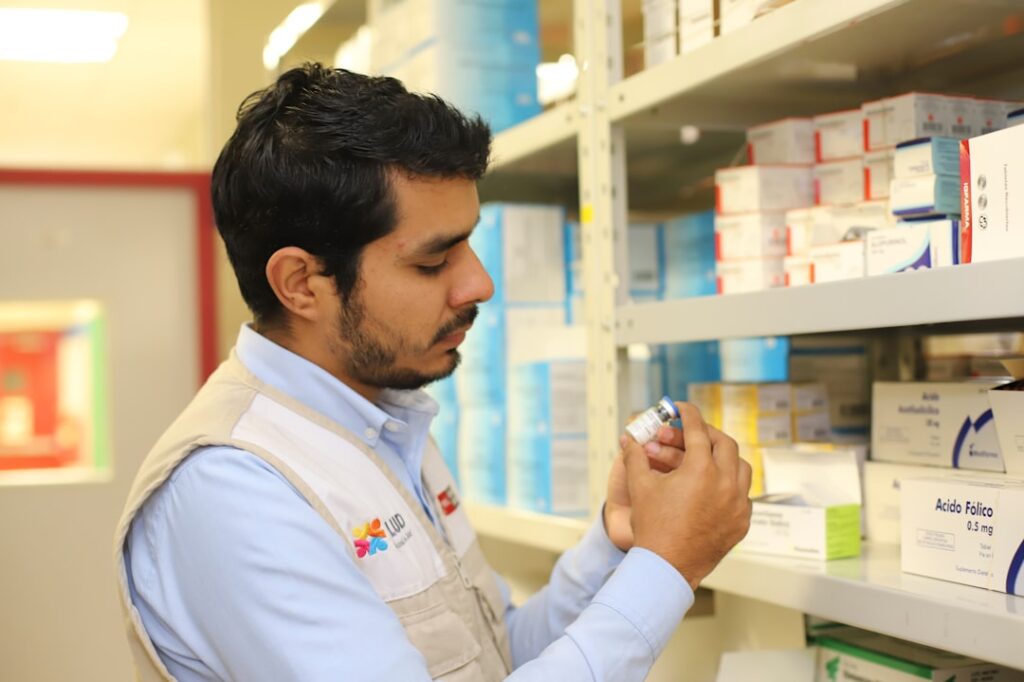
- GoodRx negotiates only a small rebate on brand-only tirzepatide, so 2026 coupon prices stay near $1,000–$1,090 a month for Mounjaro or Zepbound — often within $5–$50 of the plain cash price.
- There is no FDA-approved generic tirzepatide, which is the real reason coupons cannot deliver the 70%-plus savings common on generics; patents run into the early 2030s.
- For obesity, LillyDirect self-pay Zepbound vials (about $299–$449 a month by dose with an on-time refill) usually beat any GoodRx tirzepatide price.
- Commercially insured patients can pay as little as $25 a month with the Lilly savings card when their plan covers the drug; government-plan enrollees are excluded by federal law.
- GoodRx is a cash discount, not insurance — you cannot stack it with Medicare or a commercial plan on the same fill, and the spending does not count toward your Part D out-of-pocket cap ($2,100 in 2026).
- Be cautious of any site advertising cheap "compounded" tirzepatide; the FDA has logged hundreds of adverse-event reports and ended large-scale compounding, and prices/terms change often — verify before you fill.
If you searched for GoodRx tirzepatide hoping to slash a four-figure pharmacy bill, the honest answer in 2026 is: not really. Tirzepatide is sold in the United States under only two brand names, Mounjaro (for type 2 diabetes) and Zepbound (for chronic weight management), and there is still no FDA-approved generic. So a GoodRx tirzepatide coupon can shave a bit off the retail sticker, but it rarely brings the price below Eli Lilly’s own cash-pay channels. Understanding where the discount comes from, and where it stops, is the difference between real savings and marketing noise. GoodRx is a prescription discount program, not insurance, and prices change often, so treat every figure below as an estimate to verify before you fill. For broader context on how coupons fit into prescription pricing, start with our healthcare costs guide.
Why There Is No True GoodRx Generic for Tirzepatide
Tirzepatide is a dual GIP/GLP-1 receptor agonist patented by Eli Lilly. Per the FDA approval history, Mounjaro was cleared for type 2 diabetes in May 2022 and Zepbound for chronic weight management in November 2023. Both remain under patent exclusivity into the early 2030s, which means pharmacies cannot substitute a generic the way they might for metformin or atorvastatin. No generic competition means no deep discount: coupon programs can only negotiate against a single manufacturer’s branded price.
What GoodRx actually negotiates for branded tirzepatide is a modest rebate off the pharmacy’s usual and customary cash price. That price already sits close to the wholesale acquisition cost, roughly $1,020 to $1,090 per month for either product per Lilly’s published list prices. Because the starting point is so high and there is no cheaper equivalent to switch to, a GoodRx coupon typically shaves only a small amount off that figure, not hundreds.
What You’ll Actually Pay With a GoodRx Tirzepatide Coupon
Checking the GoodRx app on a recent weekday, brand tirzepatide cash-and-coupon prices clustered around $1,060 to $1,090 for a one-month supply of any dose (2.5 mg through 15 mg are priced identically). Warehouse pharmacies such as Costco and Sam’s Club sometimes posted figures a little lower, in the $1,000 to $1,050 range. According to GoodRx’s own pricing data, the coupon often lands within about $5 to $50 of the plain cash price for brand Zepbound and Mounjaro. Mounjaro’s average retail price runs even higher, around $1,350, so a coupon there can look like a bigger percentage but still leaves you paying four figures.
The pattern is consistent: GLP-1-class coupons deliver single-digit percentage savings rather than the 70%-plus reductions common on generic drugs. The discount is real, but small relative to the list price, and it is not the game-changer many patients hope for.
| Way to pay (2026) | Approx. monthly cost | Who it fits |
|---|---|---|
| GoodRx / cash coupon, brand Mounjaro or Zepbound | ~$1,000 – $1,090 | Uninsured; higher doses; bridging a gap |
| LillyDirect self-pay Zepbound vials (with on-time refill) | ~$299 – $449 by dose | Obesity self-pay patients |
| Lilly savings card, plan covers the drug (commercial insurance) | As little as $25 | Commercially insured, drug on formulary |
| Lilly savings card, plan does not cover the drug (commercial) | ~$499 | Commercially insured, drug excluded |
These are estimates that vary by pharmacy, dose, and date, and program terms change — confirm current pricing at the counter or on Lilly’s site before you rely on any number.
Lilly’s Direct Cash-Pay Program Usually Beats GoodRx
Eli Lilly runs LillyDirect and the Zepbound self-pay vial program specifically to bypass pharmacy markups. As of early 2026, eligible self-pay patients who refill on time can buy single-dose Zepbound at roughly $299 per month for 2.5 mg, $399 for 5 mg, and $449 for the 7.5 mg through 15 mg doses; without an on-time refill (within about 45 days), regular maintenance prices are higher, near $499 for 7.5 mg and $699 for the top three doses. Vials and self-pay pens are now priced the same by dose. Even the higher end of that range is roughly half the best GoodRx tirzepatide price at a retail counter, which is why LillyDirect is usually the smarter first stop for obesity patients paying cash.
For commercially insured patients, the Lilly Savings Card can drop Mounjaro or Zepbound to as little as $25 per month if the plan covers it, or to roughly $499 per month if the plan does not, subject to monthly and annual maximums that reset each calendar year. Patients on Medicare, Medicaid, Tricare, or VA benefits are excluded from the savings card because of federal anti-kickback rules, which is the single biggest barrier for older adults hoping to combine it with Part D.
When GoodRx Tirzepatide Still Makes Sense
There are a few scenarios where reaching for a GoodRx coupon genuinely helps. First, if you are uninsured and need a specific brand pen or a dose configuration not offered through Lilly’s self-pay vial program, a cash coupon at a warehouse pharmacy is often the cheapest legitimate option. Second, if your Part D plan denies coverage and your appeal is exhausted, a cash coupon at least caps the damage. Third, if you are bridging a short gap between insurance plans, a one-month GoodRx fill avoids losing your prescription momentum. Fourth, GoodRx is handy for quickly price-shopping several nearby pharmacies before you commit.
Outside those situations, most patients save more by comparing LillyDirect self-pay, their insurance formulary, and the manufacturer savings card before defaulting to GoodRx. Our tirzepatide discount card guide walks through how the manufacturer cards stack up against third-party coupons in more detail.
How to Use a GoodRx Tirzepatide Coupon at the Counter
Open the GoodRx app, search “tirzepatide” or the brand name, and select your dose. The app displays prices at pharmacies within a few miles. Show the coupon on your phone or print it at home, and hand it to the pharmacist before they run your prescription. Important: tell them not to bill your insurance, because GoodRx is a cash discount and cannot be combined with Medicare or a commercial plan on the same fill. That also means the amount you spend on a GoodRx fill does not count toward your insurance deductible or your Medicare Part D out-of-pocket cap.
If you want to compare tools, our SingleCare discount card guide and ScriptSave WellRx comparison show how other cash-pay cards stack up on GLP-1s. In practice, the different coupon services tend to land within a few dollars of one another on brand tirzepatide, so it is worth a quick check but rarely a dramatic difference.
Compounded Tirzepatide Is a Separate (and Risky) Conversation
During the 2023–2024 FDA shortage declaration, compounding pharmacies legally produced tirzepatide at a few hundred dollars per month. The FDA later removed tirzepatide from the shortage list, and large-scale compounding of the same molecule is no longer permitted. Just as important, the agency has flagged real safety concerns: as of May 31, 2026, the FDA had logged more than 730 adverse-event reports tied to compounded tirzepatide, alongside warnings about dosing errors and unapproved “salt” forms of the drug. GoodRx does not list FDA-approved compounded versions, and consumers should be cautious of any online pharmacy still advertising cheap compounded tirzepatide. A licensed clinician should prescribe and monitor tirzepatide; do not buy it from a source that skips a medical evaluation.
Frequently Asked Questions
Does GoodRx have a coupon for tirzepatide under $500?
Not for the brand. As of 2026, no GoodRx tirzepatide coupon reliably brings retail Mounjaro or Zepbound below roughly $1,000 per month. The LillyDirect self-pay vial program is the main legitimate channel offering tirzepatide under $500 for eligible doses, and for lower doses it can dip to about $299–$399.
Can I use GoodRx for tirzepatide if I have Medicare?
Yes, but you cannot combine it with your Part D benefit on the same fill. You would pay the GoodRx cash price out of pocket, and that spending would not count toward your Medicare Part D out-of-pocket maximum, which is $2,100 in 2026.
Is GoodRx cheaper than the Lilly Savings Card?
Almost never, if you have commercial insurance. The Lilly Savings Card typically brings a covered fill to as little as $25 per month, or a non-covered fill to about $499, both well below any GoodRx tirzepatide price at retail pharmacies. Confirm your eligibility, since government-plan enrollees are excluded.
Which pharmacy has the cheapest GoodRx tirzepatide price?
Warehouse pharmacies such as Costco and Sam’s Club often post the lowest cash-and-coupon price on GoodRx, sometimes modestly under CVS, Walgreens, and Walmart. You do not need a membership to use a warehouse pharmacy counter in most states. Differences are usually small, so compare on the day you fill.
Is GoodRx the same as a manufacturer savings card?
No. GoodRx is a third-party cash coupon anyone can use, including the uninsured. A manufacturer savings card is offered by Lilly and generally requires commercial insurance. They cannot be stacked on the same fill, so pick whichever yields the lower price for your situation.
The Bottom Line
GoodRx for tirzepatide delivers a modest, legitimate discount off retail cash prices, but the savings rarely exceed single digits because tirzepatide has no generic competition. Before filling at a retail counter, price-check LillyDirect’s self-pay vials, confirm your insurance coverage, and ask whether the Lilly Savings Card applies. If none of those work, a GoodRx coupon at a warehouse pharmacy is a reasonable fallback, not a miracle fix. Whatever route you choose, tirzepatide should be prescribed and monitored by a licensed clinician.
GoodRx and similar cards are prescription discount programs, not health insurance, and this article is general education, not medical or financial advice. It is not affiliated with or endorsed by GoodRx or Eli Lilly. Coupon, self-pay, and manufacturer prices vary by pharmacy and change often — confirm the current price and terms before you fill, and talk to your prescriber or pharmacist about your medications.
For more ways to lower what you pay for prescriptions, see our healthcare costs guide.
Sources
- GoodRx — How Much Does Zepbound (Tirzepatide) Cost Without Insurance? (2026 cash and coupon prices)
- GoodRx — Mounjaro Coupons, Cost & Savings Cards (2026 retail pricing)
- Eli Lilly — LillyDirect self-pay Zepbound single-dose vials (per-dose pricing)
- Eli Lilly — Zepbound Savings & Insurance Options and Mounjaro Savings & Coverage (savings-card terms)
- FDA — Drug Approvals and Databases (Mounjaro 2022 and Zepbound 2023 approvals)
- FDA — FDA’s Concerns with Unapproved GLP-1 Drugs Used for Weight Loss (compounding and adverse-event reports as of May 31, 2026)
- CMS / National Council on Aging — Medicare Part D 2026 out-of-pocket cap ($2,100)