
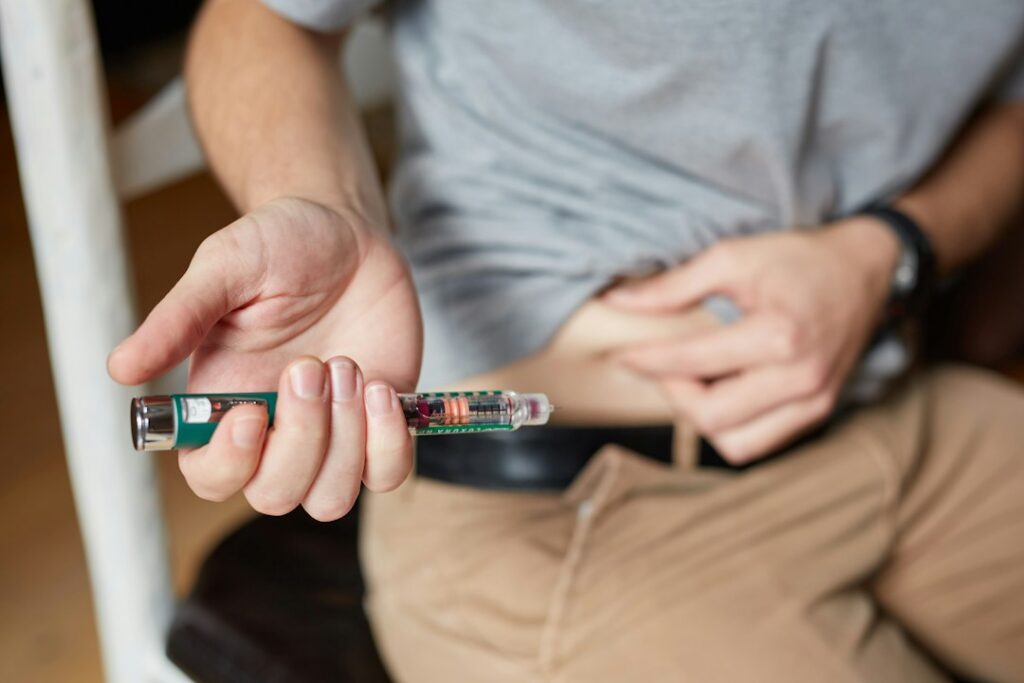
- Semaglutide is a GLP-1 receptor agonist (brands include Ozempic, Wegovy, Rybelsus, from Novo Nordisk); tirzepatide is a dual GIP/GLP-1 receptor agonist (brands Mounjaro and Zepbound, from Eli Lilly).
- Both are used, under different brand names, for type 2 diabetes and for chronic weight management, and both are usually once-weekly self-injections.
- Tirzepatide acts on two gut-hormone receptors (GIP and GLP-1); semaglutide acts on one (GLP-1) — a difference in mechanism, not a ranking.
- They share similar common gastrointestinal side effects and the same boxed warning about thyroid C-cell tumors.
- Which drug, brand, and dose is appropriate is a decision only a licensed prescriber can make; both are costly brand-name products where savings programs and discounts matter.
Semaglutide and tirzepatide are two different prescription medications used, under different brand names, for type 2 diabetes and for chronic weight management. Semaglutide (brands including Ozempic, Wegovy, and Rybelsus, from Novo Nordisk) acts on a single gut-hormone receptor, GLP-1. Tirzepatide (brands Mounjaro and Zepbound, from Eli Lilly) acts on two receptors, GIP and GLP-1. That difference in mechanism is real, but it does not tell you which is “better” for any individual — that is a clinical decision, not a comparison you settle from a table.
Only a licensed clinician can decide whether either of these medications is appropriate for you, which brand, at what dose, and for how long. This article is educational, does not recommend one drug over the other, and does not give personal dosing or medical advice. Never start, stop, switch, or adjust a prescription on your own — always talk to your doctor or pharmacist.
These two drugs are often mentioned together because they belong to overlapping treatment areas and are both taken as once-weekly injections. But they are distinct molecules from different manufacturers with their own FDA approvals. This guide compares them factually on mechanism, brands and approved uses, typical dosing, common side effects, and cost, so you can bring better questions to your prescriber.
Semaglutide vs tirzepatide at a glance
Here is how the two compare on the points people ask about most. The dosing rows describe the FDA-approved products in general terms only — they are not instructions, and your prescriber sets any actual dose.
| Semaglutide | Tirzepatide | |
|---|---|---|
| Drug class / mechanism | GLP-1 receptor agonist (single receptor) | Dual GIP + GLP-1 receptor agonist |
| Manufacturer | Novo Nordisk | Eli Lilly |
| Brand for type 2 diabetes | Ozempic (injection); Rybelsus (oral) | Mounjaro (injection) |
| Brand for weight management | Wegovy (injection) | Zepbound (injection) |
| How it’s taken | Once-weekly injection (Rybelsus is a daily pill) | Once-weekly injection |
| Common side effects | Nausea, vomiting, diarrhea, constipation | Nausea, vomiting, diarrhea, constipation |
| Boxed warning | Thyroid C-cell tumors (see label) | Thyroid C-cell tumors (see label) |
| Generic available? | No (brand-name only) | No (brand-name only) |
| Typical list price (before discounts) | High (four figures/month) | High (four figures/month) |
Plain-language overviews are on NIH’s MedlinePlus page on semaglutide injection and its page on tirzepatide injection, and the full details are in each product’s FDA prescribing information.
How they work: one receptor vs two
Both drugs are based on incretin hormones — the gut signals that help regulate blood sugar and appetite after eating. The core difference is how many of those signals each drug mimics.
Semaglutide is a GLP-1 receptor agonist: it activates the GLP-1 receptor. As described on the FDA label and MedlinePlus, that helps the pancreas release insulin when blood sugar is high, reduces the sugar the liver produces, and slows stomach emptying, which can increase fullness.
Tirzepatide is a dual agonist: it activates both the GLP-1 receptor and the GIP (glucose-dependent insulinotropic polypeptide) receptor. GIP is a second incretin hormone. Acting on both receptors is what distinguishes tirzepatide’s mechanism from single-receptor GLP-1 drugs.
A difference in mechanism is not the same as a recommendation. How that translates into results, tolerability, and suitability varies from person to person, and interpreting it for your situation is your clinician’s job.
Brands and approved uses
This is where the naming gets confusing, because each molecule is sold under more than one brand depending on the approved use:
- Semaglutide — sold as Ozempic (injection, approved for type 2 diabetes blood-sugar control and, in a defined group, cardiovascular risk reduction), Rybelsus (an oral tablet for type 2 diabetes), and Wegovy (injection, approved for chronic weight management and, in certain adults, cardiovascular risk reduction). We break the two injectable brands down further in Ozempic vs Wegovy.
- Tirzepatide — sold as Mounjaro (injection, approved for type 2 diabetes blood-sugar control) and Zepbound (injection, approved for chronic weight management, and for certain adults with obesity and moderate-to-severe obstructive sleep apnea per its label).
Manufacturer information is available from Novo Nordisk and Eli Lilly, but whether you meet the criteria for any of these products is a clinical judgment for your prescriber.
Typical dosing (general, not advice)
Both injectable products are given once weekly under the skin, and both are typically started low and increased gradually over weeks — dose escalation — to help limit side effects. Each brand has its own set of pen strengths and its own titration schedule, and the target dose differs between the diabetes and weight-management versions.
These are general descriptions, not instructions. Your specific starting dose, how quickly it increases, and your maintenance dose are decided by your prescriber and printed on your prescription. Do not copy another product’s schedule, do not double up after a missed dose, and follow the exact directions you were given.
Common side effects
The two drugs share a similar side-effect profile. The FDA labels and MedlinePlus list common gastrointestinal effects for both, including:
- Nausea
- Vomiting
- Diarrhea
- Constipation
- Decreased appetite and abdominal discomfort
These are often most noticeable when starting or increasing the dose. Both semaglutide and tirzepatide carry the FDA’s boxed warning about thyroid C-cell tumors observed in rodent studies, and the labels say they should not be used by people with a personal or family history of medullary thyroid carcinoma or with Multiple Endocrine Neoplasia syndrome type 2. Other serious risks noted on the labels can include pancreatitis, gallbladder problems, and low blood sugar when combined with certain other diabetes medicines. Report severe or persistent symptoms to a clinician and read the Medication Guide that comes with your prescription.
Cost: what you might actually pay
Both semaglutide and tirzepatide products are brand-name only — there is no generic version of either — so the usual savings from choosing a generic (see brand vs generic drugs) do not apply. List prices are high, commonly into four figures per month before insurance or discounts, and what you actually pay depends on several things:
- Insurance and prior authorization. Coverage varies by plan and by whether the prescription is for diabetes or weight management; many plans require prior authorization.
- Manufacturer savings programs. Both Novo Nordisk and Eli Lilly run eligibility-based savings offers for their products; commercially insured patients sometimes pay less, while government-insurance enrollees are typically excluded.
- Pharmacy discount tools. GoodRx-style discount cards can lower the cash price at some pharmacies, though they generally cannot be combined with insurance.
Because pricing for this whole drug class is similar, our guide to what a GLP-1 like Ozempic costs without insurance is a useful reference point, and our tips on lowering prescription costs apply to both drugs.
Which should you ask your prescriber about?
There is no all-purpose winner here, and choosing between two prescription drugs is not something to do from an article — only a licensed clinician can decide what is appropriate given your diagnosis, history, and other medications. To help frame the conversation, here is how the options generally map:
- You have type 2 diabetes. Both classes have FDA-approved diabetes products (Ozempic or Rybelsus for semaglutide; Mounjaro for tirzepatide); your clinician weighs them against each other and other treatments.
- You are seeking treatment for obesity or overweight. Both have FDA-approved weight-management products (Wegovy for semaglutide; Zepbound for tirzepatide).
- You would prefer a pill over an injection. Among these, only semaglutide has an oral form (Rybelsus, for diabetes) — worth raising with your prescriber.
- You have a personal or family history of medullary thyroid cancer or MEN 2. The labels say neither drug should be used; tell your clinician.
- Cost or coverage is the main barrier. Ask about prior authorization, savings programs, and alternatives rather than rationing doses.
The bottom line
Semaglutide and tirzepatide are two distinct medications addressing overlapping conditions. The headline difference is mechanism — semaglutide acts on one incretin receptor (GLP-1), tirzepatide on two (GIP and GLP-1) — and each is sold under separate brands for diabetes and for weight management. They share once-weekly injectable dosing, a similar gastrointestinal side-effect profile, the same boxed warning, and high brand-name pricing. Which one fits your situation, if either, is a decision for a licensed prescriber who knows your full history — never a self-directed choice.
Frequently asked questions
What is the main difference between semaglutide and tirzepatide?
Mechanism. Semaglutide is a GLP-1 receptor agonist that acts on one incretin receptor, while tirzepatide is a dual agonist that acts on both the GIP and GLP-1 receptors. They are also made by different manufacturers (Novo Nordisk and Eli Lilly) and sold under different brand names.
Are Ozempic, Wegovy, Mounjaro, and Zepbound all the same thing?
No. Ozempic and Wegovy are both semaglutide (for diabetes and weight management, respectively). Mounjaro and Zepbound are both tirzepatide (for diabetes and weight management, respectively). Semaglutide and tirzepatide are different drugs, so the two pairs are not interchangeable.
Is tirzepatide better than semaglutide?
“Better” depends entirely on the individual, and this article does not rank them. The two drugs differ in mechanism and have their own approved uses, dosing, and considerations. Only a licensed clinician can judge which, if either, is appropriate for you.
Do semaglutide and tirzepatide have the same side effects?
They have a similar profile. Common effects on both labels include nausea, vomiting, diarrhea, and constipation, and both carry a boxed warning about thyroid C-cell tumors. Report severe or persistent symptoms to a clinician and read the Medication Guide with your prescription.
Which is cheaper, semaglutide or tirzepatide?
Both are brand-name products with high list prices and no generic version, and the price you pay depends on insurance, the diagnosis on file, manufacturer savings programs, and any pharmacy discount. There is no single cheaper option — a pharmacist can check your specific situation.
Can I switch between semaglutide and tirzepatide on my own?
No. They are different drugs with different dosing and approved uses, and switching is a clinical decision that must be made and monitored by your prescriber. Never start, stop, or switch a prescription medication on your own.
Related reading: compare the two semaglutide brands in Ozempic vs Wegovy, see what a GLP-1 like Ozempic costs without insurance, read our tips on lowering prescription costs, and learn the difference between brand vs generic drugs — or browse the full Medical Conditions guide.
This article is general educational information, not medical advice, and does not recommend any medication. Drug uses, doses, warnings, and prices described here are summarized from FDA labeling and other sources as of 2026 and can change. Only a licensed clinician can decide what treatment is right for you. Never start, stop, switch, or adjust a prescription on your own — talk to your doctor or pharmacist.