
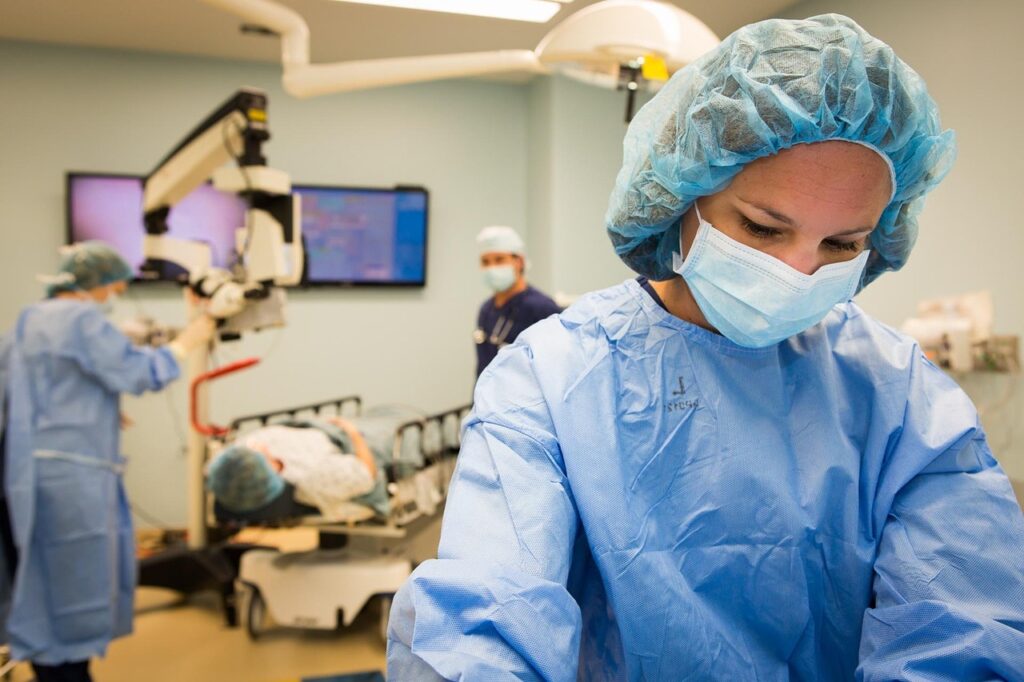
Understanding plastic surgery cost is one of the biggest factors people weigh before deciding to move forward with a procedure. Whether you are considering a facelift, liposuction, or a nose job, plastic surgery cost varies dramatically depending on the procedure, your surgeon, and where you live. There is no single “sticker price,” and any figure you see online is a starting point for a conversation, not a guarantee.
In this guide, we break down average prices for the most popular cosmetic and reconstructive procedures, explain what drives the price tag, and share practical, legitimate ways to reduce your out-of-pocket expense. Prices change over time and vary by procedure, region, and surgeon, so use these numbers as estimates and always request an itemized written quote. For a broader look at medical pricing, see our healthcare costs guide. This article is general information, not medical or financial advice.
Average Plastic Surgery Prices by Procedure
The American Society of Plastic Surgeons (ASPS) publishes national average fee data. It is important to read these correctly: the ASPS figures are surgeon (physician) fees only. As ASPS states on each procedure page, the average “does not include anesthesia, operating room facilities or other related expenses.” Once you add anesthesia, the facility or operating-room fee, lab work, garments, and follow-up care, the total you actually pay is typically 50-100% higher — sometimes more.
Below are recent ASPS national average surgeon fees, followed by wider ranges that reflect real-world variation by region and surgeon:
Facial procedures: Rhinoplasty carries an ASPS average surgeon fee of about $7,637, with total costs commonly landing anywhere from roughly $6,000 to $12,000 or more depending on complexity and location. A full facelift averages about $11,395 in surgeon fees, with all-in totals frequently reaching $15,000-$25,000. Blepharoplasty (eyelid surgery) generally runs about $3,000-$6,000 per area, and otoplasty (ear pinning) typically costs $3,000-$6,000. If you are specifically researching nose jobs, our rhinoplasty cost article dives deeper.
Body procedures: Liposuction carries an ASPS average surgeon fee of about $4,711 (per treatment; multiple areas cost more). A tummy tuck (abdominoplasty) averages about $8,174 in surgeon fees, with all-in totals often $10,000-$15,000. A Brazilian butt lift (BBL) commonly runs $8,000-$15,000 all-in and carries specific safety considerations you should discuss carefully with your surgeon. Arm lifts typically run $4,500-$9,000. For tummy tuck pricing details, see our tummy tuck cost breakdown.
Breast procedures: Breast augmentation with implants carries an ASPS average surgeon fee of about $4,875 (augmentation with fat grafting averages about $5,719); all-in totals commonly reach $6,000-$12,000 once implants, anesthesia, and facility fees are added. Breast reduction and breast lift procedures generally run $5,000-$10,000 all-in. For implant-specific pricing, read our breast implants cost guide.
Non-surgical treatments: Botox and other neuromodulators commonly cost $300-$700 per session depending on the number of units. Dermal fillers range from roughly $700-$1,500 per syringe. Chemical peels run $150-$3,000 depending on depth. Check our Botox cost article for a full breakdown. These figures move with demand and product pricing, so confirm current rates locally.
What Factors Influence the Price?
No two quotes will look the same, and that is by design. Several variables shift plastic surgery cost significantly, which is exactly why online averages can only take you so far.
Geographic location is one of the biggest drivers. Surgeons in New York City, Los Angeles, and Miami often charge substantially more than those in smaller metropolitan areas because of higher overhead and demand. The same procedure can differ by thousands of dollars from one metro to another.
Surgeon experience and board certification also matter. A surgeon certified by the American Board of Plastic Surgery with decades of experience will generally command higher fees than a newly credentialed provider. While cost matters, choosing a surgeon based solely on the lowest bid increases your risk of complications — and complications are expensive to correct.
Facility and anesthesia fees are often listed separately and can be significant. Procedures done in a hospital setting tend to cost more than those in an accredited outpatient surgical center. General anesthesia typically adds $1,000-$2,500, while local anesthesia with sedation may cost less. Procedure complexity and length — longer operations, combined procedures, and revision surgery — also raise the total.
Does Insurance Cover Plastic Surgery?
Purely cosmetic procedures — those performed to change appearance rather than to restore function — are generally not covered by health insurance. Reconstructive surgery, however, often qualifies. The distinction matters: if a procedure restores function or corrects a deformity caused by injury, disease, or a congenital condition, your insurer may cover part or all of the cost.
Common examples of covered reconstructive procedures include breast reconstruction after mastectomy — mandated by the Women’s Health and Cancer Rights Act (WHCRA), which requires plans that cover mastectomy to also cover reconstruction, surgery on the other breast for symmetry, prostheses, and treatment of complications — as well as rhinoplasty to correct a functional deviated septum and eyelid surgery that addresses documented vision obstruction.
Even when coverage applies, you will likely owe a deductible, copay, and potentially coinsurance. Always get pre-authorization and written confirmation from your insurer before scheduling surgery, because whether a given procedure is classified as reconstructive versus cosmetic is decided by your plan, not the surgeon’s office.
Can You Use an FSA or HSA?
This is a common point of confusion. Under IRS rules, expenses that are purely cosmetic are generally not eligible for reimbursement from a Flexible Spending Account (FSA) or Health Savings Account (HSA), and they are generally not tax-deductible. FSA/HSA dollars and the medical-expense deduction apply only to care that is medically necessary — for example, reconstructive surgery after an accident, disease, or congenital abnormality, or a procedure that treats a specific medical condition. If any portion of your care is medically necessary, ask your surgeon and plan administrator how it should be documented, and confirm eligibility against IRS Topic No. 502 before assuming a procedure qualifies.
Breaking Down the Total Bill
The surgeon’s fee is only one piece of the puzzle. A typical total bill includes several line items that can surprise patients who did not ask for a detailed estimate upfront. This is why an itemized, written quote is essential.
Expect to see charges for the operating room or facility rental ($1,000-$5,000+), anesthesia ($1,000-$2,500), pre-operative lab work and imaging ($200-$800), post-operative garments or surgical supplies ($100-$500), prescription medications, and follow-up visits (sometimes included in the surgeon’s fee). Ask specifically what happens if a revision or additional care is needed, and whether that would be billed separately.
For complex combined procedures like a full “mommy makeover” (tummy tuck plus breast surgery), the combined all-in total can reach $15,000-$30,000 or more once every fee is factored in.
How to Save on Plastic Surgery
Paying less does not have to mean settling for a less qualified surgeon. Several legitimate strategies can lower your plastic surgery cost without compromising safety.
Get multiple itemized quotes. Consult with at least three board-certified plastic surgeons and ask each for a written, line-by-line estimate. Prices vary widely even within the same city, and an itemized quote lets you compare like for like rather than being surprised later.
Consider a mid-sized market. Traveling to a metro area with lower overhead can save thousands, but weigh the logistics of follow-up care and any complications against the savings. Never let travel or price override surgeon qualifications and facility accreditation.
Ask about financing. Many practices offer payment plans through companies like CareCredit or Prosper Healthcare Lending. Some plans offer 0% interest for a promotional period if you have good credit. Read the fine print, because deferred-interest plans can charge retroactive interest if you miss a payment or do not pay the balance in full by the deadline.
Time your procedure strategically. Some practices offer promotions during slower months or bundle pricing when medically appropriate procedures are combined in a single session, sharing anesthesia and facility fees. Discuss whether combining is safe for your case.
Use reconstructive/medically necessary benefits where they apply. If part of your care is reconstructive, pursue insurance coverage and, where eligible, FSA/HSA reimbursement for that portion — but do not assume purely cosmetic work qualifies.
Risks of Choosing the Cheapest Option
Bargain-basement pricing should raise a red flag. The FDA and plastic surgery organizations warn consumers about unlicensed providers and unaccredited facilities that cut costs by skipping essential safety protocols.
Complications from poorly performed procedures can cost far more than the original surgery. Revision surgery — revision rhinoplasty, for example — is often more technically demanding and more expensive than the initial operation. Infections, scarring, and anesthesia-related injuries add medical bills, lost wages, and emotional distress. Whether you are even a good candidate for a given procedure, and how to do it safely, are clinical decisions that belong with a board-certified plastic surgeon.
Always verify your surgeon’s board certification through the American Board of Plastic Surgery and confirm the surgical facility is accredited.
Frequently Asked Questions
What is the most affordable plastic surgery procedure?
Non-surgical treatments like Botox and light chemical peels are the most affordable options. Among surgical procedures, ear pinning and eyelid surgery tend to have the lowest starting price points, typically around $3,000 in surgeon fees, though your total will be higher once other fees are added. Cost should never be the only factor — candidacy and safety come first.
Can I deduct plastic surgery costs on my taxes?
Cosmetic procedures are generally not tax-deductible and are generally not FSA/HSA-eligible. However, if a procedure is medically necessary — such as reconstructive surgery after an accident or disease — you may be able to deduct unreimbursed medical expenses that exceed 7.5% of your adjusted gross income, per IRS Topic 502. Confirm your specific situation with a tax professional.
How much should I budget for recovery costs?
Beyond the procedure itself, budget for prescription medications, compression garments, and potentially several weeks of lost income if your job is physically demanding. Many patients underestimate this portion of the total cost, so ask your surgeon what recovery typically involves.
Is it cheaper to combine multiple procedures?
Often yes, because you share anesthesia and facility fees across surgeries. However, longer operations carry higher surgical and anesthesia risks, so whether combining is appropriate for you is a decision to make with your surgeon — not a way to shop for a discount.
Are plastic surgery costs rising?
Prices have trended upward over the past decade, driven by demand, higher supply and staffing costs, and advanced techniques. Because averages shift year to year, treat any published figure as an estimate and confirm current pricing directly with the practice.
How do I get an accurate price for my situation?
Book consultations with board-certified plastic surgeons and request an itemized written quote that lists the surgeon’s fee, anesthesia, facility fee, and every other line item. That itemized quote — not an online average — is the only reliable way to know what you will actually pay.
Disclaimer: This article is for general informational purposes only and is not medical, financial, or tax advice. Prices are estimates that vary widely by procedure, geographic region, and individual surgeon, and published ASPS figures are surgeon fees only. Purely cosmetic surgery is generally not covered by insurance and generally not FSA/HSA-eligible; whether a procedure is reconstructive versus cosmetic is determined by your health plan. Whether you are a candidate for any procedure, and how to do it safely, are decisions for a board-certified plastic surgeon. Verify current pricing directly with the practice, get an itemized written quote, and confirm coverage with your insurer before scheduling.
The Bottom Line
Plastic surgery cost depends on far more than just the procedure name. Location, surgeon expertise, facility type, anesthesia, and complexity all play a role, and published averages capture only the surgeon’s fee. Popular procedures range from a few thousand dollars for minor surgeries to $15,000-$30,000 or more for complex body contouring once every fee is added. Always prioritize safety over savings, get multiple itemized quotes from board-certified surgeons, verify certification and facility accreditation, and route any question about candidacy or safety to a qualified plastic surgeon. A well-researched decision today can save you from costly revisions and complications down the road.
Sources
- American Society of Plastic Surgeons (ASPS) — national average surgeon/physician fees by procedure (rhinoplasty, facelift, breast augmentation, tummy tuck, liposuction); note that averages are surgeon fees only and exclude anesthesia, facility, and related expenses (plasticsurgery.org)
- American Board of Plastic Surgery — board certification verification (abplasticsurgery.org)
- Women’s Health and Cancer Rights Act (WHCRA), via the Centers for Medicare & Medicaid Services (cms.gov)
- Internal Revenue Service — Topic No. 502, Medical and Dental Expenses (irs.gov)
- U.S. Food & Drug Administration — consumer guidance on cosmetic and surgical procedures (fda.gov)