
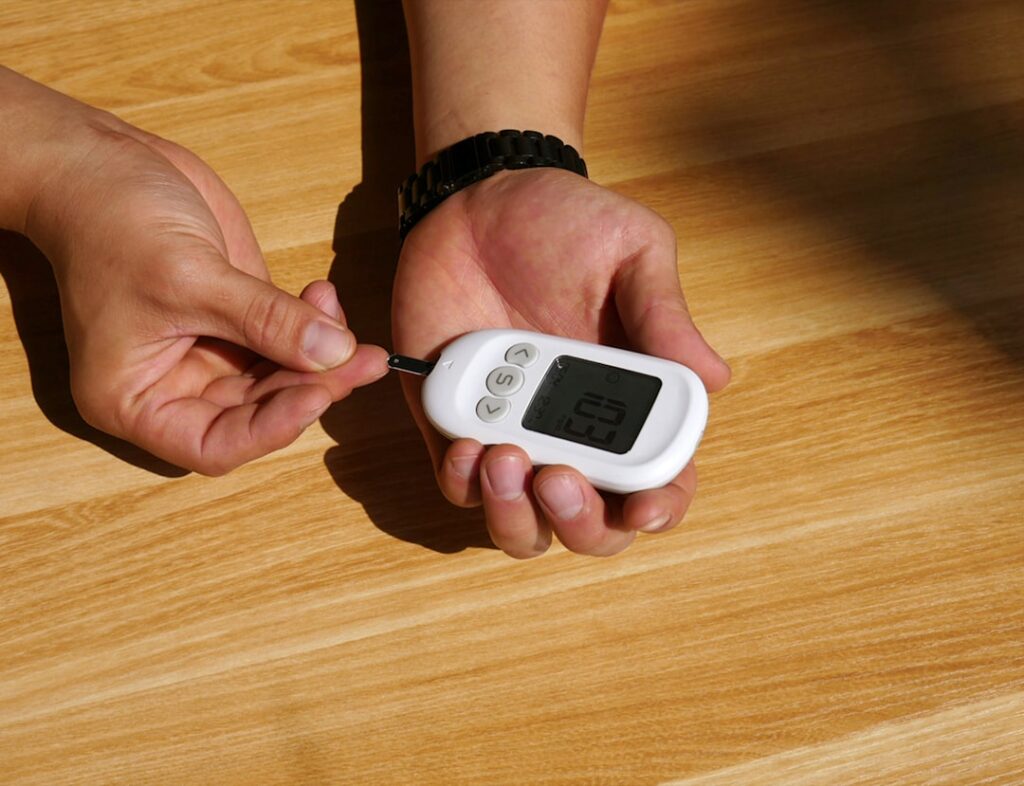
- The OGTT measures how your body handles a measured sugar drink over a set period, with timed blood draws.
- It's used to help assess for diabetes and prediabetes, and it's widely used to screen for gestational diabetes in pregnancy.
- You'll usually fast beforehand and stay for one or more blood draws after the drink; follow the exact prep instructions.
- Reference ranges and cutoffs vary by lab and by the specific protocol used; your report's range applies.
- Results are interpreted by a clinician alongside your history and other tests, not used to self-diagnose.
An oral glucose tolerance test (OGTT) checks how well your body processes sugar. After a measured glucose drink, your blood sugar is tested at set time points to see how it rises and falls. This guide explains what to expect, why the test is ordered — including its important role in pregnancy — and how results are generally interpreted. It is educational only and does not replace guidance from your own clinician.
What the test measures
The OGTT measures your blood glucose response over time. You drink a standardized sugary liquid, and blood samples are taken at intervals (for example, at baseline and one or two hours later). Because it captures how your body responds to a sugar load, the OGTT can reveal patterns that a single fasting glucose might miss. According to the American Diabetes Association (ADA) and NIDDK, it is one of several accepted ways to assess blood sugar regulation.
Why it may be ordered
A clinician might use an OGTT to help:
- Assess for diabetes or prediabetes when other results are borderline;
- Screen for gestational diabetes during pregnancy;
- Follow up on abnormal glucose readings;
- Evaluate blood sugar handling in specific clinical situations.
Use in pregnancy (gestational diabetes)
The OGTT is widely used to screen for and diagnose gestational diabetes — a form of high blood sugar that can develop during pregnancy. Protocols vary; some involve a screening drink followed by a longer test if needed. The CDC and ADA note that identifying gestational diabetes matters because it can be managed to support the health of both parent and baby. Your obstetric team will explain the exact protocol they use and when it is scheduled.
What to expect during the test
- Preparation: you’ll usually be asked to fast (often overnight) beforehand, though pregnancy screening protocols can differ. Follow the specific instructions you’re given.
- Baseline draw: a first blood sample may be taken before the drink.
- The drink: you consume a measured glucose solution within a short time.
- Timed draws: blood is drawn at set intervals afterward, so plan to stay at the facility.
Some people feel a little nauseated or lightheaded from the sweet drink; tell staff if you feel unwell.
Typical ranges (yours may differ)
OGTT cutoffs depend on the exact protocol (how much glucose, how many hours, and whether you’re pregnant) and on the laboratory. There is no single universal threshold, so the values below are only general illustrations.
| Category (illustrative only) | General note |
|---|---|
| Normal response | Blood sugar rises then returns toward baseline within expected limits |
| Impaired (prediabetes range) | Higher-than-expected values that fall short of a diabetes threshold |
| Diabetes range | Values at or above the diagnostic cutoff, confirmed per guidelines |
Important: reference ranges and cutoffs vary by lab and protocol, so the range printed on your own report is the one that applies. Diagnosis is not made from a single number viewed in isolation.
What results may suggest
Higher-than-expected glucose values may suggest impaired glucose handling, ranging from prediabetes to diabetes, or gestational diabetes in pregnancy. But a single result is interpreted by a clinician alongside your history, symptoms, and sometimes repeat or additional testing such as a C-peptide test or A1C. An OGTT result is not a cue to self-diagnose or to change any medication on your own. If you’re curious about diet, activity, or supplements discussed for blood sugar, raise them with your clinician or pharmacist, especially during pregnancy, since some products can affect blood sugar or interact with medication.
Frequently asked questions
How long does the OGTT take?
It depends on the protocol, but plan for one to a few hours because of the timed blood draws. Ask the facility what to expect.
Do I have to fast?
Many OGTT protocols involve fasting beforehand, but pregnancy screening steps can differ. Follow the exact instructions you receive.
Can I eat or drink during the test?
Usually you’ll be asked to avoid eating, smoking, and heavy activity during the waiting period. Water is often allowed — confirm with staff.
Is the glucose drink safe in pregnancy?
The screening is a standard part of prenatal care in many settings. Your obstetric team will advise you and answer concerns about the specific protocol.
What if I feel sick from the drink?
Tell the staff. Feeling briefly nauseated is common; they can advise whether the test needs to be paused or rescheduled.
Does one abnormal result mean I have diabetes?
Not necessarily. Diagnosis follows established guidelines and often involves confirmation. A clinician interprets your result in full context.
Making sense of your report
Because the OGTT can follow several different protocols, the first thing to check on your report is which one was used — how much glucose you drank, how many hours the test ran, and whether it was a pregnancy screen. Those details determine which cutoffs apply, so a value only means something next to the matching threshold on your own report. It also helps to remember that many everyday factors can nudge blood sugar, including illness, stress, activity, and some medications, which is one reason diagnosis usually rests on established criteria rather than a single reading. If your result is borderline, your clinician may repeat it or add another test. Useful questions to bring to the appointment include: what protocol was used, what do my values mean against its cutoffs, and do we need to confirm anything before drawing conclusions? For anyone tested in pregnancy, your obstetric team will explain what a result means for prenatal care.
This article is for general education and is not medical advice. Lab tests and their reference ranges vary by laboratory and must be interpreted by a qualified clinician in the context of your health. Do not use this page to diagnose a condition or to start, stop, or change any treatment. Talk to your doctor or a licensed clinician about your results.
Sources
- MedlinePlus — Glucose tolerance test
- American Diabetes Association (ADA) — standards for diabetes diagnosis and gestational diabetes
- NIDDK — diabetes tests and diagnosis
- CDC — gestational diabetes information
For more explainers, visit our wellness guide.