
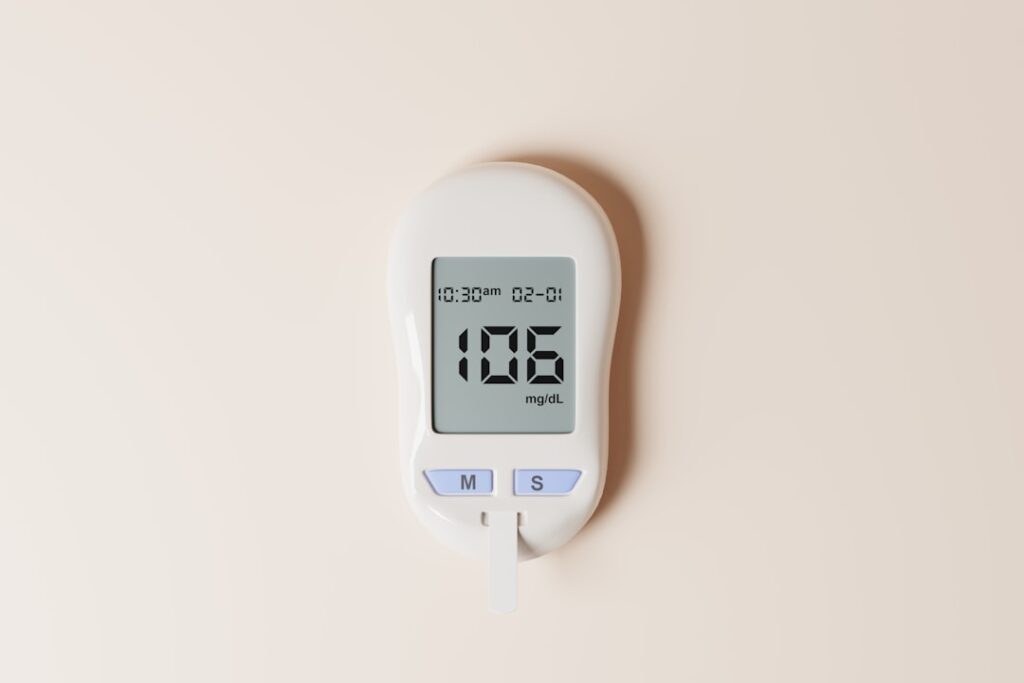
- No supplement is a proven treatment for diabetes, and none replaces prescribed medication, diet, or monitoring.
- Evidence for popular options like cinnamon, chromium, magnesium, and alpha-lipoic acid is mixed, small, or inconsistent.
- Combining supplements with diabetes medications can cause dangerously low blood sugar and other interactions.
- Doses studied are background information only; talk to your care team before adding anything.
- Managing diabetes well relies on lifestyle, medication when needed, and regular monitoring, not supplements.
Diabetes management can feel relentless, and the promise of a supplement that lowers blood sugar naturally is understandably appealing. But diabetes is a serious condition where the stakes are high, and the evidence for supplements is generally weak. Just as important, mixing supplements with diabetes medication can push blood sugar too low. This guide looks honestly at what the research shows and why supplements sit, at most, on the edges of good diabetes care.
Start with what works
The foundations of diabetes care are well established: a balanced eating pattern, regular physical activity, weight management when appropriate, not smoking, monitoring blood sugar, and taking prescribed medications such as metformin or insulin when they are needed. These have strong evidence for controlling blood sugar and reducing complications. Supplements are not part of this core, and no supplement has been shown to reliably control diabetes on its own. Think of any supplement as a possible minor add-on to discuss with your care team, never a substitute for treatment or monitoring.
Commonly discussed supplements and the evidence
Magnesium. Low magnesium is more common in people with type 2 diabetes, and some studies link better magnesium status to improved blood sugar measures. Whether supplements help in people who are not deficient is less clear, and the evidence is mixed.
Cinnamon. Cinnamon is heavily marketed for blood sugar, but trial results are inconsistent, and any effect appears small and unreliable. It is not a proven treatment.
Chromium. Chromium has been studied for glucose control with mixed results; benefits, when seen, are modest and not consistent across studies.
Alpha-lipoic acid (ALA). ALA has been studied mainly for diabetic nerve symptoms (neuropathy), where some evidence suggests it may help symptoms, though results vary and it does not cure the underlying condition.
For a broader framework on judging claims like these, see our wellness and supplement guides.
Doses studied in research
These figures describe what researchers used, not a recommendation for you. Because these can interact with diabetes medications, talk to your doctor or pharmacist first.
| Supplement | Typical focus in research | Notes |
|---|---|---|
| Magnesium | Glucose measures | Clearer relevance if deficient |
| Cinnamon | Blood sugar | Inconsistent, small effects |
| Chromium | Glucose control | Mixed evidence |
| Alpha-lipoic acid | Nerve symptoms | May ease symptoms; results vary |
Why the basics matter more than any pill
It is worth being blunt: the interventions that reliably improve blood sugar and reduce diabetes complications are not supplements. An eating pattern lower in refined carbohydrates and added sugars, regular physical activity (which improves how your body uses insulin), weight management when appropriate, adequate sleep, and taking prescribed medication as directed all have strong evidence behind them. Regular monitoring, whether with a glucose meter or a continuous monitor, plus periodic A1c testing, tells you and your clinician whether your plan is working. A supplement, at best, sits at the margins of this and should never crowd out the steps that actually protect your eyes, kidneys, nerves, and heart.
How to evaluate a supplement claim
Diabetes is a common target for aggressive marketing, so a little skepticism goes a long way. Be wary of any product promising to “reverse” diabetes, replace insulin, or deliver dramatic drops in blood sugar; those claims are red flags. Favor reputable brands with third-party testing, check for interactions with your medications, and, if you do try something, track your readings closely so you can catch any excessive drop in blood sugar early.
Safety & who should avoid it
Dietary supplements are not evaluated by the FDA and are not intended to diagnose, treat, cure, or prevent any disease. With diabetes, the biggest concern is combined blood-sugar lowering.
- Supplements that lower blood sugar, taken with insulin or other diabetes drugs, can cause hypoglycemia (dangerously low blood sugar). Watch for shakiness, sweating, confusion, and other symptoms.
- Some products marketed for “blood sugar support” have been found adulterated with hidden prescription drugs; buy cautiously and be skeptical of dramatic claims.
- Cinnamon supplements (cassia type) contain coumarin, which in large amounts may affect the liver.
- If you are pregnant, breastfeeding, have kidney disease, or take any medication, check with your care team before starting.
Because diabetes often comes with related cardiovascular risks, some readers also review supplements studied for cholesterol and supplements studied for blood pressure. The same rule applies: coordinate everything with your clinician.
Frequently asked questions
Can a supplement lower my blood sugar enough to skip medication? No. Effects are small and inconsistent, and stopping medication can be dangerous.
Does cinnamon really help diabetes? Evidence is mixed and any effect is small; it is not a reliable treatment.
Is alpha-lipoic acid useful for nerve pain? Some studies suggest it may ease diabetic nerve symptoms, but results vary and it should be discussed with your clinician.
Can supplements cause low blood sugar? Yes, especially combined with diabetes medications, which is a real safety risk.
Are “blood sugar support” products safe? Some have been found spiked with hidden drugs, so be cautious and prefer reputable brands.
What should I focus on instead? Diet, activity, weight management, prescribed medication, and regular monitoring have the strongest evidence.
This article is for general education and is not medical advice. Supplements and therapies affect people differently and can interact with medications or conditions. Talk to your doctor, pharmacist, or a licensed clinician before making changes to your health routine.
Sources
- NIH Office of Dietary Supplements — magnesium and chromium information
- National Center for Complementary and Integrative Health (NCCIH) — diabetes and dietary supplements research
- MedlinePlus — type 2 diabetes overview
- Mayo Clinic — patient guidance on diabetes management
- Cochrane — systematic reviews relevant to supplements and glucose control