
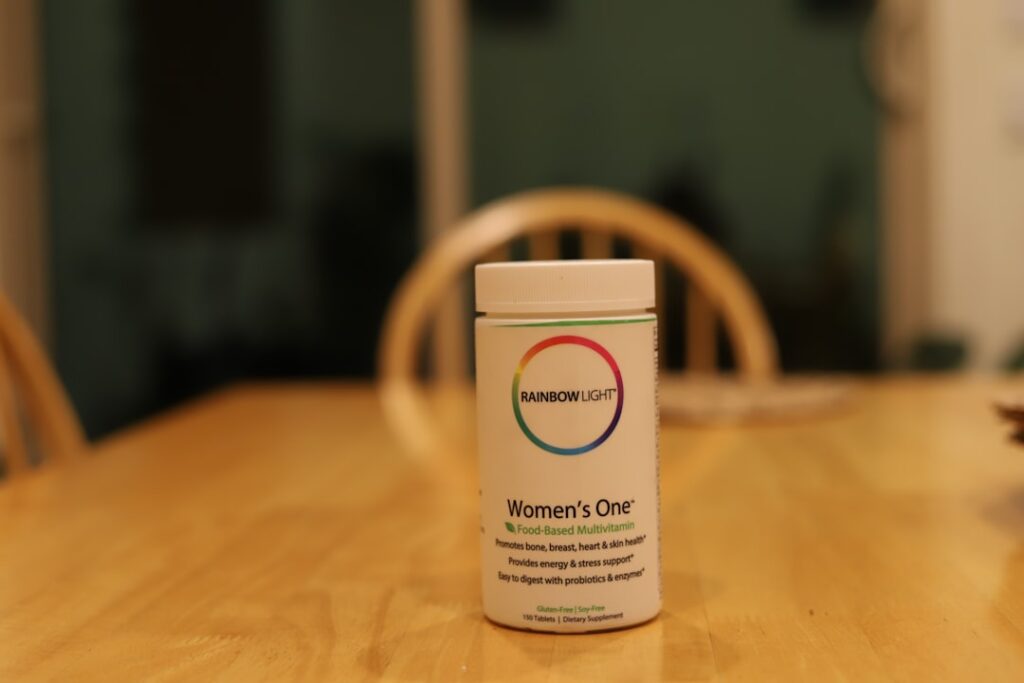
- Supplements are studied as possible add-ons for menopause symptoms, not as replacements for medical care or hormone therapy.
- Evidence for popular options like black cohosh and soy isoflavones is mixed, with modest effects at best.
- Vitamin D and calcium matter mainly for bone health, which becomes a bigger concern after menopause.
- Some botanicals interact with medications or are not advised in certain cancers; a clinician should weigh in.
- Supplements are not evaluated by the FDA to diagnose, treat, cure, or prevent disease; talk to your doctor first.
Menopause — the point twelve months after a person’s last period — and the transition leading up to it can bring hot flashes, night sweats, sleep problems, mood changes, and vaginal dryness. Many people prefer to try supplements before, or instead of, prescription options, and the shelves are full of products promising relief. The honest picture is that evidence for most menopause supplements is mixed and effects are usually modest. Here is a careful look at the options studied most and where the research actually stands.
Important framing: Supplements are studied as possible add-ons for symptom relief. They are not cures, they do not replace hormone therapy or other medical treatment, and severe or unusual symptoms deserve a clinician’s evaluation.
Black cohosh: popular but uncertain
Black cohosh is the most-marketed botanical for hot flashes. Some trials suggest modest relief, but Cochrane and NCCIH reviewers note the evidence is inconsistent, with many studies small or of limited quality, and results often no better than placebo. Rare reports of liver problems have also been raised, so anyone with liver disease should be especially cautious and speak with a clinician first.
Soy isoflavones and red clover
Soy isoflavones are plant compounds (phytoestrogens) that loosely resemble estrogen. Some studies suggest they may ease hot flashes slightly, though effects are modest and vary by product and by how a person’s gut metabolizes them. Red clover, another phytoestrogen source, has weaker and more mixed evidence. Because these act on estrogen pathways, people with a history of hormone-sensitive cancers should discuss them with an oncologist before use.
Vitamin D and calcium: the bone story
After menopause, falling estrogen accelerates bone loss and raises fracture risk, so vitamin D and calcium become genuinely important — not for hot flashes, but for the skeleton. The sensible approach is to meet needs mainly through diet, test vitamin D if there is concern, and supplement to fill real gaps rather than taking high doses on assumption. Our overview of supplements studied for bone health covers this in more detail.
Other options people ask about
- Omega-3 fatty acids. Studied for mood and heart markers; effects on hot flashes are unclear.
- Vitamin E. Some older studies suggest a very small reduction in hot flashes; benefit is minor at best.
- Magnesium. Sometimes tried for sleep and mood; evidence for menopause symptoms specifically is limited.
- Evening primrose oil and dong quai. Popular but poorly supported by controlled trials.
- Hair and skin changes are common in this stage; see our note on supplements studied for hair growth for realistic expectations.
Doses studied in research
These ranges reflect published studies, not advice for you. The right choice depends on your symptoms, history, and medications.
| Supplement | Range studied | Evidence signal |
|---|---|---|
| Black cohosh | ~20–40 mg/day of extract | Mixed; modest at best |
| Soy isoflavones | ~40–80 mg/day in trials | Modest, variable |
| Vitamin D | Guided by blood levels | For bone, if low |
| Vitamin E | ~400 IU/day in older studies | Very small effect |
| Omega-3 (EPA/DHA) | ~1–2 g/day in trials | Unclear for hot flashes |
Safety & who should avoid it
Most menopause supplements are well tolerated at studied doses, but real cautions apply:
- If you have or had a hormone-sensitive cancer (such as certain breast cancers), discuss phytoestrogens like soy and red clover with your oncologist first.
- Black cohosh has rare liver-injury reports; avoid it with liver disease and stop it if you notice yellowing skin, dark urine, or abdominal pain.
- If you take blood thinners, tamoxifen, or other prescriptions, several botanicals can interact; review the full list with your pharmacist.
- High-dose vitamin D or calcium can cause harm; dose to need, not to a bottle.
- Supplement quality varies, so choose reputable, ideally third-party-tested products.
If hot flashes, mood changes, or sleep problems are disrupting your life, prescription options including hormone therapy are effective for many people and worth discussing — a supplement should not delay care you would benefit from.
How to set realistic expectations
Menopause supplements are marketed with confident language the evidence does not support. A little skepticism helps: look for human trials rather than lab claims, avoid products that promise to “eliminate” hot flashes or “balance hormones,” and be wary of proprietary blends that hide amounts. Non-supplement steps — layered clothing, a cool sleep environment, regular exercise, limiting alcohol and caffeine triggers, and stress management — often help as much as any pill and carry no interaction risk. For broader context, see our wellness guide.
Frequently asked questions
What is the best supplement for hot flashes? There is no clear winner. Black cohosh and soy isoflavones are studied most, but effects are modest and inconsistent.
Are menopause supplements safer than hormone therapy? Not necessarily. “Natural” does not mean risk-free, and hormone therapy is well studied. Discuss the trade-offs with your clinician.
Can I take soy if I’ve had breast cancer? Talk to your oncologist first. Phytoestrogens act on estrogen pathways, and guidance depends on your specific history.
Do I need calcium and vitamin D supplements? Only to fill gaps. Meet needs through diet where possible and test vitamin D rather than guessing.
How long before a supplement might help? Trials often run several weeks to a few months, and many people notice little difference.
When should I see a doctor? For heavy or unusual bleeding, severe mood changes, or symptoms disrupting daily life, see a clinician rather than self-treating.
This article is for general education and is not medical advice. Supplements and therapies affect people differently and can interact with medications or conditions. Talk to your doctor, pharmacist, or a licensed clinician before making changes to your health routine.
Sources
- NIH Office of Dietary Supplements (ODS) — black cohosh, soy, vitamin D
- National Center for Complementary and Integrative Health (NCCIH) — menopausal symptoms and botanicals
- Cochrane — reviews of black cohosh and phytoestrogens
- Mayo Clinic — menopause symptoms and management
- MedlinePlus — menopause
Note: Dietary supplements are not evaluated by the U.S. Food and Drug Administration and are not intended to diagnose, treat, cure, or prevent any disease.