
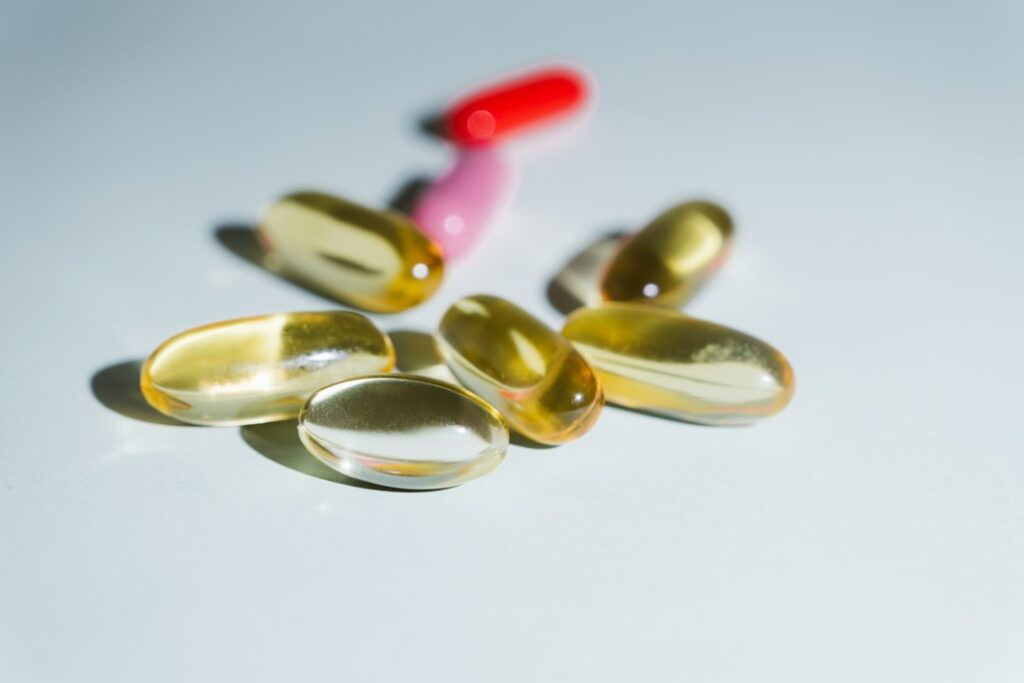
- Supplements support skin mostly by covering nutritional gaps; sun protection and skincare basics matter more.
- Collagen peptides have some encouraging small studies for skin hydration and elasticity, but evidence is early.
- Vitamin C, zinc, and omega-3s are needed for healthy skin, and benefit is greatest when you are low.
- Beware "clear skin" or "anti-aging" promises and proprietary blends that hide amounts.
- Supplements are not evaluated by the FDA to diagnose, treat, cure, or prevent disease; talk to your doctor first.
Skin supplements are one of the fastest-growing corners of the wellness market, with collagen powders, “beauty” gummies, and antioxidant blends promising a glow from within. Nutrition genuinely affects skin, and a few supplements have encouraging early research, but the marketing usually runs well ahead of the evidence. For most people, sun protection and basic skincare do more than any pill. Here is a careful look at what is studied and how to keep expectations realistic.
Important framing: Supplements are studied as possible add-ons, mostly to cover nutritional gaps. They are not cures for skin conditions, and persistent acne, rashes, or changing moles deserve a clinician’s evaluation.
Collagen peptides: promising but early
Collagen is the main structural protein in skin, and it declines with age. Several small randomized trials of oral collagen peptides have reported modest improvements in skin hydration and elasticity, which is more encouraging than many “beauty” ingredients. Still, the studies are often small, short, and sometimes industry-funded, so the evidence is best described as early and promising rather than settled. Your body also breaks collagen into amino acids during digestion, so any benefit is indirect.
Vitamin C and antioxidants
Vitamin C is required to make collagen and helps protect skin from oxidative stress, and a genuine deficiency harms skin healing. Getting enough — easily done through fruits and vegetables — supports skin, though megadoses beyond your needs are not shown to add benefit. Other antioxidants (vitamin E, polyphenols) are studied, but evidence for oral supplements improving skin appearance is limited.
Omega-3s, zinc, and biotin
- Omega-3 fatty acids. May support the skin barrier and calm inflammation; some studies look at eczema and inflammatory conditions, with mixed results.
- Zinc. Needed for skin repair and studied in acne, where correcting a deficiency may help; high doses carry their own risks.
- Biotin. Heavily marketed for “hair, skin, and nails,” but true deficiency is rare and evidence for benefit is weak — and biotin can distort lab tests, as covered in our note on supplements studied for hair growth.
Options studied in skin research
This reflects published studies, not advice for you. The right choice depends on your diet, skin concern, and medications.
| Option | Studied context | Evidence signal |
|---|---|---|
| Collagen peptides | Hydration, elasticity | Early, small trials |
| Vitamin C | Collagen synthesis, healing | Needed; best if low |
| Zinc | Acne, skin repair | Mainly if deficient |
| Omega-3 (EPA/DHA) | Barrier, inflammation | Mixed |
| Biotin | “Beauty” marketing | Weak; rarely needed |
Safety & who should avoid it
Most skin supplements are low-risk at studied doses, but real cautions apply:
- High-dose vitamin A and some “skin” blends can be toxic and are not advised in pregnancy; avoid stacking retinoid-like supplements.
- High-dose zinc can cause copper deficiency and stomach upset.
- Biotin can distort thyroid and heart lab tests; tell your clinician if you take it.
- Collagen and other products may contain allergens (fish, shellfish, egg); check the source if you have allergies.
- Supplement quality varies, so choose reputable, ideally third-party-tested products, and be skeptical of “detox” or “clear skin” promises.
Persistent or severe skin problems — cystic acne, worsening eczema or psoriasis, or a mole that is changing — deserve a dermatologist rather than self-treatment, since some need prescription care or urgent attention.
What helps skin most
The best-supported steps are not supplements: daily sun protection, not smoking, gentle skincare, adequate sleep, hydration, and an overall nutritious diet — the same fundamentals that support supplements studied for brain health and general wellbeing. A supplement may help fill a genuine nutritional gap, but it cannot outrun sun damage or replace evidence-based treatment for a skin condition.
It also helps to separate two questions: is your diet actually short on a skin-relevant nutrient, and is your concern a cosmetic goal or a medical condition? A varied diet with plenty of produce, protein, and healthy fats supplies most of what skin needs, which is why blood-test-guided correction of a real gap makes more sense than routinely stacking “beauty” products. For cosmetic aging, topical sunscreen and proven skincare ingredients have far stronger evidence than most oral supplements. For broader context, see our wellness guide.
Frequently asked questions
Do collagen supplements really work? Some small studies suggest modest improvements in hydration and elasticity, but the evidence is early and often industry-funded. Keep expectations realistic.
Is vitamin C better in a pill or on the skin? Oral vitamin C supports collagen production when your diet is short; topical vitamin C is a separate, well-studied skincare ingredient. They are not interchangeable.
Will supplements clear my acne? No supplement reliably clears acne. Zinc may help if you are deficient, but persistent acne is best evaluated by a clinician.
Is biotin good for skin? For most people it offers little benefit, true deficiency is rare, and it can distort important lab tests.
How long before I might see a change? Skin studies often run 8 to 12 weeks, and results vary; many people notice little difference.
When should I see a dermatologist? For severe or persistent acne, worsening rashes, or a changing mole, see a clinician rather than self-treating.
This article is for general education and is not medical advice. Supplements and therapies affect people differently and can interact with medications or conditions. Talk to your doctor, pharmacist, or a licensed clinician before making changes to your health routine.
Sources
- NIH Office of Dietary Supplements (ODS) — vitamin C, zinc, biotin
- National Center for Complementary and Integrative Health (NCCIH) — supplements and skin
- Cochrane — reviews related to supplements for skin conditions
- Mayo Clinic — skin care and acne
- MedlinePlus — vitamin C and zinc
Note: Dietary supplements are not evaluated by the U.S. Food and Drug Administration and are not intended to diagnose, treat, cure, or prevent any disease.