
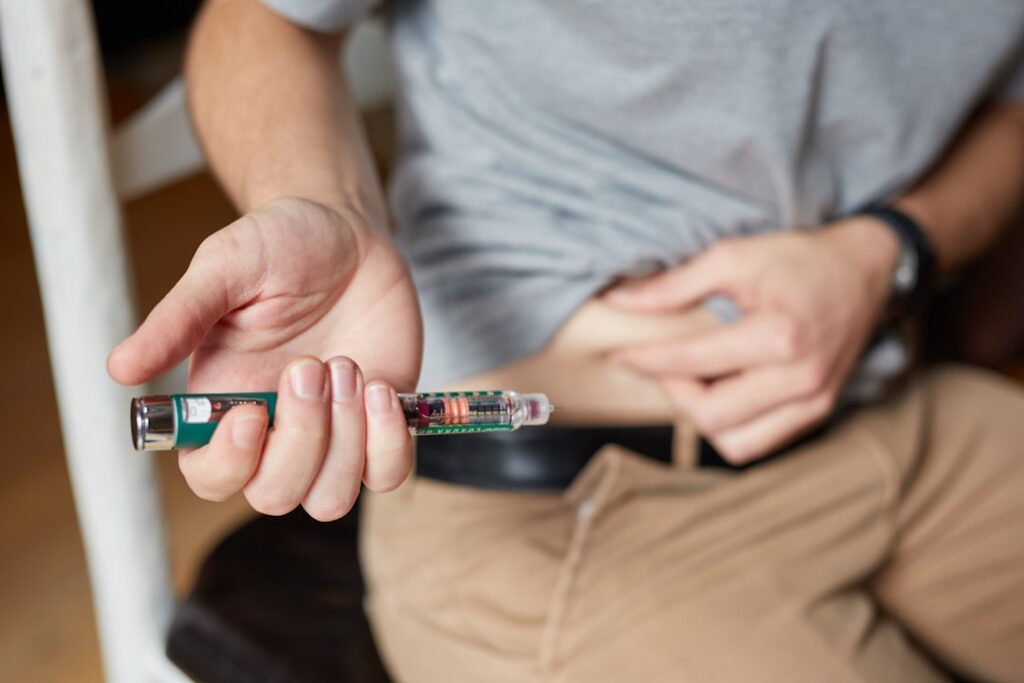
Mounjaro (tirzepatide) made headlines for producing weight-loss results in trials that surpassed older diabetes medications, but its side-effect profile has generated nearly as much conversation. As the first dual GIP/GLP-1 receptor agonist, Mounjaro works differently from other drugs in its class — and understanding Mounjaro side effects matters whether you take it for type 2 diabetes or use its weight-management counterpart, Zepbound. In clinical trials, a large share of participants reported at least one gastrointestinal (GI) side effect, though most were mild to moderate and temporary. This article is educational information, not medical advice; decisions about tirzepatide belong with your prescriber.
How Mounjaro Works Differently
Unlike pure GLP-1 receptor agonists such as Ozempic (semaglutide), Mounjaro activates both the GIP (glucose-dependent insulinotropic polypeptide) and GLP-1 receptors. This dual mechanism enhances insulin secretion, suppresses glucagon, slows gastric emptying, and reduces appetite through multiple pathways. The FDA approved tirzepatide for type 2 diabetes (as Mounjaro) in 2022 and for chronic weight management (as Zepbound) in 2023.
Mounjaro is started at a low dose and increased gradually over time, always under a prescriber’s direction, because side effects are closely tied to dose changes. The specific starting dose, the size of each step, and the timing are individualized by your prescriber — there is no one-size-fits-all schedule, and you should never copy a dose plan from another person or the internet. That gradual, supervised titration is what makes the medication more tolerable for most people.
Common Mounjaro Side Effects
Gastrointestinal symptoms dominate the Mounjaro side effects landscape. According to the FDA prescribing information, the most common adverse reactions (each affecting 5% or more of patients in trials) include:
- Nausea — the most common complaint, reported by roughly 12-18% of patients depending on dose; usually worst in the days after a dose increase
- Diarrhea — reported in approximately 12-17% of patients
- Decreased appetite — occurs in about 5-11%; this is both a side effect and part of how the drug works
- Vomiting — affects roughly 5-9% of users
- Constipation — reported in approximately 6-7%; some patients alternate between diarrhea and constipation
- Dyspepsia (indigestion) — affects approximately 5-8% of users
- Abdominal pain — occurs in about 5-6% of patients
- Injection-site reactions — redness, itching, or discomfort where the medication is injected
- Fatigue — reported by some users
The pattern is consistent: GI side effects tend to spike after each dose change and often settle within one to three weeks as the body adapts. Most patients find symptoms are most noticeable early and improve by the time they reach a stable maintenance dose. Still, tolerability varies from person to person.
Tips for Managing GI Symptoms
Eat smaller, more frequent meals rather than three large ones. Avoid greasy, fried, or very rich foods, which can worsen nausea. Stay upright for at least 30 minutes after eating. Stay well hydrated — dehydration from vomiting or diarrhea can worsen symptoms and stress your kidneys. If nausea is severe, talk with your prescriber; they may adjust the pace of your dose changes or recommend an anti-nausea approach. Do not change your dose on your own.
Serious Side Effects of Mounjaro
Thyroid C-Cell Tumors (Boxed Warning)
Mounjaro carries an FDA boxed warning — the agency’s most serious type of warning — about the risk of thyroid C-cell tumors, including medullary thyroid carcinoma (MTC). In animal studies, tirzepatide caused thyroid C-cell tumors in rats; whether this translates to humans is not known. Because of this risk, Mounjaro is contraindicated in anyone with a personal or family history of MTC or Multiple Endocrine Neoplasia syndrome type 2 (MEN 2). Tell your prescriber about your family history before starting. Report any new lump or swelling in the neck, hoarseness, trouble swallowing, or shortness of breath, as these can be symptoms of thyroid tumors.
Pancreatitis
Acute pancreatitis has been reported with tirzepatide and other drugs in this class. It is uncommon but serious and can be life-threatening. Symptoms include severe, persistent abdominal pain that may radiate to the back, with or without nausea and vomiting. Patients with a history of pancreatitis should discuss the risk with their prescriber. If severe abdominal pain develops, stop the drug and seek care; your clinician will decide whether to discontinue it.
Gallbladder Problems
Rapid weight loss — a common outcome on tirzepatide — increases the risk of gallstones (cholelithiasis) and gallbladder inflammation (cholecystitis). Symptoms include sudden, intense pain in the upper-right abdomen, especially after meals, along with nausea and sometimes fever. This risk applies broadly to any intervention that produces rapid, significant weight loss.
Acute Kidney Injury
Severe or prolonged nausea, vomiting, and diarrhea can lead to dehydration, and dehydration can cause acute kidney injury — particularly in people who already have kidney problems. Staying hydrated is important, and you should contact your clinician if you cannot keep fluids down. This is one reason the GI side effects above are not just uncomfortable but worth reporting when they are severe.
Hypoglycemia (Low Blood Sugar)
Tirzepatide by itself has a relatively low risk of hypoglycemia, but the risk rises significantly when it is combined with insulin or a sulfonylurea. If you take one of those medicines, your prescriber may need to lower its dose to reduce the chance of low blood sugar. Learn the warning signs — shakiness, sweating, confusion, rapid heartbeat — and how your care team wants you to respond.
Diabetic Retinopathy
People with type 2 diabetes who already have diabetic retinopathy should be monitored, because rapid improvements in blood sugar can be associated with temporary worsening of the eye condition. Tell your prescriber if you have a history of retinopathy so appropriate eye monitoring can be arranged.
Allergic Reactions
Serious hypersensitivity reactions, including anaphylaxis and angioedema, have been reported. Seek emergency care for difficulty breathing, swelling of the face, lips, tongue, or throat, or a severe rash, and stop the medication.
Severe GI Events
Beyond routine discomfort, some patients experience severe, persistent nausea, bloating, early fullness, and delayed stomach emptying. Rare reports of intestinal obstruction (ileus) have appeared in post-marketing surveillance. If you have persistent vomiting, an inability to eat or drink, or severe bloating with abdominal distension, seek medical evaluation.
When to seek emergency care: Call 911 or go to the nearest emergency room for severe abdominal pain that does not resolve, persistent vomiting with an inability to keep down fluids, signs of a severe allergic reaction (difficulty breathing, swelling of the face or throat), or symptoms that could suggest thyroid cancer (a new neck lump, persistent hoarseness).
Only Use Prescriber-Directed, Pharmacy-Dispensed Tirzepatide
Because of shortages and cost, some people have been tempted by “compounded tirzepatide,” online sellers, or products marketed outside a pharmacy. This is a real safety issue. Compounded, counterfeit, or non-pharmacy products may contain the wrong strength, unapproved salt forms, contaminants, or no active drug at all, and the FDA has warned about adverse events and dosing errors tied to such products. Use only tirzepatide prescribed by your clinician and dispensed by a licensed pharmacy, follow the titration your prescriber sets, and never adjust your dose based on someone else’s plan.
Drug Interactions
Mounjaro’s delayed gastric emptying can affect the absorption of oral medications, which is its most clinically relevant interaction:
- Oral contraceptives — per Eli Lilly’s labeling, absorption may be reduced around the time you start and change doses; discuss non-oral contraception or a backup method with your prescriber and follow their guidance.
- Insulin and sulfonylureas — hypoglycemia risk increases; your prescriber may reduce the dose of these medicines.
- Medications with narrow therapeutic windows — drugs such as warfarin, digoxin, and thyroid medications may have altered absorption; your clinician may monitor levels more closely.
- Other GLP-1 medicines — should not be combined with Mounjaro.
Patients also taking Jardiance or other SGLT2 inhibitors alongside Mounjaro should know that both classes can lower blood sugar through different mechanisms; this combination is increasingly common but requires close monitoring. For broader medication guidance, visit our medical conditions guide.
Mounjaro and Mental Health
Reports of mood changes, depression, and suicidal thoughts in patients taking GLP-1-type medicines prompted regulators, including the FDA and the European Medicines Agency, to review the signal. As of early 2026, large-scale reviews have not established a causal link or a statistically significant increase in psychiatric events versus placebo — but this is an evolving area, so verify current guidance. Patients with a history of depression or suicidal thoughts should discuss it with their prescriber and report any mood changes promptly.
When to Call Your Doctor
Reach out to your healthcare provider if you experience:
- Nausea or vomiting that prevents eating or drinking for more than 24 hours
- Abdominal pain that is severe or does not improve
- Signs of gallbladder problems — upper-right abdominal pain after meals, with fever
- Rapid or unexpected changes in blood sugar
- A new lump or swelling in the neck, hoarseness, or trouble swallowing
- Signs of dehydration — very dark urine, dizziness, rapid heartbeat
- Vision changes, if you have diabetic retinopathy
- Mood changes, persistent sadness, or thoughts of self-harm
- Injection-site reactions that spread, blister, or do not improve
Frequently Asked Questions
Do Mounjaro side effects get better over time?
For most people, yes. GI side effects are typically worst in the period right after starting or increasing the dose and tend to ease as the body adapts. Your prescriber controls the pace of dose changes, which is a key reason to follow their plan rather than rushing.
Is Mounjaro the same as Ozempic?
No. Mounjaro (tirzepatide) is a dual GIP/GLP-1 receptor agonist, while Ozempic (semaglutide) targets only the GLP-1 receptor. Side-effect profiles are broadly similar but not identical, and head-to-head data continue to be evaluated. Learn more about coverage in our guide on Medicare and Ozempic.
Can Mounjaro cause hair loss?
Some patients report hair thinning, which is more likely related to rapid weight loss than to the medication itself. Significant, rapid weight change can trigger telogen effluvium, a temporary increase in shedding. Adequate protein and nutrition during weight loss may help. Discuss persistent hair loss with your clinician.
What should I do if I miss a dose or think my dose is wrong?
Contact your prescriber or pharmacist. Do not double up or change your dose on your own, and do not use anyone else’s medication or a non-pharmacy product to make up a dose.
Practical Takeaways on Mounjaro Side Effects
GI symptoms are common early on with Mounjaro, but for most patients they are a temporary toll rather than a permanent fixture, especially with a slow, prescriber-directed dose increase, dietary adjustments, and good hydration. The serious risks — the thyroid C-cell boxed warning, pancreatitis, gallbladder disease, kidney injury from dehydration, hypoglycemia, and worsening diabetic retinopathy — are the ones to watch for and report early. Work closely with your prescriber, use only pharmacy-dispensed tirzepatide, never copy someone else’s dose, and report warning signs promptly.
TL;DR: Mounjaro (tirzepatide) most often causes GI side effects (nausea, vomiting, diarrhea, constipation) and injection-site reactions, usually worst after a dose change. It carries an FDA BOXED WARNING for thyroid C-cell tumors (MTC) and is contraindicated with a personal/family history of MTC or MEN 2. Serious risks include pancreatitis, gallbladder disease, dehydration-related kidney injury, hypoglycemia (mainly with insulin/sulfonylureas), and worsening diabetic retinopathy. Titration is always prescriber-directed — never copy a dose plan or use compounded/counterfeit products. Report a neck lump or severe abdominal pain right away.
Medical disclaimer: This article is independent, educational information and not medical advice, and FMHC is not affiliated with Eli Lilly. Do not start, stop, or change any prescription based on this article. Discuss risks, dosing, and monitoring with your prescriber and pharmacist, and verify current information with the FDA/DailyMed label.
Sources
- FDA / DailyMed — Mounjaro (tirzepatide) prescribing information (boxed warning, contraindications, warnings and precautions, common adverse reactions)
- MedlinePlus (U.S. National Library of Medicine) — Tirzepatide Injection
- Eli Lilly and Company — Mounjaro (tirzepatide) information and safety
- U.S. Food & Drug Administration — safety communications on GLP-1/compounded products