
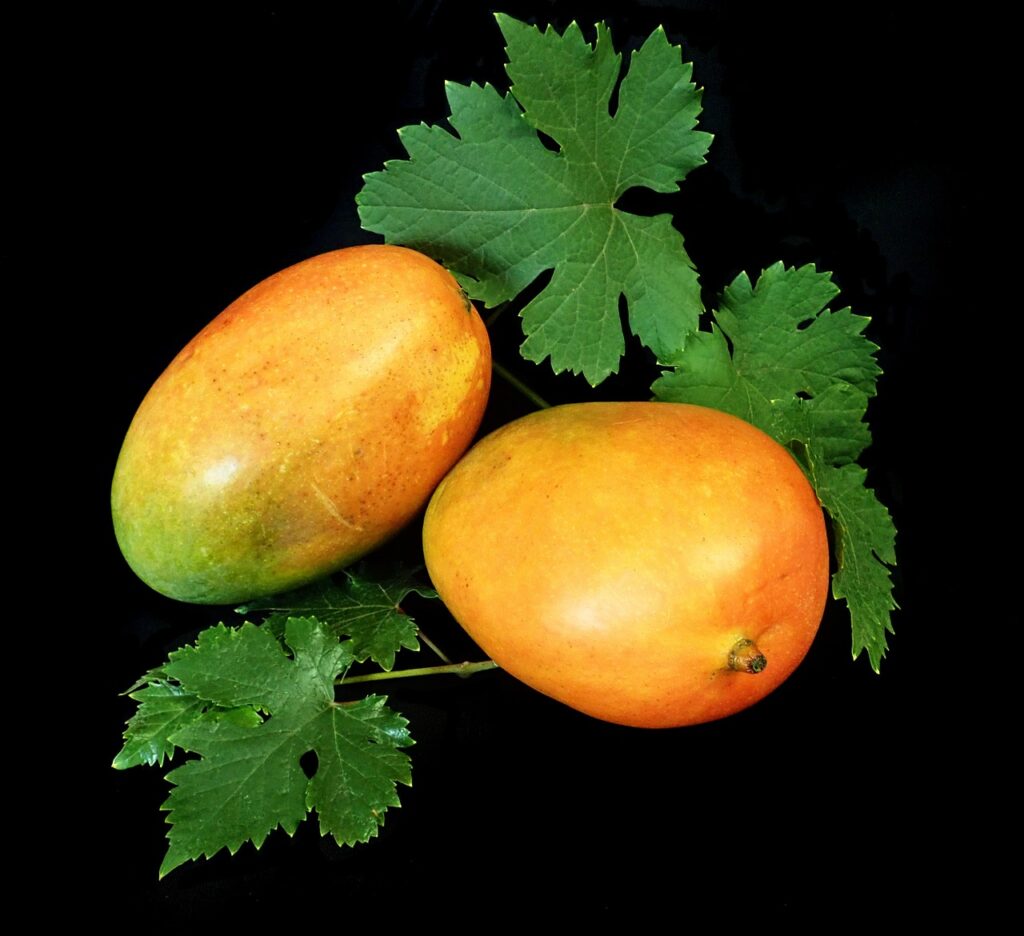
- One cup of fresh mango has about 99 calories, 2.6 g of fiber, and 22–23 g of natural sugar, plus roughly two-thirds of a day's vitamin C.
- The natural sugar in whole mango comes packaged with fiber, water, and polyphenols, so it behaves very differently from the added sugar in juice, candy, or soda.
- Mango is not off-limits for most people with diabetes — portion size and pairing it with protein or fat matter more than avoiding it, and targets are individual, so confirm yours with your clinician or dietitian.
- Mango skin and sap contain urushiol, the same irritant found in poison ivy, so people sensitive to poison ivy can react to the peel; the flesh rarely causes problems.
- Fresh or flash-frozen mango is the most nutrient-dense choice; dried mango and mango juice concentrate the sugar and are easy to overdo.
- Enjoy mango as part of a varied diet rather than singling out any one fruit as good or bad.
Mangoes are one of the most popular fruits on the planet, consumed by billions of people across more than 100 countries. Yet their natural sweetness raises a question that health-conscious eaters frequently ask: is mango healthy, or does the sugar content outweigh the benefits? One cup of sliced mango contains roughly 99 calories and about 22 to 23 grams of sugar, which sounds like a lot until you consider everything else packed into that serving. The answer, backed by nutrition science, is more encouraging than the sugar numbers alone might suggest. For more evidence-based food reviews, see our wellness guide. This article is general education, not medical or dietary advice.
Mango Nutrition Facts at a Glance
A one-cup serving (about 165 grams) of fresh mango provides an impressive nutrient profile. According to the USDA FoodData Central entry for raw mango, that serving delivers approximately 99 calories, 1.4 grams of protein, 0.6 grams of fat, about 25 grams of total carbohydrates, 2.6 grams of dietary fiber, and roughly 22 to 23 grams of natural sugars. Exact figures vary by variety and ripeness, so treat these as typical values and verify current numbers in the USDA database if you need precision.
Where mango truly stands out is in its vitamin and mineral content. A single cup provides roughly two-thirds of the Daily Value for vitamin C, close to 18% of your daily folate, about 10% of your vitamin A needs (largely from beta-carotene), around 10% of vitamin B6, and smaller amounts of vitamin E, vitamin K, copper, potassium, and magnesium. This micronutrient density is what separates mango’s natural sugar from the added sugars found in processed foods — you are getting a package of nutrients, water, and fiber alongside the sweetness, not empty calories.
The Sugar Question: Should You Be Concerned?
The 22 to 23 grams of sugar in a cup of mango makes it one of the higher-sugar fruits, falling between bananas (about 14 grams per medium banana) and grapes (about 23 grams per cup). However, the sugar in whole fruit behaves very differently in your body than added sugars in candy, soda, or baked goods.
Mango’s fiber, water content, and polyphenols slow the absorption of its natural sugars, blunting the rapid blood sugar spikes associated with processed sweets. Research published in Nutrition and Metabolic Insights reported that daily mango consumption did not negatively affect blood sugar levels in adults with obesity and was associated with lower fasting blood glucose after 12 weeks compared with baseline. This was a small study, so read it as encouraging rather than definitive, but it is consistent with the broader pattern that whole fruit is not the dietary villain refined sugar is.
For most healthy adults, the sugar in mango is not a concern when it is eaten as part of a balanced diet. A half-cup serving cuts the sugar to roughly 11 grams, which fits comfortably within most eating plans if you prefer a smaller portion.
Whole Mango vs Mango Juice and Dried Mango
The form matters as much as the fruit. When mango is juiced, most of the fiber is stripped away and the sugars become far easier to drink quickly, so a glass of mango juice can deliver the sugar of several mangoes with little of the fullness. Dried mango concentrates sugar by removing water, and many brands add extra sugar during processing. MedlinePlus encourages fresh fruit while advising people to limit sugary foods and canned or processed fruit with added sugar — a useful rule of thumb for everyone, not only people with diabetes. Whenever possible, reach for fresh or frozen whole mango over juice or heavily sweetened dried versions.
Proven Health Benefits of Mango
Immune System Support
Mango’s high vitamin C content makes it a genuine immune supporter. Vitamin C contributes to the normal function of immune cells, supports the skin’s barrier function, and acts as an antioxidant that protects cells from oxidative damage. One cup of mango provides more than two-thirds of your daily vitamin C needs, making it one of the richest tropical-fruit sources of this essential nutrient.
Digestive Health
Mangoes contain both fiber and digestive enzymes (amylases) that help break down complex carbohydrates. Research from Texas A&M University reported that mango consumption improved constipation symptoms more than an equivalent amount of fiber alone in a small trial, suggesting mango’s benefits for digestion may extend beyond fiber. As with any single small study, this is a promising signal rather than proof, but the fiber-and-water combination in whole mango is a reasonable, gentle support for regularity.
Skin and Eye Health
The beta-carotene and vitamin A in mango support healthy skin and vision. Beta-carotene is converted to vitamin A as the body needs it, and vitamin A helps maintain the integrity of mucous membranes and the surface of the eye. The vitamin C in mango further supports skin by contributing to normal collagen formation. If you are interested in optimizing skin health through nutrition, our guide on the best vitamins for skin covers this topic in depth. Food-first is the sensible approach; high-dose supplements are a separate decision to make with a clinician.
Antioxidant and Anti-Inflammatory Properties
Mangoes are rich in polyphenols, including mangiferin, quercetin, gallic acid, and various carotenoids. These compounds have shown anti-inflammatory and antioxidant activity in laboratory and animal studies. Mangiferin, a compound concentrated in mangoes and a handful of other plants, has drawn particular research interest. It is worth being clear-eyed here: much of this evidence is preclinical, so while mango is a nutritious, antioxidant-rich food, it is not a treatment for any disease.
Mango and Diabetes: Portion, Pairing, and Individual Targets
People with diabetes or prediabetes often assume mango is off the table, but that is usually unnecessary. Whole fruit is generally encouraged within a balanced eating plan; what matters most is the amount of carbohydrate and how it fits your day. MedlinePlus notes that carbohydrates are the foods that raise blood glucose, and that eating a consistent amount of carbohydrate at each meal — sometimes with carb counting — helps keep levels steady. A half-cup of mango contains roughly 12 grams of carbohydrate, a manageable portion for many people.
Two practical habits reduce the blood-sugar impact further: keep the portion modest, and pair mango with a source of protein or healthy fat (a spoon of yogurt, a small handful of nuts, or a piece of cheese) to slow absorption. Individual responses vary a great deal, and appropriate targets depend on your medications, other conditions, and blood-sugar readings — so mango is “not off-limits,” but the right portion for you is an individual decision best confirmed with your doctor or a registered dietitian. If you use a glucose meter or continuous glucose monitor, checking your own response is the most reliable guide.
How Mango Compares to Other Fruits
Compared with other popular fruits, mango is healthy and holds its own nutritionally. It provides considerably more vitamin C than apples, more provitamin A than most berries, and more folate than many other fruits. Its sugar content is higher than strawberries (about 7 grams per cup) or watermelon (about 9 grams per cup) but far lower than dried fruits like raisins (roughly 86 grams per cup).
If you are curious how other popular health foods stack up, our reviews of whether coconut water is healthy and whether Greek yogurt is healthy provide similar nutritional breakdowns. The best approach is variety, and mango earns a place in any well-rounded fruit rotation rather than being singled out as uniquely good or bad.
Best Ways to Include Mango in Your Diet
Fresh mango is the most nutrient-dense option. Choose fruit that gives slightly when pressed and has a fruity aroma at the stem end. Frozen mango chunks are a close second nutritionally and are convenient for smoothies. Dried mango is best treated as an occasional treat, since drying concentrates the sugar and many brands add more.
Mango pairs well with savory dishes too. Mango salsa with fish tacos, mango slices in a salad with arugula and feta, or mango chutney alongside grilled chicken all incorporate the fruit beyond desserts and smoothies. A serving of one cup of fresh mango — or half a cup for those keeping a closer eye on carbohydrates — is a reasonable guideline for most people.
Who Should Limit Mango, and the Allergy Note
While mango is nutritious for most people, a few groups should exercise moderation or caution. People with diabetes can still enjoy mango but should mind portion sizes and pair it with protein or healthy fat, as described above. Those following a strict low-carbohydrate or ketogenic diet may find that a full cup uses up a large share of a daily carb allowance; a half-cup (about 12.5 grams of carbohydrate) may be more workable.
There is also a real allergy consideration. Mango belongs to the same plant family as poison ivy, poison oak, and cashews, and the skin and sap of the fruit contain urushiol — the same oily irritant responsible for poison-ivy rashes. People who are sensitive to poison ivy can develop an itchy, blistering contact rash around the mouth or on the hands from handling or biting through the peel, even when the flesh itself is fine to eat. Peeling the mango before eating (and washing your hands afterward) prevents most of these skin reactions. Separately, some people experience oral allergy syndrome — itching or tingling of the lips and mouth — and, rarely, more serious allergic reactions. If you have had any allergic reaction to mango, cashews, or pistachios, talk with a clinician or allergist before eating it again.
Frequently Asked Questions
Is mango too high in sugar?
For most healthy adults, no. While mango contains about 22 to 23 grams of natural sugar per cup, that sugar is packaged with fiber, water, vitamins, and polyphenols that slow absorption and add nutritional value. Whole-fruit consumption, including higher-sugar fruits, is generally not associated with the harms linked to added sugar. Portion size still matters if you are managing blood sugar or calories.
Can you eat mango every day?
Yes, for most people. A cup of mango daily is safe and nutritious, and studies of daily mango consumption have not shown adverse effects on blood sugar or weight. Variety across your overall fruit intake is still ideal.
Is mango good for weight loss?
Mango can fit into a weight-management plan when eaten in sensible portions. At about 99 calories per cup with 2.6 grams of fiber, it offers sweetness and some satiety for relatively few calories. The key is portion control and treating mango as part of your calories rather than an add-on to high-calorie foods.
Is frozen mango as healthy as fresh?
Largely, yes. Frozen mango is typically flash-frozen soon after harvest, so it retains most of its nutrition. Vitamin C may be slightly lower than in fresh fruit, but fiber, minerals, and most other nutrients are well preserved. Frozen mango is a cost-effective, convenient choice, especially out of season.
Can people with diabetes eat mango?
Usually, yes, in a controlled portion. Whole fruit is generally part of a healthy diabetic eating plan. Keep the serving modest (a half-cup is a good starting point), pair it with protein or fat, and check how your own blood sugar responds. Because targets are individual, confirm the right approach with your doctor or a registered dietitian.
The Bottom Line
So, is mango healthy? For most people, yes. Despite its relatively high natural sugar content, mango delivers generous amounts of vitamin C, provitamin A, folate, fiber, and beneficial plant compounds that support immune function, digestion, and skin health. The sugar in whole mango is buffered by fiber and water and absorbed more slowly than the sugar in juice or sweets. Enjoy it fresh, frozen, or in savory dishes, keep portions sensible if you are watching carbohydrates, peel it if you are poison-ivy sensitive, and let the nutrition speak for itself.
This article is general nutrition education and is not medical or dietary advice. Individual needs differ based on your health conditions, medications, allergies, and blood-sugar targets. Talk with a qualified clinician or registered dietitian about what is right for you, and seek medical care for any allergic reaction.
Sources
- USDA FoodData Central — Mangos, raw (FDC ID 169910), nutrient profile (values vary by variety and ripeness; verify current data)
- MedlinePlus (U.S. National Library of Medicine) — Diabetic diet; guidance on carbohydrates, fruit, and added sugars
- Nutrition and Metabolic Insights — study of daily mango consumption and blood glucose in adults with obesity
- Texas A&M University research — mango consumption and constipation symptoms