
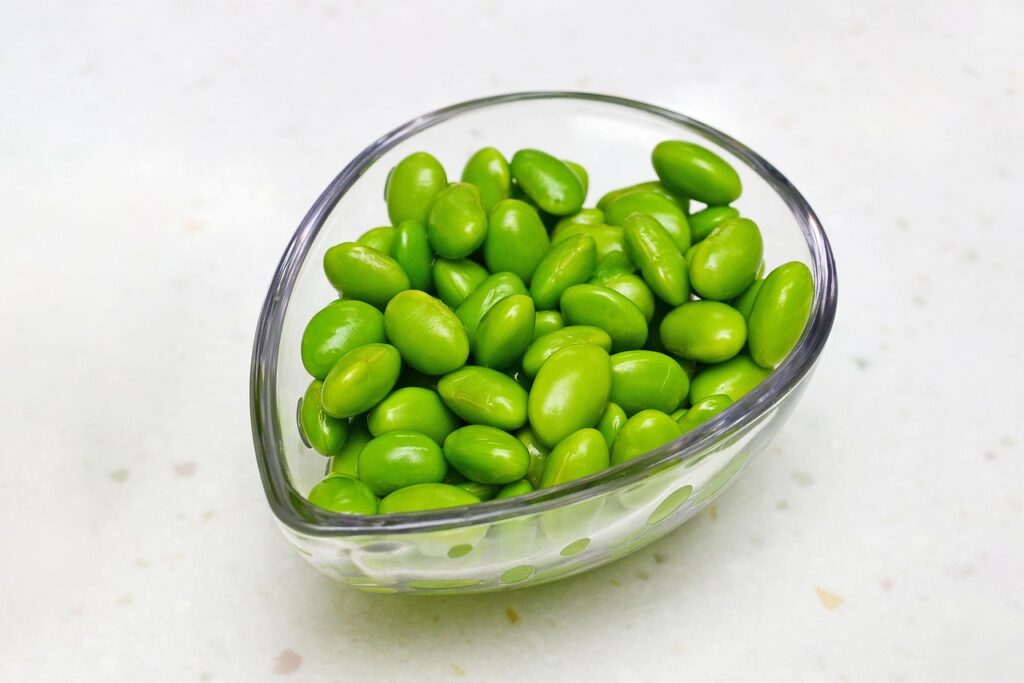
Is edamame healthy? For most people, the short answer is yes. Edamame — young soybeans harvested before they fully mature — is a nutrient-dense food that delivers an impressive combination of plant-based protein, fiber, vitamins, and minerals. Whether you enjoy it as a snack, an appetizer, or an ingredient in meals, edamame earns its reputation as a healthy addition to most diets. This article is general nutrition information, not personalized medical or dietary advice; for guidance tailored to your health, medications, and goals, talk with a clinician or a registered dietitian (RD).
Edamame has been a staple in East Asian cuisines for centuries and has gained widespread popularity in the United States as more people seek plant-based protein sources. But beyond its protein content, edamame offers a range of health benefits supported by scientific research — alongside a few practical cautions that are worth understanding rather than fearing.
Edamame Nutrition Facts
According to the USDA FoodData Central database, one cup (about 155 grams) of shelled, cooked edamame contains approximately:
Calories: 188. Protein: 18.4 grams. Total fat: 8 grams (mostly unsaturated). Carbohydrates: 13.8 grams. Dietary fiber: 8 grams. Sugars: 3.4 grams. Calcium: 98 mg (about 8% Daily Value). Iron: 3.5 mg (about 19% DV). Magnesium: 99 mg (about 24% DV). Phosphorus: 262 mg (about 21% DV). Potassium: 676 mg (about 14% DV). Folate: 482 mcg (about 121% DV). Vitamin K: 41.4 mcg (about 35% DV). Vitamin C: 9.5 mg (about 11% DV). Exact values vary by product and preparation, and added salt or sauces can change the sodium and calorie totals considerably.
Edamame is notably one of the few plant foods that provides a complete protein, meaning it contains all nine essential amino acids in adequate proportions. This makes it particularly valuable for vegetarians, vegans, and anyone looking to reduce their reliance on animal protein. Its combination of protein plus fiber is also what makes it so filling. For another protein-rich snack comparison, see our article on whether hummus is healthy, and for a look at another popular soy food, our guide to whether tofu is healthy.
Health Benefits of Edamame
Heart health: Soy protein, including that found in edamame, has been associated with modest reductions in LDL (“bad”) cholesterol. A 2019 meta-analysis published in the Journal of the American Heart Association found that consuming about 25 grams of soy protein daily was associated with roughly a 3% to 4% reduction in LDL cholesterol. The FDA has maintained an authorized (if qualified) health claim that soy protein, as part of a diet low in saturated fat and cholesterol, may reduce the risk of heart disease. The effect is modest, so treat soy as one helpful part of an overall heart-healthy pattern rather than a standalone fix.
Blood sugar management: Edamame has a low glycemic index and is high in both fiber and protein, which help slow the absorption of sugar into the bloodstream. Some studies suggest that incorporating soy foods into the diet may support glycemic control in people with type 2 diabetes, though results vary and soy is not a treatment for diabetes. The roughly 8 grams of fiber per cup also contribute to better blood sugar regulation and digestive health.
Bone health: Edamame provides calcium, magnesium, and vitamin K, all of which play roles in bone metabolism. Soy isoflavones — plant compounds with weak estrogen-like activity — have been studied for their potential to support bone density, particularly in postmenopausal women. Reviews have found moderate but not definitive evidence that soy isoflavones may help preserve bone mineral density; the findings are promising rather than conclusive.
Overall diet quality: Because edamame is minimally processed and rich in nutrients relative to its calories, swapping it in for more processed, salty, or sugary snacks tends to improve overall diet quality. That substitution effect is often where the real benefit lies.
Edamame and Soy Concerns: What the Evidence Actually Says
Despite its nutritional profile, soy foods like edamame have been the subject of persistent myths. Here is what the current evidence says about the most common concerns.
Breast cancer — addressing the old myth: The long-repeated claim that “soy causes breast cancer” is not supported by human evidence. That worry originated largely in high-dose rodent studies that do not translate to the way people eat whole soy foods. In humans, large population studies have generally found that moderate soy consumption is not harmful and may be neutral or even slightly protective. The American Cancer Society states that soy foods are safe to eat and that eating soy does not increase the risk of breast cancer — including for breast cancer survivors. If you have a personal or strong family history of a hormone-sensitive cancer, it is still reasonable to discuss your individual diet with your oncologist, but there is no good evidence that everyday edamame is dangerous.
Hormonal effects: Edamame contains isoflavones (genistein and daidzein), phytoestrogens that can weakly bind to estrogen receptors. Some people worry this could disrupt hormone balance. However, the NIH and major medical organizations have generally concluded that moderate soy consumption (roughly one to two servings per day) does not meaningfully alter estrogen levels, thyroid function in healthy people, or testosterone levels in men. Analyses of soy isoflavone intake have not found significant effects on male reproductive hormones.
GMO concerns: The majority of soybeans grown in the United States are genetically modified. If you prefer to avoid GMOs, look for edamame labeled organic or Non-GMO Project Verified. From a nutritional standpoint, U.S. regulators consider approved GMO and non-GMO soybeans nutritionally equivalent; this is a personal preference issue rather than a demonstrated safety issue.
Potential Downsides and Cautions
Soy allergy: Soy is one of the major food allergens recognized by the FDA. If you have a soy allergy, avoid edamame and all soy products. Symptoms can range from mild (hives, itching) to severe (anaphylaxis). Soy allergy is more common in children but can persist into adulthood. If you have ever had a serious reaction, carry any prescribed emergency medication and follow your allergist’s plan.
Digestive issues: Edamame contains oligosaccharides, a type of carbohydrate that can cause gas and bloating in some people, particularly those not accustomed to high-fiber foods. Introducing edamame gradually and drinking plenty of water can help minimize discomfort.
Thyroid medication (levothyroxine) — a timing issue, not a reason to avoid soy: Soy can interfere with the absorption of levothyroxine, the common thyroid-hormone medication. This is a minor, manageable caution: the American Thyroid Association advises taking levothyroxine on an empty stomach and separating it in time from soy and other foods and supplements, and keeping your soy intake reasonably consistent rather than wildly variable. Do not change your medication, your dose, or your diet on your own — ask the clinician who manages your thyroid how best to time things. For people with normal thyroid function, moderate soy intake does not appear to harm thyroid health.
Healthier Ways to Enjoy Edamame
Edamame is versatile and easy to prepare. The simplest method is to boil or steam the pods for three to five minutes, then sprinkle lightly with salt (go easy if you are watching sodium). For a more flavorful snack, toss shelled edamame with garlic, sesame oil, and a pinch of red pepper flakes.
Add shelled edamame to grain bowls, stir-fries, salads, and soups for a protein boost. Blend cooked edamame with garlic, lemon juice, tahini, and olive oil for a high-protein edamame dip that works as a nutritious alternative to hummus. Roasted edamame (tossed in a little olive oil and baked at about 375°F for 30 to 40 minutes) makes a crunchy, portable snack.
Frozen edamame is just as nutritious as fresh and is available year-round. It cooks in minutes and can be kept on hand for quick meals. Aim to limit edamame products with added sugars, excessive sodium, or artificial flavors, which can undercut the benefits of this naturally nutritious food.
Frequently Asked Questions
How much edamame can I eat per day?
One to two servings per day (roughly one to two cups of shelled edamame) is generally considered a moderate, healthy amount for most adults, in line with the common recommendation of a few servings of soy foods daily. There is no need to overthink it — variety across your whole diet matters more than any single food. If you have a specific medical condition, ask an RD what fits your plan.
Is edamame good for weight loss?
It can support weight management. Edamame is high in protein and fiber, both of which promote satiety and help control appetite. At about 188 calories per cup with roughly 18 grams of protein, it is a filling choice that generally beats highly processed snack foods. No single food causes weight loss on its own; overall calorie balance and eating pattern are what matter.
Can children eat edamame?
Edamame is generally safe and nutritious for children who do not have a soy allergy. For young children, shelled edamame is the safer option to reduce choking risk from the pods. Introduce soy foods gradually and watch for any signs of an allergic reaction, especially if food allergies run in the family. When in doubt, check with your pediatrician.
Is frozen edamame as healthy as fresh?
Yes. Frozen edamame is flash-frozen shortly after harvest, which preserves most of its nutritional value. In some cases, frozen edamame may retain more nutrients than fresh edamame that has been stored for several days. Both fresh and frozen are excellent choices.
Does edamame really cause hormone problems?
For most people, no. Moderate intake of whole soy foods like edamame has not been shown to meaningfully disrupt hormones in men or women in human studies. The main genuine cautions are a soy allergy and timing around levothyroxine — not a general hormone risk.
The Verdict on Edamame
Is edamame healthy? For most people, yes. It is a complete protein, an excellent source of fiber, and rich in folate and several minerals. The scientific evidence supports soy foods as part of a balanced diet, with potential benefits for heart health, blood sugar management, and bone density — and the old fear that soy causes breast cancer is not supported by the human evidence. Unless you have a soy allergy or a specific medical situation (such as taking levothyroxine, where timing matters), edamame is a nutritious addition to your meals and snacks. Because this is general information and not personalized advice, talk with a clinician or registered dietitian about how soy fits your individual needs. For more nutrition guidance, visit our wellness guide.
Edamame is a nutrient-dense whole soy food: about 18 g of complete protein and 8 g of fiber per cooked cup, plus folate and minerals. Moderate soy intake is safe for most people — the “soy causes breast cancer” claim is not supported by human evidence, and major cancer groups consider soy foods safe. Watch for a true soy allergy, possible gas or bloating, and the need to separate soy from levothyroxine (ask the clinician who manages your thyroid). This is general nutrition education, not personalized medical or dietary advice; a clinician or registered dietitian can tailor soy intake to you.
Sources
- USDA FoodData Central — edamame, cooked (nutrient values)
- American Cancer Society — soy foods and breast cancer risk
- National Cancer Institute / NIH Office of Dietary Supplements — soy isoflavones
- American Thyroid Association — soy foods and levothyroxine absorption
- U.S. Food and Drug Administration — major food allergens; qualified soy protein heart-health claim
- Journal of the American Heart Association (2019) — soy protein and LDL cholesterol meta-analysis
Nutrition figures and study findings can change; verify current details with the sources above or a registered dietitian.