
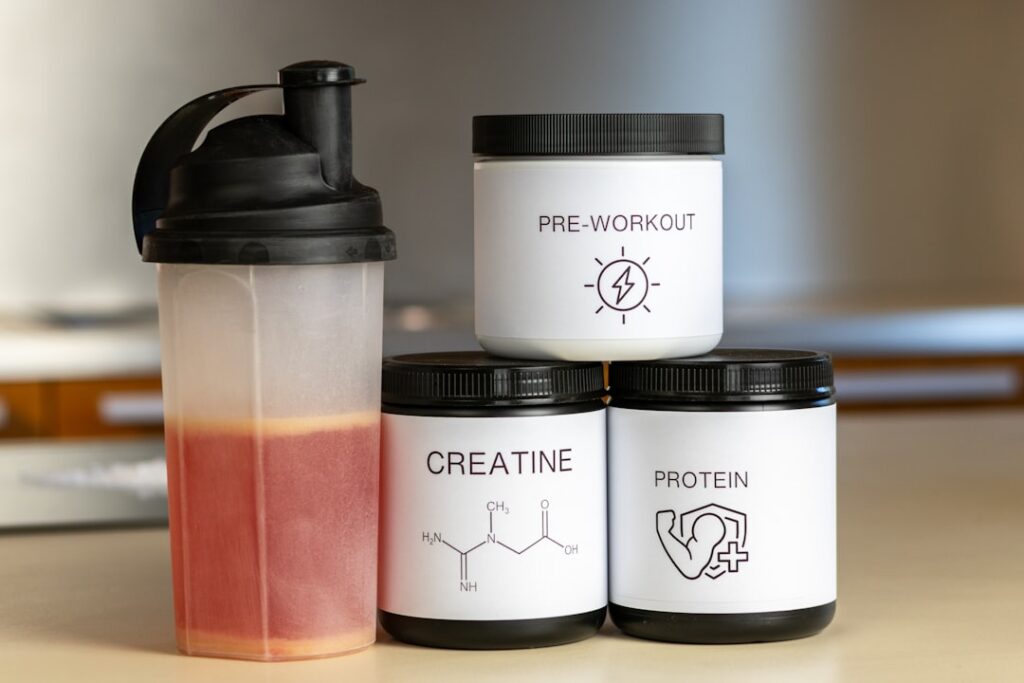
- Creatine monohydrate is among the most-studied sports supplements, and in healthy adults research has generally not shown harm to the kidneys.
- Common concerns such as dehydration, cramping, and hair loss are not well supported by the current evidence, though data are limited.
- People with kidney disease, other medical conditions, or who are pregnant or breastfeeding should talk to a clinician before using it.
- Supplements are not FDA-approved for safety and effectiveness the way drugs are, and product quality varies.
- Creatine is not a substitute for medical care, and this article is educational, not a recommendation to start it.
Creatine is one of the most popular and most heavily researched dietary supplements, especially among people who lift weights or do high-intensity exercise. It also attracts a lot of questions about safety: Is it hard on the kidneys? Does it cause dehydration or hair loss? This article reviews what the available evidence suggests, using cautious language, and explains why a conversation with your own clinician matters before you decide anything.
Creatine is a compound your body makes and that you also get from foods like meat and fish. It helps supply quick energy to muscles. The most-studied form sold as a supplement is creatine monohydrate.
What the evidence generally shows
According to the NIH Office of Dietary Supplements, creatine monohydrate has been studied extensively for exercise performance, and short-term use in healthy adults has generally been well tolerated in research settings. That is a meaningful body of evidence compared with many supplements. Even so, “generally well tolerated in studies” is not the same as “risk-free for everyone,” and long-term data in some populations remain limited. Individual responses vary, and supplements are not evaluated by the FDA the way medications are.
Common safety concerns, examined
Kidney function
A frequent worry is that creatine damages the kidneys. In people with healthy kidneys, controlled studies have generally not shown harm to kidney function. One source of confusion is that creatine can raise blood creatinine, a lab value often used to estimate kidney function, without that necessarily reflecting kidney damage. If you have kidney disease, reduced kidney function, or risk factors, this is exactly the situation to discuss with a clinician before considering creatine.
Hydration and cramping
Some people worry creatine causes dehydration or muscle cramps. Current evidence does not strongly support these concerns, and some studies suggest creatine does not increase cramping. Sensible hydration remains reasonable during exercise regardless.
Hair loss
The idea that creatine causes hair loss traces largely to a single small study reporting a change in a hormone marker, not actual hair loss. Broader evidence to confirm a hair-loss effect is lacking. The honest summary is that data are limited and no firm conclusion can be drawn.
Weight and water retention
Creatine can cause a modest increase in body water within muscle, which may show up as a small, early weight gain. This is generally considered a benign effect rather than a health risk, though it matters to people in weight-sensitive sports.
| Concern | What research suggests | Bottom line |
|---|---|---|
| Kidney damage (healthy adults) | Generally no harm shown in studies | Discuss first if you have kidney issues |
| Dehydration / cramps | Not well supported by evidence | Stay hydrated as usual |
| Hair loss | Based on one small study; unconfirmed | Evidence is limited |
| Water weight | Small early increase possible | Usually considered benign |
Doses studied in research
For context only, research on creatine monohydrate has commonly examined a short “loading” approach followed by a smaller daily maintenance amount, or a steady lower daily amount without loading. We are deliberately not giving you numbers to follow here, because the right choice, if any, depends on your health, medications, and goals. Talk to your doctor or pharmacist before starting, and choose products from reputable manufacturers, ideally third-party tested, since supplement quality and labeling accuracy can vary.
Safety and who should avoid it
Creatine may not be appropriate for everyone. People who should be especially cautious and speak with a clinician first include those with kidney disease or reduced kidney function, other significant medical conditions, or anyone taking medications that affect the kidneys. There is limited safety data in pregnancy and breastfeeding, so those groups should not use it without medical advice. Creatine has not been well studied in children and adolescents for general supplementation, another reason to involve a clinician. As a dietary supplement, creatine is not evaluated by the FDA and is not intended to diagnose, treat, cure, or prevent any disease.
Putting it in perspective
Interest in creatine has expanded beyond athletes, including questions about cognition and healthy aging. Some early research explores these areas, but the evidence is preliminary and does not support health claims. If you are curious about that broader landscape, see our overview of supplements studied for brain health and of supplements marketed for energy, and browse more evidence-based topics in our wellness guide hub. Whatever you read, the safest path is to bring your specific situation to a clinician.
Frequently asked questions
Is creatine bad for your kidneys? In healthy adults, studies have generally not shown kidney harm. If you have kidney disease or risk factors, talk to a clinician before using it.
Does creatine cause hair loss? The concern comes from one small study measuring a hormone marker, not hair loss itself. Broader evidence is lacking, so no firm conclusion can be made.
Will creatine dehydrate me or cause cramps? Current evidence does not strongly support these worries. Normal hydration during exercise is still sensible.
Why did my weight go up on creatine? Creatine can draw a small amount of water into muscle, which may show as a modest early weight gain that is usually considered benign.
Is creatine safe during pregnancy? Safety data in pregnancy and breastfeeding are limited, so it should not be used without medical advice.
Is it safe for teenagers? General supplementation in adolescents has not been well studied. A clinician should be involved in that decision.
This article is for general education and is not medical advice. Supplements and therapies affect people differently and can interact with medications or conditions. Talk to your doctor, pharmacist, or a licensed clinician before making changes to your health routine.
Sources
- NIH Office of Dietary Supplements — Dietary Supplements for Exercise and Athletic Performance
- National Center for Complementary and Integrative Health (NCCIH)
- Mayo Clinic — Creatine
- MedlinePlus — Creatine
- U.S. Food and Drug Administration — Dietary Supplements