
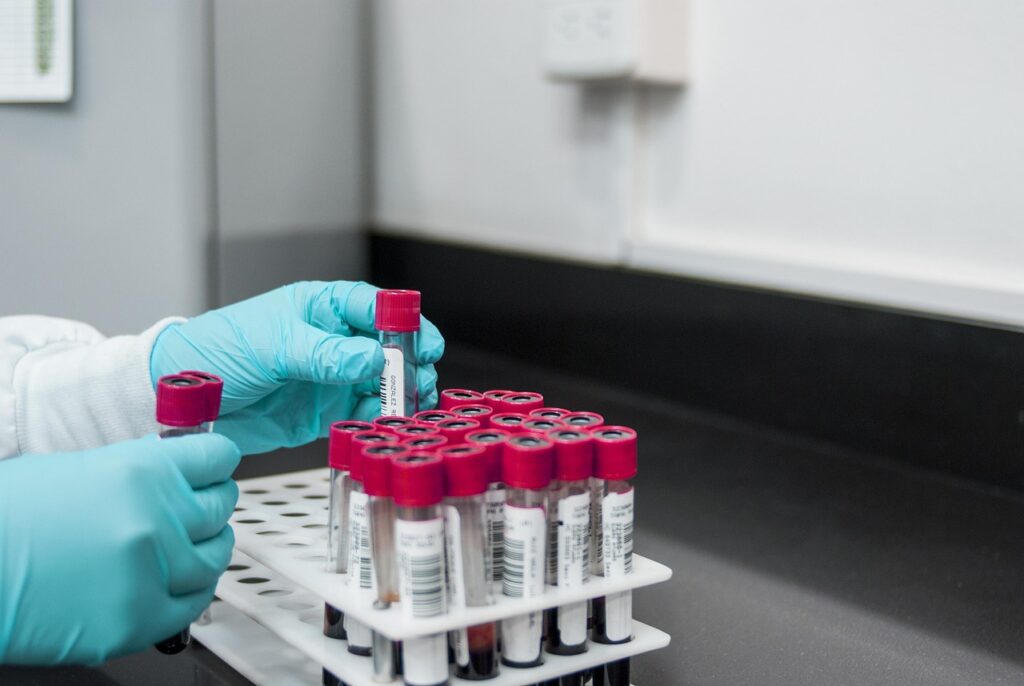
- Iron studies often include serum iron, TIBC, transferrin saturation, and usually ferritin.
- TIBC reflects the blood's capacity to carry iron via transferrin.
- High TIBC with low iron can suggest iron deficiency; patterns vary and need context.
- Reference ranges and units vary by lab; read results against your lab's ranges.
- Iron levels fluctuate with time of day, meals, and supplements.
- Only a clinician can interpret iron studies alongside your symptoms and history.
“Iron studies” is a group of blood tests that help clinicians evaluate how much iron is in your blood and how well your body is storing and transporting it. Two central parts are serum iron and TIBC (total iron-binding capacity), often reported alongside transferrin saturation and ferritin. This guide explains what each measures and what patterns may suggest. It is educational only and not a substitute for your clinician’s interpretation.
What these tests measure
Iron in your blood is carried by a protein called transferrin. The related tests look at iron from different angles:
- Serum iron — the amount of iron circulating in your blood at the moment of the draw.
- TIBC — the blood’s total capacity to bind iron, which largely reflects how much transferrin is available.
- Transferrin saturation — the percentage of transferrin that is actually carrying iron (serum iron relative to TIBC).
- Ferritin — a marker of stored iron; often the most useful single test for iron stores, though it can rise with inflammation.
Together, these give a fuller picture than any one value alone.
Typical ranges and units (they vary)
Reference ranges depend on the laboratory, the analyzer, your age, and sex, so there is no single universal number. Always compare your result to the reference range printed on your own report. The table below shows what each measure reflects and how it may shift in common patterns — as general education, not a diagnosis.
| Test | What it reflects | Iron deficiency (typical pattern) |
|---|---|---|
| Serum iron | Circulating iron right now | Often low |
| TIBC | Iron-carrying capacity (transferrin) | Often high |
| Transferrin saturation | % of transferrin carrying iron | Often low |
| Ferritin | Stored iron | Often low |
What the patterns may suggest
Clinicians read these tests as a set. In classic iron deficiency, serum iron and transferrin saturation tend to be low while TIBC is high (the body makes more transferrin to grab available iron). In iron overload conditions such as hemochromatosis, transferrin saturation and ferritin may be high while TIBC is low. Inflammation, chronic disease, liver conditions, and recent iron intake can all shift these numbers, sometimes producing mixed patterns. This is why the results are interpreted together and in the context of your history and symptoms — not from a single value.
Things that can affect results
Iron levels naturally fluctuate through the day and can be influenced by recent meals, iron supplements or multivitamins, and menstrual cycles. Because of this, clinicians may ask you to have blood drawn at a particular time (often morning) or to hold iron supplements beforehand. According to the NIH Office of Dietary Supplements, both too little and too much iron can cause problems, which is one reason self-treating with iron supplements without testing and medical guidance is discouraged.
Why iron studies are ordered together
Each iron test answers a slightly different question, so clinicians usually order several at once and read them as a group. Serum iron alone can be misleading because it shifts through the day and after meals; TIBC and transferrin saturation add context about capacity and demand; and ferritin gives a window into stored iron. A complete blood count (CBC) is often ordered alongside, because the size and color of red blood cells offer additional clues about whether anemia is present and what type it might be. Seeing these results together helps a clinician distinguish iron deficiency from other causes of fatigue or anemia, such as chronic disease or vitamin deficiencies, which may need different management.
Getting tested and next steps
Iron studies are a routine blood draw, often ordered when someone has symptoms such as fatigue, or when a complete blood count suggests anemia. If you are concerned about low iron, the right step is to get tested and review the results with a clinician rather than starting supplements on your own — excess iron can be harmful, and the cause of low iron sometimes needs investigation. For related reading, see our CK-MB test explainer and our wellness guide hub.
Frequently asked questions
What does a high TIBC mean?
A high TIBC often accompanies iron deficiency, because the body increases transferrin to capture available iron. It must be read with the other iron values and your history.
Is ferritin the same as iron?
No. Ferritin reflects stored iron, while serum iron reflects circulating iron at that moment. Ferritin can also rise with inflammation, so context matters.
Do I need to fast for iron studies?
Some clinicians prefer a morning, fasting draw and holding iron supplements first. Follow the specific instructions you are given.
Can supplements change my results?
Yes. Recent iron supplements or iron-rich meals can raise serum iron. Tell the lab and your clinician what you are taking.
What is a normal transferrin saturation?
Ranges vary by lab and person. Read the reference range on your report and discuss it with your clinician rather than comparing to a single online figure.
Should I start iron supplements if my iron is low?
Not without medical guidance. The cause of low iron matters, and too much iron can be harmful. Talk to your doctor or pharmacist first.
This article is for general education and is not medical advice. Supplements and therapies affect people differently and can interact with medications or conditions. Talk to your doctor, pharmacist, or a licensed clinician before making changes to your health routine.
Sources
- MedlinePlus — iron tests, TIBC, and transferrin
- Mayo Clinic — iron deficiency anemia and iron studies
- NIH Office of Dietary Supplements — iron fact sheet
- Cleveland Clinic — iron studies and transferrin saturation