
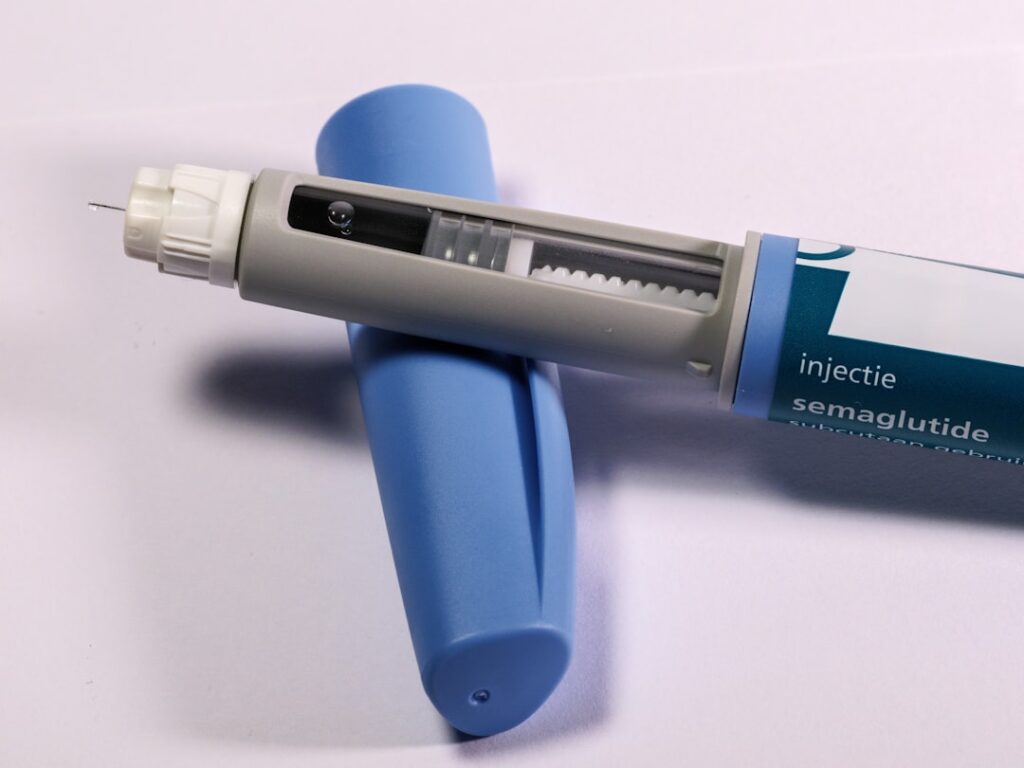
Ozempic (semaglutide) has become one of the most talked-about prescription medications in the United States, with prescriptions rising sharply since 2020. Before the timeline, one crucial clarification: Ozempic is FDA-approved to treat type 2 diabetes (and to reduce the risk of major cardiovascular events in adults with type 2 diabetes and known heart disease). It is not FDA-approved for weight loss. The FDA-approved brand of semaglutide for chronic weight management is Wegovy, which uses a higher maximum dose. When Ozempic is used purely for weight loss, that is an off-label use directed by a prescriber. With that framing in mind, if your doctor recently started you on semaglutide, the question at the top of your mind is probably how long does Ozempic take to work. The short answer: appetite changes often begin within the first one to two weeks, but meaningful weight loss develops gradually over several months. This guide walks through the realistic timeline. For more health information, see our medical conditions guide. It is educational only and is not medical advice.
Important Safety Information Before You Read the Timeline
- Boxed warning — thyroid C-cell tumors. In rodent studies, semaglutide caused thyroid C-cell tumors. It is contraindicated in people with a personal or family history of medullary thyroid carcinoma (MTC) or Multiple Endocrine Neoplasia syndrome type 2 (MEN 2). Tell your prescriber if either runs in your family.
- Pancreatitis. Severe, persistent abdominal pain (sometimes radiating to the back), with or without vomiting, can signal inflammation of the pancreas. Stop the medication and seek medical care promptly.
- Other risks include nausea and vomiting that can lead to dehydration and kidney strain, gallbladder problems, low blood sugar when combined with insulin or sulfonylureas, and possible worsening of diabetic eye disease. It is not recommended in pregnancy.
- Prescription-only and prescriber-directed. This article does not provide dosing, titration, or how-to-inject instructions. Follow only the plan your prescriber and pharmacist give you.
How Ozempic Works
Ozempic is a GLP-1 receptor agonist, meaning it mimics a natural hormone called glucagon-like peptide-1 that your body produces after eating. According to FDA prescribing information, semaglutide works through several mechanisms: it slows gastric emptying (food stays in your stomach longer), reduces appetite by acting on hunger centers in the brain, improves the body’s insulin response after meals, and reduces glucagon production.
The combined effect is that many people feel full sooner, stay full longer, and experience fewer cravings. This is why patients often describe semaglutide as “turning down the volume” on food thoughts. Understanding these mechanisms helps explain why certain effects appear quickly while others develop gradually over months.
What the Weight-Loss Timeline Actually Looks Like
Because the dose is increased slowly under a prescriber’s direction, the effects unfold in stages rather than all at once. The description below is a general pattern seen in clinical studies, not a dosing schedule and not a target for you to follow on your own.
The first few weeks: early appetite changes
Semaglutide is always started at a low introductory dose to minimize gastrointestinal side effects. At this stage, some people notice reduced appetite within the first week or two, while others feel little change. This early period is primarily about letting your body adjust; it is not designed to produce significant weight loss. Many people report eating smaller portions because they feel full faster, less interest in snacking between meals, and mild nausea, especially after large or fatty meals. Weight change in this window is typically small.
The following months: appetite suppression builds
As the prescriber gradually increases the dose over time, appetite suppression tends to become more noticeable. According to the STEP clinical trial data published in the New England Journal of Medicine (studies that used the higher-dose semaglutide marketed as Wegovy for weight management), appetite reduction and a steady downward weight trend become evident over the first months, and many people begin to see visible changes in how their clothing fits.
Months and beyond: gradual, cumulative loss
With continued treatment at a maintenance dose chosen by the prescriber, weight loss tends to continue gradually before plateauing. In the landmark STEP 1 trial, which used semaglutide 2.4 mg (the Wegovy dose), participants lost an average of roughly 15 percent of body weight over about 68 weeks when combined with lifestyle changes. Results with Ozempic used off-label for weight loss vary, in part because its maximum approved dose is lower than Wegovy’s. The rate of loss slows over time as the body reaches a new equilibrium, and most people reach their maximum loss somewhere over the course of a year or more.
The key takeaway is that this is a gradual process measured in months, not days, and the pace is set by the prescriber’s titration and by how you respond, not by pushing the dose faster on your own.
How Long Ozempic Takes to Work for Blood Sugar
For type 2 diabetes, which is Ozempic’s core FDA-approved indication, blood sugar improvements generally begin faster than weight loss. According to the Mayo Clinic and FDA labeling, fasting blood glucose may begin improving within the first weeks of treatment.
HbA1c, the roughly three-month average of blood sugar levels, typically shows a meaningful reduction by around the 12-week mark. The SUSTAIN trials demonstrated clinically significant average HbA1c reductions over their study periods, depending on the dose. Many clinicians recheck HbA1c at about three months to assess initial response and decide on next steps with the patient.
Why Some People Respond Faster Than Others
Individual response to semaglutide varies considerably. Several factors influence your personal timeline.
Starting weight and metabolic health: People with higher starting BMIs and more insulin resistance sometimes see faster early changes. People closer to a normal weight may see slower but still meaningful results.
Diet and exercise: Semaglutide is not a standalone solution. Clinical trials paired it with lifestyle modifications, including a reduced-calorie diet and regular physical activity (commonly about 150 minutes per week). People who actively modify their diet and activity habits tend to see better results than those relying on the medication alone.
Dose and how you tolerate it: Because the dose is increased slowly to limit side effects, reaching a maintenance dose takes time. Your prescriber balances effectiveness against tolerability and adjusts the plan to you; this is not something to accelerate on your own.
GI side effects: Nausea is the most common side effect. While unpleasant, mild nausea can coincide with reduced food intake. Severe nausea or vomiting that prevents adequate nutrition or hydration is a reason to contact your prescriber. For more on managing side effects, see our article on Ozempic side effects.
Genetics and other medications: Emerging research suggests genetic differences may influence response, and certain other medications or medical conditions can affect weight. Discuss the full picture with your prescriber.
What to Expect If You Stop Taking Ozempic
Research from the STEP 1 trial extension published in Diabetes, Obesity and Metabolism showed that participants who stopped semaglutide regained a large portion of the weight they had lost within about a year of discontinuation, and appetite and cravings returned within weeks of stopping.
This has important implications for how you think about the medication. For many people, GLP-1 therapy is a long-term or indefinite treatment rather than a short course. Stopping without establishing sustainable lifestyle habits often leads to significant weight regain. Any decision to start, continue, pause, or stop should be made with your prescriber.
Setting Realistic Expectations
Not everyone loses dramatic amounts of weight. Clinical-trial averages include people who lost very little and people who lost a great deal. The Cleveland Clinic notes that a response of at least 5 percent body weight loss within the first several months is often used as a reasonable benchmark. If you have not reached a benchmark like that, your prescriber may reassess the plan, consider whether the FDA-approved weight-management option (Wegovy) is appropriate, or evaluate other contributing factors. Any change is a decision for you and your prescriber, not a self-directed adjustment.
It is also normal for weight loss to stall temporarily. Plateaus lasting a few weeks are common and do not necessarily mean the medication has stopped working. They often resolve with continued patience, dietary adjustments, or increased physical activity.
Frequently Asked Questions
Is Ozempic the same as the weight-loss drug?
Ozempic and Wegovy both contain the same active ingredient, semaglutide, but they are approved for different uses. Ozempic is approved to treat type 2 diabetes (and to lower cardiovascular risk in certain patients); Wegovy is the brand FDA-approved for chronic weight management and reaches a higher maximum dose. Using Ozempic solely for weight loss is an off-label use directed by a prescriber.
Can you feel Ozempic working right away?
Many people notice reduced appetite and a sensation of fullness within the first one to two weeks. Some describe feeling less interested in food or having their usual cravings fade. Visible weight change on the scale usually takes longer and develops gradually as treatment continues under a prescriber’s direction.
Why is my weight loss slow or stalled?
Semaglutide works gradually, and plateaus are common. Diet (especially liquid calories and high-calorie snacks), activity level, other medications, and underlying conditions such as hypothyroidism can all play a role. If you have concerns about your response, discuss them with your prescriber rather than adjusting your regimen yourself.
Is Ozempic or Wegovy better for weight loss?
For weight loss specifically, Wegovy (semaglutide 2.4 mg) is the FDA-approved option and reaches a higher maximum dose, and trials show substantial average weight loss with it. Availability, insurance coverage, and cost differ between the two products and change over time. The right choice is a clinical decision to make with your prescriber.
How much does it cost?
Pricing and insurance coverage for semaglutide vary widely and change frequently, and coverage for off-label weight-loss use is often limited. Check current pricing with your pharmacy, your insurer, and the manufacturer’s savings information, and discuss options with your prescriber.
The Bottom Line
How long does Ozempic take to work follows a fairly predictable pattern for most people: appetite changes within one to two weeks, and gradually building weight loss over months as the prescriber slowly adjusts the dose. Blood-sugar effects, for the diabetes indication, tend to appear sooner. Remember the essentials: Ozempic is diabetes-approved and used off-label for weight loss, while Wegovy is the FDA-approved semaglutide for weight management; the medication carries a boxed warning for thyroid tumors and other real risks; and it works best alongside diet and activity. Keep dosing decisions with your prescriber, watch for warning signs like severe abdominal pain, and treat this as one tool within a comprehensive, clinician-guided plan.
Quick Recap
Ozempic (semaglutide) is FDA-approved for type 2 diabetes and cardiovascular-risk reduction; the FDA-approved semaglutide brand for weight loss is Wegovy, so weight-loss use of Ozempic is off-label. Expect appetite changes in the first couple of weeks and gradual weight loss over months, with the dose increased slowly by your prescriber. Take the boxed thyroid-tumor warning, pancreatitis risk, and pregnancy caution seriously, and verify current pricing and coverage, which change often.
This article is for general information only and is not medical advice or a dosing guide. Semaglutide is prescription-only. Talk to your own prescriber before starting, changing, or stopping any medication, and seek prompt care for severe abdominal pain or other concerning symptoms.
Sources
- U.S. Food & Drug Administration (FDA) — Ozempic and Wegovy prescribing information (semaglutide), via DailyMed
- Mayo Clinic — Semaglutide (subcutaneous route)
- Cleveland Clinic — Semaglutide / GLP-1 medication guidance
- STEP program (New England Journal of Medicine) — Semaglutide clinical trial data and STEP 1 extension
- NIH / MedlinePlus — Semaglutide injection