
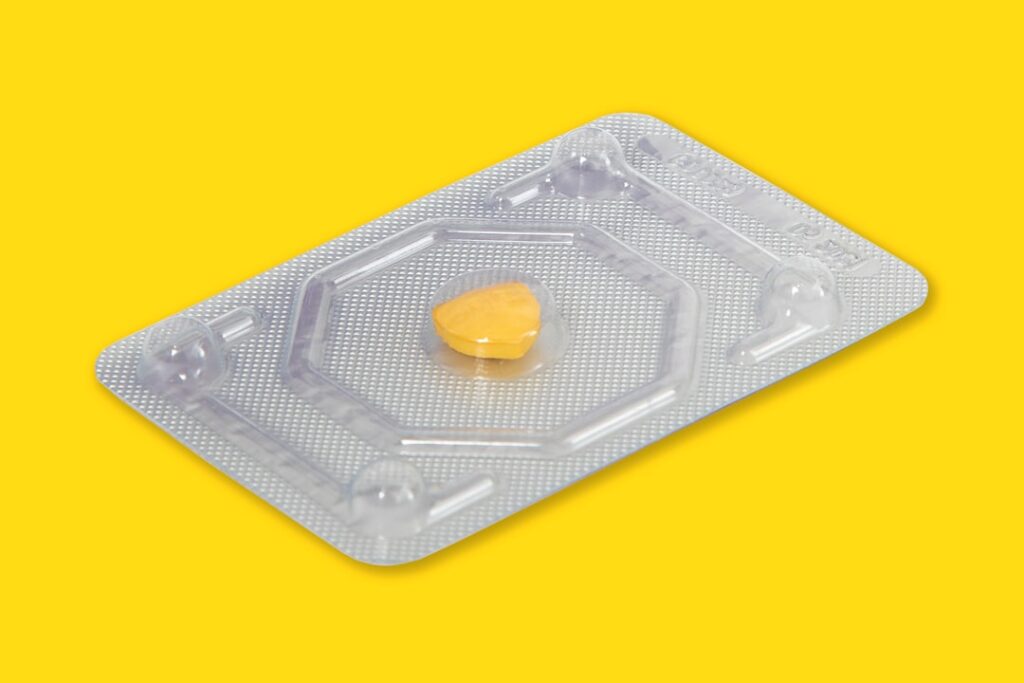
- Plan B (levonorgestrel) works mainly by delaying or preventing ovulation, so it is most effective when taken before ovulation and as soon as possible after unprotected sex.
- Take it as soon as you can: it is labeled for use within 72 hours (3 days), works best in the first 24 hours, and loses effectiveness with each passing day; some effect may remain up to about 5 days but is much weaker.
- Plan B is not the abortion pill — it prevents pregnancy from starting and will not end or harm an existing pregnancy; it also does not protect against STIs.
- Levonorgestrel EC works less well at higher body weight (roughly above ~155 lb / BMI ~26, and notably less above ~165 lb or BMI 30); ella (ulipristal, prescription) or an IUD may work better in that case.
- The copper IUD is the most effective emergency contraception when placed within 5 days, and the 52 mg hormonal (levonorgestrel) IUD is now supported as an effective option too — both also provide ongoing birth control.
- Plan B is available over the counter with no age restriction and no prescription; take a pregnancy test if your period is more than a week late.
After unprotected sex or a contraceptive failure, timing is everything. How long does Plan B take to work? In one sense it starts working right after you swallow it — but its ability to prevent pregnancy depends far more on when you take it than on how fast the pill dissolves. Plan B (levonorgestrel) works mainly by delaying or preventing ovulation, so the sooner you take it — ideally within the first 24 hours and no later than 72 hours (3 days) — the better it works. Here is what the evidence shows about Plan B’s mechanism, its timing window, how body weight affects it, and the situations where another option may protect you better. This article is part of our medical conditions guide and is general education, not medical advice.
How Plan B Works to Prevent Pregnancy
Plan B One-Step contains 1.5 mg of levonorgestrel, a synthetic form of the hormone progestin. According to ACOG and the FDA, it works primarily by preventing or delaying ovulation — the release of an egg from the ovary. If ovulation has not yet happened, the dose of levonorgestrel can hold back the hormonal surge that triggers the egg’s release, so there is no egg available to be fertilized.
This mechanism has two important consequences. First, Plan B is not an abortion pill. It prevents a pregnancy from starting; it does not end one that has already begun. If you are already pregnant, Plan B will not work and will not harm the pregnancy — it simply has nothing to act on. This clearly distinguishes it from the abortion pill (mifepristone, sometimes followed by misoprostol), which is a different medication used for a different purpose. Second, because its main job is to delay ovulation, Plan B is most effective when taken before ovulation and is much less reliable if ovulation has already occurred.
The Critical Timing Window
The effectiveness of Plan B declines steadily the longer you wait. Exact percentages vary from study to study, but the direction is consistent across sources like the Cleveland Clinic, Mayo Clinic, and ACOG: sooner is better.
As soon as possible (within 24 hours): This is the optimal window and the most effective time to take it. Do not wait until the next morning despite the nickname “morning-after pill” — if you have it, take it now.
Within 24-72 hours (up to 3 days): Plan B is labeled for use within 72 hours of unprotected sex, and it still offers meaningful protection during this window, but effectiveness falls with each passing day. It is worth taking anytime within these three days if that is your available option.
After 72 hours (up to about 5 days): Some effect may remain up to roughly 120 hours (5 days), but it is much weaker, and Plan B is not officially recommended beyond 72 hours. If more than three days have passed, ella (ulipristal acetate) or an IUD are better choices — see below.
Because the numbers reported in studies differ and depend heavily on where you are in your cycle, the practical takeaway is simpler than any single figure: take it as early as you can, and don’t assume a later dose is worthless — but do consider a more effective option once you are past the first day or two.
How Quickly Plan B Is Absorbed
After you swallow the tablet, levonorgestrel is absorbed from the digestive tract and reaches peak levels in the bloodstream within a couple of hours, then stays active in your system for a day or two as it works to delay or prevent ovulation. In other words, the pill itself acts quickly — so how long Plan B takes to work is really a question about whether ovulation has already happened by the time you take it, not about how fast the medication kicks in. That is exactly why every hour of delay can matter.
Factors That Affect Plan B’s Effectiveness
Timing Relative to Ovulation
This is the single most important factor. If you take Plan B before ovulation, it is much more effective at preventing pregnancy. If you take it after the egg has already been released, its effectiveness drops sharply because its main mechanism — delaying ovulation — no longer applies. According to the American College of Obstetricians and Gynecologists, levonorgestrel EC works best in the pre-ovulatory phase of the cycle.
Body Weight and BMI
This is one of the most important and least-known facts about Plan B. Research suggests levonorgestrel emergency contraception becomes less effective at higher body weight. Studies have pointed to reduced effectiveness starting roughly above 155 pounds (a BMI around 26) and notably weaker protection above about 165 pounds (a BMI of 30 or higher). The evidence is limited and not fully settled, and U.S. regulators have said the data are not conclusive enough to add a weight-based restriction to the label — but the concern is real. If your weight or BMI is in that range, ask a pharmacist or clinician about ella (which appears less affected by weight, though it too may lose some effect at higher BMI) or, most effective of all, an IUD.
Vomiting After Taking the Pill
If you vomit within about two hours of taking Plan B, the dose may not have been fully absorbed. In that case, contact a pharmacist or healthcare provider to ask whether you should repeat the dose. Taking it with a small snack, or asking a pharmacist about an anti-nausea option beforehand, can help some people keep it down.
Certain Medications
Some medications — including certain seizure medicines, the antibiotic rifampin, and the herbal supplement St. John’s wort — can reduce how well hormonal emergency contraception works. If you take any of these, mention it when you ask about your options, because an IUD may be the more reliable choice.
What to Expect After Taking Plan B
Plan B can cause temporary side effects as your body responds to the dose of hormone. Commonly reported effects include nausea, headache, fatigue, lower abdominal pain, breast tenderness, and dizziness. These usually settle within a day or two.
Your next period may come earlier or later than expected — this is one of the most common effects and is not a cause for concern. According to the Cleveland Clinic, most people get their period within about a week of when they expected it. Bleeding that is lighter or heavier than normal, or some spotting in the days after taking it, is also common; spotting is not a period and does not tell you whether the medication worked.
If your period is more than a week late after taking Plan B, take a home pregnancy test. Plan B works in the large majority of cases, but it does not prevent every pregnancy, and a delayed period could reflect either the medication’s hormonal effect or a pregnancy.
Common Myths About Plan B
Several misconceptions persist and can lead to poor decisions. First, as covered above, Plan B is not the same as the abortion pill — it prevents pregnancy and will not end or harm an established one. Second, Plan B does not affect your future fertility; it has no known long-term impact on your ability to get pregnant later. Third, there is no medical limit on how many times you can use it, though it should not replace regular contraception because it is less effective than consistent use of ongoing methods.
Fourth, Plan B does not protect against sexually transmitted infections (STIs). If there is any risk of exposure, plan to get tested regardless of whether you took Plan B. Finally, Plan B (levonorgestrel) is available over the counter with no age restriction and no prescription, for any buyer regardless of gender; some stores keep it behind the counter or in a locked case, so you may need to ask a staff member to unlock it, but you do not need ID or a pharmacist’s permission.
Better Options After 72 Hours or at Higher Body Weight
If more than 72 hours have passed, or if your weight or BMI puts levonorgestrel’s effectiveness in question, two categories of option work better.
Ella (ulipristal acetate) is a prescription emergency-contraception pill that stays effective for up to 120 hours (5 days) and generally holds up better than Plan B, including later in that window and closer to ovulation. It appears less affected by body weight than levonorgestrel, though very high BMI may still reduce it somewhat. Because ella and levonorgestrel can interfere with each other, you should not take both, and starting or restarting hormonal birth control right after ella can blunt ella’s effect — ask your prescriber about timing.
An IUD is the most effective emergency contraception of all. The copper IUD (Paragard), placed within 5 days of unprotected sex, reduces pregnancy risk by well over 99% and then provides years of ongoing contraception. More recently, the 52 mg hormonal (levonorgestrel) IUD — the same kind sold as Mirena or Liletta — has been shown to work about as well as the copper IUD for emergency contraception, giving people a hormonal IUD option if they prefer it. Either IUD requires a visit for placement, but some clinics, including many Planned Parenthood and urgent-care sites, can place one the same day. Because an IUD’s effectiveness does not depend on body weight, it is an especially strong choice when weight is a concern.
Frequently Asked Questions
Can I take Plan B more than once in a month?
Yes. You can take Plan B more than once in the same cycle if needed, and there are no known dangerous health effects from repeated use. Frequent use may cause more irregular bleeding, and it is less effective than a regular contraceptive method, so if you find yourself needing it often, talk with a provider about ongoing birth control.
Does Plan B work if I’ve already ovulated?
It is much less effective once ovulation has occurred, because its main action is to delay the release of an egg. If you think you may be at or near ovulation (often around the middle of the cycle), a copper IUD is the more effective emergency option.
How do I know if Plan B worked?
There is no immediate way to confirm it. The main sign is getting your next period on or near schedule. If your period is more than a week late, take a home pregnancy test. Plan B does not cause a false positive or false negative on a pregnancy test.
Does Plan B have long-term side effects?
No long-term harms have been documented from levonorgestrel emergency contraception, which health authorities regard as safe for repeated use. The hormonal effects are temporary and typically settle within one menstrual cycle.
Will Plan B hurt an existing pregnancy?
No. If you are already pregnant, Plan B will not work and will not harm the pregnancy or the developing fetus — it prevents pregnancy from starting rather than affecting one that already exists.
What to Do Next
If you are reading this because you need emergency contraception now, the most important step is simple: take it as soon as possible, because every hour counts. Levonorgestrel emergency contraception is available at pharmacies, many grocery stores, and online without a prescription. If more than 72 hours have passed, or if body weight is a concern, ask a clinician or pharmacist about ella or an IUD instead. After taking Plan B, note your expected period date; if it is more than a week late, take a pregnancy test. And consider scheduling a visit to discuss ongoing contraception, so that Plan B stays what it is designed to be — a backup, not a primary method. If you have questions about your specific situation, a pharmacist, clinician, or a provider such as Planned Parenthood can help.
This article is general education and is not medical advice, and it is not a substitute for guidance from a clinician or pharmacist about your situation. Emergency contraception does not protect against STIs. If your period is more than a week late, take a pregnancy test and follow up with a healthcare provider.
Sources
- American College of Obstetricians and Gynecologists (ACOG) — Emergency Contraception FAQ.
- Cleveland Clinic — Plan B and emergency contraception.
- Mayo Clinic — Morning-after pill.
- MedlinePlus and DailyMed (U.S. National Library of Medicine) — levonorgestrel (Plan B One-Step) drug label.
- U.S. Food and Drug Administration (FDA) — Plan B One-Step consumer information.