
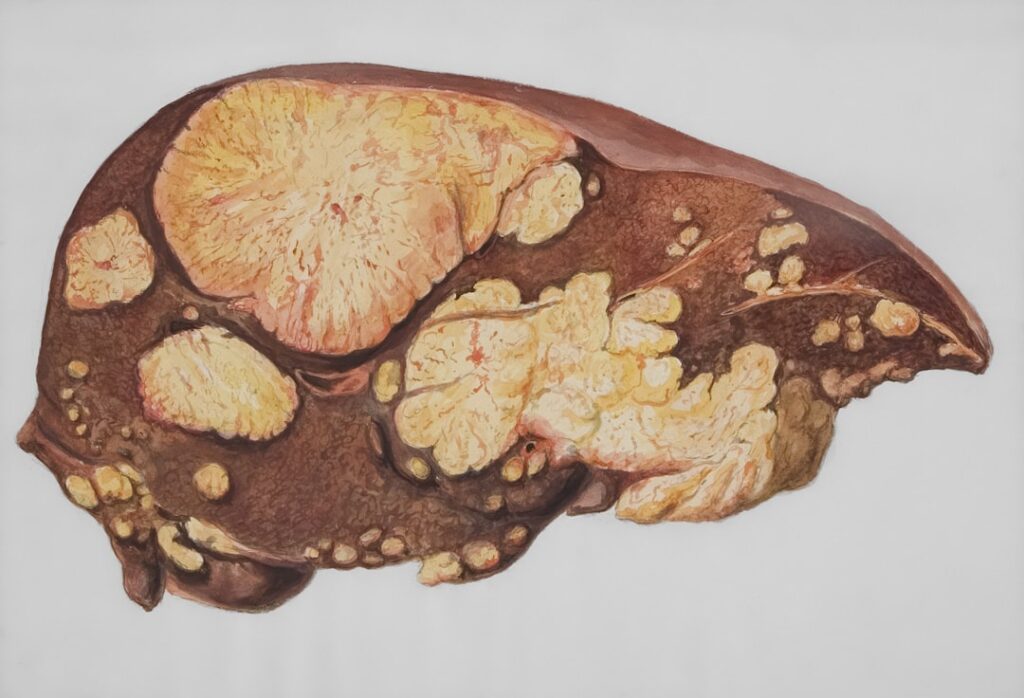
Quick summary: Fatty liver disease means excess fat stored in the liver. In 2023 the major liver societies renamed it: NAFLD is now MASLD (metabolic dysfunction-associated steatotic liver disease) and NASH is now MASH (metabolic dysfunction-associated steatohepatitis), with a separate MetALD category for people who have metabolic risk factors and drink meaningfully. It affects about one in four adults, is usually silent, and is driven mostly by weight, insulin resistance, and diet. Early disease is often reversible with weight loss and lifestyle change; medication (when needed) is clinician-directed.
Medical disclaimer: This guide is educational and not a substitute for personalized advice from a licensed clinician. It does not provide drug dosing. Do not start, stop, or change any medication or supplement based on this page.
An estimated one in four adults worldwide has some form of fatty liver disease, making it the most common chronic liver condition in the Western world — and most of them have no idea. According to the NIDDK, the metabolic form now affects roughly 25% of adults (and by some newer global estimates 30% or more), and its more severe, inflammatory form is a leading and rising reason for liver transplantation in the United States. What was once a footnote in medical textbooks has become one of the defining health challenges of our time. For more on conditions that affect millions, visit our medical conditions guide.
A Name Change You Need to Know: MASLD and MASH
If you were diagnosed a few years ago, the terminology has changed. In 2023, a multi-society expert panel convened by the American Association for the Study of Liver Diseases (AASLD), the European Association for the Study of the Liver (EASL), and the Latin American liver association (ALEH) agreed on new names to better reflect the disease’s metabolic roots and to remove the stigmatizing word “fatty”:
- MASLD (metabolic dysfunction-associated steatotic liver disease) replaces NAFLD. It requires liver fat plus at least one cardiometabolic risk factor (such as overweight/obesity, type 2 diabetes or prediabetes, high blood pressure, or abnormal cholesterol/triglycerides).
- MASH (metabolic dysfunction-associated steatohepatitis) replaces NASH — the inflamed, damaging form.
- MetALD is a new category for people who meet MASLD criteria and also drink alcohol at moderate-to-higher levels, acknowledging that many patients have both metabolic and alcohol contributions.
- SLD (steatotic liver disease) is the new umbrella term covering all causes of liver fat.
You will still see “NAFLD” and “NASH” in older records and some patient materials, so this guide notes both. The underlying biology and management have not changed — only the labels and the emphasis on metabolic health. The Mayo Clinic and other major centers have adopted the MASLD/MASH terminology.
What Is Fatty Liver Disease?
Fatty liver disease refers to the accumulation of excess fat in liver cells. A small amount of fat in the liver is normal, but when fat comprises more than about 5% of the liver’s weight, the condition is classified as steatosis, or fatty liver. When this fat buildup occurs in someone with metabolic risk factors and without significant alcohol use, it’s now called MASLD.
MASLD exists on a spectrum. Simple steatosis is fat accumulation without significant inflammation or liver cell damage; many people with simple steatosis never develop serious complications. MASH (formerly NASH) is the more concerning form — the liver is not only fatty but also inflamed and damaged, with evidence of liver cell injury and varying degrees of scarring (fibrosis). MASH can progress to cirrhosis, liver failure, and liver cancer.
Causes and Risk Factors
Fatty liver disease is closely linked to metabolic syndrome — a cluster of conditions including obesity, type 2 diabetes or insulin resistance, high cholesterol/triglycerides, and high blood pressure. Insulin resistance is considered the central driving mechanism: when cells don’t respond properly to insulin, the liver ramps up fat production and reduces fat breakdown, leading to accumulation.
Obesity is the strongest risk factor. Studies show that a large majority of people with obesity have MASLD, and rates are even higher with severe obesity. However, “lean” MASLD exists — an estimated 10-20% of people with the disease have a normal BMI. In these individuals, genetic factors, visceral fat distribution, and dietary patterns (particularly high fructose intake) play important roles.
Genetics influence susceptibility significantly. Variants in the PNPLA3 gene (particularly the rs738409 variant) are strongly associated with MASLD risk and progression. People of Hispanic descent carry this variant at higher rates, which partially explains the higher prevalence of fatty liver disease in this population. According to the NIH, other contributors include polycystic ovary syndrome, obstructive sleep apnea, hypothyroidism, and certain medications (such as tamoxifen, methotrexate, and corticosteroids).
Alcohol, MetALD, and Alcohol-Related Fatty Liver
Alcohol-related fatty liver disease occurs when excessive alcohol consumption overwhelms the liver’s ability to metabolize alcohol, leading to fat accumulation, inflammation, and eventually cirrhosis in some individuals. The threshold varies, but generally more than two drinks per day for men and one for women is considered risky. Under the new nomenclature, people who have both metabolic risk factors and higher alcohol intake fall into the MetALD category — a recognition that these two drivers frequently coexist and compound each other. The distinction matters for management, though the liver damage from metabolic and alcohol causes can look identical under a microscope.
Symptoms — or Lack Thereof
The majority of people with fatty liver disease have no symptoms whatsoever. This is one of the condition’s most dangerous features — by the time symptoms appear, significant liver damage may have already occurred. When symptoms do develop, they tend to be vague: fatigue, general malaise, and a dull ache or sense of fullness in the upper right abdomen.
As the disease progresses to advanced fibrosis or cirrhosis, more specific symptoms emerge, and some are emergencies (see the red-flag box below). The Cleveland Clinic emphasizes that fatty liver disease is often discovered incidentally — through elevated liver enzymes on routine blood work or fatty liver spotted on an imaging study ordered for another reason. This makes awareness of risk factors and appropriate screening all the more important. For a full rundown of what to watch for, see our companion article on the symptoms of liver damage.
Signs of advanced liver disease — seek urgent or emergency care:
- Call 911 or go to the ER for vomiting blood, or black/tarry/bloody stools (possible bleeding from varices), or for new confusion, severe drowsiness, or disorientation (possible hepatic encephalopathy).
- Get seen promptly for yellowing skin or eyes (jaundice), rapid abdominal swelling or leg swelling (fluid retention/ascites), or easy bruising and bleeding.
- These indicate the liver may be severely compromised and are not symptoms to “watch and wait” on.
Diagnosis
Blood tests may reveal elevated liver enzymes (ALT and AST), though normal enzymes do not rule out MASLD — a large share of people with the disease have normal liver enzyme levels. A lipid panel and fasting glucose or A1C help assess the metabolic context. Because scarring (not fat alone) drives outcomes, clinicians increasingly start with a simple non-invasive fibrosis score such as FIB-4, which combines age, platelet count, and liver enzymes to flag who needs closer evaluation.
Ultrasound is the most commonly used initial imaging test. It can detect moderate-to-severe steatosis but may miss mild fatty liver and cannot distinguish simple steatosis from MASH. FibroScan (transient elastography) measures liver stiffness — a proxy for fibrosis — and controlled attenuation parameter (CAP) for steatosis. It’s noninvasive, quick, and increasingly available. MRI-based techniques (MRI-PDFF and MR elastography) provide the most accurate non-invasive assessments of liver fat and fibrosis.
Liver biopsy remains the reference standard for diagnosing MASH and accurately staging fibrosis. It’s the only test that can definitively distinguish simple steatosis from MASH. However, it’s invasive and carries a small risk of complications, so it’s typically reserved for cases where the distinction will change management. The American Association for the Study of Liver Diseases recommends non-invasive fibrosis scoring systems (like FIB-4) followed by elastography as the practical pathway to identify patients who need further evaluation.
The Progression Problem
Understanding the progression of MASLD is critical. Simple steatosis is generally more benign — only a minority of people with simple fatty liver progress to MASH. However, once MASH develops, the risk of serious complications increases substantially, with a meaningful share going on to significant fibrosis and, over 10-20 years, a smaller share to cirrhosis.
The key determinant of liver-related outcomes is the degree of fibrosis, not inflammation. Research summarized by hepatology societies has demonstrated that fibrosis stage is the strongest predictor of liver-related mortality and overall mortality in MASLD patients. This is why non-invasive fibrosis assessment has become central to clinical management.
MASLD also increases the risk of hepatocellular carcinoma (liver cancer), which can develop even in the absence of cirrhosis — a unique and concerning feature compared to other chronic liver diseases. Cardiovascular disease, however, remains the leading cause of death in people with MASLD, not liver disease itself. This underscores the metabolic nature of the condition and the importance of comprehensive cardiovascular risk management.
Treatment: Lifestyle Modification Comes First
Lifestyle modification — weight loss, dietary change, and exercise — remains the foundation and the most effective treatment for most people, and it is the first-line approach even now that medications exist. The evidence is consistent: losing roughly 5-7% of body weight improves steatosis, losing about 7-10% can resolve MASH, and losing 10% or more can improve fibrosis.
Dietary patterns matter beyond calories. The Mediterranean diet — rich in olive oil, fish, nuts, whole grains, fruits, and vegetables — has shown particular benefit for fatty liver disease in multiple clinical trials. Reducing intake of added sugars and fructose (found in sugar-sweetened beverages, fruit juice, and many processed foods) is especially important, as fructose is metabolized largely by the liver and strongly promotes fat production.
Exercise independently reduces liver fat even without significant weight loss. Research from the NIH shows that both aerobic exercise (a general target of 150-300 minutes per week of moderate-intensity activity) and resistance training reduce hepatic fat content, and the combination may be more effective than either alone. Any sustained increase in physical activity is beneficial — the key is consistency. Just as important, clinicians treat the metabolic drivers head-on: controlling diabetes, cholesterol and triglycerides, and blood pressure both protects the liver and lowers the cardiovascular risk that ultimately harms most patients.
Medications and Emerging Therapies
The drug landscape changed meaningfully in the mid-2020s. In March 2024, the FDA approved resmetirom (brand name Rezdiffra) — a thyroid hormone receptor-beta agonist — as the first drug specifically for MASH. It is indicated for adults with noncirrhotic MASH with moderate-to-advanced fibrosis (roughly stage F2-F3), used alongside diet and exercise. Importantly, its use should be avoided in decompensated cirrhosis. Resmetirom is a prescription medication that requires clinician assessment and monitoring; this guide intentionally provides no dosing.
GLP-1 receptor agonists have moved from “promising” to clinically important. In 2025, results from the large phase 3 ESSENCE trial (reported in the medical literature) showed that semaglutide improved MASH resolution and, in the study, fibrosis outcomes versus placebo, and semaglutide (marketed as Wegovy) subsequently gained a regulatory indication for MASH with fibrosis. These medications also drive substantial weight loss and improve cardiometabolic risk, addressing root causes. As always, whether a GLP-1 drug is appropriate — and which one — is a decision for you and your clinician.
Older options still have a role in selected patients. Vitamin E has shown modest benefit for MASH in some non-diabetic patients, but concerns about safety at high doses limit routine use and it should only be taken under medical guidance. Pioglitazone, a diabetes medication, can benefit MASH in some patients regardless of diabetes status, though weight gain and other side effects are considerations. Several additional drugs targeting fibrosis and metabolic pathways remain in clinical trials, so the treatment landscape is likely to keep evolving. Understanding healthcare costs is relevant as these newer branded therapies — which can be expensive and may require prior authorization — come into wider use.
Alcohol and Liver Health
If you have MASLD, alcohol adds a second insult to an already stressed liver. Most hepatologists recommend minimizing or eliminating alcohol if you have fatty liver disease, particularly if there is any evidence of inflammation or fibrosis. Even moderate alcohol consumption may accelerate liver damage in the context of pre-existing MASLD, and combined metabolic-plus-alcohol injury is exactly what the new MetALD category is meant to capture.
For alcohol-related fatty liver, the treatment is straightforward: stop drinking. Alcohol-associated steatosis is often reversible with abstinence, typically within weeks. However, if drinking continues and the disease progresses to alcohol-associated hepatitis or cirrhosis, the damage becomes increasingly irreversible. If you struggle with alcohol, talk to your doctor about cessation support — addressing alcohol dependence is a medical issue, not a moral failing.
Frequently Asked Questions
What’s the difference between NAFLD, NASH, MASLD, and MASH?
They describe the same disease under old and new names. NAFLD (nonalcoholic fatty liver disease) is now MASLD, and NASH (nonalcoholic steatohepatitis, the inflamed form) is now MASH. The 2023 renaming emphasizes the metabolic causes and adds MetALD for people who also drink significantly. Your care doesn’t change because of the new name — but you may see both terms used during the transition.
Can fatty liver disease be reversed?
Simple fatty liver is often fully reversible with weight loss and lifestyle changes. Even MASH can be resolved — studies show that 7-10% weight loss resolves MASH in a majority of patients — and early-stage fibrosis may improve with sustained change. Advanced fibrosis and cirrhosis are much harder to reverse, which is why early intervention matters.
What foods should I avoid with fatty liver?
Limit sugar-sweetened beverages (soda, juice, energy drinks), foods high in added sugars and fructose, refined carbohydrates (white bread, pastries), fried foods, and alcohol. Focus instead on whole foods — vegetables, fruits, whole grains, lean proteins, healthy fats (olive oil, nuts, fish), and legumes. The Mediterranean diet has the strongest evidence base for fatty liver disease.
How common is fatty liver disease in thin people?
“Lean” MASLD (in people with a normal BMI) accounts for an estimated 10-20% of cases. These individuals often have visceral fat despite a normal overall weight, along with insulin resistance and genetic predisposition. It is not benign — it can progress to MASH and fibrosis and requires the same monitoring and management.
Is there a pill that treats fatty liver now?
Yes, for a specific group. Resmetirom (Rezdiffra) was approved in 2024 for noncirrhotic MASH with moderate-to-advanced fibrosis, and GLP-1 therapy such as semaglutide is now also used for MASH with fibrosis following 2025 trial results and regulatory action. These are prescription treatments layered on top of — not instead of — lifestyle change, and they require clinician evaluation. Speak with a hepatologist about whether you qualify.
How is fatty liver different from hepatitis?
MASLD is caused by metabolic factors (primarily insulin resistance and obesity), not by viral infections. Viral hepatitis (A, B, and C) is caused by specific viruses that infect and inflame the liver. The conditions can coexist — having both MASLD and hepatitis C, for example, accelerates liver damage. All chronic liver diseases can potentially lead to cirrhosis, but their causes and treatments differ.
Protecting Your Liver Starting Today
Fatty liver disease is largely a consequence of the modern lifestyle — excess calories, too much sugar, too little movement. The flip side of that reality is that it’s largely within your power to change. Even with new medications available, the foundation remains a sustained commitment to eating better, moving more, and achieving a healthier weight.
If you have risk factors — obesity, type 2 diabetes, metabolic syndrome — ask your doctor about liver health screening and a FIB-4 score. If you’ve already been diagnosed, find out your fibrosis stage, as this determines your risk and guides how aggressively to intervene. Work with a dietitian if you can, build activity into your daily routine, treat your metabolic risk factors, and follow up with your hepatologist or primary care doctor for regular monitoring. Your liver is remarkably resilient — but it needs you to meet it halfway.
Sources
- NIDDK — NAFLD & NASH (MASLD/MASH)
- Mayo Clinic — Nonalcoholic (Metabolic) Fatty Liver Disease
- Cleveland Clinic — Fatty Liver Disease
- AASLD — Practice Guidance and MASLD/MASH nomenclature
- FDA — Approval of Rezdiffra (resmetirom) for MASH, March 2024
- NIH — Research on diet, exercise, and metabolic liver disease