
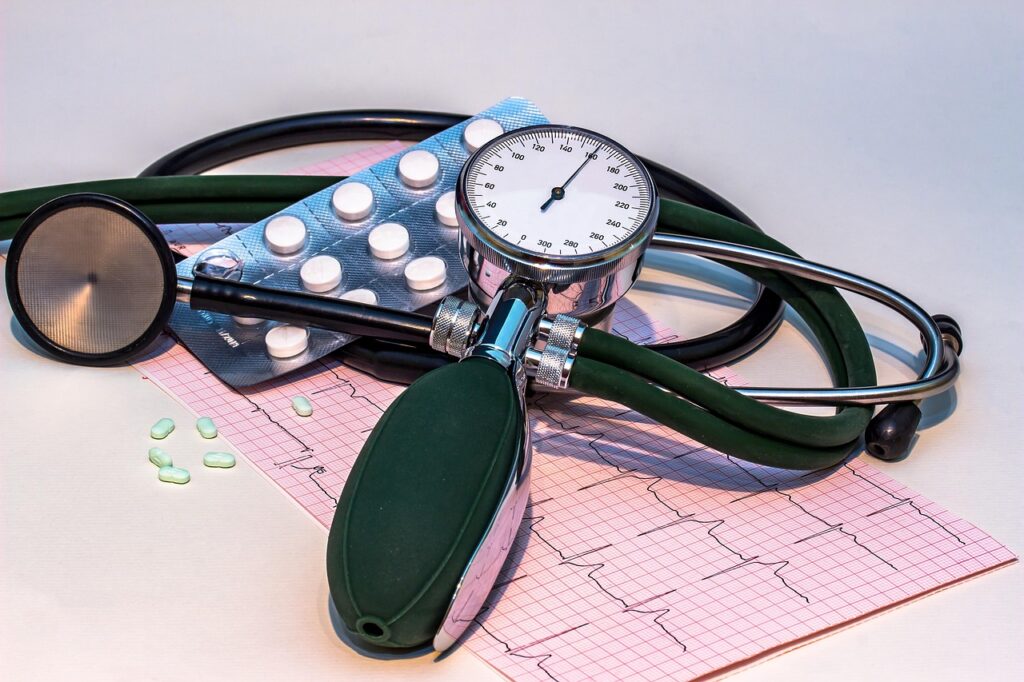
- Preeclampsia is a serious, progressive pregnancy complication marked by high blood pressure and signs of organ stress; it is a medical emergency, not something to manage at home.
- Warning signs include a severe headache that will not go away, vision changes, severe or sudden swelling of the face and hands, upper-right-belly pain, nausea late in pregnancy, shortness of breath, and reduced fetal movement.
- A seizure, severe chest pain, or trouble breathing is a 911 emergency; other red-flag symptoms mean call your provider immediately or go to the ER.
- Preeclampsia can be silent (found only through blood pressure and urine checks) and can appear for the first time postpartum, up to about 6 weeks after delivery.
- Keeping every prenatal and postpartum appointment is the single most reliable way to catch it early; low-dose aspirin may be recommended by your clinician for higher-risk pregnancies.
- This article is general education, not medical advice; any concern about these symptoms should go straight to your obstetric provider or emergency services.
Call 911 or go to the nearest emergency room now if a pregnant or recently pregnant person has a seizure, faints, has severe chest pain or serious trouble breathing, or has the worst headache of their life. Call your obstetric provider immediately or go to the ER for any of these preeclampsia red flags: a severe headache that will not go away, new vision changes (blurring, flashing lights, spots, or brief vision loss), pain in the upper-right belly or below the ribs, sudden severe swelling of the face or hands, sudden rapid weight gain, nausea or vomiting that starts in the second half of pregnancy, shortness of breath, passing much less urine than usual, or decreased fetal movement. This is true whether you are still pregnant or up to about six weeks after delivery. Preeclampsia can worsen from mild to dangerous within hours — when in doubt, be seen. Do not wait, and do not try to treat these symptoms at home.
Preeclampsia complicates an estimated 5 to 8% of pregnancies in the United States and, by most measures, that share has been rising over the past two decades. It remains one of the leading causes of maternal and infant illness and death worldwide. The symptoms of preeclampsia can appear suddenly and escalate quickly, sometimes moving from mild to life-threatening within hours or a few days. High blood pressure and protein in the urine are the classic clinical signs, but many people first notice a cluster of warning signs — a pounding headache that will not quit, changes in vision, or pain high in the belly — that flag the condition before lab tests confirm it. Recognizing these symptoms quickly, and acting on them, can be the difference between a planned delivery and a maternal emergency.
According to the Preeclampsia Foundation, preeclampsia and related hypertensive disorders of pregnancy are a leading cause of premature birth and contribute to tens of thousands of maternal deaths globally each year. If you are pregnant, recently delivered, or planning a pregnancy, understanding these warning signs is essential. Our medical conditions guide covers this and other health conditions in detail. Read this as background so you can act early — not as a substitute for your obstetric team, who should hear about any symptom that worries you.
Medical disclaimer: This article is for general educational purposes only and is not a substitute for professional medical advice, diagnosis, or treatment. Preeclampsia is a serious condition that requires clinical evaluation and treatment; it cannot be safely diagnosed or managed at home. It does not provide dosing instructions — the medications used for preeclampsia and eclampsia are administered and monitored by clinicians. Always talk with your own obstetric provider about your pregnancy and any symptoms, keep all prenatal and postpartum visits, and never start, stop, or change a medication without their guidance. In an emergency, call 911.
What Is Preeclampsia?
Preeclampsia is a pregnancy-specific disorder marked by new-onset high blood pressure (140/90 mmHg or higher) that develops after 20 weeks of gestation, usually alongside signs that other organs are under stress. According to the American College of Obstetricians and Gynecologists (ACOG), the diagnostic criteria recognize that preeclampsia can be present even without protein in the urine when other signs of organ involvement appear — such as low platelet count, elevated liver enzymes, kidney dysfunction, fluid in the lungs, or new neurological or visual symptoms.
The exact cause is still not fully understood, but the leading explanation points to abnormal development of the placenta early in pregnancy. Poorly formed placental blood vessels reduce blood flow, which is thought to trigger the release of substances that injure the lining of blood vessels throughout the mother’s body. This body-wide vascular effect is what produces the wide range of symptoms across multiple organs.
Preeclampsia is progressive. Without appropriate care, it can advance to eclampsia (seizures), HELLP syndrome (a combination of red-blood-cell breakdown, elevated liver enzymes, and low platelets), placental abruption, stroke, organ failure, and death. The only definitive cure is delivery of the baby and placenta, and timing that delivery is a careful balance between the mother’s safety and the baby’s maturity. Because the condition can move quickly and unpredictably, it is managed in a medical setting — never watched and waited on at home.
The Primary Symptoms of Preeclampsia
High Blood Pressure
Elevated blood pressure is the most reliable indicator of preeclampsia. A reading of 140/90 mmHg or higher on two occasions at least 4 hours apart, after 20 weeks of pregnancy in someone whose blood pressure was previously normal, meets the diagnostic threshold. A reading of 160/110 mmHg or higher is considered severe and is treated as an urgent situation.
Many people with preeclampsia do not feel their high blood pressure at all, which is exactly why routine prenatal visits with blood pressure checks matter so much. According to the National Heart, Lung, and Blood Institute, home blood pressure monitoring during pregnancy can help detect rising numbers between appointments. If you are at higher risk, your provider may recommend a validated home cuff and tell you which readings should prompt a call.
Protein in Urine (Proteinuria)
Protein in the urine signals that the kidneys are being affected by the disease process. It is detected with a urine dipstick at prenatal visits or a more precise measurement such as a 24-hour urine collection or a protein-to-creatinine ratio. Some people notice unusually foamy or bubbly urine, which can accompany high protein levels — but this sign is neither reliable nor necessary for diagnosis, and its absence does not rule preeclampsia out.
Severe Headaches
A persistent, severe headache that does not ease with rest, hydration, or acetaminophen is one of the most important symptoms of preeclampsia to recognize. Unlike typical pregnancy headaches (often from hormones, dehydration, or tension), preeclampsia headaches tend to be intense and throbbing and may bring a sense of pressure. The Mayo Clinic lists severe headache as a warning sign that warrants immediate medical evaluation. Do not keep taking pain relievers to push through it — that headache is the reason to be seen.
Visual Disturbances
Vision changes in preeclampsia include blurred vision, seeing spots or flashing lights, temporary loss of vision, and sensitivity to light. These reflect involvement of the blood vessels in the eye or the visual centers of the brain. Any new visual disturbance during pregnancy or shortly after delivery should be reported to your provider right away, because it can precede an eclamptic seizure.
Additional Warning Signs
Upper abdominal pain: Pain in the upper-right abdomen, below the ribs, can point to liver involvement and is one of the more ominous signs of preeclampsia or HELLP syndrome. It may feel like heartburn or gallbladder pain but does not improve with antacids. This symptom reflects liver swelling or stretching of the liver capsule and needs urgent evaluation.
Sudden weight gain and swelling: Some swelling is normal in pregnancy, but sudden or severe swelling of the face and hands, especially when it appears over just a few days, can indicate preeclampsia-related fluid retention. Rapid weight gain in the third trimester should be reported. As the CDC notes, swelling alone is not diagnostic — it occurs in many healthy pregnancies — but combined with other warning signs it takes on more weight.
Decreased urine output: Producing noticeably less urine than usual can mean the kidneys are being affected. If you notice this alongside other symptoms, contact your provider.
Nausea or vomiting: Nausea or vomiting that develops or returns in the second half of pregnancy — particularly with upper-belly pain — can be a sign of preeclampsia or HELLP syndrome. This is different from first-trimester morning sickness, and new late-pregnancy nausea deserves a call.
Shortness of breath: Fluid building up in the lungs (pulmonary edema) is a serious complication of severe preeclampsia. New breathlessness, especially when lying down, should be evaluated urgently. Severe trouble breathing is a reason to call 911.
Decreased fetal movement: A drop in the baby’s usual movement can be a sign that the placenta is not working well. Report any noticeable decrease in movement to your provider promptly.
Can Preeclampsia Be Predicted or Caught Early?
Because preeclampsia can be silent, prediction and early detection are active areas of obstetric care. The foundation remains simple and effective: regular prenatal visits with blood pressure and urine checks, which are how a large share of cases are first identified — often before the person feels anything at all.
Beyond routine monitoring, clinicians increasingly use blood-based biomarkers in certain situations. The ratio of two placental proteins — soluble fms-like tyrosine kinase-1 (sFlt-1) and placental growth factor (PlGF) — correlates with preeclampsia risk. In 2023 the U.S. Food and Drug Administration cleared an sFlt-1/PlGF blood test to help assess the short-term risk that hospitalized pregnant patients with high blood pressure will progress to severe preeclampsia. As of 2026, this kind of testing is a tool clinicians may use to help with risk stratification and timing decisions; it is ordered and interpreted by your care team, not a self-test, and a “reassuring” result never overrides new warning symptoms. If you develop any red-flag symptom, be evaluated regardless of prior test results.
Risk Factors for Preeclampsia
Some people face a higher risk of developing preeclampsia. According to guidance summarized by ACOG and the U.S. Preventive Services Task Force, the most significant risk factors include:
First pregnancy: Preeclampsia is more common in first-time pregnancies than in later ones.
History of preeclampsia: A prior pregnancy affected by preeclampsia meaningfully raises the risk of it happening again, and the risk is higher if the earlier case was severe or early-onset.
Chronic hypertension: Pre-existing high blood pressure significantly increases risk. Preeclampsia developing on top of chronic hypertension (“superimposed” preeclampsia) tends to be more severe and to appear earlier in pregnancy.
Other risk factors: Obesity, being older than 35 or a young teen, carrying more than one baby (twins or higher), pre-gestational diabetes, kidney disease, and autoimmune conditions such as lupus or antiphospholipid syndrome are all associated with elevated risk. Structural inequities and unequal access to care also contribute to higher rates and worse outcomes among Black and some other populations in the United States — a pattern researchers attribute largely to social and systemic factors rather than race itself. The U.S. Preventive Services Task Force recommends that people with one or more high-risk factors talk with their clinician about low-dose aspirin (commonly 81 mg daily) started after 12 weeks to lower the chance of preeclampsia. Whether aspirin is right for you is a decision to make with your provider, not on your own.
Preeclampsia vs. Normal Pregnancy Symptoms
Telling preeclampsia symptoms apart from ordinary pregnancy discomfort is a common challenge. A few contrasts help.
Normal pregnancy swelling develops gradually, is usually worse in the feet and ankles at the end of the day, and improves with elevation and rest. Preeclampsia swelling can come on suddenly, involves the face and hands, does not improve with rest, and may come with rapid weight gain.
Normal pregnancy headaches tend to respond to rest, hydration, and acetaminophen. Preeclampsia headaches are persistent, severe, and do not respond to those measures.
Normal pregnancy fatigue is persistent but stable. Fatigue that comes alongside visual changes, upper-belly pain, or other warning signs is different and should be reported.
When in doubt, contact your provider. No experienced obstetric team will fault a pregnant person for calling about possible preeclampsia symptoms — they would far rather evaluate a false alarm than miss the real thing.
Postpartum Preeclampsia
An important and often overlooked fact is that preeclampsia can develop after delivery, typically within the first 48 hours but sometimes up to about 6 weeks postpartum. Because both new parents and clinicians may not expect it once the baby has arrived, postpartum preeclampsia is a meaningful contributor to maternal illness and death. Do not assume you are in the clear the moment you deliver.
The symptoms are the same as during pregnancy: severe headache, vision changes, upper-belly pain, severe swelling, shortness of breath, and high blood pressure. If you experience any of these in the weeks after delivery — even after a completely normal pregnancy and birth — seek medical care immediately. Attend your postpartum blood pressure checks and visits, which are designed in part to catch this.
When to seek emergency care: Call 911 or go to the nearest emergency room for a seizure, severe chest pain, serious difficulty breathing, or fainting. Call your provider immediately or go to the ER for blood pressure at or above 160/110, a severe headache that will not go away, vision changes (blurred vision, spots, flashing lights, or brief vision loss), upper-right belly pain (often with nausea), sudden severe swelling of the face or hands, or a noticeable decrease in fetal movement. These rules apply during pregnancy and throughout the postpartum period.
Frequently Asked Questions
Can preeclampsia be prevented?
Preeclampsia cannot be reliably prevented, but the risk can sometimes be lowered. For people at higher risk, clinicians often recommend low-dose aspirin started after 12 to 16 weeks, which studies show can modestly reduce the chance of preeclampsia. Adequate calcium intake, regular prenatal care, and good management of pre-existing conditions such as hypertension and diabetes also help. The right prevention plan depends on your individual risk and should be set with your obstetric provider — not started on your own.
At what week does preeclampsia usually develop?
Preeclampsia usually develops after 20 weeks of gestation, most often in the third trimester. It can, however, appear as early as 20 weeks and as late as about 6 weeks postpartum. Early-onset preeclampsia (before 34 weeks) tends to be more severe and carries greater risks for both mother and baby, which is one reason ongoing monitoring matters throughout pregnancy.
Does preeclampsia always require early delivery?
Not always. Preeclampsia diagnosed at or near term generally leads to delivery within a short time, since delivery is the definitive treatment. Preeclampsia before 34 weeks presents a harder balance: the care team may work to prolong the pregnancy so the baby can mature while closely monitoring the mother for any worsening. Severe preeclampsia or HELLP syndrome usually prompts delivery sooner. These decisions are individualized and made by your obstetric team based on your and your baby’s condition.
Will I get preeclampsia again in my next pregnancy?
A history of preeclampsia does raise the chance of it recurring, and the risk is higher if the earlier case was severe or early-onset. Talk with your obstetrician early in any future pregnancy about preventive measures such as low-dose aspirin and about closer monitoring, including earlier and more frequent blood pressure checks.
Does preeclampsia affect long-term health?
Yes. A history of preeclampsia is linked to a higher long-term risk of high blood pressure, heart disease, and stroke, according to the American Heart Association. Many clinicians recommend ongoing cardiovascular follow-up — including blood pressure, cholesterol, and blood sugar monitoring — for anyone who has had preeclampsia. Mention your history at future checkups so it can be factored into your care.
What to Do Next
If you are pregnant, the most important action is attending every prenatal appointment, where blood pressure and urine protein are routinely checked. Between visits, stay alert for the symptoms of preeclampsia described above, and do not hesitate to call your provider if something feels wrong. Most obstetric teams would much rather evaluate a “false alarm” than miss a developing case.
If you have risk factors, discuss low-dose aspirin and a monitoring plan with your provider at your first prenatal visit. If your provider recommends home blood pressure monitoring, ask which device is appropriate and which readings should prompt a call or a trip to the ER. Keeping a simple diary of headaches, swelling changes, visual symptoms, and any decrease in fetal movement can help you and your team notice concerning patterns quickly. And remember that the postpartum weeks count too — keep your follow-up appointments after delivery.
Preeclampsia is unpredictable but not undetectable. Awareness of its symptoms, combined with consistent prenatal and postpartum care, gives you the best chance of catching it early and protecting both you and your baby. For related reading on women’s health conditions, see our articles on symptoms of ovarian cancer and symptoms of heart failure.
Sources
- American College of Obstetricians and Gynecologists (ACOG) — Gestational Hypertension and Preeclampsia; postpartum care guidance (acog.org)
- Preeclampsia Foundation — About Preeclampsia (preeclampsia.org)
- Mayo Clinic — Preeclampsia: symptoms and causes (mayoclinic.org)
- National Heart, Lung, and Blood Institute (NHLBI) — Preeclampsia and Eclampsia (nhlbi.nih.gov)
- Centers for Disease Control and Prevention (CDC) — High blood pressure during pregnancy and maternal health (cdc.gov)
- U.S. Preventive Services Task Force (USPSTF) — Aspirin Use to Prevent Preeclampsia; screening for preeclampsia (uspreventiveservicestaskforce.org)
- U.S. Food and Drug Administration (FDA) — sFlt-1/PlGF preeclampsia risk-assessment test clearance (fda.gov)