
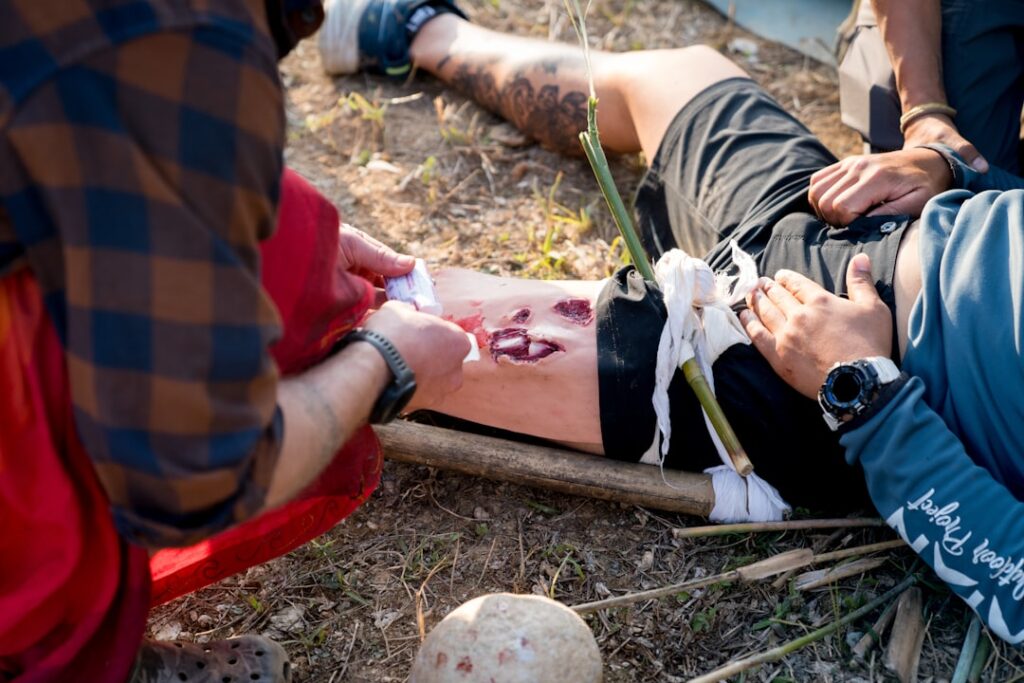
Knowing how to treat a 2nd degree burn correctly in the critical first minutes can significantly reduce pain, prevent infection, and minimize scarring. How to treat a 2nd degree burn depends on its size, location, and severity, and some second degree burns require emergency medical care rather than home treatment.
Second degree burns, also called partial-thickness burns, damage both the outer layer of skin (epidermis) and part of the underlying layer (dermis). They are characterized by blisters, intense pain, redness, and swelling. According to the National Institutes of Health, burns are one of the most common household injuries, and partial-thickness burns account for a significant portion of the burn injuries treated in U.S. emergency departments each year.
This guide provides step-by-step first aid instructions, explains when a burn needs professional medical care, outlines the recovery process, and addresses common mistakes that can worsen burn injuries. For more health information, visit our medical conditions guide. It is general education, not a substitute for in-person medical care.
Identifying a Second Degree Burn
Before treating a burn, it is important to identify its severity correctly. Burns are classified by depth.
First degree burns affect only the epidermis. They cause redness and mild pain without blisters. A typical sunburn is a first degree burn. Second degree burns extend into the dermis. They cause blisters (fluid-filled bubbles on the skin), significant pain and tenderness, redness and swelling, a wet or shiny appearance when blisters break, and skin that may appear blotchy. Third degree burns destroy the full thickness of skin and may extend into deeper tissues. They appear white, brown, or charred, and paradoxically may be less painful because nerve endings are destroyed. Fourth degree burns reach muscle, tendon, or bone and are always a medical emergency.
Second degree burns are further divided into superficial partial-thickness burns, which affect the upper dermis and typically heal within two to three weeks with minimal scarring, and deep partial-thickness burns, which extend into the lower dermis and may require three to six weeks or longer to heal, sometimes requiring skin grafting. According to the Cleveland Clinic, the depth of a second degree burn significantly affects the treatment approach and long-term outcomes. Depth can be hard to judge in the first day or two, and a burn can appear to “evolve” and look deeper as swelling develops, which is one reason a clinician should reassess anything you are unsure about.
| Burn depth | What you see | Typical healing |
|---|---|---|
| First degree (superficial) | Red, dry, painful, no blisters (like sunburn) | 3–6 days |
| Superficial second degree | Blisters, wet, very painful, blanches with pressure | 2–3 weeks |
| Deep second degree | Blisters, patchy red/white, less blanching, reduced sensation | 3–6+ weeks; may need grafting |
| Third degree (full thickness) | White, brown, or leathery; little or no pain | Requires surgical care |
Immediate First Aid for Second Degree Burns
Proper first aid in the first minutes after a burn occurs makes a meaningful difference in outcomes. Follow these steps.
Step 1: Remove the source of the burn. Move away from the heat source. If clothing is stuck to the burn, do not attempt to remove it. If clothing is not stuck, carefully remove it along with any jewelry, watches, or tight items near the burned area before swelling begins. For a chemical burn, brush off any dry chemical and remove contaminated clothing before rinsing.
Step 2: Cool the burn with running water. Hold the burned area under cool or lukewarm (not cold or iced) running water for 10 to 20 minutes. Major burn organizations, including the American Burn Association and the British Burn Association, describe this as the single most effective first aid measure for burns, and it still helps if you start within about three hours of the injury. Cooling reduces pain, limits how deep the burn progresses, and decreases swelling. Do not use ice, ice water, or very cold water, because extreme cold constricts blood vessels, can cause further tissue damage, and increases the risk of hypothermia, especially in children and over large areas. If clean running water is not available, a cool, wet compress can be used until it is.
Step 3: Do not pop blisters. Blisters serve as a natural sterile bandage, protecting the damaged skin underneath from infection. Let them remain intact. If a blister breaks on its own, gently clean the area with mild soap and water and cover it; a thin layer of plain petroleum jelly or an antibiotic ointment can be used unless you are allergic.
Step 4: Cover the burn. After cooling, gently pat the area dry and cover the burn with a sterile, non-stick dressing or clean cloth. In an emergency, a layer of clean household plastic wrap (cling film) laid loosely over the burn is a recognized temporary cover that will not stick to the wound — do not wrap it tightly around a limb. Do not use cotton balls or any fluffy material that could leave fibers in the wound. Wrap any dressing loosely to avoid putting pressure on the burned skin. The Mayo Clinic recommends non-stick gauze pads held in place with medical tape or a loose roller bandage placed away from the burn itself.
Step 5: Manage pain and check tetanus status. Take an over-the-counter pain reliever such as ibuprofen or acetaminophen, following the dosing directions on the label exactly, and do not exceed the maximum daily amount stated there. Ask a pharmacist or clinician if you are unsure whether a medicine is right for you. Because a burn breaks the skin barrier, the CDC recommends a tetanus booster if it has been more than five years since your last dose, or if you are not sure you are up to date.
Ongoing Wound Care at Home
For small second degree burns (smaller than the palm of the hand) that are not on the face, hands, feet, groin, or joints, ongoing home care involves careful wound management.
Clean the burn gently once or twice daily with mild soap and lukewarm water. Pat dry carefully with a clean towel. Apply a thin layer of plain petroleum jelly or an antibiotic ointment such as bacitracin, then a fresh sterile, non-stick dressing after each cleaning. If a clinician prescribes a specific burn cream or specialized dressing, follow their instructions. Note that routine over-the-counter use of silver sulfadiazine cream has fallen out of favor in current burn practice because it can slow healing and make the wound harder to assess, so use it only if a clinician specifically recommends it. Keep the area elevated when possible to reduce swelling.
Monitor the burn daily for signs of infection, which include increasing redness extending beyond the burn edges, increasing pain after the first day or two, swelling that worsens rather than improves, pus or cloudy drainage, a bad smell, red streaks extending from the burn, and fever. Infection is one of the most common complications of second degree burns and the primary reason a home-treated burn may need professional medical intervention. If you notice these signs, contact a clinician promptly rather than waiting.
What Not to Do
Several common burn “remedies” can actually cause harm. Avoid these mistakes.
Do not apply butter, oil, toothpaste, egg whites, or grease to a burn. These substances trap heat in the skin, increase infection risk, and make it harder for medical professionals to assess and treat the burn. Do not use ice or ice water, which can cause frostbite-type injury and worsen tissue damage. Do not pop or peel blisters, as this removes the natural protective barrier and significantly increases infection risk.
Do not apply adhesive bandages or tape directly to burned skin. Use only non-stick dressings. Do not apply cotton or any fluffy material that could stick to the wound. Do not use unproven home remedies such as vinegar, essential oils, or unpurified honey on second degree burns without medical guidance. While some substances have been studied for burn care in clinical settings, improper application at home can cause complications. Pure aloe vera gel may soothe a minor superficial burn once it has been cooled, but it is not a substitute for proper wound care on a blistering burn. Evidence-based first aid protocols consistently outperform folk remedies for burn treatment.
When to Seek Medical Care
While small, uncomplicated second degree burns can often be treated at home, many require professional medical evaluation and treatment. Seek emergency care immediately if the burn is larger than the palm of the hand, is on the face, neck, hands, feet, genitals, or over a joint, goes all the way around an extremity, shows signs of a deep partial-thickness or third degree burn (white or leathery areas), or was caused by chemicals, electricity, or an explosion. Any burn involving smoke inhalation or the airway is an emergency. In addition, any second degree burn in an infant, an older adult, a pregnant person, or someone who is immunocompromised should be evaluated by a clinician regardless of size.
See a doctor or visit urgent care within 24 hours if the pain is not adequately controlled with over-the-counter medication, blisters are very large, you notice any signs of infection, or you are unsure about the severity of the burn. When you cannot tell how serious a burn is, err on the side of getting it checked.
Medical treatment for more serious second degree burns may include prescription pain management, professional wound cleaning (debridement), specialized burn dressings, a tetanus booster if not current, physical therapy to maintain range of motion for burns over joints, and, in some cases, skin grafting for deep partial-thickness burns. Regional burn centers coordinate care for larger or higher-risk burns.
Recovery Timeline and Scarring
The recovery timeline for second degree burns depends on the depth and size of the burn, the location on the body, the patient’s age and overall health, and whether complications such as infection occur.
Superficial second degree burns typically heal within two to three weeks. The skin may appear pink or red for several weeks after healing, and some temporary changes in skin pigmentation are common, especially in darker skin tones. Scarring is usually minimal. Deep second degree burns may take three to six weeks or longer to heal. They carry a higher risk of hypertrophic (raised) scarring and lasting changes in skin pigmentation, and some require skin grafting to heal properly and minimize scarring.
According to the American Academy of Dermatology, several steps can help minimize scarring during recovery. Keep the healing burn moisturized with a fragrance-free lotion once the wound has closed. Protect the healed area from sun exposure for at least one year, because newly healed skin is extremely sensitive to UV radiation and can develop permanent discoloration; use clothing and a broad-spectrum SPF 30 or higher sunscreen once the skin is intact. Silicone gel sheets or silicone-based scar treatments may help flatten and soften scars when used consistently. Gentle massage of the healed area can help improve skin texture. Pressure garments are sometimes prescribed for larger burns.
Burns in Children
Children are particularly vulnerable to burn injuries. Their skin is thinner than adult skin, which means burns tend to be deeper. They also have a higher surface-area-to-body-weight ratio, making them more susceptible to fluid loss, hypothermia, and shock from burns.
The Mayo Clinic and pediatric burn specialists recommend that any second degree burn in a child be evaluated by a healthcare provider, regardless of size. This is especially true for infants and toddlers, and for scald burns, which are the most common serious burn in young children. In children, burns should also prompt awareness of the possibility of non-accidental injury. Healthcare providers are trained to recognize burn patterns that may indicate abuse and are legally obligated to report suspected cases.
Preventing Burns at Home
Most household burns are preventable. Set water heaters to no higher than 120°F (49°C) to prevent tap-water scalds, turn pot handles toward the back of the stove, keep hot drinks and appliance cords out of children’s reach, use back burners when children are nearby, and test bath water before placing a child in it. Install and maintain smoke alarms on every level of the home, keep a working fire extinguisher in the kitchen, and never leave cooking unattended. These simple measures prevent the majority of the second degree burns that would otherwise need treatment.
Frequently Asked Questions
How long do second degree burn blisters last?
Blisters from a second degree burn typically last one to two weeks. They may gradually reabsorb or eventually rupture on their own. Once a blister breaks, the underlying skin is vulnerable to infection, so keeping the area clean and covered is essential. New skin forms underneath the blister, which is why it is important to leave blisters intact as long as possible to protect this delicate new tissue.
Should I go to the ER for a second degree burn?
Go to the emergency room if the burn is larger than the palm, located on the face, hands, feet, or genitals, if there are signs of a deeper burn, if it is chemical or electrical, or if the person is an infant, an older adult, pregnant, or immunocompromised. For small second degree burns on non-critical areas, urgent care or a primary care appointment is usually sufficient. When in doubt, err on the side of seeking medical evaluation.
Can a second degree burn heal without scarring?
Superficial second degree burns often heal with minimal to no permanent scarring. Deep second degree burns are more likely to result in some degree of scarring. Factors that influence scarring include the burn’s depth and location, genetics, skin tone, age, and how well the wound is cared for during healing. Following proper wound care and protecting the area from sun exposure can help minimize scarring.
When can I shower after a second degree burn?
You can generally shower within 24 to 48 hours after the burn, but avoid directing the water stream forcefully at the burn. Let lukewarm water flow gently over the area. Do not soak the burn in a bathtub, pool, or hot tub until it is fully healed, as prolonged submersion can soften tissue and increase infection risk. Pat the area dry gently after showering and reapply ointment and a fresh dressing.
What ointment is best for a second degree burn?
For a small, clean second degree burn, a thin layer of plain petroleum jelly or an over-the-counter antibiotic ointment under a non-stick dressing is a reasonable choice for most people. Skip products that contain fragrance or numbing agents unless a clinician recommends them, and do not use prescription creams such as silver sulfadiazine on your own. If the burn needs more than basic care, a clinician can prescribe the appropriate dressing.
Act Quickly and Carefully
Knowing how to treat a 2nd degree burn properly from the first moment of injury through full recovery can prevent complications, reduce pain, and minimize scarring. Cool the burn immediately with running water for 10 to 20 minutes, protect blisters, use loose non-stick dressings, keep tetanus vaccination current, and monitor for infection. For burns that are large, deep, chemical, electrical, or on sensitive areas — or any burn in a young child, older adult, or immunocompromised person — seek professional medical care promptly. Your actions in the first few minutes after a burn have a lasting impact on healing.
This article is for general educational purposes only and is not medical advice. Burn severity can be difficult to judge, and individual circumstances vary. When in doubt, contact a healthcare professional, call your local poison or nurse line, or seek emergency care.
Sources
- MedlinePlus / National Institutes of Health — Burns and first aid for burns
- Mayo Clinic — Burns: first aid, diagnosis, and treatment
- Cleveland Clinic — Second-degree (partial-thickness) burns
- American Academy of Dermatology — How to treat a first- and second-degree burn; scar prevention and sun protection
- American Burn Association / British Burn Association — Recommended first aid for burns (cool running water 10–20 minutes)
- U.S. Centers for Disease Control and Prevention — Tetanus vaccination and wound care